
REVIEW · HIKING & TREKKING
Kathmandu: 14-Day Everest Base Camp with Kala Patthar Trek
There is nothing gentle about the approach to Everest. This 14-day trek pairs Sherpa heartland days with big altitude moments, starting with a Kathmandu warm-up and ending on Kala Patthar for sweeping views of Everest’s range. I love how the route builds in real acclimatization time, especially around Namche Bazaar and Dingboche, and I also love that you get an experienced, English-speaking guide who keeps the whole trek practical. The one drawback to plan for is that Lukla flights can be weather-sensitive, so you need mental flexibility when the schedule is tight.
On the ground, you’re trading city comfort for a chain of tea-house stays and steady walking, with rest days that actually help your breathing feel more manageable. You’ll get some of the best “this is why I came” scenery in the Khumbu, including Everest’s neighbors like Lhotse, Nuptse, and Ama Dablam. Still, you’ll be trekking at real altitude, so it’s not the kind of trip where you can show up underprepared and wing it.
Key Highlights That Make This Trek Worth Your Time
- The Lukla flight day, famed for its extreme airport setting and first taste of the Khumbu
- Namche Bazaar on foot, including a rest day with a 2 to 3 hour excursion for acclimatization
- Tengboche and Dingboche, classic viewpoints plus the altitude stair-step that makes Kala Patthar safer
- Everest Base Camp from Gorak Shep, with the hike up and back that keeps you moving efficiently
- Kala Patthar at 5,545 meters, one of the trip’s most important climbs for panoramic range views
- English-speaking guidance and porter support, which matters a lot when you’re tired and cold
How the 14-Day Rhythm Works, Kathmandu to Kala Patthar
This trek is set up like a ladder. You start in Kathmandu to get settled, then you lift quickly into the Khumbu, and you climb high enough to see the giants without rushing through the “danger altitude” part.
Day 1 is arrival day in Kathmandu, with pickup from Tribhuvan International Airport and transfer to a hotel. You spend 2 nights in Kathmandu with breakfast, which is useful because you can sleep, eat, and do last-minute gear tweaks before the mountains take over.
Day 2 is the big pivot: you fly from Kathmandu to Lukla at about 2,850 meters, then trek about 4 to 5 hours to Phakding around 2,640 meters. This is the day to keep your effort steady, not heroic. Think “walk long enough to get your legs working,” while letting your body adjust to thinner air.
Day 3 climbs to Namche Bazaar at 3,440 meters over about 6 to 7 hours. It’s a longer day, and it’s also where you feel the Khumbu’s rhythm shift from valley walking to mountain village trails.
Day 4 is a rest and acclimatization day in Namche Bazaar, and you’ll also take a 2 to 3 hour excursion. That excursion isn’t there for entertainment, it’s there to help your breathing settle while you practice moving at altitude without fully exhausting yourself.
Day 5 takes you from Namche to Tengboche at 3,870 meters in about 5 to 6 hours. Tengboche is a key stop for views of the Everest region and it’s typically where the day feels more open and dramatic.
Day 6 continues the altitude stair-step from Tengboche to Dingboche at 4,410 meters in about 5 to 6 hours. Day 6 is also when I’d start treating cold and wind as real factors, not background weather.
Day 7 is another acclimatization day at Dingboche. You use it to recover from the climb and adjust to the altitude. This is one of the smartest parts of the itinerary, because it helps you enjoy later days instead of fighting your own fatigue.
Day 8 moves to Lobuche at 4,940 meters over about 5 to 6 hours. This is still trekking country, but you’re getting closer to the “no room for mistakes” altitude zone, so pace matters.
Day 9 is a split-day mission. You trek from Lobuche to Gorak Shep at 5,170 meters, then hike up to Everest Base Camp at 5,364 meters, and return to Gorak Shep. It’s a long day in effort terms, but it’s also the kind of day where the goal is clear and the reward is immediate.
Day 10 includes the signature climb to Kala Patthar at 5,545 meters, then descent to Pheriche at about 4,371 meters. In practical terms, it’s a morning top-hour and an afternoon recovery day.
Days 11 to 12 are continued descent through the Khumbu. Exact village stops aren’t specified here, but you can expect lodge stays and a gradual drop in altitude, which makes the end feel earned.
Day 13 brings you back to Kathmandu for a final evening. Day 14 is departure day.
You can also read our reviews of more hiking tours in Kathmandu
Lukla Airport Sets the Tone for Your Entire Trip
Lukla is the gateway, and it comes with a reputation because the airport setting is extreme. This matters not because you need drama, but because you need to understand how dependent the trek is on flight conditions.
In a perfect world, you fly Kathmandu to Lukla, trek onward, then later fly Lukla back to Kathmandu. In the real world, you can get weather delays or canceled flight attempts. When that happens, your best strategy is to stay flexible, follow your guide’s updates closely, and avoid treating the schedule as guaranteed.
If you tend to travel with a rigid timeline, this is your warning label. If you’re the type who packs calm and moves with the mountains, Lukla becomes part of the story instead of a stress trigger.
Phakding to Namche Bazaar: The Sherpa Trail and Culture First
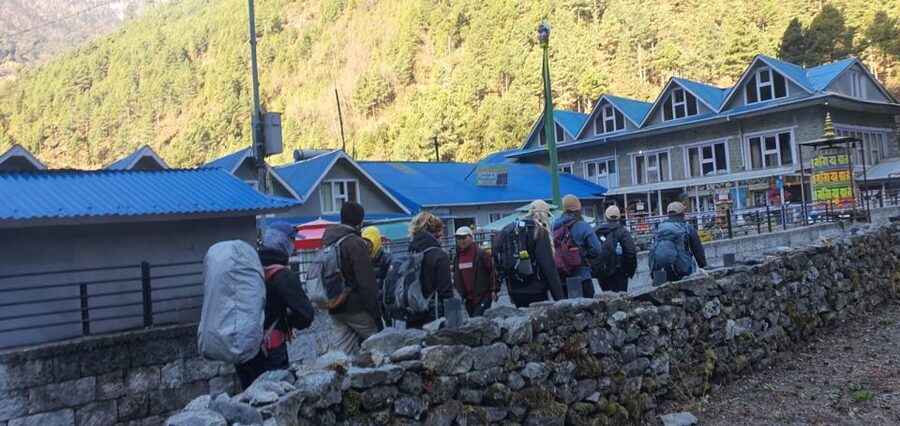
From Phakding at 2,640 meters to Namche at 3,440 meters, Day 2 and Day 3 are where you transition from “I’m traveling” to “I’m trekking in the Khumbu.”
Phakding is a common first-night base, and the trail out of Lukla usually feels like a downhill warm-up that turns into steady walking. You’re building stamina more than pushing speed.
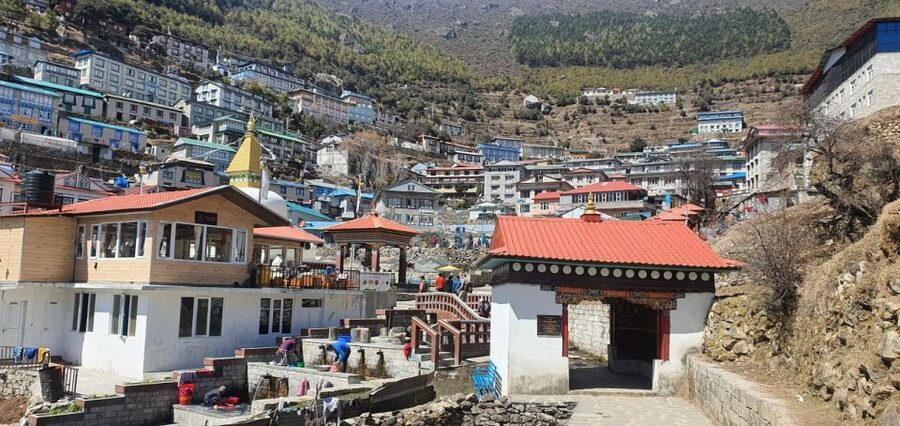
Then Namche Bazaar arrives with its familiar trekking-town energy. You get the Sherpa heartland feel, shops, lodges, and the social side of trekking where you see how people handle altitude day by day.
The Day 4 acclimatization day is the real upgrade. You stay in place, then do a 2 to 3 hour excursion. This is the kind of plan that helps you learn your body’s “normal” at altitude. You’ll often find that the extra time makes later climbs feel less like a wall.
Tengboche and Dingboche: Views Plus Altitude Management
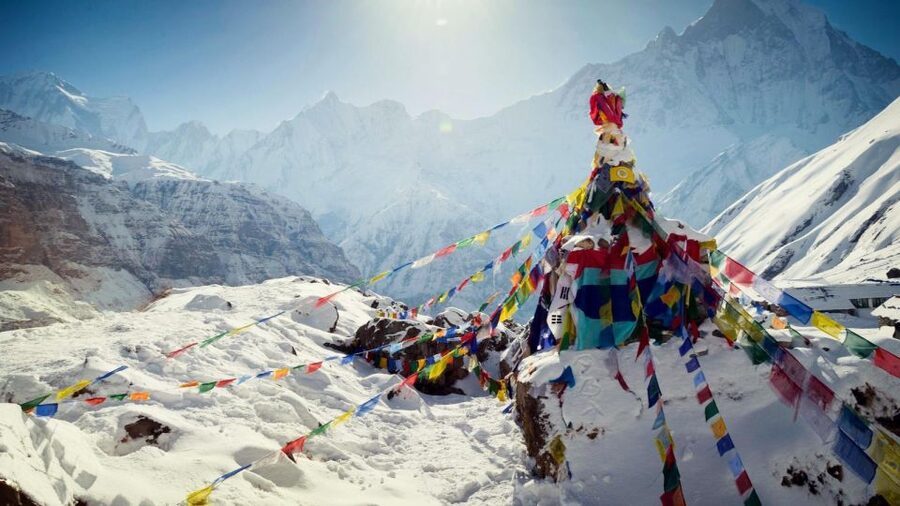
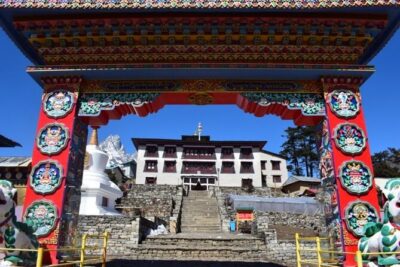
Tengboche at 3,870 meters (Day 5) is the first place in this route where the day often feels like a scene shift. You’re high enough to appreciate big views of the Everest region, and you’re also close enough to feel that you’re still on a working trail, not just a summit grind.
Day 6 from Tengboche to Dingboche at 4,410 meters keeps the ladder moving. This is where you should get serious about your breathing pace and your clothing system. If you run warm, you’ll still want layers you can vent and seal as wind changes.
Then Day 7 at Dingboche is your second acclimatization anchor. You rest in place instead of forcing another full climb that day. That one choice can be the difference between feeling motivated on the later high days and feeling fragile.
When you’re aiming for Everest Base Camp and Kala Patthar, acclimatization isn’t a bonus. It’s the tool that keeps the trip enjoyable.
Lobuche to Gorak Shep and Everest Base Camp at 5,364 Meters
Day 8 takes you to Lobuche at 4,940 meters. This higher stop changes how the trek feels, even if the trail style is similar. You’ll probably notice quicker fatigue and you’ll want to slow down early rather than paying for it later.
Day 9 is the payoff day. You start with the walk from Lobuche to Gorak Shep at 5,170 meters, then hike up to Everest Base Camp at 5,364 meters and return to Gorak Shep. This is not a short detour. It’s a focused mission day with a clear goal.
What you’ll love most here is the feeling of standing in the Everest orbit. You’re not just watching the mountain from far away. You’re in the high place where the Everest story gets real for many people.
What you should respect is the energy cost. You’re going high, then you’re coming back down before ending the day at Gorak Shep. Plan to move steadily, keep water intake up, and avoid the urge to sprint in short bursts.
Kala Patthar at 5,545 Meters, Then Down to Pheriche
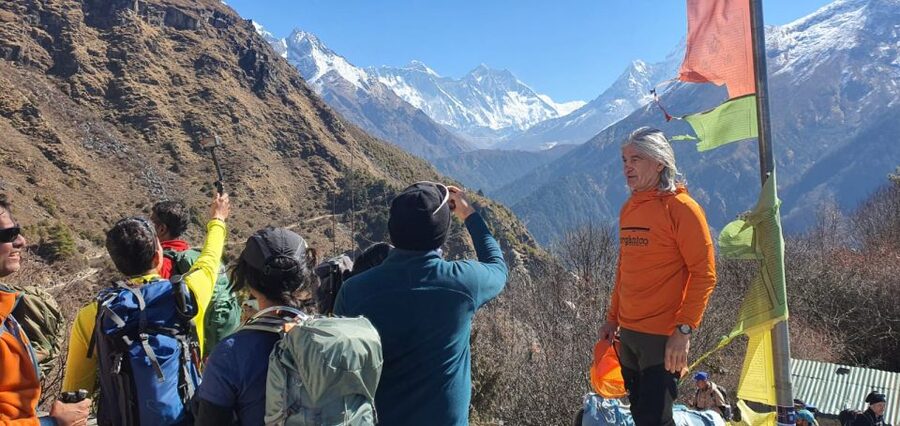
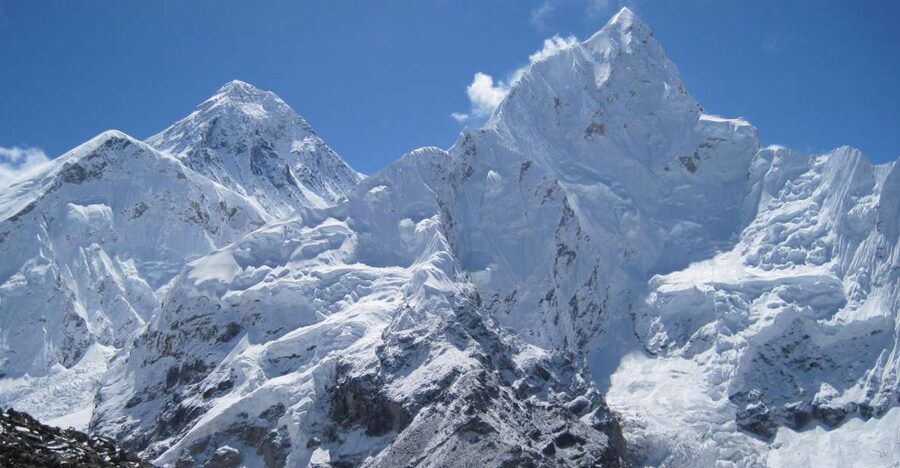
Day 10 includes the most important view climb: Kala Patthar at 5,545 meters. This is where the trek’s final “big picture” happens. From here, you’re chasing panoramic views of the Everest range, with nearby giants like Lhotse and Nuptse often in the conversation, plus Ama Dablam when conditions allow.
After that high moment, you descend to Pheriche at 4,371 meters. This downshift is huge for recovery. It helps you close the loop on altitude stress and sets you up for the last descent days.
The smartest way to handle a day like this is to save energy for the climb to Kala Patthar and then treat the descent as your recovery work. If you overexert on the way up, you’ll pay for it on the down.
Tea Houses, Meals, and the Hot Shower Reality
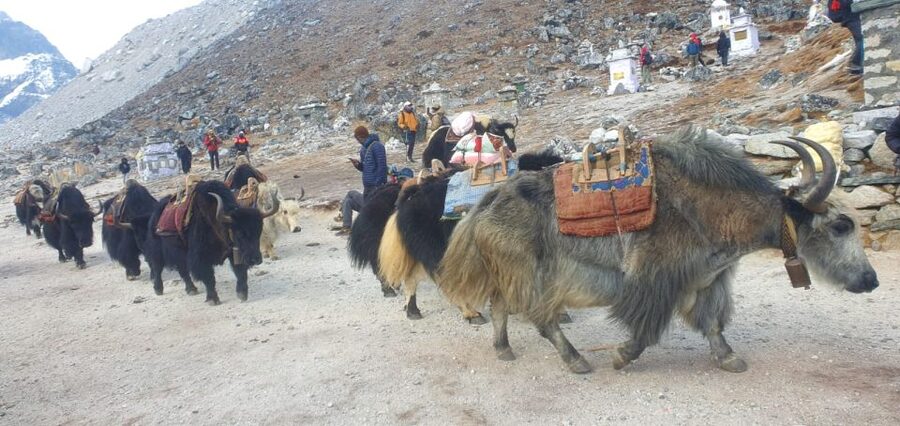
Your trek uses lodges or tea houses for overnight stays. These can be cozy, practical places to reset, and they’re part of the authentic rhythm of the Khumbu trail network.
But the key comfort detail is food and water, not hotel luxury. During the trek, breakfast, lunch, and dinner are not included. That means you’ll be choosing meals at the lodges along the route, which usually leads to predictable mountain-style choices like noodles and warm soups.
Hot showers during the trek are also not included. So you’ll likely do the cold-water version of “freshen up.” Bring wipes, and treat personal hygiene as part of your comfort plan, not an afterthought.
If you’re sensitive to cold at night, remember that high altitude plus wind can drain you fast. Your sleeping bag and layered clothing matter a lot.
Guides, Porter Support, and Why English Help is a Big Deal
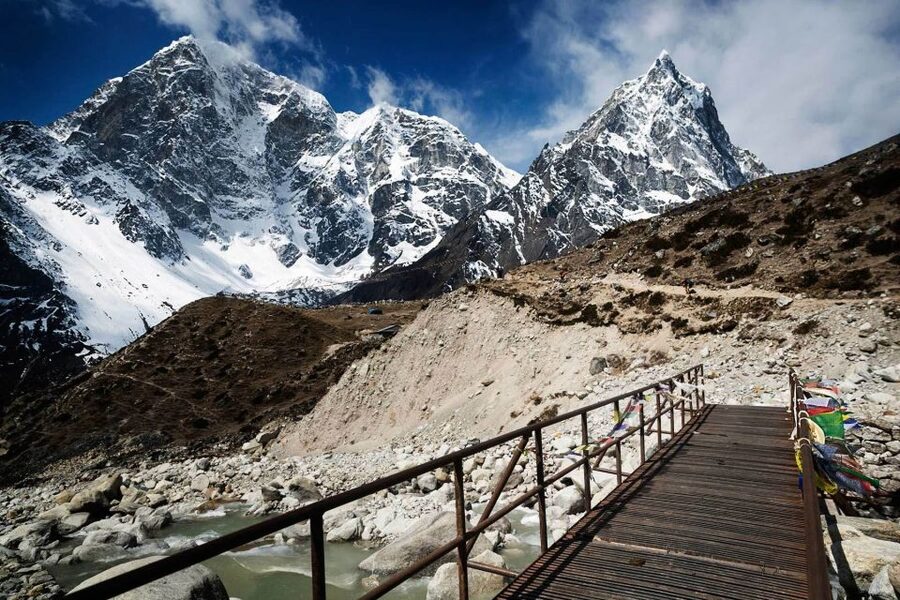
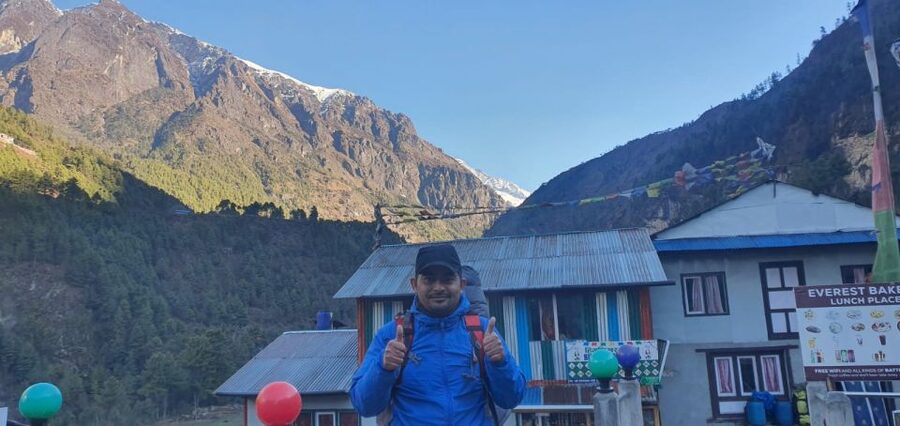
This trip includes an experienced, helpful, English-speaking guide. That matters because altitude trips need quick adjustments: pacing, weather updates, route priorities, and how to interpret how you’re feeling.
The reviews attached to this kind of trek often praise the guide for clear English and calm leadership. Names like Padam and Anjan show up in guide credits for similar departures with this operator, and that’s a good signal for communication quality.
Porter support is an essential part of how these treks stay human. The package indicates that salaries, food, drinks, accommodation, transportation, and insurance for the guide and porter are included, but it also lists porters as not included. That conflict is a practical one for you to clarify before you go.
My advice: ask your operator what you personally need to pay for the porter, if anything. Then pack with that answer in mind. If porters are truly available but you still pay an additional fee, you’ll want to budget it. If porter costs are fully covered, you’ll want to pack lighter knowing someone else carries most of the weight.
Gear Tips That Match the Provided Packing List
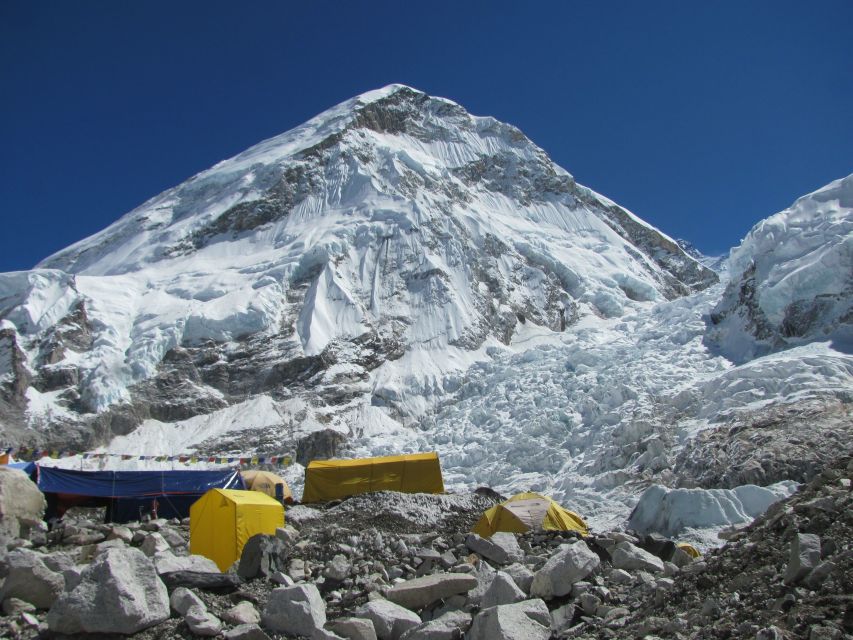
You’ll be walking on exposed mountain paths with strong sun and cold mornings, so the packing list here is right on target. Bring sunglasses, a hat, sunscreen, and insect repellent. Even in cold season, sun can be intense at altitude.
You’ll also want proper footwear, hiking shoes and socks you trust. Your clothing should be simple and layered: t-shirts, long pants, and shorts. The provided guidance also suggests bringing at least 2 t-shirts, which makes a big difference when one shirt gets damp or cold.
Don’t forget toilet paper. It’s listed for a reason, and having it means fewer awkward last-minute purchases.
The trek may include gear support if you need it: a jacket, a sleeping bag, and a duffle bag to use if required. Still, don’t assume you’ll be issued everything automatically. Confirm what’s included for your departure and what you should bring yourself.
Finally, plan for dust and dry air. Even without a long laundry schedule, small hygiene routines keep morale up.
Price and Value: What $1,296 Includes, and What It Doesn’t
At $1,296 per person for a 14-day Everest Base Camp with Kala Patthar trek, you’re paying for a full high-altitude logistics package, not just trekking days. Value here comes from what’s built into the price.
Included items cover things that are hard to DIY safely at altitude:
- Airport pickup and drop-off in Kathmandu
- Domestic airport pickup and drop-off
- 2 nights standard accommodation in Kathmandu with breakfast
- Paperwork and national park entry permits
- Flight ticket Kathmandu to Lukla and back
- Lodges/tea houses during the trek
- Guide support plus porter and logistics support for them
- Potential use of jacket and sleeping bag if required
What’s not included is where your real day-to-day budget will show up:
- Meals during the trek (breakfast, lunch, and dinner)
- Lunch and dinner while in Kathmandu
- Drinks, alcoholic or non-alcoholic
- Hot showers
- Valid travel insurance with medical evacuation
Here’s the practical value calculation I’d use: if you want fewer moving parts, a guide, permits handled, flights organized, and lodge bookings arranged, this price can make sense. If you plan to do meals and beverages anyway and already have solid insurance plus your own gear, the price still covers major “process” work.
But you should budget extra for food. Since meals aren’t included during the trek, you’re paying as you go. That’s common on Himalayan treks, but it’s still your call how much you spend per day.
Who This Trek Fits Best, and Who Should Pass
This trek is not suitable for pregnant women, people with heart problems, or people with mobility impairments. That’s not negotiable, because altitude and steep trails create health risks.
If you’re generally healthy, used to hiking, and you can commit to slow, steady pacing, you’ll likely find the acclimatization plan helpful. The rest days at Namche Bazaar and Dingboche are signs the route respects altitude rather than pretending it’s just a longer walk.
If you’re the kind of traveler who wants comfort at all times, this trip might feel strict. Tea houses are functional, showers are limited, and cold is real.
If, however, you want a serious trek with real Everest views and Sherpa village life, this fits well.
Should You Book This Everest Base Camp and Kala Patthar Trek?
I’d book it if you want a guided Everest route with clear altitude steps, and if you’re ready to handle basic lodge life, cold nights, and the no-hot-shower reality. The included guide support, permits, flights, and Kathmandu lodging are all strong value anchors, especially if you prefer not to coordinate these pieces yourself.
I would think twice if:
- you’re uncomfortable with possible flight delays tied to Lukla conditions
- you don’t have the right medical coverage with medical evacuation
- you’re hoping meals, drinks, and comfort amenities are included
If you’re mentally flexible, physically prepared, and you treat acclimatization as part of the challenge, this trek can deliver exactly what you’re chasing: a walk through Sherpa country, a clear Everest-region goal, and a Kala Patthar finish that feels like the right ending.
FAQ
How long is the Kathmandu to Everest Base Camp with Kala Patthar trek?
The trek lasts 14 days.
What is the highest point on this trek?
Kala Patthar is listed at about 5,545 meters, and Everest Base Camp is listed at about 5,364 meters.
Are flights included?
Yes. Flights from Kathmandu to Lukla and back to Kathmandu are included.
What accommodations are included in the price?
You get 2 nights in standard accommodation in Kathmandu with breakfast, and lodge or tea house accommodations during the trek.
Are meals included during the trek?
No. Breakfast, lunch, and dinner during the trek are not included, and lunch and dinner in Kathmandu are also not included.
Is hot water or hot shower access included during the trek?
Hot showers during the trek are not included.
Who is this trek not suitable for?
It is not suitable for pregnant women, people with heart problems, and people with mobility impairments.
More Hiking & Trekking Tours in Kathmandu
More Tour Reviews in Kathmandu
Not for you? Here's more nearby things to do in Kathmandu we have reviewed


Hiking & Trekking, compared.
 ★ 5.0Everest Base Camp Trek – 14 DaysFrom $1,8001,499 reviews
 ★ 5.0Everest Base Camp TrekkingFrom $1,350485 reviews
 ★ 5.0Nagarkot Sunrise View and Day Hiking from KathmanduFrom $45471 reviews
 ★ 5.0Annapurna Circuit Trek with Tilicho LakeFrom $1,093368 reviews
 ★ 5.0Everest Base Camp Trekking – 13 DayFrom $1,399365 reviews
★ 5.0Everest Base Camp Trek -14 DaysFrom $1,420321 reviews
★ 5.0Everest Base Camp Trekking – 13 DayFrom $1,399365 reviews
★ 5.0Everest Base Camp Trek -14 DaysFrom $1,420321 reviews
 ★ 5.0Annapurna base camp trek 5 DaysFrom $699252 reviews
 ★ 5.0Everest Base Camp Trekking – 2025/2026From $1,339199 reviews
Browse the lists this tour appears in