
REVIEW · KATHMANDU SPIRITUAL & MONASTERY TOURS
Kathmandu: 1, or 3-Day Yoga, Meditation & Reiki Retreat
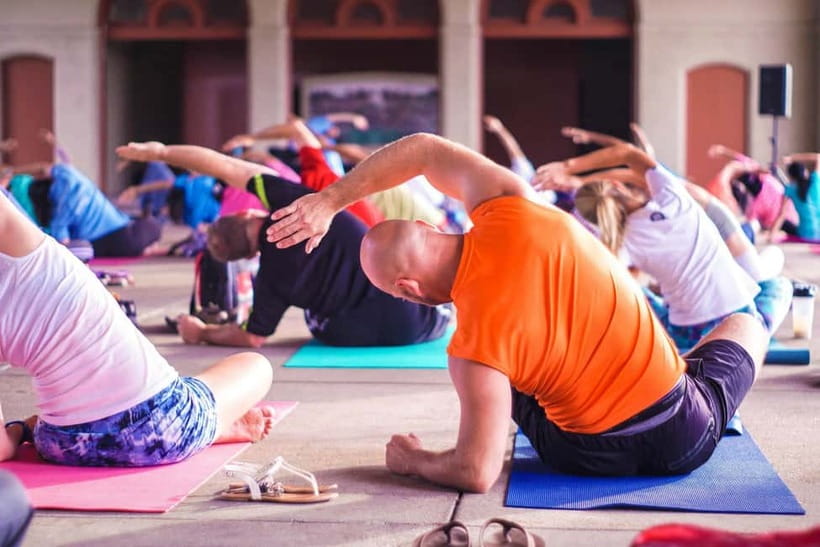
Kathmandu has a way of slowing you down fast, and this yoga, meditation, and Reiki retreat is built for that. I like the stress-free hotel pickup and drop and the personal attention from the instructors, which matters when you are new to asanas or breathwork. One thing to consider: the 1-day plan can feel like a lot packed into a single day, so if you want a lighter pace, the longer option is the safer bet.
The core promise here is a clear sequence. You will do yoga asanas and breath practices, then meditation and chanting, and you will receive a Reiki healing session intended to support deep relaxation and mental calm. I also appreciate the focus on Sattvic vegetarian meals, because feeling grounded is easier when your day is not fueled by heavy food and caffeine.
Key things to know before you go

- Hotel pickup and drop: You get transported to and from the retreat center without figuring out Kathmandu logistics.
- Himalayan-style practice: Asana, pranayama, meditation, breathing techniques, chanting, and yogic philosophy are all part of the training.
- Reiki healing therapy: A gentle energy-based session is included, aimed at releasing tension and reducing stress.
- Sattvic meals: You get healthy vegetarian meals during the retreat, which helps you stay in the same calm rhythm.
- Two options for time: Choose the 1-day schedule or the more gradual 3-day reset with accommodation included.
Getting to the retreat in Kathmandu without turning it into a project

What makes this retreat easy to say yes to is the hand-holding, at least at the start. Your day begins with pickup from your Kathmandu hotel or apartment, then a transfer to the yoga retreat center. It is a simple but important move, because Kathmandu can be busy and confusing when you are trying to keep your mind quiet. You are told to wait in the hotel lobby about 5 minutes before the scheduled pickup, which helps you avoid delays.
When you arrive, there is check-in and a short orientation. That orientation matters more than it sounds. It sets expectations for what you will do that day, and it supports a more “personalized” feel, even though the schedule is shared.
The retreat is described as set in a serene mountain environment, and the timing reflects that philosophy. Mornings start early, then you get structured sessions, meal breaks, and evenings where you can settle back down. If you want a retreat that actually feels like retreat time, not a sightseeing tour wearing yoga clothes, this is built for that.
A few more Kathmandu tours and experiences worth a look



Yoga, breath, meditation, and chanting, what you are really practicing
This is not just a class. It is a foundation-style introduction to Himalayan Yoga, meditation, and Reiki. That shows up in the range of activities across the schedule.
Here is what you can expect from the yoga and mind-body portion:
- Yoga asana sessions: You will practice physical postures with guidance, not just free stretching.
- Pranayama and breathing techniques: You are taught breath control methods designed to support focus and calm.
- Meditation: Guided meditation is part of the retreat flow, not an optional add-on.
- Chanting: Chanting and relaxation sessions appear, especially in the 3-day program, which can help you shift out of “thinking mode.”
- Yogic philosophy: You also get a framework for understanding yoga as something more than movement.
What I like about this structure is that it gives you multiple entry points. If you are drawn to the physical side, the asanas carry you. If you feel overwhelmed, the breathing and meditation steps can help you settle. If you want something that feels more spiritual, chanting and philosophy give that extra layer.
A practical note: the schedule is labeled as a guideline, and timing can shift depending on the program you choose and availability. In real life, that often means things flow around the group and the instructors’ pacing, which can be good if you do not need a rigid timetable.
Reiki healing therapy, what this session is designed to do

Reiki is included as part of the retreat, described as a gentle yet powerful energy practice. The language used around it is about “life-force energy,” with an emphasis on relaxation, releasing tension, reducing stress, revitalizing the body, and bringing mental clarity and calm.
If you are new to Reiki, here is the practical way to think about it. You are not being asked to do complex homework. Your job is to receive. That reception still works best when you are rested, which is why the retreat schedule is paced with meals, meditation, and downtime.
The 1-day timetable includes Reiki between lunch and the afternoon meditation. In the 3-day option, Reiki also appears, and one important detail from a high-rating experience is that the Reiki component can include two seating sessions within the 3-day program. If Reiki matters most to you, choose the longer plan.
Also, notice the word gentle. That is a clue that Reiki here is meant to complement the quiet work of meditation, not replace it. You should expect an experience that supports your system to feel safer and calmer, so the rest of your yoga practice lands more easily.
Your schedule breakdown, 1-day 8-hour option vs 3-day reset

Time is the biggest decision for this retreat. The experience offers both a 1-day format and a longer 3-day program, and the pacing changes your entire feeling of the retreat.
The 1-day retreat flow (about 8 hours)
A typical day runs like this:
- 11:00 AM pickup
- 11:30 AM briefing and introduction
- 12:00 PM yoga asana session
- 2:00 PM Sattvic lunch
- 3:00 PM Reiki healing therapy
- 4:00 PM meditation
- 5:00 PM yoga asana flow
- 7:00 PM drop back to your hotel
This is the option if you want a strong taste of everything. It is also the plan most likely to feel “busy,” especially if you are sensitive to back-to-back sessions. In my view, the 1-day format is best when you treat it like a reset day, then plan a quiet evening afterward.



The 3-day retreat flow (a slower rhythm with accommodation)
Day 1:
- 11:00 AM pickup, 11:30 AM briefing
- 12:00 PM yoga asana session
- 2:00 PM Sattvic lunch
- 3:00 PM Reiki retreat
- 4:00 PM meditation
- 5:00 PM yoga asana flow
- 7:00 PM dinner
Day 2:
- 7:00 AM yoga asana session
- 8:00 AM chanting and relaxation
- 9:00 AM Sattvic breakfast
- 12:00 PM yoga asana session
- 2:00 PM Sattvic lunch
- 4:00 PM meditation
- 6:00 PM yoga asana flow
- 7:00 PM Sattvic dinner
Day 3:
- 7:00 AM yoga asana session
- 8:00 AM chanting and relaxation
- 9:00 AM Sattvic breakfast
- 12:00 PM drop back to your hotel
The advantage of the 3-day schedule is that it gives you multiple “settle” points across days. You also get a calmer ramp into early starts, and it tends to make the meditation and chanting feel less like tasks and more like practice.
One more detail that helps you manage expectations: the retreat center can host other training programs at the same time. Some experiences note that different people and nationalities may be there, which can be inspiring, as long as you expect a mix of learners.
Sattvic meals and tea, why food is part of the therapy

Food is not an afterthought here. Meals are vegetarian and described as Sattvic, which usually means lighter, balanced meals that support clarity and calm. In practice, that matters because your body reacts to the day’s rhythm. If you eat heavy, you feel sluggish in meditation. If you eat balanced, it is easier to stay present during breathwork.
In both the 1-day and 3-day options, you will get:
- a Sattvic lunch
- Sattvic meals throughout the longer plan (including breakfast and dinner on Day 2, plus dinner on Day 1)
- herbal tea as part of what is included
Some people also mention tea and water being available. Either way, expect a calmer drinking and eating rhythm than a normal travel day. It is a good way to keep the retreat from feeling like a performance.
The retreat also gives you time to rest in your room and in outdoor areas. For a 3-day plan especially, this downtime can be a big part of why it feels restorative. If you are coming to Kathmandu looking for quiet, this kind of built-in stillness helps you actually get it.
Your room on the 3-day plan, plus the quiet time that makes it work

If you choose the 3-day retreat, accommodation is included: 2-night deluxe room accommodation. That matters because it means you are not squeezing your relaxation between hotel changes and travel days.
A “deluxe” room can mean different things from place to place, but the practical benefit is comfort and privacy. People describe having enough time to enjoy calm on their room, in gardens, or even on balconies. That is not just nice. It helps your nervous system settle after sessions like asana flows and Reiki.
You will also spend time resting between activities, and that structure helps the day feel less chaotic. Yoga retreats work best when you do not rush between every moment. The schedule here, especially in the 3-day version, gives you enough breathing space to let the practice stick.
Also, remember the retreat center may be hosting yoga-related training at the same time. That can mean a lively learning environment during the day, then calmer quiet as activities end. For many people, that mix of purposeful activity and rest is exactly what they want.
Pricing and value in Kathmandu, what you should check before you commit
The price shown is very low at $4.90 per person. That might make you curious, and you should be curious. With any deal that looks unusually inexpensive, double-check what plan you are actually selecting and what is included in that specific option.
From what is listed as included, you should expect real value components:
- hotel pickup and drop service
- daily yoga and meditation practices
- Reiki healing therapy
- vegetarian meals
- herbal tea
- experienced yoga instructors
For the 3-day retreat, you also get 2-night deluxe room accommodation, which adds substantial value compared with booking a retreat day only.
One caution based on how schedules feel in real life: the 1-day retreat includes a lot in a short window. If your main goal is deep stillness, the packed format can feel like too many sessions chained together. In that case, the 3-day schedule is the better match for your expectations, even if you start with the same program theme.
If you are price-sensitive and want a strong start without spending big, this retreat can look like excellent value. If you are looking for a super light, slow experience, spend your money on the longer option.
Who should choose this retreat, and who should skip it
This retreat is a strong fit if you want:
- a structured introduction to yoga, meditation, pranayama, and yogic philosophy
- Reiki included in the package
- a schedule that supports calm with meals and downtime
- English or Hindi support during the experience
It may also suit beginners, since the sessions are set up with brief orientation and instructor guidance. One of the common positives here is helpful, friendly support for new students.
Who should skip it:
- pregnant women
- people with mobility impairments
- children under 4
- people over 95
If you are on the fence and have any physical limitations, do not assume yoga retreats will adapt. The listing clearly flags mobility impairments and pregnancy, so follow that guidance.
Also, consider your energy level. The 3-day plan starts with early mornings on Days 2 and 3. If that timing sounds stressful, the 1-day option might be a calmer first step.
Practical checklist for a smooth day in Bagmati Zone
You will keep things simple if you pack and plan like a retreat, not like a city day.
Bring:
- a camera
- cash
- your passport (a copy is accepted)
Wait for your driver in the hotel lobby about 5 minutes before pickup. That small habit reduces stress, and stress is the opposite of what you are paying for.
Language support is English and Hindi, so if you speak either, you will feel more comfortable asking questions.
Also note what is not included: personal expenses. So budget for anything you might want to buy separately while you are in Kathmandu.
One more thing I appreciate is the free cancellation option. It can help if you are still arranging your Kathmandu itinerary. And there is a reserve now, pay later option, which is helpful if you like to lock in a retreat slot early without paying immediately.
Should you book the Kathmandu Yoga, Meditation and Reiki Retreat?
Book it if you want a real practice-based retreat in Kathmandu, not a vague wellness day. The combination of yoga asanas, meditation, chanting, and Reiki is clearly built into both the 1-day and 3-day schedules. The included pickup and meals make it easy to stay calm and focused.
Choose the 3-day retreat if you want breathing space between sessions and a schedule that feels more reset than rush. The accommodation and additional time for quiet can make a big difference in how restorative it feels.
Choose the 1-day retreat if you want a taste and you can handle a busy day. It is a lot of activities in one stretch, so it is best for short trips or when you want a structured introduction.
Before you book, double-check which plan you are selecting and what Reiki format is included for that plan. If Reiki is your priority, the longer option is the one to lean toward. If you want calm on a budget, this retreat looks like strong value, as long as your expectations match the pace.
FAQ
How long is the retreat?
The experience is listed as 8 hours. The schedule can vary by the starting time and by whether you choose the 1-day or 3-day plan.
Where does the retreat take place?
It is located in Bagmati Zone, Nepal.
Does the retreat include hotel pickup and drop-off?
Yes. Pickup and drop service from your hotel is included.
What is included in the retreat besides yoga?
You get daily yoga and meditation, a Reiki healing therapy session, vegetarian meals, and herbal tea.
Is Reiki included?
Yes. Reiki healing therapy is included as part of the retreat.
Does the 3-day plan include accommodation?
Yes. The 3-day plan includes 2-night deluxe room accommodation.
What language will the host or greeter use?
The host or greeter speaks English and Hindi.
Who should avoid this retreat?
It is not suitable for children under 4 years old, pregnant women, people with mobility impairments, and people over 95 years old.
What should I bring?
Bring a camera, cash, and your passport. A copy of the passport is accepted.
What is the cancellation policy?
Free cancellation is available up to 24 hours in advance for a full refund.
More 3-Day Experiences in Kathmandu

More Tour Reviews in Kathmandu
Not for you? Here's more nearby things to do in Kathmandu we have reviewed


Kathmandu Spiritual & Monastery Tours, compared.
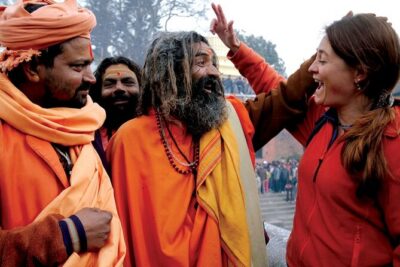 ★ 5.0Kathmandu Spiritual Sites: Bodhnath & Pashupatinath TourFrom $60185 reviews
 ★ 5.0200 Hours Yoga Teacher Training at Nepal Yoga Home (starts on 1st of everymonth)From $2,000125 reviews
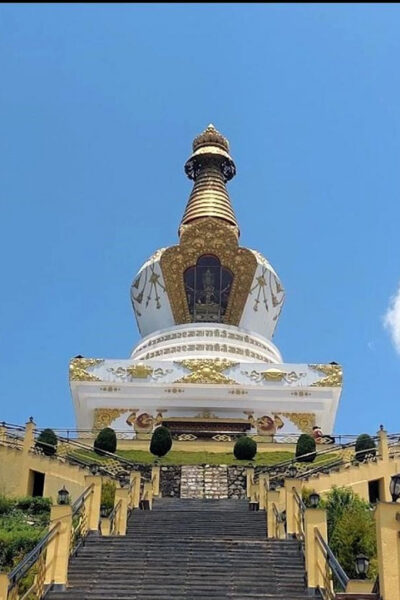 ★ 4.82 Stupas and Kopan Monastery Spiritual TourFrom $6115 reviews
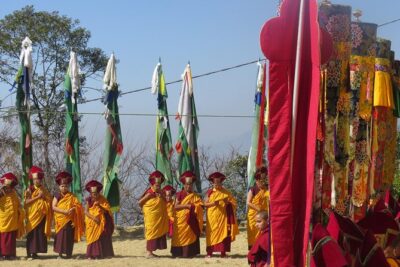 ★ 5.0Lunch with Nuns – MonasteryFrom $13575 reviews
 ★ 5.03 night 4 Day Yoga & Ayurveda Retreat to Detox the Body & Mind, NepalFrom $30037 reviews
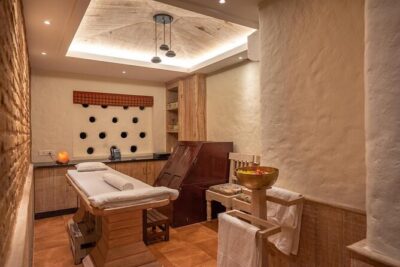 ★ 5.010 Days Ayurveda & Yoga Retreat in Kathmandu, NepalFrom $1,00024 reviews
 ★ 5.0Namo Buddha and Thrangu Tashi Yangtse Monastery Half-Day TourFrom $10424 reviews
 ★ 4.7Spiritual Nepal: Expert insight into Multifaith JourneyFrom $15024 reviews
Browse the lists this tour appears in