
REVIEW · CHITWAN SAFARI TOURS FROM KATHMANDU
From Kathmandu/Pokhara: 3-Day All-Inclusive Chitwan Safari
Chitwan wildlife begins with a long bus ride. This 3-day, all-inclusive Chitwan experience takes you from Kathmandu or Pokhara to Sauraha for Tharu culture, a peaceful canoe on the Rapti River, and a guided Jeep safari in Chitwan National Park with guides like Laxman (and often Som) calling animals out before you even know what to look for. You also get conservation context at an elephant breeding center, plus a Tharu cultural dance show in the evening.
I like the value for $149 because park fees, entry tickets, guide time, two nights in a lodge, and the main activities are handled. I also love how much variety you get for only 3 days: cultural evening, canoe wildlife time, and Jeep safari hunting for rhinos, crocodiles, elephants, and birds. The main thing to watch is the travel day, the road can be bumpy and some buses lack charging options, so plan your expectations for comfort.
Key Things You Should Know Before Chitwan
- Small-group pace (up to 10 people) means more time for questions and less waiting around.
- Laxman-led spotting is a standout strength, guests repeatedly praise how he finds animals at long distance.
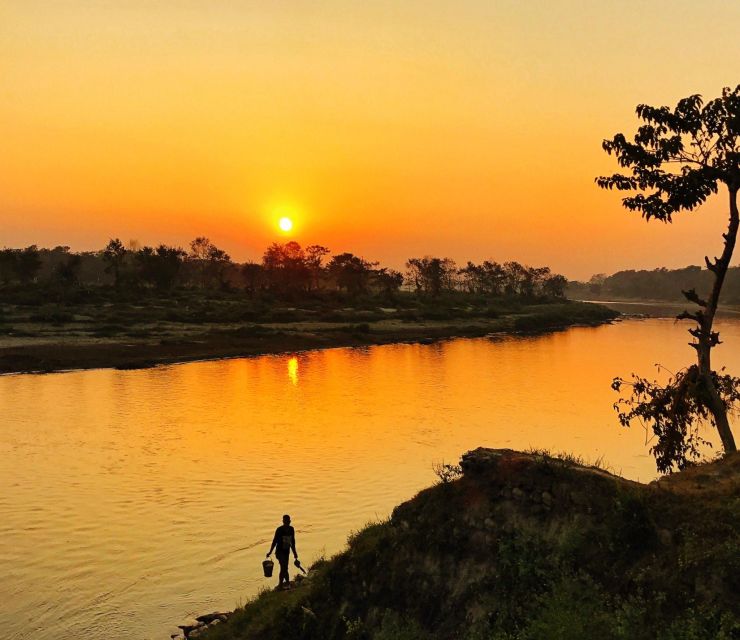
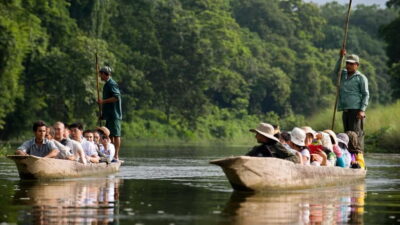
- Rapti River canoe time can be your best wildlife window for birds and crocodiles, with a calmer feel than the Jeep.
- 4-hour Jeep safari is the core park experience, but you should treat tigers as a lucky bonus, not a guarantee.
- Eden Jungle Resort style lodging shows up in multiple accounts, with generally friendly staff and good meals for the price.
Getting to Chitwan the Right Way, Kathmandu or Pokhara Included
This trip is built around a simple idea: you do not waste days getting to Chitwan. If you start in Kathmandu, expect roughly 7 hours to reach Sauraha, and from Pokhara it is around 6 hours, with real-world timing depending on road conditions and traffic. You board a tourist bus, and yes, you may share it with Nepali passengers, which is part of the local travel feel.
When you arrive at Sauraha, your guide or representative meets you with a sign and escorts you to your hotel. That matters because Sauraha is not a big city where you can easily wing it after a long ride. After the safari, you return by bus to Kathmandu (Balaju, near Thamel) or to Pokhara Bus Park, then you take a taxi or local ride to your hotel.
Here is my practical tip: treat the bus days as part of the tour, not travel between destinations. Bring something to keep you comfortable for hours, and charge what you can before you board, because at least some guests report there is no electricity on the bus. If you are sensitive to road chaos, you will still survive it, but your best strategy is to plan for it.
A few more Kathmandu tours and experiences worth a look
Day 1 in Sauraha: Tharu Culture, Dinner Plans, and Jet Lag Sanity
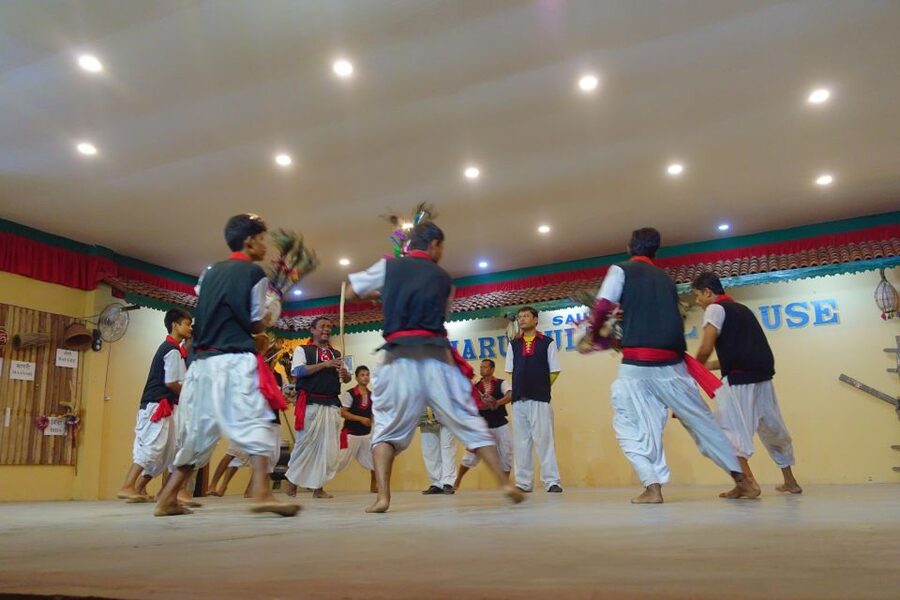
Your first day is about two things: settling in and getting your bearings for Chitwan life. After you arrive and check in, you will have time to look around the lodge area and start adjusting to the heat and different pace. Then the evening gives you an easy, social intro to the region through a Tharu cultural dance show.
This show is more than entertainment. It is a straightforward way to understand the living culture of the Tharu people, who have long ties to the landscapes around the park. I like that it gives you a human frame for why Chitwan matters, not just a wildlife checklist.
Dinner is included on day 1, which helps you avoid the first-day decision fatigue that can happen after long travel. If you are traveling as a solo visitor, this kind of evening program also helps you meet other people in your small group without forcing extra plans.
Rapti River Canoe Time: Where Wildlife Odds Get Better Than You Expect
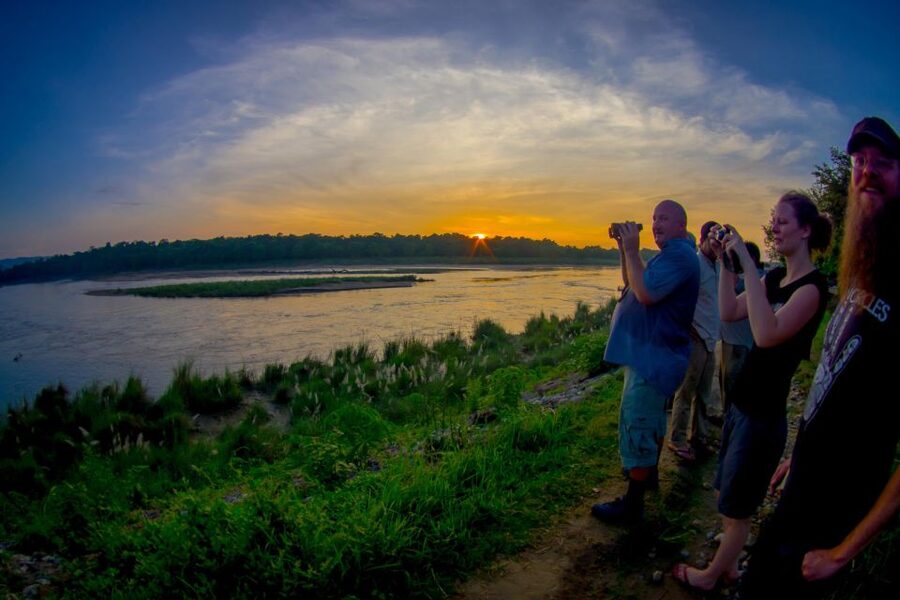
Day 2 starts with breakfast, then you head to the Rapti River for a traditional canoe ride. The tone changes fast from the earlier bus-and-lodge rhythm to something quieter. Canoeing gives you a chance to spot birds, and many guests mention crocodiles as a realistic possibility during this part of the day.
What makes this segment valuable is how it trains your eyes. On a canoe you are closer to the action than you might be from a Jeep seat, and you have to watch patiently for movement. With a good guide, you also learn the local clues, like how animals behave around the water and which spots tend to be active.
It is also a nice balance against the later Jeep safari. A Jeep ride is bouncy and active, while canoe time is slow enough to enjoy the scenery and sounds without constantly scanning for the next animal. If you want one day where you feel like Chitwan is a living system, this is a strong candidate.
Elephant Breeding Center Visit: Conservation Lessons With Real Questions
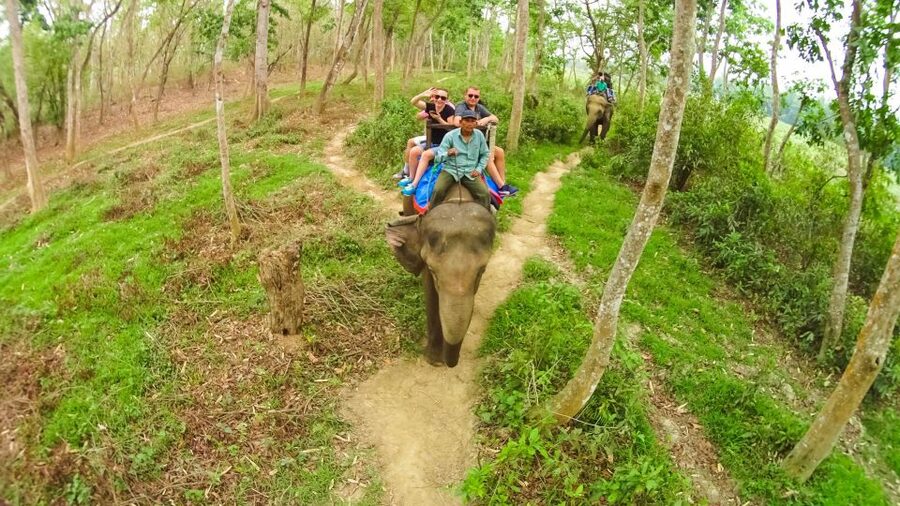
After the canoe, the program includes a stop at an elephant breeding center. You will learn about elephant care and conservation efforts, and you may see young elephants. For many people, this is the emotional center of the tour because elephants are instantly relatable, even if you are not a wildlife expert.
Now, be smart about how you read this part of the experience. One account raised serious concerns about treatment, including the use of chaining, separation, and being hit with sticks for not eating. That is not a small complaint, and it is worth taking seriously before you commit your dollars to any conservation or breeding facility.
My advice: go in prepared to think critically. If elephant welfare is a deal-breaker for you, treat this stop as the portion most likely to leave you conflicted, and decide accordingly. If you can hold complexity, the learning piece can still be meaningful, especially when paired with a park-focused day that emphasizes protection of habitat and wildlife.
4-Hour Jeep Safari in Chitwan National Park: How to Get the Most From the Park
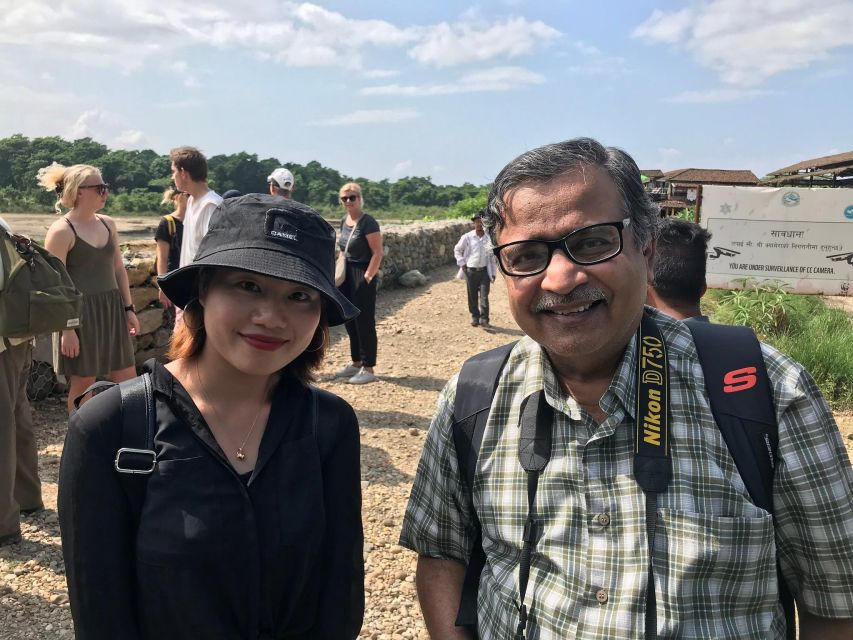
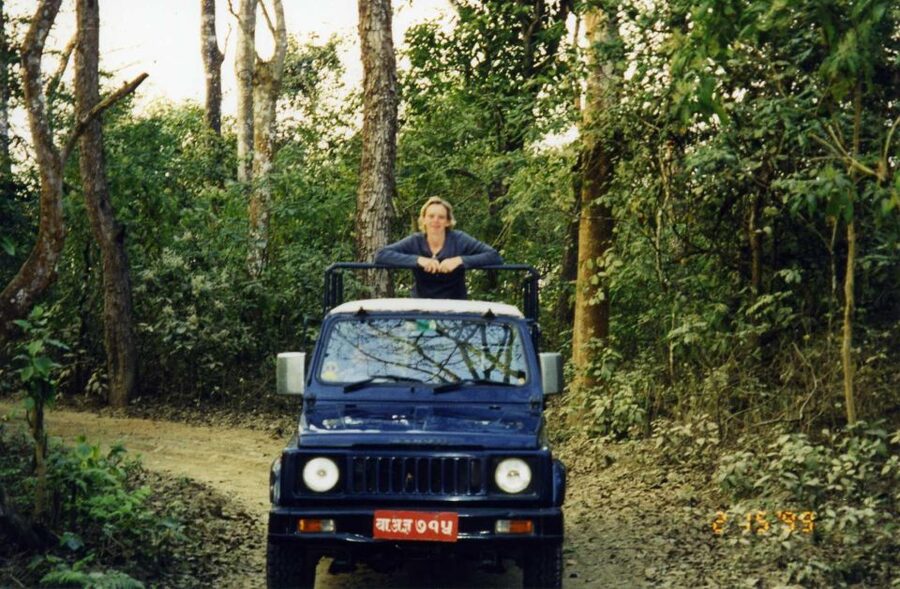
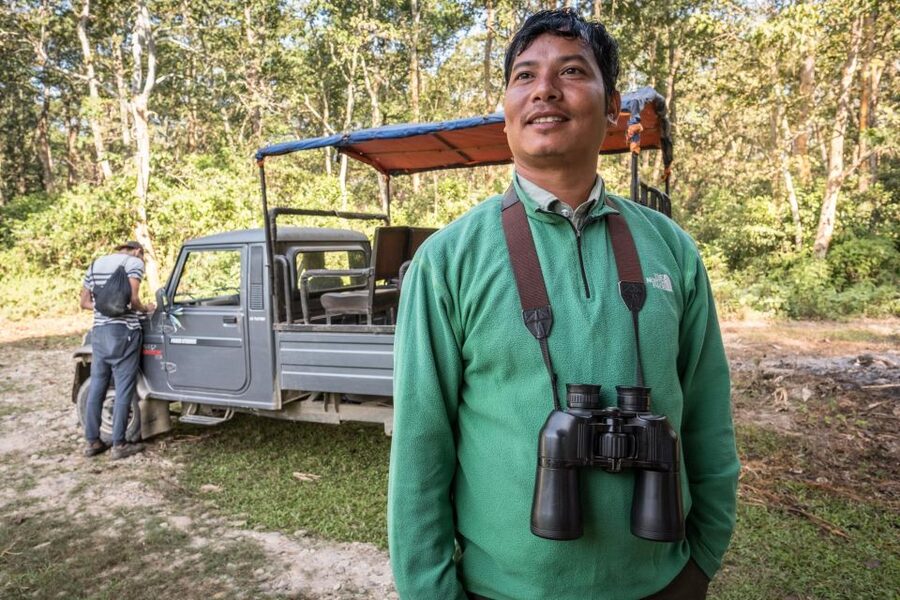
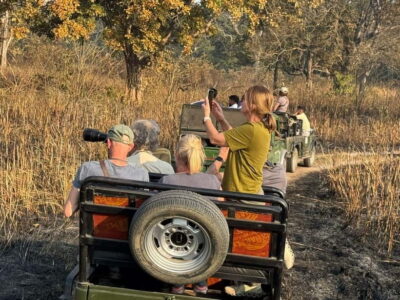
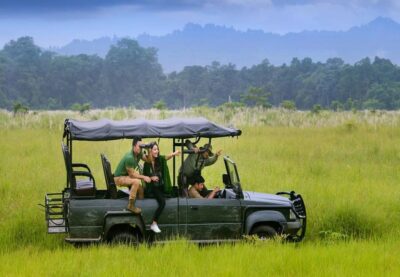
The main day in the park is the 4-hour Jeep safari through Chitwan National Park. This is where your guide’s skills really matter. Guests repeatedly praise Laxman for spotting animals from far away and identifying species even when visibility is limited. When the guide is good, you spend less time guessing and more time understanding what you are seeing.
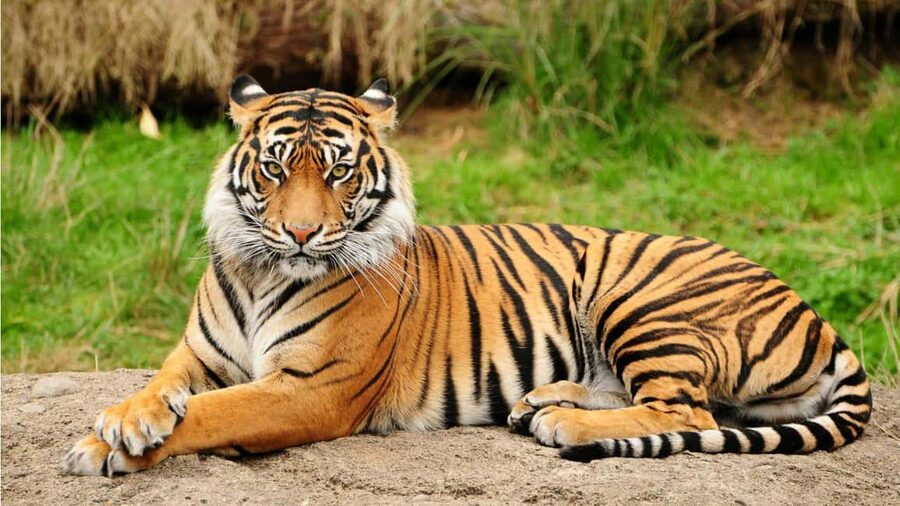
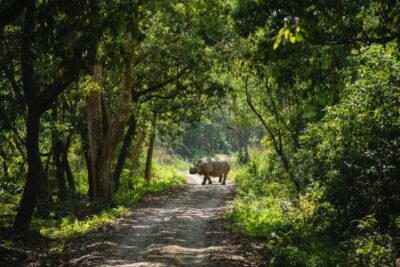
What you should realistically hope to see includes rhinos, elephants, crocodiles, deer, monkeys, and lots of birdlife. Multiple guests specifically mention rhinos as a common highlight, sometimes more than once. Tigers do happen in Chitwan, but one of the strongest practical takeaways from accounts is this: if you visit during an off-season period, tiger sightings are less likely.
So aim your expectations at what is consistent. A good Jeep safari in Chitwan is about sightings plus learning: animal signs, where they tend to hang around, and how behavior changes through the day. Also, enjoy the ride itself. The Jeep safari is not just transportation, it is a moving observation platform.
Clothing tip that actually helps: wear light, breathable fabrics in earthy tones like khaki or green, and keep long sleeves and pants to reduce sun and insect hassle. Closed-toe shoes make a difference too, because you will likely do short steps and transfers during the program.
A few more Kathmandu tours and experiences worth a look
Where You Sleep and Eat: Eden Jungle Resort Style Comfort, With Some Tradeoffs
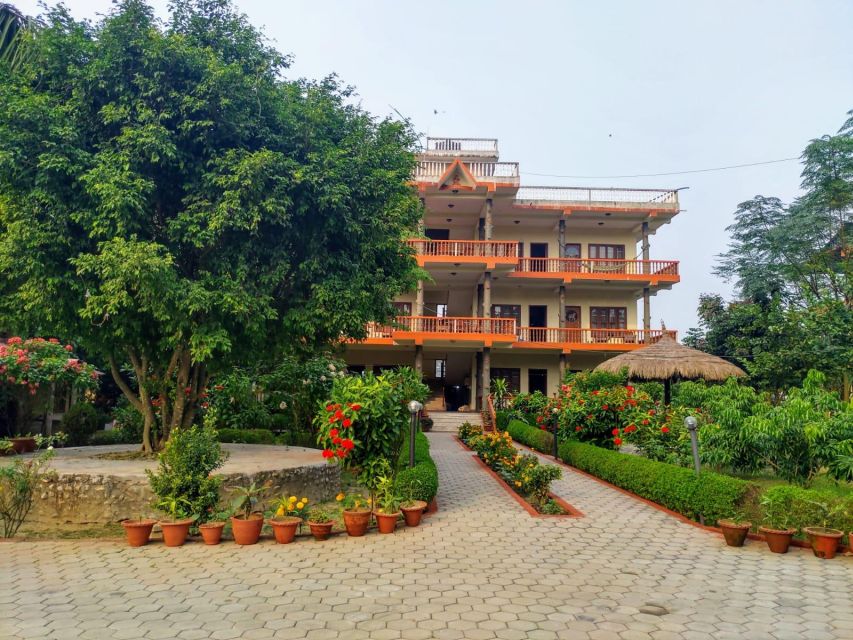
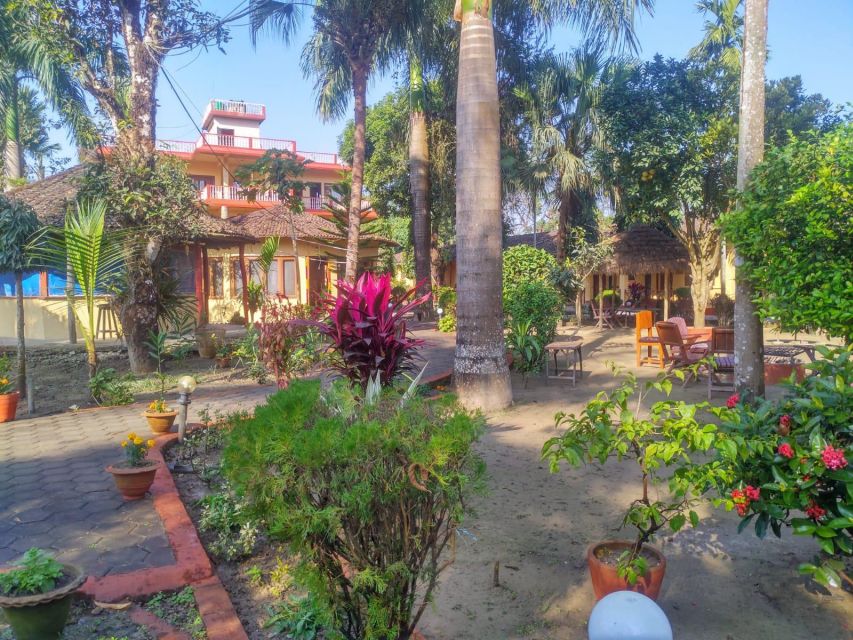
This tour includes two nights of hotel accommodation, with meals built in. From guest feedback, many people stay at or near Eden Jungle Resort, and they often describe the staff as friendly and attentive. Food quality comes up often, with accounts calling meals delicious and generous for the price.
That said, not every lodge room is a luxury hotel room. Some guests describe rooms as basic, and one mentions repetitive meals. Another complaint is minor but real: ants in the room can happen in jungle areas, and you may need to accept that as part of the setting.
My take: this is a safari lodge experience, not a city hotel stay. If you come expecting clean, functional comfort with good meals and helpful staff, you will probably be happy. If you need fancy linens and constant creature comforts, you may feel underwhelmed after a day outside in the heat.
Value for $149: What You Pay For, and What You Save By Letting Others Handle It
Price is where this tour can feel unusually good, especially if you would otherwise have to piece together transport, park fees, and guides on your own. At $149 per person, you get round-trip tourist bus transport from either Kathmandu or Pokhara, a guide, entry fees and national park fees, two nights accommodation, and key activity costs.
You also get a structured day flow. Breakfast, lunch, and dinner are included across your two safari nights, which removes a bunch of small spending decisions. Several guests highlight that the experience feels well-organized and that it was hard to find separate costs to pay, beyond personal expenses.
The biggest “cost” you should consider is time and fatigue, not money. You are signing up for long road hours each way. If you are trying to maximize every minute of a Nepal trip, you will still feel the time commitment, but you are also getting real park time and culture without extra planning.
Safety, Respect, and the Kind of Wildlife Viewing You’re Choosing
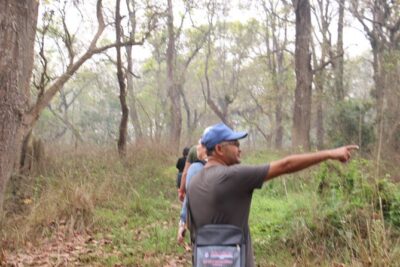
Many guests mention feeling safe walking around in the jungle with their guide, and multiple comments credit guides like Laxman and Som for careful, alert guiding. Safety here is not about fearlessness, it is about being guided by people who know what wildlife looks like and how animals and terrain behave.
You should also know how animal welfare shows up in opinions. A number of guests praise animal-welfare-respecting approaches, while the elephant center concern shows that not all parts of the program will feel equally comfortable to every visitor. If ethical wildlife viewing matters deeply to you, the elephant center stop is the place you should focus your attention.
Bottom line: the Jeep and canoe portions are clearly built for observation, and the guide component is a strong selling point. For welfare-minded travelers, the best approach is to bring your questions with you and decide what you feel good supporting.
Best Fit: Who This Chitwan Safari Works For, and Who Should Think Twice
This tour is a good fit if you want a focused 3-day Chitwan hit: culture, canoe time, and a Jeep safari, without long days added on for logistics. The small group size up to 10 people also suits solo travelers who want companionship without being stuck in a crowd. One solo female traveler specifically describes feeling safe with the Nepali staff and recommends it highly.
It is also a strong fit if you enjoy guided wildlife spotting. If you want to see more than just generic animal shapes, a guide who can identify species matters. Guests repeatedly praise Laxman for pointing out details you would likely miss.
Think twice if you have mobility impairments, if your child is under 5, or if you are in the over 95 range, since the tour is not listed as suitable for those situations. Also think carefully about the elephant breeding center stop if animal welfare is your top priority.
Should You Book This Chitwan Safari?
I would book it if you want organized park time with a strong guide and you are comfortable with the tradeoff of long, bumpy bus rides. The canoe plus Jeep combination makes sense, and the Tharu cultural dance show gives you a human layer that most quick wildlife trips skip.
I would pause before booking if you are strongly uncomfortable with the idea of elephant breeding or if welfare concerns would ruin the trip for you. If you do book anyway, go in with open eyes and a clear willingness to think about what you are supporting.
If your priority is a real Chitwan experience in only 3 days, with meals and park access handled, this one is hard to beat for the money.
FAQ
How long is the Jeep safari?
The package includes a 4-hour Jeep safari in Chitwan National Park.
Does the tour include park entry fees and national park fees?
Yes. Entry fees and national park fees are included.
What meals are included during the 3 days?
You get 2 breakfasts, 2 lunches, and 2 dinners.
How long is the bus ride from Kathmandu or Pokhara?
The travel time is approximately 7 hours from Kathmandu and 6 hours from Pokhara, and it can vary with road and traffic conditions.
Where is the pickup and drop-off?
Pickup is included from multiple Kathmandu or Pokhara locations, and drop-off is included in Kathmandu (Balaju near Thamel) or Pokhara Bus Park. You can choose your pickup option in Kathmandu or Pokhara and your drop-off destination.
Is there an English-speaking guide?
Yes, the tour includes a live English guide.
What animals might I see in Chitwan?
You might see rhinos, elephants, crocodiles, deer, monkeys, bears, and many bird species. Tiger sightings are possible, but not guaranteed, especially depending on the season.
How big is the group?
The group is small, limited to 10 participants.
What should I bring for the safari?
Bring a hat and a camera, and have your passport (a copy is accepted). It is also recommended to wear lightweight, breathable clothing in neutral, earthy colors and use sturdy closed-toe walking shoes.
Is this tour suitable for young children or limited mobility?
No. It is not suitable for children under 5, people with mobility impairments, or people over 95 years.
More 3-Day Experiences in Kathmandu
More Safari Adventures in Kathmandu
More Tour Reviews in Kathmandu
Not for you? Here's more nearby things to do in Kathmandu we have reviewed


Chitwan Safari Tours from Kathmandu, compared.
 ★ 5.03-Day Chitwan National Park Jungle Safari Tour Package with Pick UpFrom $180184 reviews
 ★ 4.63-Day Chitwan Safari Tour with Hotel TransfersFrom $151127 reviews
 ★ 4.7Kathmandu/Pokhara: 3 Day Chitwan Jungle Safari TourFrom $12987 reviews
 ★ 5.03 Nights 4 Days Chitwan National Park with Tower Night StayFrom $35041 reviews
 ★ 4.7From Kathmandu/Pokhara: Private 3-Day Chitwan Safari TourFrom $16834 reviews
 ★ 4.52 Days Chitwan Jungle Safari Tour from Pokhara/KathmanduFrom $11727 reviews
 ★ 5.012-Day Nepal Adventure Trek with Jungle SafariFrom $95026 reviews
 ★ 4.8From Kathmandu/Pokhara: 2, 3, or 4-Day Chitwan Jungle SafariFrom $3524 reviews
Browse the lists this tour appears in