
REVIEW · KATHMANDU SPIRITUAL & MONASTERY TOURS
10 Days Ayurveda & Yoga Retreat in Kathmandu, Nepal
A reset in Kathmandu, with your dosha in mind. This 10-day program at Nepal Ayurveda Home pairs Ayurveda and siro-dhara focused care with daily yoga, meditation, and a detox plan designed around your body type.
I like that all meals and accommodation are included, so you can let your brain stop juggling logistics. I also like the tailored treatments approach: you learn your Vata, Pitta, or Kapha nature, then get guidance on diet, yoga posture, breathing, meditation, and massage. One possible drawback: this is first and foremost a wellness retreat, not a sightseeing tour, so if you want lots of day trips, you will have to plan those around your practice.
Quick hits on this Kathmandu Ayurveda and Yoga retreat
- All meals and lodging included, which is rare at this price point and makes the stay feel self-contained
- Dosha education (Vata, Pitta, Kapha) guides what you eat, how you breathe, and which practices you prioritize
- Doctor-led detox planning, then therapists follow with different therapies based on your needs
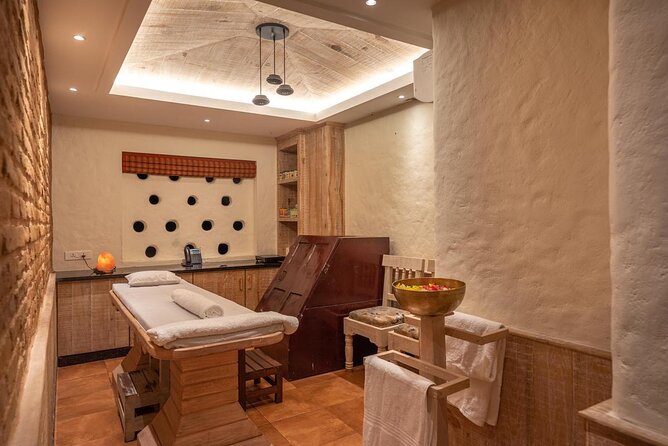
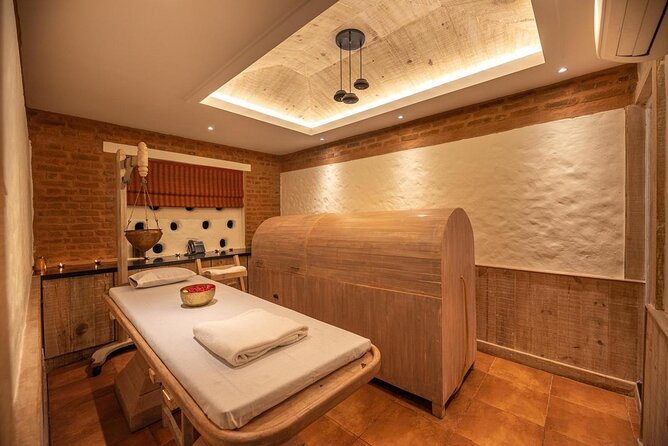
- Hands-on therapies that can include siro-dhara and therapeutic massage matched to your nature and complaints
- A family-run feel, with staff names like Prakash (host), Rinita (panchakarma treatments for one guest), Shankar, and Raj showing up in the support network
Where Nepal Ayurveda Home sits, and why it affects your routine
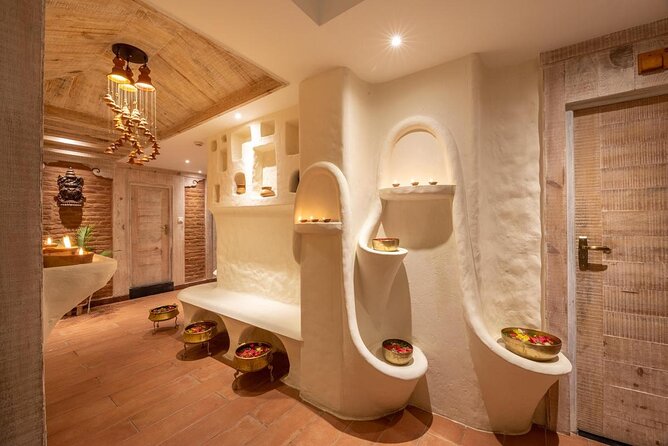
Nepal Ayurveda Home is in the Tarakeshwar area of Kathmandu, with the retreat center described as near major heritage sights and also on the outskirts at the foot of the Nagarjun Forest Reserve. That combination matters more than you might think.
In a city like Kathmandu, it is easy to feel overstimulated. A retreat center that is close enough to reach heritage highlights, but removed enough to slow down, helps you stick with the schedule. And this program is built around routine, not random classes. You are learning Ayurveda tools you are supposed to use daily, so the environment supports the lesson.
You also get the practical bonus that the center is near public transportation, which makes it easier to manage your own meals or optional personal sightseeing if you choose to do that.
You can also read our reviews of more tours and experiences in Kathmandu.

A realistic 10-day rhythm: yoga, meditation, and Ayurvedic education
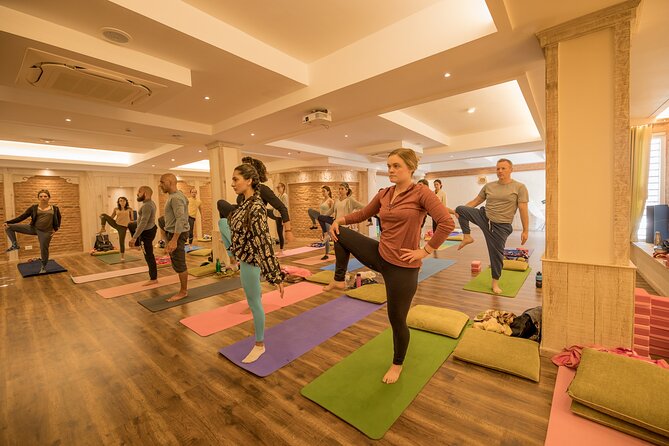
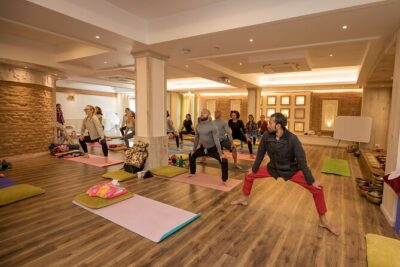
The core of your days is straightforward: daily yoga and Ayurveda sessions, plus meditation and relaxation work. Expect classes designed to teach more than stretching and breathing. You are learning how these practices connect to your body’s nature and habits.
Here is the vibe I would plan for over 10 days, even without a printed day-by-day schedule in front of me:
- The earlier part tends to focus on grounding: learning your dosha nature, introducing yoga postures and breathing patterns, and starting meditation, relaxation, and chanting to reduce stress.
- The middle part is usually where the body work gets more specific: therapeutic massage and detox therapies follow the doctor’s advice.
- The final part is about integration: diet and lifestyle advice, how to balance five elements tied to emotions and thoughts, and ways to keep the practice going after you leave.
The retreat also keeps a strong mental component. Ayurveda here is not just about herbs. You also learn frameworks for stress, anger, lethargy, nerves, and thought patterns, which is why chanting and meditation show up alongside physical therapy.
What the yoga and breathing lessons actually help with
Yoga postures and breathing are not presented as random workouts. They are matched to your dosha, so the goal is to calm what is “overactive” and strengthen what is “underactive,” based on your personal assessment. Even if you have never done Ayurveda before, the teaching is practical: it points you toward specific yoga and breath habits you can repeat later at home.
Dosha basics: Vata, Pitta, Kapha, and why you care
Ayurveda divides the body-mind into three common dosha types:
- Vata (airy)
- Pitta (fiery)
- Kapha (earthy)
You are not asked to guess. The retreat teaches you how to identify your nature of body firey, airy, or earthy, and then uses that information to shape advice. That means your food guidance, yoga posture suggestions, and breathing recommendations should feel relevant, not generic.
The retreat also uses a more behavioral layer. It teaches you to balance the five elements in the body, linking:
- anger to fire
- emotions to water
- lethargy to earth
- nerves to air
- thoughts to ether
That mapping can be surprisingly useful because it turns “I feel off” into something you can work with. You are not just resting, you are learning what to do when stress spikes, energy drops, or focus gets scattered.
A practical takeaway you can use right away
Even without becoming an Ayurveda expert, you can leave with a simple habit: notice your mental state, then choose a matching practice. If you feel tense or scattered, you focus on the breathing and meditation guidance that fits Vata-like imbalance. If you feel heated or agitated, you lean into the calming approach that fits Pitta-like imbalance. If you feel sluggish, you use the guidance that supports more grounded Kapha-like balance. The retreat’s education is built for that kind of day-to-day use.
Detox and therapies: doctor advice, massage, and siro-dhara
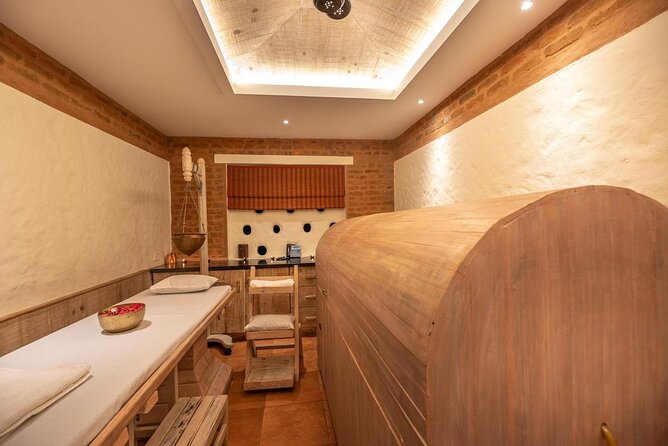
One of the most compelling parts of this retreat is how medical-style planning connects to real bodywork. A doctor designs your Ayurveda detox based on your problem, and therapists then follow different therapies under that advice.
In practical terms, this is not a one-size-fits-all detox. You should expect a personalized plan, with the therapy type and intensity shaped around what you bring to the retreat.
Siro-dhara: what to expect
The program includes Siro-dhara, described as dropping herbal oil and medicine in the third eye. If you have never experienced it, plan for a very focused, time-bound treatment where the goal is relaxation and stress release. Even if you cannot predict exactly how it will feel for you, this is the kind of therapy that typically becomes the centerpiece of a retreat.
Therapeutic massage matched to your nature
You also get therapeutic massage according to your dosha nature and the problems you report. That matters because it suggests the massage is not purely a spa add-on. The massage is positioned as part of the body’s balancing and recovery.
A detail I appreciated in the experience descriptions is the human support around treatments. Names like Rinita come up in connection with panchakarma treatments for one guest, which gives you a hint that skilled therapists are actively involved in the detox workflow.
The detox plan is education, too
A detox can scare people off, but here the detox is paired with teaching. You are learning diet, lifestyle, and yoga practices to improve health and mindfulness. That is what makes the retreat more than a temporary reset. You learn what to do differently after you return.
Meals and lodging: why included food is a big deal on wellness retreats
The retreat includes breakfast, lunch, and dinner, along with accommodation. That might sound like a basic package, but for Ayurveda it is essential.
Ayurveda is diet-linked. If you have to decide what to eat every day, you lose momentum. When meals are part of the retreat structure, your bodywork and learning have more chance to work as a system.
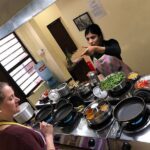
The food is described as tasty in the experience notes, and the atmosphere around the kitchen appears to be supportive, not stressed. That matters if you are doing detox-style care, where your body may be sensitive and your routine needs to stay calm.
If you are the type who needs flexibility, note that day trips and sightseeing are not included. So you are relying on the retreat meals and schedule as your baseline, then adding optional extras on your own if you want them.
Kathmandu logistics without the chaos: timing, group size, and getting there
This experience starts at 12:15 pm at Nepal Ayurveda Home, Road 5, Tarakeshwar 44600, Nepal, and ends back at the meeting point. You will typically arrive, settle in, and begin the retreat rhythm rather than start with immediate sightseeing.
The group size has a maximum of 25 travelers. That usually means you get a sense of community without feeling swallowed by a massive crowd.
Also, the center is near public transportation. That helps if you need to run out for something simple like a pharmacy item, a personal purchase, or an internet fix. You are not completely cut off.
One more practical note: this listing uses a mobile ticket, so keep your confirmation details handy on your phone.
Price and value: what $1,000 covers in the real world
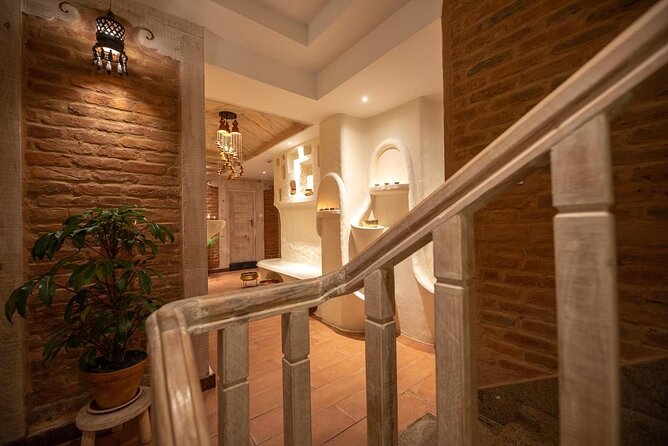
At $1,000 per person for approximately 10 days, the price can look either high or fair depending on what you compare it to. Here is the value math that matters:
- Accommodation and all meals are included. In Kathmandu, that can cut down costs quickly compared to paying nightly lodging and meals separately.
- You get yoga and Ayurveda lessons, not just treatments.
- You receive therapeutic massage and the kind of detox planning and supervision that includes a doctor’s role.
- You also get a flagship therapy: Siro-dhara.
So the retreat is not only paying for a room and classes. It is paying for a structured wellness service: education plus personalized balancing. That is why this price can feel reasonable if your goal is a genuine reset, not a quick yoga vacation.
Where the “value” question gets personal is what you want from your time. If you want a Kathmandu cultural itinerary with guided temples and long city days, this is not that. If you want a stable, supported routine that focuses on wellbeing, the package aligns well.
Who should book this retreat, and who should think twice
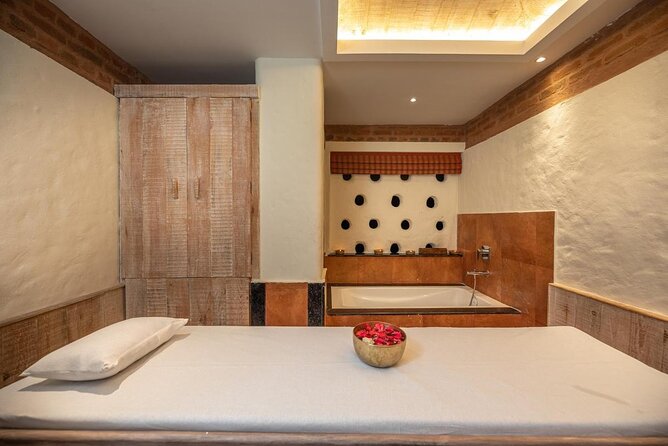
This retreat is especially suited for:
- Solo travelers who want to focus on wellbeing without having to coordinate activities
- People who want a dosha-based framework for diet, breathing, meditation, and yoga
- Anyone who values a retreat that includes doctor-led detox guidance plus hands-on therapies
It may be less suited for you if:
- You want mostly sightseeing and day trips, because those are not included
- You prefer a light-touch wellness experience and might not be thrilled by detox-style care and structured treatments
- Your schedule has no flexibility, since it requires good weather and the experience may be canceled if a minimum number of travelers is not met
Should you book this Kathmandu Ayurveda and Yoga retreat?
If you want a 10-day wellness reset with structure, education, and hands-on support, this retreat is a strong match. The combination of daily yoga and Ayurveda lessons, included meals and accommodation, and personalized detox planning makes it easier to actually follow through.
I would book if you are curious about dosha and want tools you can carry home, not just a one-off massage day. I would pause if your main goal is to cram in Kathmandu sights, because this program centers on staying with the routine and letting your body and mind settle.
If you do decide to go, bring an open mind, wear comfortable clothes for yoga, and give yourself permission to be a student of your own patterns. That is the point of learning your Vata, Pitta, or Kapha nature, and the retreat is built to help you use that knowledge in real life after Kathmandu.
FAQ
What is included in the 10 Days Ayurveda & Yoga Retreat in Kathmandu?
The retreat includes breakfast, lunch, dinner, yoga and Ayurveda lessons, and accommodation.
Is airfare included?
No, airfare is not included.
What activities are part of the retreat each day?
The retreat includes daily yoga and Ayurveda sessions, plus meditation, relaxation, and chanting as part of the program.
How does the retreat personalize detox and treatments?
A doctor designs your Ayurveda detox plan based on your problem, and therapists follow different therapies under the doctor’s advice. You also learn your dosha nature (Vata, Pitta, or Kapha), which guides advice on yoga posture and breathing.
What is Siro-dhara?
Siro-dhara is described as dropping herbal oil and medicine in the third eye.
Are massages included?
Yes. You get therapeutic massage according to your nature of body and the problems you have.
Where does the retreat start and end?
It starts at Nepal Ayurveda Home, Road 5, Tarakeshwar 44600, Nepal, and ends back at the meeting point.
What time does the retreat start?
The start time is 12:15 pm (local time).
How big is the group?
The maximum group size is 25 travelers.
What is the cancellation and weather policy like?
Cancellation is free. You can cancel up to 24 hours in advance for a full refund. The experience requires good weather, and if it is canceled due to poor weather, you are offered a different date or a full refund. It also depends on a minimum number of travelers.
More Tour Reviews in Kathmandu
Not for you? Here's more nearby things to do in Kathmandu we have reviewed


Kathmandu Spiritual & Monastery Tours, compared.
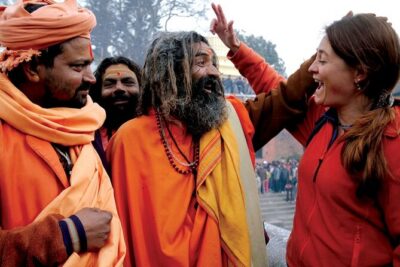 ★ 5.0Kathmandu Spiritual Sites: Bodhnath & Pashupatinath TourFrom $60185 reviews
 ★ 5.0200 Hours Yoga Teacher Training at Nepal Yoga Home (starts on 1st of everymonth)From $2,000125 reviews
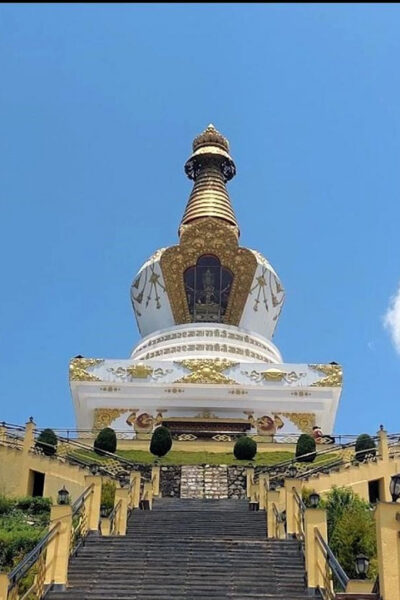 ★ 4.82 Stupas and Kopan Monastery Spiritual TourFrom $6115 reviews
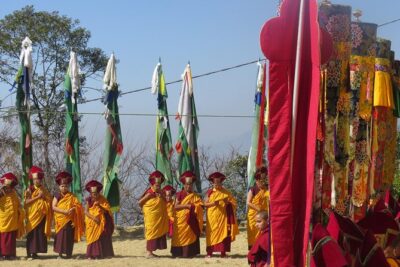 ★ 5.0Lunch with Nuns – MonasteryFrom $13575 reviews
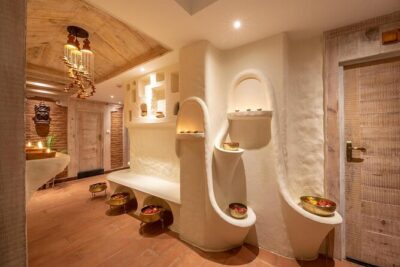 ★ 5.03 night 4 Day Yoga & Ayurveda Retreat to Detox the Body & Mind, NepalFrom $30037 reviews
 ★ 5.0Namo Buddha and Thrangu Tashi Yangtse Monastery Half-Day TourFrom $10424 reviews
 ★ 4.7Spiritual Nepal: Expert insight into Multifaith JourneyFrom $15024 reviews
 ★ 5.021 Day Ayurveda & Yoga Retreat in the Himalayan country, NepalFrom $2,10019 reviews
Browse the lists this tour appears in