

REVIEW · HIKING & TREKKING
Kanchenjunga Circuit Trek 19 Days
This trek feels refreshingly off the main trail. The Kanchenjunga Circuit is still newer than Nepal’s flashier routes, so you get big mountain days without the same level of crowds. I also love that you visit both the North and South Base Camp areas, so you see Kanchenjunga from multiple angles, not just one dramatic viewpoint. One real consideration, though, is the long, bumpy road travel to get in and out of the remote trekking regions.
In practice, the trip runs with a tight, supportive setup: pickup in Kathmandu, a small group size (up to 8), and a government-licensed guide plus a porter team. You’ll see solid “people care” in the operator’s approach, with guides such as Raj, Abinta, and Jangbu noted for knowledge and day-to-day attention.
Key highlights I’d prioritize before you go

Quieter trekking along a newer route
More breathing room on the trail, even in peak season.
North and South Base Camp variety
Multiple viewing days for Kanchenjunga instead of one “big day and done” moment.
Long jeep transfers to reach trailheads
Plan for comfort and motion on travel days, not just on hiking days.
Acclimatization stops with extra walking
A rest day at Ghunsa and another at Khambachen help your body adjust.
High passes with big-panorama potential
Sinion La (4440m), Mirgin La (4480m), and Sinelapche Bhanjyang (4645m) sit in the later stage.
Guides who know the region and pace well
The trip’s reviews repeatedly praise guides like Raj and Jangbu, plus strong communication from KP during planning.
Kanchenjunga Circuit: quieter trail plus big base-camp payoff

Kanchenjunga sits in Nepal’s far east, and the circuit route reflects that: you spend days moving through riverside paths, jungle woodland, and villages that are still developing for tourism. That “less worn” feeling is a major part of why I like this trek. If you’ve done the classics and want something calmer, this one often delivers.
The other headline is the base-camp double hit. You’ll work your way toward the Kanchenjunga South Base Camp area, then later hike to the North Base Camp (Pang Pema). Seeing the same mountain complex from different sides is a big deal when you care about geology, glaciers, and how weather changes what you can see.
The terrain is not a cakewalk. This is a physically demanding trek, with long days and significant elevation gain as you go higher. And because the trek is less crowded, you should also expect fewer services and less “buffer” if you need extra time or rest.
You can also read our reviews of more hiking tours in Kathmandu
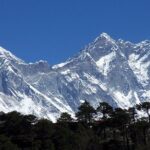
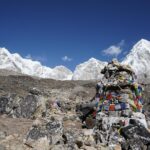
Getting there from Kathmandu: flights, passports, and long jeep days
The experience starts in Kathmandu with a straightforward handoff. If you share your arrival details, an airport representative meets you and transfers you to the 3-star hotel booked for the first nights. Day 2 is centered on permits, with the team collecting your original passport around late morning and then returning it later the same day.
On Day 3 you fly from Kathmandu to Bhadrapur (Chandragadhi Airport). The flight is about 45 to 50 minutes, and then you continue by jeep. The road segment is a big part of the emotional reality of this trek: you’re going to spend time in vehicles before you start walking properly. One review called out the long 4×4 jeep ride since the trekking areas sit remote from civilization. If you get motion-sick, pack something that helps, and bring a small amount of patience for the bumpy parts.
By Day 4, you’re still in travel mode, catching breakfast and then beginning the second-day ride toward Sekathum. From there, the trek finally shifts into hiking rhythm.
Tea houses, meals, and the small-group setup that keeps things smooth
This is a guided trek built around tea-house stays. During the hike, you’ll use tea houses for overnight lodging, which means a hot meal and a warm-ish bed are part of the plan, but the comfort level is basic compared with city hotels. The operator also includes a first aid kit with basic medication, and the guide and porter setup is licensed and first aid trained.
What I’d call “practical value” here is that many moving pieces are included: guide and porter salary, food, equipment, and insurance for the trekking staff. The team ratio is listed as 1 porter between every 2 trekkers, with government licensed support.
The trip is capped at a maximum of 8 travelers. That matters more than you might think. Fewer people means less waiting on trail pinch points, more flexibility on breaks, and less crowding at viewpoints and rest stops.
Food note you should plan around
The included meals are generous in count, but the food itself is described as very basic. You’ll have breakfast on 18 days, lunch on 17 days, and dinner on 16 days. If you want a calmer stomach, I recommend focusing on the veg foods options that are available at tea houses during the trek.
Day-by-day trek flow: Sekathum to Ghunsa and Khambachen

Days 1 and 2 are mostly Kathmandu prep. You’ll sleep well, get organized, and handle permits so your first mountain day can start clean. Then the journey pivots quickly into movement.
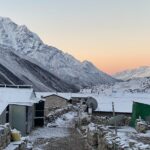
Day 3 to Day 4: Taplejung side, then Sekathum
After flying to Bhadrapur, you drive through the Kanyam area and continue via the Mechi Highway corridor before reaching the Taplejung region. By Day 4, you’re targeting Sekathum. Many treks let you start walking the same day, but here you still have travel time in the schedule, which is a trade-off for getting deeper into the region efficiently.
Day 5: Amjilosha and the first real hiking ascent
Day 5 begins the trek proper with hiking from Sekathum toward Amjilosha. This is the stage where you feel the Himalayan daily rhythm: bridges, river valleys, and the steady grind uphill. Early days like this are where foot care matters most. Slow, consistent steps keep your legs ready for the higher parts later.
Day 6: Gyabla (Kyapra) through forest and quiet trail
You continue to Gyabla, described as a route through dense forest and a trail without human settlement. That emptiness is part of the trek’s “off the beaten track” feeling. When the trail gets quieter, you also get more natural soundscape, birds, and the sense you’re walking through a living ecosystem.
Day 7: Ghunsa village as both scenery and acclimatization
By Day 7 you reach Ghunsa. Many trekkers use Ghunsa as a pacing and acclimatization stop, and the route context supports that idea. You’ll be moving through woodland and reaching Phale village before arriving at Ghunsa.
Day 8 to Day 9: Khambachen, open pine forests, and a rest day that helps
Day 8 brings the trek toward Khambachen via an ascent through open pine forest, with the chance to spot blue sheep and snow leopards (no guarantees, just possibility). The itinerary also flags that the trail passes through landslide-prone areas. That’s not meant to scare you, it’s a reminder to take trail conditions seriously and keep a steady pace.
Day 9 is a key adjustment day at Khambachen. Instead of only resting, the plan includes a short hike to nearby glaciers, viewpoints, and lakes. This is smart. You’re still gentle on your altitude stress, but you’re not just sitting idle for a whole day. It also keeps the trek feeling active and rewarding.
Lhonak and Pang Pema: the North Base Camp push

By the time you reach Day 10 and Day 11, the route shifts into the North Base Camp approach.
Day 10: Lhonak and meeting-season traffic
You move to Lhonak along the Kanchenjunga glacier track. This is one of the sections where the itinerary notes you can meet trekkers walking toward and returning from the North Base Camp, especially in the main season. So even though the circuit is often quieter overall, this leg can still feel more active.
Day 11: Hiking to the North Base Camp (Pang Pema)
Day 11 is your North Base Camp day. You climb gradually following moraines to reach Kanchenjunga Base Camp, also known as Pang Pema. Moraines can feel slow and uneven, but they’re also part of what makes the area so powerful to experience.
This is a day where weather matters. If clouds roll in, views can fade. If the air clears, the relief is huge. Keep expectations flexible and focus on steady movement.
Day 12: Return toward Ghunsa
After North Base Camp, you move back, arriving at Ghunsa on Day 12. Mentally, this can feel like a reset day. You get to let your body settle after the higher push while still staying in the mountain rhythm. The route also emphasizes the experience of walking past stone huts and open trails along the way.
Sele Le, high passes, and Yalung Glacier toward the later-season challenge

This is where the trek gets more demanding in a different way. You’re not just rising, you’re crossing, with big passes on the calendar.
Day 13: Sele Le and sparse teahouses
You arrive at Sele Le after leaving the trail to Gyabla. The itinerary points out a chance to see snow leopards while passing through dense forest. It also notes there are isolated settlements with a few teahouses, and some may be open only in certain conditions. The key takeaway: later in the circuit, you should be ready for basic infrastructure and small choices.
Day 14: Sinion La, Mirgin La, and Sinelapche Bhanjyang
Day 14 is a multi-pass day: Sinion La (4440m), then Mirgin La (4480m), and then Sinelapche Bhanjyang (4645m). The reward is the panorama that comes with those passes. This is also the stage where good pacing matters most. Even if the trail looks manageable, altitude makes everything feel heavier.
Day 15: Yalung Glacier and views toward Rathong and Kabru
You move onward to the Yalung Glacier on Day 15. The trek description highlights views of Rathong (6682m) and Kabru (7412m). This is the kind of moment where you stop thinking in terms of miles and start thinking in terms of angles, glaciers, and scale.
If you like photography, this day can be excellent. If you dislike crowds, it’s also a good fit because you’re not trekking through a built-up tourist corridor.
Finishing strong: rhododendron country, Tortong, Yamphudin, and Kanyam

After the high pass work, the later days shift toward downhill walking and valley travel.
Day 16: Downhill to Tortong through rhododendron forest
Day 16 moves downhill and ends at Tortong, with the walk passing through Simbuwa Khola with en route village stops like Simbuwa. The itinerary also calls out rhododendron forests, which often translates to a calmer, more restorative feel after days with steeper altitude pressure.
Day 17: Descend to Yamphudin via Amji Khola area
Day 17 continues the descent toward the Amji Khola, with stops through Lasiya/Lamite Bhanjyang (3415m) and Dhupi Bhanjyang (2665m). The plan mentions steep slope areas, which is one more reason to keep your steps deliberate and your trekking poles useful.
Yamphudin is your overnight on Day 17, giving you a village base before the final transfer.
Day 18: Trek beside Kabeli Khola, then drive toward Kanyam
On Day 18, you walk through landscapes along Kabeli Khola and then transition to a drive to Kanya m and onward to position for your flight out. The trekking portion is still active, but it feels like the “close the loop” phase, with less altitude strain.
Day 19: Bhadrapur flight back to Kathmandu, plus tea-growing country
Day 19 starts with breakfast and then some exploration of green tea cultivation area before a 2 to 3 hour drive to Bhadrapur. Then you fly about 45 to 50 minutes back to Kathmandu. It’s a satisfying ending, because you finish with a different kind of scenery, not just more mountain travel.
Price and value: is $2,000 fair for what’s included?

At $2,000 per person for a roughly 19-day circuit, the key question is value against what you’d otherwise pay separately.
Here’s what’s included that usually costs real money on a trek like this:
- Permits for trekking
- Tea-house accommodations during the trek
- Kathmandu hotel: 3 nights in a 3-star hotel with breakfast
- Meals: breakfast 18, lunch 17, dinner 16
- Guide and porter: government licensed, first aid trained, with salary, food, equipment, and insurance covered
- Transport: private jeep segments (Bhadrapur to Taplejung to Sekathum, and Yamphudin to Kanyam to Bhadrapur airport) plus flights Kathmandu to Bhadrapur and back
- Basic medical support: first aid kit with basic medication
Not included items that you should budget for:
- International airfare and the Nepal entry visa
- Travel and health insurance covering emergency rescues and evacuations
- Personal expenses like snacks, drinks, Wi-Fi, charging, hot shower options
- Tips for guide and porter (they’re appreciated)
So is it “worth it”? For most trekkers, the answer is yes if you want a turn-key operation with permits, domestic flights, staffed support, and meals handled. The price is also easier to justify because the trek includes both base-camp targets, which can take serious planning if you tried to piece it together yourself.
Comfort checklist that matches this trek’s reality
Based on how this circuit runs, here are the practical things that make a real difference:
- Prepare for long jeep transfers. If you hate car time, you may feel it most on travel days.
- Pack for basic tea-house food. The trip notes that food is very basic, so choose what your stomach handles well. Veg options are available and can be a smart strategy.
- Bring layers for pass days. The itinerary includes high passes and glacier country. Even if days start calm, higher sections can feel colder.
- Plan your pacing for altitude days. The schedule includes acclimatization and rest days at Ghunsa and Khambachen, but you still need a steady hiking style.
- Use poles if you have them. Steeper sections and landslide-prone areas make stable footing a big advantage.
If you want the emotional reward of this trek, focus on consistency more than speed. This route gives you time with the mountains, not a sprint schedule.
Who should book this Kanchenjunga Circuit Trek?
You’ll be happiest here if you:
- Want a quieter, less crowded trek compared with Nepal’s most famous routes
- Care about seeing Kanchenjunga from multiple angles through both base-camp directions
- Like the structure of guided day pacing with tea houses and included meals
- Are comfortable with remote travel days and long vehicle time
You might rethink booking if you:
- Strongly dislike long jeep rides
- Want more modern facilities and lots of creature comforts
- Prefer a very crowded “infrastructure easy mode” trekking experience
Should you book Nepal Nirvana Trails for the Kanchenjunga Circuit?
If your goal is a true Kanchenjunga circuit with a smaller group, supported logistics, and time spent in tea-house villages rather than just moving fast between bigger hubs, this operator looks like a solid match. The reviews you can find also point to the kind of human service that matters on tough trekking days, with guides like Raj, Abinta, and Jangbu noted for knowledge and care. With the included permits, staffing, and domestic flights, you’re paying for a full trek package rather than just “a guide and a promise.”
If you’re sensitive to motion on remote roads, take that seriously before you commit. But if you can handle the road reality, this circuit has the feel of a mountain journey that still hasn’t been smoothed into a tourist conveyor belt.
FAQ
How do I get to the trek after arriving in Kathmandu?
You’ll be picked up in Kathmandu and taken to the hotel. Then the itinerary includes a flight from Kathmandu to Bhadrapur (about 45 to 50 minutes) and jeep drives to the trekking start areas.
Are trekking permits included?
Yes. All necessary trekking permits are included.
Do I stay in tea houses during the trek?
Yes. Tea-house accommodations are provided during the trek.
Who provides the guide and porter support?
The tour includes a government licensed, first aid-trained trekking guide and porter. The listed ratio is 1 porter between 2 trekkers.
What meals are included?
Breakfast is included for 18 days, lunch for 17 days, and dinner for 16 days during the trek.
What is not included in the price?
Not included are international flights, Nepal entry visa, travel and health insurance that covers emergency rescues and evacuations, personal expenses, snacks, drinks, Wi-Fi, charging, and any extra costs like hot shower, plus tips for the guide and porter.
What is the group size limit?
The tour has a maximum of 8 travelers.
What is the cancellation policy for a full refund?
Free cancellation is offered. You can cancel up to 24 hours in advance for a full refund, with no refund if you cancel less than 24 hours before the experience start time.
More Hiking & Trekking Tours in Kathmandu
More Tour Reviews in Kathmandu
Not for you? Here's more nearby things to do in Kathmandu we have reviewed


Hiking & Trekking, compared.
 ★ 5.0Everest Base Camp Trek – 14 DaysFrom $1,8001,499 reviews
 ★ 5.0Everest Base Camp TrekkingFrom $1,350485 reviews
 ★ 5.0Nagarkot Sunrise View and Day Hiking from KathmanduFrom $45471 reviews
 ★ 5.0Annapurna Circuit Trek with Tilicho LakeFrom $1,093368 reviews
 ★ 5.0Everest Base Camp Trekking – 13 DayFrom $1,399365 reviews
★ 5.0Everest Base Camp Trek -14 DaysFrom $1,420321 reviews
★ 5.0Everest Base Camp Trekking – 13 DayFrom $1,399365 reviews
★ 5.0Everest Base Camp Trek -14 DaysFrom $1,420321 reviews
 ★ 5.0Annapurna base camp trek 5 DaysFrom $699252 reviews
 ★ 5.0Everest Base Camp Trekking – 2025/2026From $1,339199 reviews
Browse the lists this tour appears in