

REVIEW · HIKING & TREKKING
Everest Three Pass Trek
Three passes, three chances to feel small. This Everest region trek takes you over Kongma La, Cho La, and Renjo La, with big Himalayan views and real high-altitude work. It is the kind of route that demands both fitness and calm decision-making, especially once you are dealing with steep, rough trails and snow.
What I like most is the way it pairs hard days with smart pacing, including acclimatization time in the classic Sherpa hubs and a rest day that still gives you a payoff view. I also like the support setup: a local government licensed English speaking guide, plus porters and guesthouse stays that keep your energy for walking rather than logistics.
The main consideration is simple: this is not a casual Everest trek. Even with help and equipment support, you are crossing multiple mountain passes at over 5,300m with cold conditions and long, steep efforts, so you should only book it if you already have strong trekking legs.
Key highlights before you commit
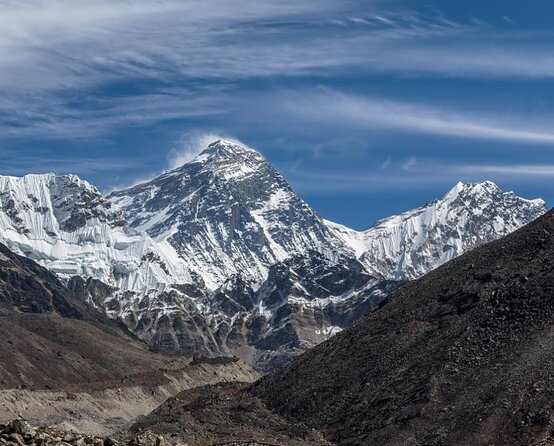
- Three high passes in one trek, with Kongma La as the highest point of the route.
- Acclimatization built in, including a rest day in Namche and later a rest day around Gokyo.
- Kala Patthar sunrise option at 5,550m, a classic big-view moment early in the day.
- Dudh Koshi River trail with suspension bridges, so you feel the valley up close before the altitude takes over.
- All the permits and permits admin are handled, including Sagarmatha National Park entry and TIMS.
- Down jacket and sleeping bag provided, which helps you travel lighter and sleep warmer at altitude.
Everest Three Pass Trek: Who should book (and who should think twice)
This trek is for people who want the harder, more technical side of the Khumbu. You are not just walking between villages, you are climbing to three snow passes above 5,300m, including ice-covered and steep uphill sections. If your previous trips were mostly comfortable hikes, you should consider a lower-altitude route first.
I also think it’s a great match if you like morning starts and you can handle cold mornings. Several key moments are early, including sunrise-style viewing from high points. If that rhythm sounds energizing, you will probably enjoy this trek a lot.
On the other hand, if you have any uncertainty about your ability to walk steadily while feeling altitude effects, be honest before booking. The trek includes many demanding segments, and you need mental steadiness as much as physical fitness.
You can also read our reviews of more hiking tours in Kathmandu
Price and value: what $1,800 covers (and what it does not)
At $1,800 per person, you are paying for a package that removes a lot of the common planning headaches. The included cost covers national park and trekking permits, domestic flights between Kathmandu and Lukla, guide and porter staff, and accommodation in guesthouses along the way. It also includes your key trekking fuel, food, with 14 breakfasts, 14 lunches, and 14 dinners included.
It also covers important behind-the-scenes items: staff salaries and insurance, first aid medical kits, and all land transport used during the program. Even the gear support helps value. You get a down jacket and sleeping bag, plus a duffel or kit bag that is meant to be returned after the trek.
What you should budget extra for is personal gear you bring yourself and the stuff that is explicitly not included: international airfare to Nepal, tips for trekking staff, and drinks and laundry. If you enjoy hot showers, alcohol, or frequent snacks, plan for those costs too.
Getting to Lukla: the flight that sets the tone
The experience starts in Kathmandu with an early departure, then a flight to Lukla’s Tenzing-Hillary Airport. This flight is a signature part of Everest travel, because you quickly go from city rhythm to mountain scale.
Once you land, you begin hiking into the Khumbu. That shift matters. Your body gets used to altitude gradually as you start walking, not just staring at the mountains from town.
It also helps you mentally. The trek feels real right away, because you transition quickly from aviation to trail, rather than spending days waiting for your first step.
Day-by-day pacing: how the route handles altitude
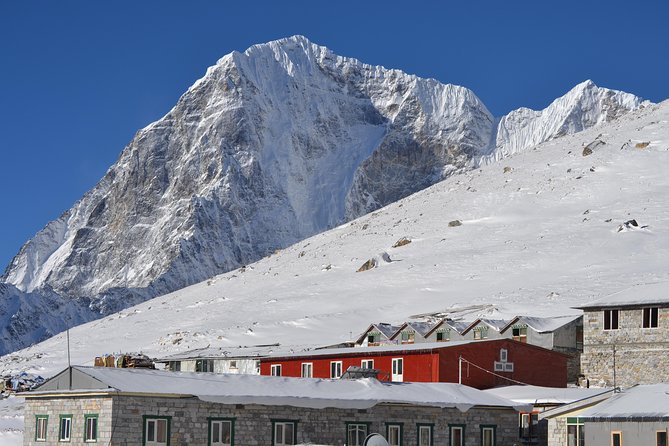
This trek has a pattern you should notice: valley walking to build strength, then rest or acclimatization when you climb higher.
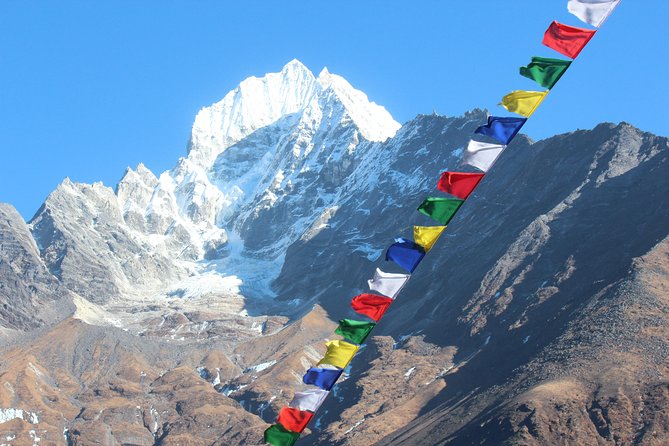
Early on, you follow the Dudh Koshi River, crossing suspension bridges with prayer flags and staying in a long Khumbu valley corridor. These days are not only scenic, they help you settle into trekking rhythm and test your pack comfort without instantly going to extreme altitude.
A big turning point is Namche, where you have a rest day and time to explore the Sherpa town. You also hike uphill to Everest View Hotel for views of major peaks. This is the kind of acclimatization that works because you keep moving lightly, then you come back to rest.
Later, Dingboche gets another moment of altitude-focused travel, with major mountain views like Ama Dablam, Lhotse, and Everest appearing along the way. And then Chhukung acts as a staging area to reduce pressure before Kongma La. You are basically building altitude tolerance step-by-step, not stacking hard climbs back-to-back without breaks.
Tengboche to Dingboche: monastery vibes and big mountain walls
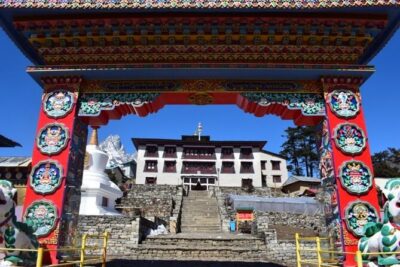
One of the charms of this route is how it layers culture and scenery before the snow passes take over. From the Dudh Koshi upstream segments, you reach Tengboche and stop briefly around there. That stop matters because it gives you a moment to slow down before the tougher elevations.
After Tengboche, you move on toward Dingboche. This section is a classic shift from lower trail energy into a more dramatic high-mountain feel, with rhododendron forest segments and mountain views along the way. The Ama Dablam and Lhotse viewpoints are especially memorable on this kind of route because they tend to show up more strongly as your altitude increases.
The practical benefit is that you learn the walking style you will need later: steady pace, correct foot placement on uneven ground, and staying focused when breathing gets harder.
Still, if you are the type who wants constant flat walking, know that these days include ascents and you will feel it.
Chhukung and the setup for Kongma La
After Dingboche, the plan avoids an extra long stay there, and instead goes to Chhukung to shorten the next long travel day and prepare for the Kongma La crossing. Today is described as a short but interesting walk uphill to reach Chhukhung.
That strategy is about reducing cumulative fatigue. When you are heading for the highest pass on the trek, you want your legs to feel “ready,” not “spent.”
This portion is also a reminder that preparation is part of the trek. Your success on Kongma La depends on how well you handle the lead-up days, sleep, and pacing.
Kongma La (5,535m): highest pass effort and steep trail discipline
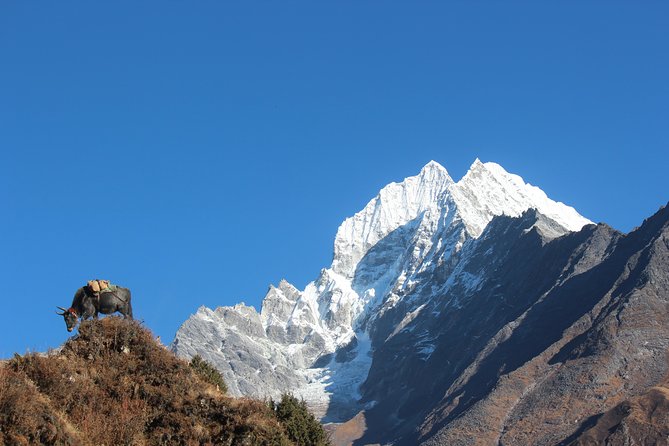
Kongma La is the highest of the three passes, listed at 5,535m. The day is described as steep uphill with difficulties, so expect a serious climb rather than a gentle pass crossing.
This is where trekking technique matters. You need to keep your pace controlled, use breaks intelligently, and keep your focus on footing. Even if you are confident on hikes, pass days punish overconfidence because the ground and conditions can be unpredictable.
The payoff is the kind of view that makes you stop talking and just look. You are in the Mahalangur Himalaya range world, and the route is built to put you in position for those “how is that even real” panoramas.
Gorakshep and Kala Patthar sunrise (5,550m): the early climb you’ll remember
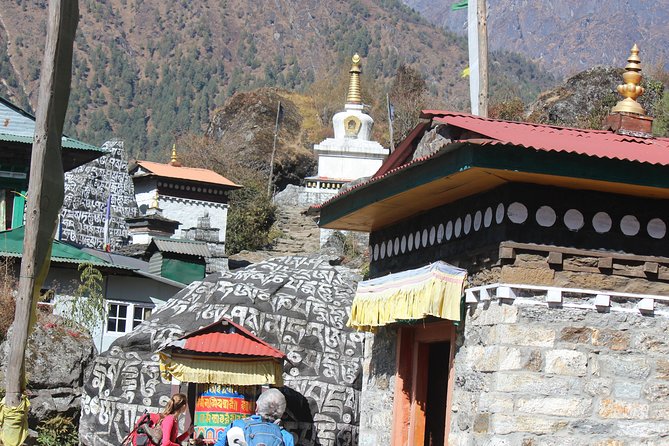
After Kongma La, you walk to Gorakshep, where the track is generally stony. This matters because stony trails can be harder on your feet and knees than you expect, especially after multiple altitude days.
Then comes one of the most iconic moments: an early morning hike to Kala Patthar at 5,550m to watch sunrise. This part is tough, but it is also planned to give you one of the best reward-to-effort ratios on the entire route.
From Kala Patthar, you get sunrise rays and big valley views, including Everest (8,848m). The key practical takeaway is timing. If you like sleeping in, you will have to train your expectations for early starts.
You’ll also want to dress for the cold, because mornings at this altitude can feel sharp even when the sun is bright.
Cho La (5,420m) to Gokyo: ice-covered climbing and lake-country rewards
Cho La is the second pass, at 5,420m, and the day is described as another tough climb with an ice-covered trail. This is not a pass you should treat like a trail hike. Your footing and steady movement are the whole game.
After crossing, you move toward Gokyo. This switch is satisfying: from ice and steep effort into the more open and scenic Gokyo area.
The Gokyo lakes are a different kind of beauty than the Khumbu villages. You get broader views and a “high lakes” feel rather than only mountain walls and monasteries.
For many people, this is where the trek starts to feel like a full-on expedition rather than a standard guided hike.
Gokyo rest day and Gokyo Ri (5,360m): views without the suffering
Day 11 is a rest day in Gokyo. You still hike up to Gokyo Ri at 5,360m in the morning for views over the entire Gokyo valley and the lakes below.
So yes, it is a rest day, but not a total day off your feet. It’s the right kind of compromise: you get a big view and movement, without another full pass crossing.
This day is valuable for recovery. After ice and steep pass effort, you want your body to reset. If your energy is running low, this is the day that can save the rest of your trek.
Renjo La (5,360m): last pass, big final panoramas
Renjo La is the third and last high pass, listed at 5,360m. The plan describes hiking gradually on a snow-filled path to reach the top, with enthralling views that include Cho La views from the area.
Even though the effort is described as more gradual than the sharpest pass climbs, it is still high altitude. By this point, you will likely be more aware of your breathing pace, your hydration, and your foot fatigue.
The value of Renjo La is that it caps the trilogy with a view-heavy experience. It also helps you mentally, because once you have your last pass behind you, the trek becomes a walk-out rather than a constant climb cycle.
Trek out: back to Namche, then Lukla
After Renjo La, you walk back toward Namche on a relatively easier trail day. The route is described as relaxed, so you can enjoy the landscapes and mountains from distance.
Then the final stretch continues to Lukla. You cross villages, forests, and rivers on suspension bridges, and you eventually reach Lukla for rest and market time. That market stop is practical, it gives you a chance to swap out small trekking items and enjoy a more familiar town pace.
Finally, you fly back to Kathmandu early in the morning. The flight is another emotional shift, from high altitude walking to green hills and city arrival.
What the included staff setup means for you on the trail
This trek includes a local government licensed English speaking guide, plus the required staff and porters to carry your luggage. That matters more than it sounds.
When you do high-altitude trekking, small logistics become big stress. With porter support, you can focus on your steps, water, and food rather than constantly thinking about your pack weight.
The style of the guide also affects your experience. Strong feedback connected to Base Camp Adventure’s crew highlights guides like Nabracht, Shiva, and Jwala, with sherpa support credited to people such as Bhim and Ram, and smooth overall coordination connected with the owner Shree. You should not assume you will get these exact names, but it does suggest a staffing culture built around clear explanations and organized pacing.
That’s especially important on pass days, where you want confident guidance when the trail gets technical and visibility changes.
Included gear: down jacket and sleeping bag support
You get a down jacket and a sleeping bag as part of the trek, plus a duffel or kit bag that you return after. This is useful for value and convenience, especially if you do not want to buy expedition-grade gear just for one trip.
But you should still bring personal trekking equipment. The package does not include all personal gear, and that gap is where your comfort will come from.
My practical suggestion is to pack for cold nights and early mornings, even if daytime hiking feels manageable. At altitude, comfort comes from layers and reliable warmth more than from hope.
Accommodation style and food: what “guesthouse” usually means here
The trek uses guesthouses along the route, mainly in twin sharing. That is the typical Everest route approach, and it usually means basic rooms, simple meals, and the chance to sleep and reset between big hiking efforts.
Food is included for 14 breakfasts, lunches, and dinners. That helps your budget and keeps your daily rhythm consistent, which matters when you are hungry and tired at altitude.
If you have dietary restrictions, your best move is to ask questions before booking. The data here confirms meals are included, but it does not spell out dietary options.
Weather reality: why this trek needs good conditions
This experience requires good weather. That may sound obvious, but it affects how confident you can feel about pass conditions, visibility, and safe trail timing.
High passes involve snow and ice risk. If weather is poor, the trip could be altered or canceled, and the plan notes that you would be offered a different date or a full refund in that case.
Even when the schedule holds, mountain conditions can change fast. Bring layers, respect the guide’s advice, and do not push for speed on steep sections.
Should you book Everest Three Pass Trek?
Book this trek if you want a real expedition feel and you can handle altitude and cold. The route gives you a structured acclimatization rhythm, memorable sunrise viewing from Kala Patthar, and the challenge of three high passes, including Kongma La and two more snow pass days that finish strong with Renjo La.
Do not book it if you are not ready for steep uphill climbing and long days above 5,000m. Also think carefully if you have never trained for high-altitude trekking. This is not just scenic hiking. It is a demanding route that asks for discipline every day.
If you want to maximize value, it helps that domestic flights, permits, guide and porter support, and key gear items are included. That reduces the number of moving parts between you and the mountains.
FAQ
How long is the Everest Three Pass Trek?
It runs for about 15 days.
Where does the trek start and end?
It starts in Kathmandu, Nepal, and ends back at the same meeting point.
Is pickup offered?
Yes, pickup is offered.
What permits are included?
The price includes the National Park entry permit and the TIMS (Trekker’s Information Management System) permit.
What gear is included in the trek price?
A down jacket, a sleeping bag, and a duffel or kit bag are included. The duffel or kit bag needs to be returned after the trek.
Are domestic flights included?
Yes. Domestic airfare (Kathmandu-Lukla-Kathmandu) and airport tax are included.
What is not included in the price?
International airfare and airport departure tax are not included. Also not included are alcohol, hot and cold drinks, laundry, hot shower, personal trekking equipment, tips for trekking staff, and any other expenses not listed in what is included.
Is this a private tour?
Yes. This is private, and only your group participates.
More Hiking & Trekking Tours in Kathmandu
More Tour Reviews in Kathmandu
Not for you? Here's more nearby things to do in Kathmandu we have reviewed


Hiking & Trekking, compared.
 ★ 5.0Everest Base Camp Trek – 14 DaysFrom $1,8001,499 reviews
 ★ 5.0Everest Base Camp TrekkingFrom $1,350485 reviews
 ★ 5.0Nagarkot Sunrise View and Day Hiking from KathmanduFrom $45471 reviews
 ★ 5.0Annapurna Circuit Trek with Tilicho LakeFrom $1,093368 reviews
 ★ 5.0Everest Base Camp Trekking – 13 DayFrom $1,399365 reviews
★ 5.0Everest Base Camp Trek -14 DaysFrom $1,420321 reviews
 ★ 5.0Annapurna base camp trek 5 DaysFrom $699252 reviews
 ★ 5.0Everest Base Camp Trekking – 2025/2026From $1,339199 reviews
Browse the lists this tour appears in