
REVIEW · HIKING & TREKKING
Everest Basecamp Trek: 14 days
Everest Base Camp is one of those trips that changes your sense of scale. I love the acclimatization built into the itinerary, especially the Namche Bazaar rest days, and I also love the focus on the Kala Patthar sunrise view. My only real consideration is the Lukla flight, because Lukla Airport is considered one of the more dangerous airports due to the terrain.
This is a well-structured, support-heavy trek at $1,650 per person, not a sketchy DIY plan. You get a government-licensed, English-speaking trekking guide trained in first aid, plus porters who carry luggage at a 1 porter per 2 clients ratio. If you want an Everest itinerary that keeps you moving but still helps you adjust to altitude, this one makes a lot of sense.
Key Points I’d Plan Around Before You Go
- A real acclimatization rhythm with rest days in Namche Bazaar, plus an extra adjustment day on the route
- Kala Patthar before sunrise for a classic, close-up Everest panorama moment
- Lukla flights included round-trip, with the flight departure airport depending on flight status during your trip
- Tengboche monastery time in the early morning, when the village feels most active
- Porters at 1 porter per 2 clients, so you can keep your own pack lighter
- Package includes permits and trek meals on the mountain days, so you are not constantly recalculating costs
Why This 14-Day Everest Base Camp Route Works
The Everest Base Camp trek is famous for big views, but the hard part is how your body handles altitude day after day. This itinerary is built around that reality. You climb gradually, pause at key points to adjust, and time your highest-effort day and your sunrise viewpoint so you are not just grinding uphill every single day.
What you are paying for here is less about luxury and more about logistics that actually matter. Round-trip flights to Lukla, permits, airport transfers, and an English-speaking guide take the guesswork out of the biggest moving parts. When you are tired, thin on sleep, and trying to drink enough water, simple planning is a gift.
You can also read our reviews of more hiking tours in Kathmandu
Day 1 in Thamel, Kathmandu: Your Easy Start in Nepal
You begin in Kathmandu with pickup offered from Tribhuwan International Airport. The plan is to settle into Thamel, the tourist-focused area that makes it easy to buy last-minute gear and get oriented quickly. On the schedule, you get time both for the airport-to-city transfer and then a longer window around Thamel to breathe, eat, and reset your brain before the mountain weeks start.
This is a smart first day because Everest treks punish confusion. If you arrive, stumble through an unfamiliar city, and try to organize everything yourself, you spend energy you need later. Instead, you use day one to get your bearings fast, then focus on sleep, hydration, and a calm morning.
The Lukla Flight: The One Part You Should Respect
Day two is your flight to Lukla early in the morning. Depending on flight status during your trip, the flight can depart from Kathmandu airport or Manthali airport. Once you are in Lukla, it helps to know the reality: Lukla Airport is busy in trekking season, and it’s considered one of the more dangerous airports because of the surrounding terrain.
How does that affect your planning? It means you should arrive rested, bring layers because weather can shift quickly, and stay flexible if things change. I also recommend you keep expectations realistic about comfort. This is not a smooth, lounging kind of flight day. It is the gateway day, and the goal is getting you to the start of the trek safely, not making it a sightseeing tour.
Phakding to Namche Bazaar: Crossing Bridges and Gaining Altitude Slowly
From Lukla, you walk toward the first key Sherpa hub, starting with the Phakding to Namche Bazaar segment. This portion is described as a bit tough, with uphill trekking, suspension bridge crossings, and lots of scenery transitions. The reward is reaching Namche Bazaar, one of the main “modern” stations in the Khumbu region, with hotels, restaurants, and tea houses.
Namche Bazaar is also where altitude starts to bite. The itinerary includes time to adapt, and the schedule notes that many trekkers normally stay an extra day there for acclimatization. In other words, you are not meant to rush straight through. You arrive, you settle, you recover, and you give your body time to adjust.
Namche Bazaar Rest Day: How to Make Altitude Friendlier
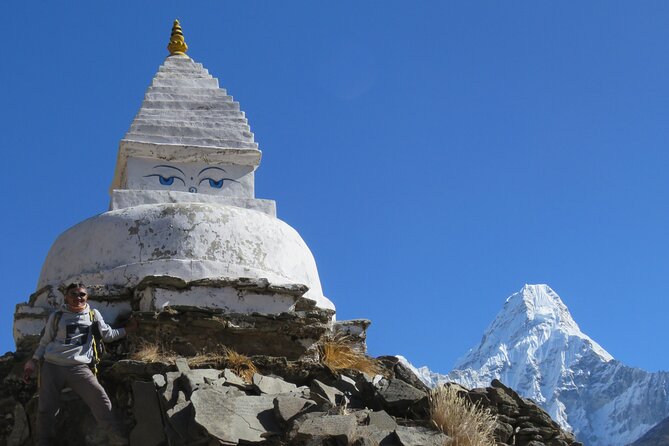
One of the standout choices in this trek is the dedicated rest day in Namche Bazaar on day four. The plan explicitly calls out why rest matters after the first climb, because acclimatization days reduce the risk of altitude sickness. You also get an early morning hike to Syangboch as part of that adjustment day.
That is a classic approach: you don’t just sit around all day. You move at a reasonable pace, you get a little elevation, and then you come back down to let your body recover. If you have ever tried to “push through” altitude too quickly, you already know why this matters. A rest day here can make the rest of the trek feel possible instead of scary.
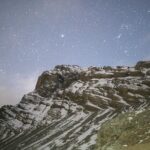
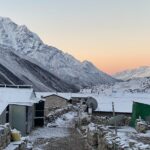
Namche to Tengboche: Sherpa Culture and the Tengboche Gompa Morning
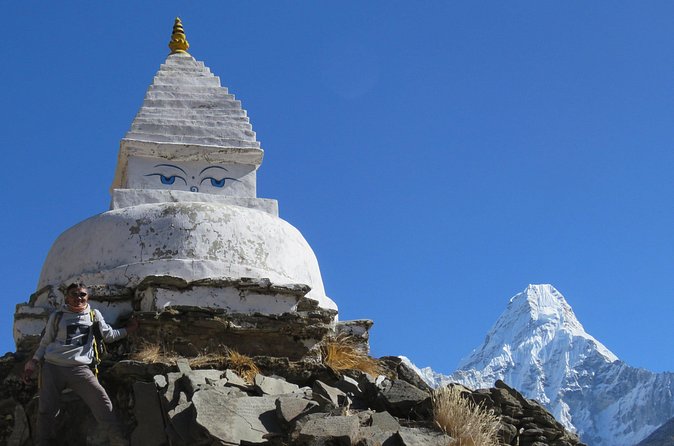
Day five brings you up toward Tengboche. The trail ascends via a route that starts with a descent into the Dudh Kosi Valley, then continues through areas like Phungi Thanka while you pass along the Imja Khola. You are building altitude, but the walking rhythm helps you stay steady instead of spiking effort too suddenly.
Then you reach Tengboche, where day six is especially meaningful. You take time in the early morning to explore the Tengboche monastery (Gompa). After breakfast, the trek continues with a descent toward the Imja River, walking through Pangboche village and beyond, with the route described as passing prayer flags along the way.
For me, Tengboche is one of those places where the trek stops feeling like a checklist and starts feeling like a cultural exchange. Even without a formal city tour, you see how the Sherpa community lives around the monastery and how spiritual life weaves into daily mountain travel.
Nangkartshang Peak Day: Another Adjustment, Not Another Sprint
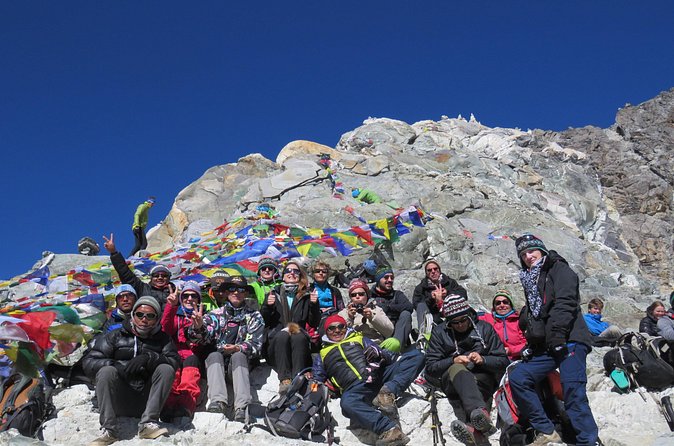
After your Namche acclimatization rhythm, day seven keeps the theme going with a rest day and a visit to Nangkartshang Peak. The schedule frames this as adapting to increasing altitude and the need to prevent altitude sickness as you go higher.
This is the kind of “small day” that can be big for your health. It can also be mentally important. When you get a day that is shorter, you have time to practice the basics: take it slow, eat what you can, and pay attention to how you feel. You do not have to be heroic on altitude days. You have to be consistent.
Dingboche to Dughla: The Route Tightens Toward Everest
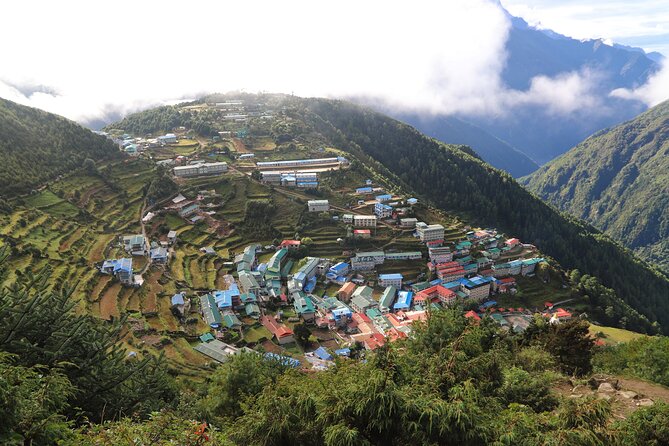
By day eight, you are leaving Dingboche and heading toward Dughla. The trek is described as gentle at first, then gradually gets steep. You walk via bare fields and follow a glacial route to Dughla.
This is also where the mountain atmosphere changes. The details you see in villages become more sparse, and the terrain feels more like a high-altitude working environment. If your body is handling the earlier acclimatization well, this section should feel demanding but manageable.
Everest Base Camp Day: Steep Glacier Trek and a Real Goal
Day nine is your Everest Base Camp day. The plan says that from Lobuche, the trail ascends steeply along the Khumbu glacier. You reach Gorka Shep, which is described as the former base camp of Mt. Everest, and then you continue to Everest Base Camp.
This is the day that most people remember. Not because it is easy, but because it is clear. You are walking to a target that feels literal. Even so, be honest about effort. Steep sections on thin air can turn a normal pace into a slow shuffle, and that is fine. The goal is to keep moving steadily, drink water, and save energy for the final push.
Kala Patthar Before Sunrise: The Most Technical Kind of Beautiful
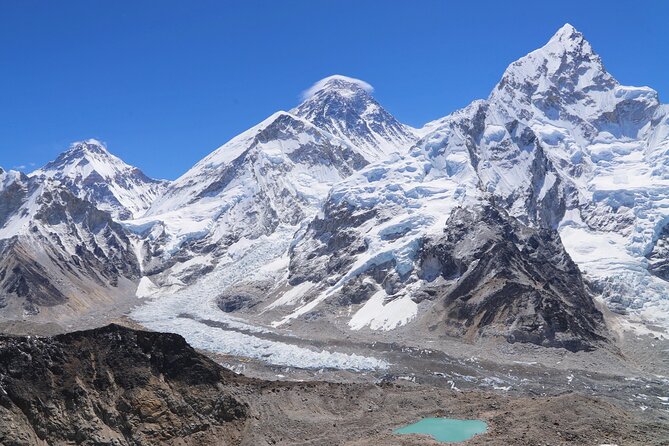
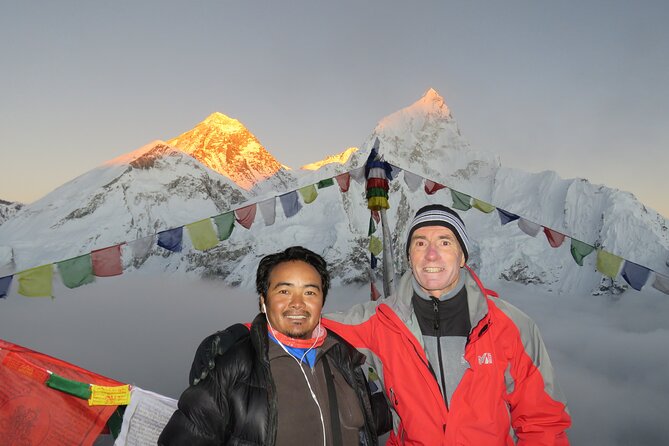
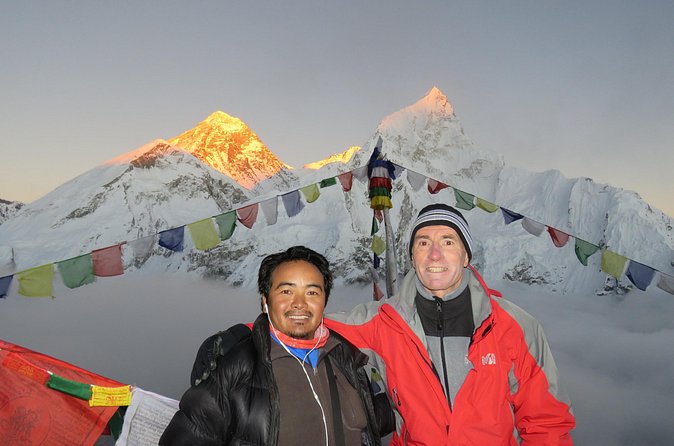
On day ten, you hike to Kala Patthar before sunrise to catch the nearest view of Mount Everest. It’s positioned above Gorak Shep and described as a famous vantage point for a mountain panorama.
This day is not just about seeing something. It’s also about timing and effort management. Sunrise hikes mean an early start, cold conditions, and a body that may feel more stressed than it did yesterday. If you have done the earlier acclimatization days well, you give yourself the best chance to enjoy the view instead of white-knuckling the climb.
After that, day eleven continues your descent. You move down to Namche Bazaar after breakfast, following earlier paths and crossing suspension bridges along the way, with the route passing through Pangboche village again.
The Return Trek: Forest Paths, Suspension Bridges, and a Change in Energy
Day twelve leaves Namche Bazaar with a steep descent on trodden hillside, then transitions into densely forested path sections and smaller settlements. You cross the Dudh Koshi River multiple times on suspension bridges.
The return can feel deceptively easy. You are descending, so your legs may feel better than during the ascent, but the mountain still affects you. Descents can strain knees, and the altitude recovery is gradual. Still, day twelve is a nice reminder that Everest treks are not only about the summit moment. They are also about the long, careful work of getting yourself back safely.
Back to Kathmandu: Fly Out Early and Let Your Body Catch Up
Day thirteen is a morning flight back to Kathmandu. The schedule notes the flight is phenomenal, with enchanting aerial views. Once you land, the team drops you at the hotel, and you get time to enjoy a proper break day.
This day matters because it changes your body’s story. You are coming down in altitude, and that makes eating, sleeping, and relaxing feel possible again. It’s the day to slow down, drink what you need, and not plan a crazy itinerary.
Day fourteen is simply checkout mode. You leave for your next destination, and the representative drops you at the airport based on your departure time.
Price and Logistics: Is $1,650 Good Value Here?
At $1,650 per person, the big question is what is included and what you still have to plan for.
What the package covers
You get:
- Permits
- Round-trip airfare between Kathmandu and Lukla
- Private transportation and airport transfers by tourist vehicle
- Accommodation for 2 nights in a tourist standard hotel in Kathmandu with breakfast
- Twin-sharing guesthouse accommodation during the trek for 11 nights
- A government licensed, English-speaking guide trained in first aid
- Porters for luggage, with a 1 porter for every 2 clients ratio
- Trek meals: breakfast (14), lunch (11), dinner (11)
What costs extra
You should budget for:
- Lunch and dinner in Kathmandu (day one and your final city time)
- Beverages, including bottled and boiled water
- Travel insurance, specifically high-altitude emergency evacuation coverage
- Tips for trekking staff and driver
For me, the value is strongest if you want someone to handle the hardest-to-manage parts: flights, permits, guiding, and porter support. If you were trying to piece that together yourself, it would add up quickly and create avoidable stress.
The price is also more reasonable when you factor the porter ratio and that the trek food is largely handled on the mountain days. You still need personal spending money, but you are not paying for every day of guiding and coordination.
Who This Trek Suits Best (And Who Might Want a Different Plan)
This trek is aimed at people with moderate physical fitness. That does not mean it is easy. It means the route is managed for gradual progression, with rest and acclimatization days built in.
You should strongly consider this option if you:
- Want an organized Everest Base Camp trek with flights and permits handled
- Prefer an English-speaking, first-aid trained guide rather than DIY planning
- Like the idea of porter support so you are not carrying everything yourself
- Want a schedule that pauses in Namche Bazaar for acclimatization
You might think twice if you are extremely risk-averse about flight days, because Lukla Airport terrain is known to be challenging. You should also be honest with yourself about altitude. This is a trekking route where rest days matter, and skipping them is a mistake.
Practical Trek Tips From a “Plan for Real Life” Angle
A few things I would do if I were packing for this trip:
- Bring layers for early mornings, especially for the Kala Patthar sunrise hike
- Keep your daypack light. The porter system is there to help with luggage, so use it.
- Plan for extra hydration costs since beverages and bottled or boiled water are not included
- Eat when you can, not when you feel hungry. Breakfast and many meal days are included, but appetite can change at altitude.
- Do not treat insurance as optional. High-altitude evacuation coverage is specifically called out as not included.
Small habits matter more up high. You are not just trekking, you are surviving a routine that repeats for days.
Should You Book This Everest Base Camp Trek?
If your dream is Everest Base Camp with less logistics stress and more structured acclimatization, I think this is a solid choice. The itinerary includes key rest moments in Namche Bazaar, plus a planned sunrise push to Kala Patthar, and it brings real support like a licensed guide and porters.
Book it if you are ready for a serious trek, want flights and permits included, and value having meals handled on mountain days. I would still budget for water and Kathmandu meals, set aside money for tips, and make sure you have high-altitude insurance.
If you are unsure about the Lukla flight piece, you should at least go in with eyes open. This trip’s success depends on that gateway working out. When it does, you get a classic Everest story, village life along the way, and a sunrise viewpoint that is worth waking up for.
FAQ
Where does the trek start in Kathmandu?
The start point is Tribhuvan Airport in Kathmandu, Nepal.
How long is the Everest Base Camp trek?
The duration is about 14 days, with trekking days through the Everest region and a return flight back to Kathmandu near day 13.
Are flights to Lukla included?
Yes. Round-trip airfare between Kathmandu and Lukla is included, and the flight departure airport can be Kathmandu or Manthali depending on flight status during your trip.
What type of accommodations are provided during the trek?
You get twin-sharing guesthouse accommodation during the trek for 11 nights. In Kathmandu, you get 2 nights in a tourist standard hotel with breakfast.
What meals are included and what meals are not included?
Breakfast is included for 14 days. Lunch is included for 11 days, and dinner is included for 11 days. Meals in Kathmandu, specifically lunch and dinner, are not included.
Do we have a guide and porters?
Yes. You travel with an experienced, first-aid trained, government licensed, English-speaking trekking guide. Porters are provided to carry luggage at a ratio of 1 porter for every 2 clients.
More Hiking & Trekking Tours in Kathmandu
More Tour Reviews in Kathmandu
Not for you? Here's more nearby things to do in Kathmandu we have reviewed


Hiking & Trekking, compared.
 ★ 5.0Everest Base Camp Trek – 14 DaysFrom $1,8001,499 reviews
 ★ 5.0Everest Base Camp TrekkingFrom $1,350485 reviews
 ★ 5.0Nagarkot Sunrise View and Day Hiking from KathmanduFrom $45471 reviews
 ★ 5.0Annapurna Circuit Trek with Tilicho LakeFrom $1,093368 reviews
 ★ 5.0Everest Base Camp Trekking – 13 DayFrom $1,399365 reviews
★ 5.0Everest Base Camp Trek -14 DaysFrom $1,420321 reviews
★ 5.0Everest Base Camp Trekking – 13 DayFrom $1,399365 reviews
★ 5.0Everest Base Camp Trek -14 DaysFrom $1,420321 reviews
 ★ 5.0Annapurna base camp trek 5 DaysFrom $699252 reviews
 ★ 5.0Everest Base Camp Trekking – 2025/2026From $1,339199 reviews
Browse the lists this tour appears in