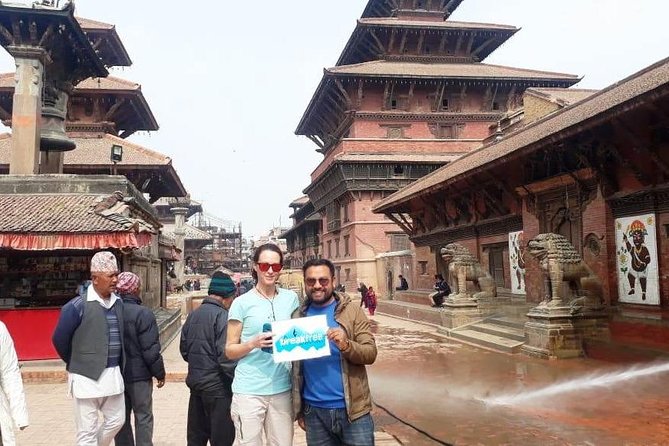
REVIEW · KATHMANDU UNESCO HERITAGE TOURS
Private Kathmandu Sightseeing Tour | UNESCO World Heritage sites
UNESCO sites, all in one Kathmandu day. I like the hotel pickup and drop-off, because it saves you from hunting meeting points in traffic and haze, and I like the flexibility to choose 2, 4, or 7 UNESCO stops. One thing to plan for: monument entry fees are not included, so your total day cost depends on which option you pick.
This is a private, English-guided route through the Kathmandu Valley, mixing famous Buddhist stupas with major Hindu temple complexes and the durbar squares of Patan, Bhaktapur, and Kathmandu. The practical win is that you get commentary as you walk, plus a driver who keeps things moving in real city conditions.
A possible drawback is that some sites require extra time, and the more UNESCO stops you add, the longer the day becomes. Also, access to inner Hindu temple premises is restricted by nationality and faith, so you will mostly view certain areas from the permitted zones.
Key things to know before you go

- Hotel pickup and drop-off: door-to-door service in Kathmandu city centers reduces stress on arrival days.
- Pick your UNESCO count: 2, 4, or 7 sites lets you match your energy to your schedule.
- A mix of religions and styles: Buddhist stupas, Hindu temples, and royal squares give you variety in one route.
- English-speaking guidance: a professional guide explains what you are seeing, not just what exists.
- Entry fees are separate: NPR fees apply per UNESCO-site option, paid on arrival at the monuments.
- A day shaped by ritual timing: guides may be patient if ceremonies start while you are there.
How this private Kathmandu UNESCO route really works
This tour is built for one simple goal: see Kathmandu Valley UNESCO highlights with less hassle than piecing it together yourself. You choose the number of UNESCO sites, and the day expands or contracts around that choice, roughly 4 to 10 hours.
What makes it feel worth it is the structure. You are not just getting driven between far-apart landmarks. You have a professional English-speaking guide, so the stones and shrines come with meaning. Many people also like the pace because it blends guided walking with time to pause, look, and take in details at each site.
You will be in a private vehicle with air conditioning, which matters in Kathmandu when the heat and traffic can drain your attention. And since it is private, you are not competing with a big bus crowd for viewpoints, doorways, and shade.
You can also read our reviews of more private tours in Kathmandu
What you can expect from the UNESCO mix
The route centers on a few big-name stops that define the valley:
- Swayambhunath (often called Monkey Temple), a hilltop Buddhist complex with iconic views.
- Boudhanath Stupa, one of the valley’s most famous Buddhist monuments.
- Pashupatinath Temple, the major Hindu pilgrimage site on the Bagmati River.
- Patan Durbar Square and Patan Museum, for royal architecture and museum context.
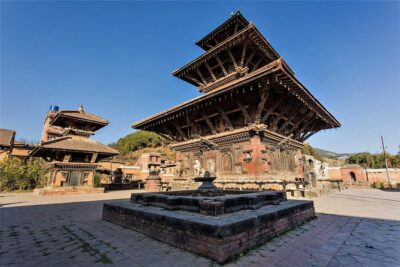
- Changu Narayan Temple, another UNESCO Hindu site.
- Bhaktapur Durbar Square, for a slower, more “old city” feeling.
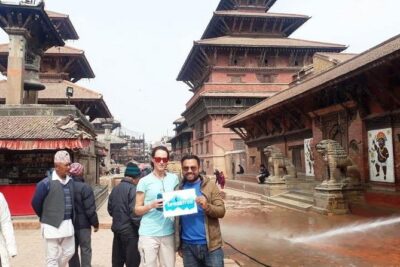
- Kathmandu Durbar Square, a key historic square inside Kathmandu itself.
As you add more UNESCO sites, the day stretches outward across the valley, not just within the city center.
Hotel pickup and private driving: the real time saver in Kathmandu

If you have ever tried to meet friends at a landmark in Kathmandu, you already know the pain. This tour handles that with hotel pickup and drop-off. That small detail changes your entire arrival-day mood.
You typically start in a Kathmandu city-center hotel zone where pickup is complimentary. If your hotel is outside that area, there can be extra charges, so it is worth confirming your exact pickup point.
On the road, Kathmandu traffic is a constant reality. One strong theme from the experiences shared by guide-driver teams is that they stay calm and keep you safe while moving through the day’s schedule. The tours also tend to include that “steady” feeling you want when you are trying to focus on temples, not potholes.
A practical tip for your day
Plan your day around your hotel pickup time, not just the time printed in your head. If you are arriving in Nepal and want a first-day orientation, this kind of route is one of the best ways to get your bearings fast.
Swayambhunath, Monkey Temple: hilltop views plus big symbolism

Swayambhunath is the kind of place where you instantly feel you have arrived at something special. You are on a hill, and the complex gives you layered views across the valley. Expect walking, stairways, and lots of visual detail as you move through Buddhist shrines.
This tour gives you about 30 minutes to 1 hour at Swayambhunath depending on your chosen option and schedule. Even at that shorter time, it is usually enough to:
- see the main shrine areas
- walk the paths and viewpoints
- take in the overall layout before your next stop pulls you away
You can also read our reviews of more historical tours in Kathmandu
What to watch for
Swayambhunath is also one of those sites where you will feel the “everyone is doing something” atmosphere. People circle, pause, and look. The guide commentary helps connect the visuals to what they mean in Buddhist practice.
One more detail: the schedule notes a Swayambhu stop marked as free admission, but other notes around Swayambhunath list monument admission as not included. For budgeting, treat it as paid at the gate unless your operator confirms the exact site entry fee for your option.
Boudhanath Stupa: a calm counterweight to big-city noise

Boudhanath Stupa is one of the valley’s most recognizable Buddhist monuments, and it is easy to understand why it earns so much attention. The scale hits you quickly. Then you notice the rhythm: people walking, pausing, and moving around the stupa in a steady flow.
This tour allots about 1 hour at Boudhanath. That is a good amount of time because you can take photos without feeling rushed, and you can still hear the guide’s explanation of the site’s role in Kathmandu’s religious life.
The value of having time here
If you are choosing a shorter option with fewer UNESCO stops, Boudhanath is still worth prioritizing. It offers contrast. Compared to royal squares and temple courtyards, the stupa experience is more about quiet observation and focused symbolism.
Also, it is an excellent place for your “reset.” After the stop, you are ready for the more intense energy of Pashupatinath.
Pashupatinath Temple: where Hindu ritual shapes what you see

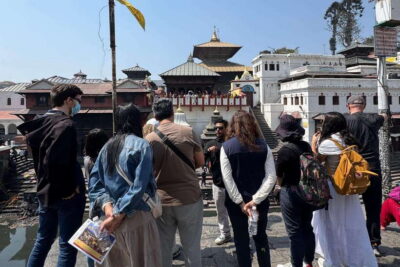
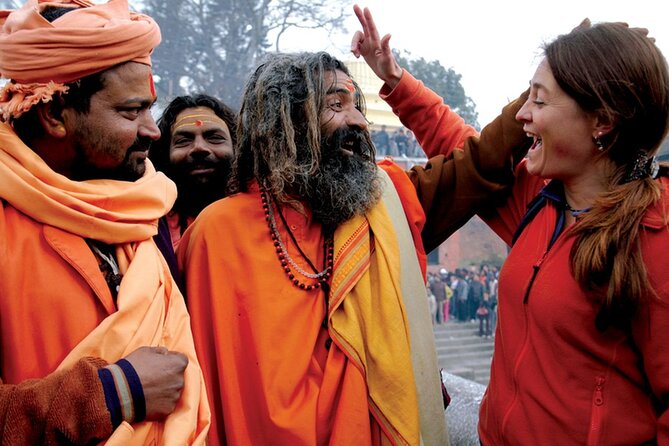
Pashupatinath Temple is Kathmandu’s big Hindu pilgrimage draw. The site sits along the Bagmati River, and what makes it unforgettable is how living ritual can be part of your visit.
On this tour, Pashupatinath is scheduled with about 1 hour of time. In the tour flow, it can appear more than once in the schedule, which usually signals extra attention or a chance to return to particular areas based on timing.
A key access rule you must know
There is an important constraint on the inner premises of Hindu temples: only Nepali and Indian nationals of the Hindu faith can enter inner temple premises during the tour. That means you should expect to remain in the permitted viewing zones if you are not in that category.
When timing works in your favor
This stop is also where patience pays off. One shared experience highlighted how a guide waited so the group could witness an Hindu cremation ceremony when it was about to happen. You cannot plan that kind of timing, but you can benefit from a guide who does not rush you out the moment you arrive.
If you are sensitive about religious ceremonies, tell your guide at the start of the day. A good guide will help you position yourself and choose how close you want to be.
Patan Durbar Square and Patan Museum: history with context, not just photos

Patan feels different from central Kathmandu. Even when traffic connects the two, the vibe is more “craft and old city” than “capital bustle.”
This tour typically includes:
- Patan Durbar Square (about 1 hour)
- Patan Museum (about 30 minutes)
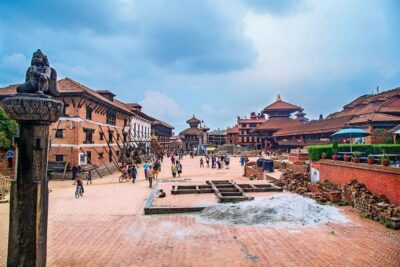
Patan Durbar Square is the kind of UNESCO site where details matter: carved stone, architectural layout, and the feeling of a former royal center. With a guide, you are less likely to feel like you are just walking through another old courtyard with nowhere to anchor your questions.
Then Patan Museum helps you connect what you saw outside with objects, stories, and the logic behind the city’s artistic traditions. The museum time is short, but it is set up well for day visitors. You can leave with more understanding of what the monuments represent.
A small orientation stop that can help you later
The route also mentions Patan Gate and the Thamel area as passing points. Even if you do not spend much time there, it helps you understand the geography of where you are.
Changu Narayan, Bhaktapur, and Kathmandu Durbar Square on longer days

If you choose 7 UNESCO sites (or a more expanded 4-site route), your day grows into a full Kathmandu Valley loop. The additional stops add different textures.
Changu Narayan Temple: shorter stop, strong character
Changu Narayan is scheduled for about 30 minutes. Short visits can work well here because the site’s value is in the specific details and the meaning tied to the temple. A guide’s explanation is especially useful when you have limited time and need to know what to look for.
Bhaktapur Durbar Square: the old city mood
Bhaktapur Durbar Square gets about 2 hours. That longer window helps because Bhaktapur is a place where you do not just want to “check the box.” You want time to slow down, take in the square’s flow, and see how the town layout pulls you from one viewpoint to another.
Kathmandu Durbar Square: compact but central
Kathmandu Durbar Square is scheduled for about 30 minutes. It is inside Kathmandu city, so the time feels efficient if you are already doing a lot that day. If you love monuments and want more time later, this stop also gives you a reference point for a return visit.
Driving through the Kathmandu Valley
Between stops, you will drive through the Kathmandu Valley. This part can feel like filler if you only want buildings. But it is also how you get a sense for distances and where things sit in relation to each other.
That matters if you plan to add on other activities after your tour, because you will understand what is close and what takes real time.
Lunch break, Thamel, and where your guide can help

Lunch is not included, but you can take a break during the day. Your guide can recommend highly recommended restaurants. This is a practical perk, because it means you can avoid the “Where should we eat?” scramble while you are still in sightseeing mode.
If you are heading back toward Thamel later, it is helpful to know it is the central tourist hub with lots of restaurants, pubs, hotels, and shops. Many people use Thamel as their evening hangout after temple-heavy days.
Small timing reality
If you cram 7 UNESCO sites, your lunch break becomes more about energy management than lingering. I like that the tour lets you consult with the guide and then move on, instead of forcing a set lunch plan you might not want.
Guides and drivers: why organization shows up in the details
The biggest praise from guide experiences is not just the sites. It is how the day runs.
You will likely be traveling with an English-speaking guide and a driver handling the route. Names mentioned with strong impressions include Dipesh, Deepak, Bidhya, Shankar Bhattarai, Kabin, Razz, Prasant, and Mukesh. People also highlight specific strengths like:
- adapting to schedule changes
- explaining rituals and significance in a clear way
- moving at a comfortable pace
- staying patient during photo and walking moments
- managing Kathmandu traffic safely
This kind of organization matters because UNESCO days can feel like a blur if the guide cannot turn visuals into understanding. Good guiding keeps the day coherent, so each stop connects to the next instead of blending together.
A practical ask before you start
If you have must-see priorities, tell your guide right at pickup. Several experiences note guides accommodating preferences and even changing timing when asked.
Price and value: what you are paying for, and what you still need to budget
The price is listed at $17 per person, which is low for a private tour with hotel pickup, private air-conditioned transportation, and a professional English-speaking guide.
But remember the key detail: monument entry fees are not included. Those fees depend on your UNESCO-site option:
- NPR 1400 for 2 UNESCO sites
- NPR 2600 for 4 UNESCO sites
- NPR 6000 for 7 UNESCO sites (one note also shows NPR 5800)
Admission is paid in NPR at the entrance of each site. Lower fees apply for SAARC nationalities.
How to judge if this is a good deal for you
This tour is strong value when:
- you want multiple UNESCO sites in one day
- you do not want to manage tickets, timing, and route planning
- you value English commentary and a smoother day flow
It is less of a bargain if:
- you already plan to do sites mostly on your own
- you are extremely price-sensitive and want to skip guided explanations
- you are only interested in one or two locations, since the entry fee structure scales with UNESCO-site count
Choosing between 2, 4, and 7 UNESCO sites
Here is the simple way to decide.
If you want the easiest first day: 2 sites
A 2-site choice keeps things manageable and reduces walking pressure. You still get a guided experience and hotel pickup without committing to a long day.
If you want a solid taste of the valley: 4 sites
A 4-site option is often the sweet spot. You get major Hindu and Buddhist highlights, plus enough variety to understand Kathmandu Valley without burning your whole day.
One shared experience emphasized that pacing with 4 sites felt better than going all the way to 7, with less time in transit and more time actually soaking things in.
If you want maximum UNESCO coverage: 7 sites
A 7-site day is for travelers who like action and can handle a long route. Expect more driving, longer total hours, and shorter stops at some points. When it works, it feels like a “Kathmandu Valley greatest hits” day.
A shared experience specifically praised a 7-site tour as magical, with strong guide explanations and patient pacing.
Should you book this private Kathmandu UNESCO tour?
I think you should book it if you want a guided, stress-reduced route through Kathmandu Valley UNESCO sites, especially if it is your first time in Nepal or you are short on time. The hotel pickup and drop-off plus private air-conditioned transport remove a big chunk of friction, and the best part of the experience is that your guide turns monuments into stories you can actually carry in your head.
Skip this option, or at least choose fewer UNESCO stops, if you get tired by long driving days or you know you only care about one or two sites. Also take the Hindu inner-premises rule seriously, and set expectations that some areas may be off-limits depending on your status and faith.
If you do book, tell your guide what matters most to you at the start. Then be ready to slow down at the stops that feel meaningful. That is where the day turns from “sightseeing” into a real Kathmandu education.
FAQ
Which UNESCO sites are included on this Kathmandu tour?
The route includes major UNESCO sites such as Swayambhunath, Boudhanath Stupa, Pashupatinath Temple, Patan Durbar Square, Patan Museum, Changu Narayan Temple, Bhaktapur Durbar Square, and Kathmandu Durbar Square.
How long does the tour take?
The tour runs about 4 to 10 hours, depending on whether you select 2, 4, or 7 UNESCO sites.
Does the price include monument entry fees?
No. Monument entry fees are listed as extra. Fees are NPR 1400 for 2 UNESCO sites, NPR 2600 for 4 UNESCO sites, and about NPR 5800 to NPR 6000 for 7 UNESCO sites. Fees are paid at the entrance in NPR.
Is hotel pickup and drop-off included?
Yes. Hotel pickup and drop-off are included for hotels located in Kathmandu city centers. Extra charges may apply outside those areas.
Is this tour private or shared?
It is a private tour, meaning only your group participates.
Are there limits on entering Hindu temple inner premises?
Yes. Only Nepali and Indian nationals of the Hindu faith are permitted to enter the inner premises of Hindu temples during the tour.
Can I take a lunch break during the tour?
Yes. You can take a lunch break during the tour, and you can consult with your guide for restaurant recommendations. Meals and drinks are not included.
More Private Tours in Kathmandu
More Tours in Kathmandu
More Tour Reviews in Kathmandu
Not for you? Here's more nearby things to do in Kathmandu we have reviewed
Kathmandu UNESCO Heritage Tours, compared.
★ 5.0Full Day 7 UNESCO Tour with Lunch – Private/GroupFrom $10415 reviews
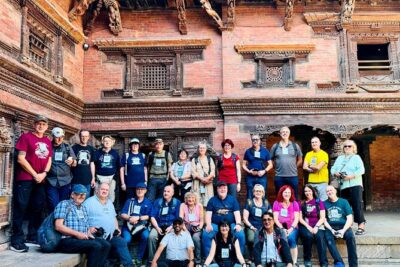
★ 5.0Full Day Top 4 UNESCO Tour with Lunch – Private/GroupFrom $10269 reviews
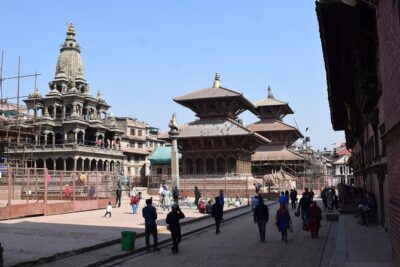
★ 5.0UNESCO Seven World Heritage Tour in KathmanduFrom $180253 reviews
★ 4.9Full-Day 7 UNESCO Tour with Lunch – Private/GroupFrom $5247 reviews
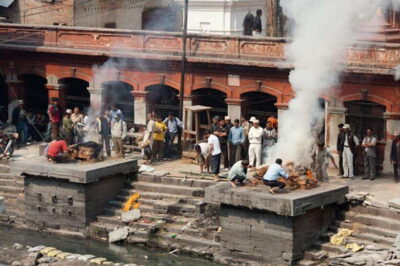
★ 4.97 UNESCO Sites Tour in 1 Day (Private Tour)From $4204 reviews
★ 4.9Top 4 UNESCO Tour with Lunch – Private/GroupFrom $5181 reviews
★ 5.0Kathmandu Private Sightseeing Tour | UNESCO World Heritage SitesFrom $35109 reviews
★ 5.0Full Day 7 UNESCO Tour with Lunch – Private/GroupFrom $5101 reviews
Browse the lists this tour appears in