REVIEW · KATHMANDU PRIVATE CITY TOURS
Kathmandu: Private City Guided Tour
Kathmandu can feel like a swirl of temples, prayers, and alley life. This private 6-hour route ties together the biggest spiritual sites in the valley, from Patan Durbar Square to Swayambhunath and the Bagmati River temples, with an extra Everest View Hotel helicopter stop for a wow moment. I like that it’s a full cultural sampler without you having to plan the order yourself.
Two things I especially like: first, the itinerary mixes Buddhist and Hindu sacred places, so you see how Kathmandu can hold multiple faiths side by side. Second, the guides, including Kapil and Saru, are repeatedly praised for clear explanations and smart time use, which matters when you’re fitting UNESCO sites into a half day.
The main drawback to consider is that you’re packing a lot into a short window, so it works best if you’re comfortable with walking and stairs, and if you can handle traffic surprises in Kathmandu.
Key things you should know before you go

UNESCO in one afternoon: Patan Durbar Square plus major Buddhist and Hindu sites in the Kathmandu Valley.
A rare faith mix: Buddhist practice at Swayambhunath and Boudhanath alongside Shiva worship and cremation rituals at Pashupatinath.
Everest View Hotel by helicopter stop: scheduled for a closer look at Mt. Everest when conditions allow.
Your guide handles the tricky parts: including ticket help on the ground and story context that makes the sites click.
Meals are up to you: monument entry fees and food are extra, but the tour builds in time for lunch.
Why this private 6-hour Kathmandu route is good value

At $40 per person for a private, English-speaking guided day, the headline value is not just the sites. It’s the planning and problem-solving you get in a city where travel time can be unpredictable. You’re also not stuck with a group pace. You can spend longer at the places that pull you in, and you can ask questions without feeling rushed.
Now the math reality: monument entry fees are not included (NPR 2700, about US$22 per person, with different pricing for some nationalities). On top of that, meals and drinks are extra. Still, I think the deal holds for most people because a local guide can save you from wasting time figuring out what to see first, where you should and should not enter, and how each site fits into Nepal’s mix of Hindu and Buddhist traditions.
You’re also doing four major cultural stops plus a special Everest viewpoint moment in only six hours. That’s not a slow, museum-style day. It’s an efficient, story-driven orientation to Kathmandu’s spiritual heart.
You can also read our reviews of more guided tours in Kathmandu
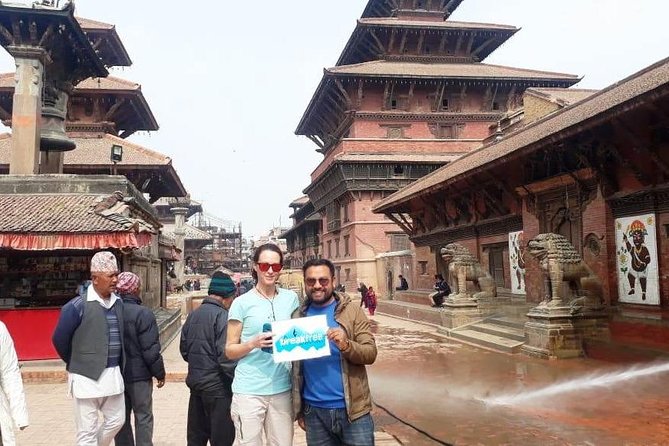
Patan Durbar Square: Newari architecture and the Krishna Temple pinnacles

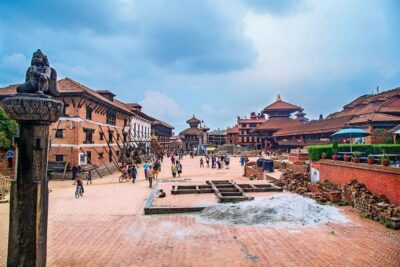
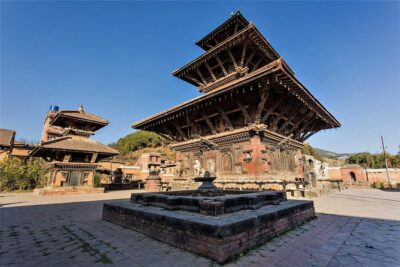
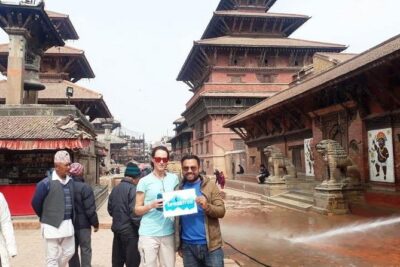
Patan Durbar Square gives you a strong sense of how Kathmandu Valley kingdoms expressed power through stone, carving, and devotion. It’s tied to the former Patan Royal Family, and the design focuses on Newari architecture, with courtyards and temples that reward even quick stops if you know where to look.
One detail worth your attention is the Krishna Temple, with 21 golden pinnacles. If you’ve ever wondered why people photograph this area nonstop, it’s because the roofline is like a visual puzzle of angles and ornaments. Nearby, you’ll also see Rudra Varna Mahavihar, a Buddhist monastery that houses local treasures, plus the central courtyard called Mul Chowk, a key gathering space in the square.
A practical consideration: Durbar Square sites usually mean uneven paving and some steps. If you want photos, plan for small repositioning. If you want to feel the place, pause in courtyards where the layout gives you a view back into the complex.
This stop is also a good cultural warm-up. You’ll get a feel for Kathmandu Valley’s shared artistic language, before heading to the hilltop Buddhist atmosphere at Swayambhunath and the large, pilgrimage-scale stupas like Boudhanath.
Swayambhunath Monkey Temple: painted Buddha eyes and a valley view

Swayambhunath, often called the Monkey Temple, sits on a hillock about 77 m above ground level. That elevation is not just for drama. It gives you one of the best “big picture” moments in the valley, so the site feels like a viewpoint as much as a shrine.
The stupa itself is said to be about 2,500 years old, and the dome with the painted Buddha eyes on four sides symbolizes the all-seeing presence of Buddha. This is the kind of symbolic detail that turns a quick visit into something you remember. You’re not just looking at a structure, you’re reading a message.
Inside the complex you’ll find two Buddhist monasteries, plus a temple to Harati/Haratima where both Buddhists and Hindus worship. There’s also a short walk nearby to the temple of Manjushree and the Anandakuti Bihar. Even if you don’t go everywhere, your guide can point out the “why this matters” connections.
What to plan for: the hill often means steps and crowded pathways at peak times. Comfortable shoes are non-negotiable. I also recommend wearing a head covering if you want to show respect at temples and you prefer to be prepared. If monkeys get your attention, don’t chase them, and keep your hands and snacks secure.
Pashupatinath Temple and the Bagmati cremation ritual

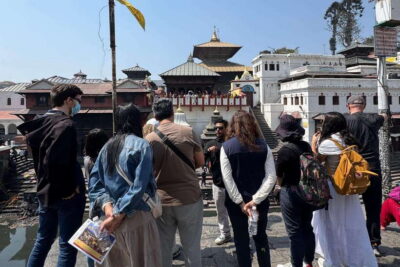
Pashupatinath is one of Nepal’s most significant Shiva pilgrimage sites, located about 5 km east of Kathmandu at the Bagmati River. Expect two golden roofs and four silver doors, a visual style meant for divine attention and ceremonial arrival.
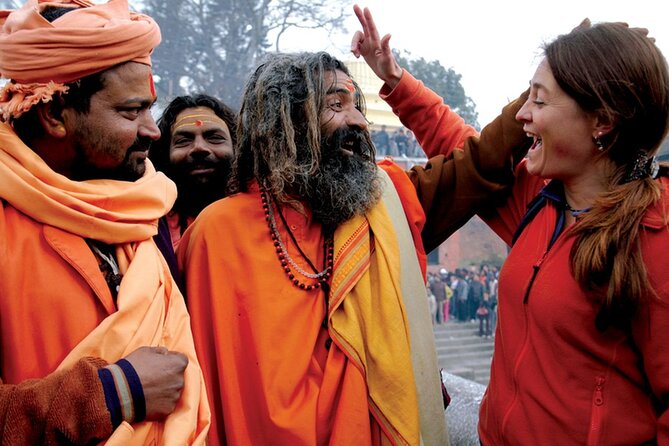
This stop isn’t only about architecture. It’s about how daily sacred life and major life events overlap. The riverside area is where you can observe Hindu cremation rituals along the Bagmati River. That’s powerful, but it also can be uncomfortable in a very real way. Smoke and strong smells can be part of the experience.
One tip I’d take from real visitor experiences: bring a face mask or protective covering. It’s specifically suggested for the tour, and there’s at least one report of a guide providing masks because the area can get smoky. Your guide should also be able to warn you what to expect before you get close, so you can decide how much you want to see.
Also remember this is an active religious area. Some temple areas may be restricted based on ritual rules, and you might only view certain parts from particular viewpoints. Even so, the combination of gold and silver details plus the riverside ceremonies makes this a stop that feels very different from the Buddhist sites later.
Boudhanath Stupa: Tibetan pilgrimage energy and the stupa ring walk

Boudhanath is located about 6 km east of Kathmandu, and it’s believed to date back to the 5th century AD. It’s often described as one of the biggest Buddhist stupas in the world, and that scale matters. When you stand in the area, you feel the place working like a hub, not a single monument.
Around the stupa, you’ll see lamas and monasteries forming a ring of religious activity. The site is holy for Tibetan Buddhists, and in winter, visitors come in large numbers to pay honor.
For many people, the most striking part is how Boudhanath functions socially. It’s not just quiet contemplation. There’s a rhythm to prayer, circling, and shared space. If you’re with a strong guide, you’ll also understand the symbolism behind what you’re seeing, not just the structures.
Practical note: this is another area where you’ll likely walk in crowds. Plan on slowing down. If you want photos, you’ll get better results by standing still and letting people pass rather than trying to force an angle in the middle of the walkway.
If you’re pairing Boudhanath with Swayambhunath, you get a neat comparison: a hilltop stupa viewpoint versus a ground-level ceremonial hub. Both are Buddhist, but they feel very different.
You can also read our reviews of more city tours in Kathmandu
The Everest View Hotel helicopter stop: how to make it count

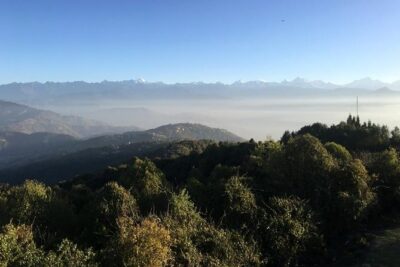
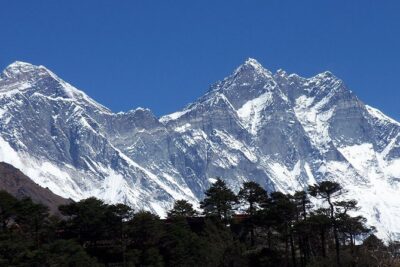
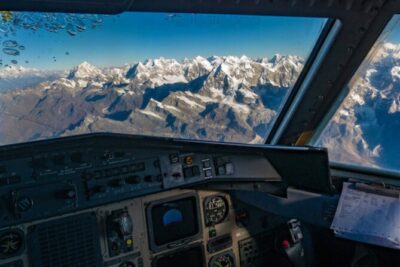
This tour includes a helicopter stop at Everest View Hotel for a closer look at Mt. Everest. Even if you’re not a hardcore mountain person, that detail is what turns a standard Kathmandu sightseeing day into something more memorable.
The honest truth is that mountain views depend on weather and visibility. In Kathmandu, fog, haze, and cloud cover can change your luck fast. The upside is that the tour builds in a specific slot for the experience, rather than leaving you to guess when or whether you’ll get a view.
What you should do to make it work: schedule your expectations like a professional. Bring your camera but also your flexibility. If clouds are thick, you can still enjoy the viewpoint and the idea of being close to the world’s biggest peaks, even if the view isn’t crystal clear.
Also, remember this is inside a six-hour day. If you’re someone who needs long pauses for photos, tell your guide early. Guides like Kapil and Saru have a reputation for adjusting time so you don’t miss the essentials without burning out.
Timing, traffic, and how the guide keeps the day from feeling chaotic

Kathmandu traffic can be slower than it looks on a map. One visitor noted that a drive estimated at 10-15 minutes can turn into 30 minutes or more. That’s exactly why this tour’s private structure matters. A guide and driver who know the rhythm of the city can keep you from losing the whole afternoon to road delays.
Pickup and drop-off are flexible, with options including areas like Thamel, Lazimpat, Naya Bazaar, Lalitpur, Ekantakuna, Boudha, and Kathmandu. You’ll meet your driver and guide at your hotel at the tour start time, then return you to one of the listed drop-off locations.
Time use is another strong point in the feedback you’ll see. Multiple people praised their guides for covering major sites without rushing. In practice, that means you get enough time to look around, ask questions, and still move on to the next stop before evening.
Bring cash for any on-the-spot purchases. Monument entry tickets must be bought on the spot, and your guide helps with this process. Also bring water, because a day that mixes steps and walking can get hotter than you expect.
Lunch and local food: where the guide helps you eat well

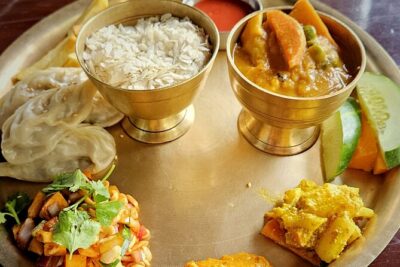
Meals are not included, but the tour is set up so you’re not left starving. Local cuisine is part of the experience, and your guide often recommends a good lunch spot based on what you want.
In feedback, lunch gets mentioned more than once, including rooftop meals with views near stupa areas. That matters in Kathmandu because eating somewhere with the right atmosphere can turn a quick break into a highlight. If you’re the type who likes savory and sweet items, you’ll likely have choices for both.
If you have dietary needs, ask early. Your guide can also help you manage timing, so lunch doesn’t steal time from the sites you came for.
The big takeaway: treat lunch as a planned pause, not an afterthought. If you pace it well, the afternoon feels smoother.
Price and logistics: what your $40 really buys

Here’s the straight talk. At $40 per person for a private 6-hour tour, you’re paying for three big things: hotel pickup and drop-off, a private car, and an English-speaking guide.
Then you pay separately for monument entry fees and meals. Entry fees are listed as NPR 2700 per person, about US$22, and there are different pricing rules by nationality categories. That can affect solo travelers a bit, so it’s smart to plan for additional cost beyond the base price.
Still, for me, the value argument is strong because you get help with:
1) figuring out what to prioritize when time is short,
2) getting context that makes religious sites easier to understand, and
3) moving efficiently between far-flung spots like Swayambhunath and Boudhanath.
If you’re traveling alone or as a small group and you want a first-day orientation, this style of tour often beats DIY. Not because DIY is hard, but because doing four major sites on your own in one afternoon is a planning headache, and you’ll spend more time waiting or backtracking than you want.
Who should book, and who should skip
This is a great choice if you want a concentrated introduction to Kathmandu’s spiritual landmarks. It’s especially suitable for:
people with limited time who still want UNESCO sites, solo travelers who appreciate a local guide, and couples or small groups who like structure but still want flexibility.
It’s also helpful if you care about the religious mix. Seeing Buddhist stupas and Hindu temple rituals in one day helps you understand Kathmandu as a shared cultural space, not two separate worlds.
The tour is not suitable for wheelchair users, so if mobility access is an issue, you’ll need a different plan.
If you’re the type who hates crowds and stairs, this might feel like a lot. But if you show up with comfortable shoes and a calm pace, the day can still feel rewarding rather than stressful.
Final call: should you book this Kathmandu private guided tour?
If you’re in Kathmandu for a short visit and you want to see the big names, I’d book this. The private car plus English-speaking guide saves you time, and the guide support helps with tickets and the reality of what you will and will not be able to access at each sacred site. It also helps that guides such as Kapil and Saru are repeatedly praised for time management and storytelling that makes the sites easier to grasp.
I’d only hesitate if you have low tolerance for walking, you strongly prefer slow, single-site visits, or you know you cannot handle the sensory side of the Bagmati River cremation areas. For most people, bringing a mask, wearing comfortable shoes, and asking questions early is enough to make it manageable.
FAQ
What places does this private Kathmandu tour include?
You’ll visit four major Kathmandu Valley monuments and religious sites: Patan Durbar Square, Swayambhunath (Monkey Temple), Pashupatinath Temple, and Boudhanath Stupa, plus a helicopter stop at Everest View Hotel for a closer view of Mt. Everest.
How long is the tour?
The duration is 6 hours.
How much does it cost?
The price is $40 per person. Monument entry fees and meals are not included.
Are monument entry fees included?
No. Monument entry fees are NPR 2700 (approx. US$22) per person, and entrance prices can differ for nationals of certain countries, including Chinese nationals, so you should check at the counter.
What’s included in the price?
It includes hotel pick-up and drop-off, a private car, and an English-speaking guide.
What should I bring?
Bring passport or ID card, comfortable shoes, water, cash, and a face mask or protective covering.
Are there restrictions on who can join?
The tour is not suitable for wheelchair users, and pets are not allowed.
What languages will the guide speak?
The guide speaks English, Hindi, and Nepali.
More Guided Tours in Kathmandu
More Tours in Kathmandu
More Tour Reviews in Kathmandu
Not for you? Here's more nearby things to do in Kathmandu we have reviewed
Kathmandu Private City Tours, compared.
★ 5.0Private Kathmandu Sightseeing Tour | UNESCO World Heritage sitesFrom $17756 reviews
★ 5.0Full Day 7 UNESCO Tour with Lunch – Private/GroupFrom $10415 reviews
★ 5.0Full Day Top 4 UNESCO Tour with Lunch – Private/GroupFrom $10269 reviews
★ 4.9Full-Day 7 UNESCO Tour with Lunch – Private/GroupFrom $5247 reviews
★ 4.97 UNESCO Sites Tour in 1 Day (Private Tour)From $4204 reviews
★ 4.9Top 4 UNESCO Tour with Lunch – Private/GroupFrom $5181 reviews
★ 5.0Kathmandu Private Sightseeing Tour | UNESCO World Heritage SitesFrom $35109 reviews
★ 5.0Full Day 7 UNESCO Tour with Lunch – Private/GroupFrom $5101 reviews
Browse the lists this tour appears in