Ghorepani Poon Hill Trek

REVIEW · ANNAPURNA TREKS FROM KATHMANDU

Ghorepani Poon Hill Trek

5.0 · 18 reviews From $380 Operated by Frolic Adventure Pvt. Ltd. · Bookable on Viator
Book on Viator →

Poon Hill sunrise is a real schedule changer. The Ghorepani Poon Hill Trek is a short Annapurna region trekking route built around that early climb, plus a comfy mix of lodge nights and village walking. Poon Hill sunrise and big mountain views make this feel like more than a quick hike.

I like how permits and key transport are wrapped into the price, so you spend less time chasing paperwork and more time on the trail. I also like the human touch from Frolic Adventure, with guides like Rajesh and Saroj showing up as calm organizers rather than just day-walk instructors.

One thing to consider: even though this is often called beginner-friendly, it is not a walk in the park. You still do real uphill and downhill, and one review even flagged that it may feel harder than expected for some people, especially if you are new to hiking or carrying a day pack.

Quick hits before you go

Ghorepani Poon Hill Trek - Quick hits before you go

  • Sunrise timing with a flashlight start so you are moving before the day gets bright.
  • Small group size up to 16, which usually means fewer headaches on shared logistics.
  • Permits included (ACAP Permit and TIMS card), plus the main fees and taxes.
  • Two nights in Pokhara, three lodge nights in the mountains, so you get a proper reset between hiking days.
  • Guide support you can actually ask questions to, highlighted by the helpful Rajesh and Saroj comments.

Poon Hill Sunrise and the “Short, Big-Views” Trek Plan

Ghorepani Poon Hill Trek - Poon Hill Sunrise and the “Short, Big-Views” Trek Plan
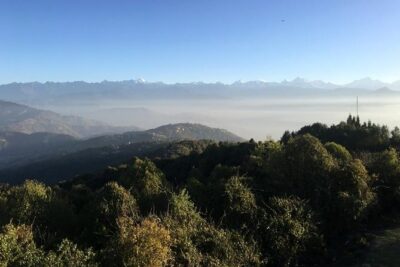
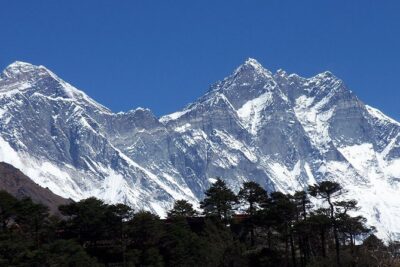
The Ghorepani Poon Hill Trek is famous for a reason: you get dramatic sunrise views without committing to a long, high-altitude expedition. The core idea is simple. You rise early, walk up to a viewpoint, watch the light hit the Annapurna and Dhaulagiri ranges, then return for breakfast and keep hiking at a slower, steadier pace.

What makes this trek smart for many people is the pacing. You are not trying to cover huge distances every day. Instead, you move through forests and traditional villages, with rest built into the day via lodge stops and planned start times. That structure is exactly why this is a top choice when you have limited days in Nepal.

You also get multiple chances to see peaks. Poon Hill is the headline, but you can catch more mountain views from the trek route toward the end of the trip. In practical terms, it increases your odds of memorable scenery even if clouds roll in.

You can also read our reviews of more hiking tours in Kathmandu

Price and value: What $380 includes, and what that means for you

Ghorepani Poon Hill Trek - Price and value: What $380 includes, and what that means for you
The listed price is $380 per person for roughly a 5-day trek experience. What you get for that money is meaningful because it removes several common trip-cost headaches: permits, major transport legs, and lodging basics.

Here is the value angle I’d focus on:

  • Permits and fees included: ACAP Permit and TIMS card are part of the package. That matters because you do not want a last-minute surprise when you arrive.
  • Transport included for the big connections: there is a tourist bus from Kathmandu to Pokhara, and private transport for key segments such as Pokhara to Birethanti and from Syauli back to Pokhara.
  • Lodging mostly handled: you get 2 nights in Pokhara hotels and 3 nights in mountain lodges.
  • Breakfast included: the package includes 4 breakfasts, which helps you control daily spending once you are in trekking mode.

What is not spelled out in the included items is dinner. So you should plan for meals beyond breakfast as an extra variable. If you have a tight food budget, decide in advance how you want to handle lunches and dinners during the trek.

For short treks, I like packages that reduce friction. This one does that by bundling the big logistics and permits, while still letting you enjoy the actual walking time on your own schedule within the day plan.

Day 1: Kathmandu to Pokhara by tourist bus, then you rest up

Your first day is all about getting into position. You leave Kathmandu at 7:00 am from Sorhakhutte near Thamel and ride a tourist bus to Pokhara, a drive that takes about 7 hours and covers roughly 200 km.

This day is valuable because it gives you a clean transition. Pokhara is your trekking launch pad, and starting early helps you avoid losing half your time to travel. You also arrive with daylight, which makes it easier to settle into your hotel and figure out where you are without racing the clock.

The only real drawback is the bus day itself. Long road travel can tire you, so treat Day 1 as rest and orientation. Keep your evening light, do a little walking near the lake area if you feel up to it, and save your energy for the first real hike.

Day 2: Pokhara to Nayapul and Ulleri area, a forest-to-village start

Ghorepani Poon Hill Trek - Day 2: Pokhara to Nayapul and Ulleri area, a forest-to-village start
On Day 2, you shift from road mode to trail mode. After breakfast, you take private transport from Pokhara to Nayapul, and the drive is about 1.5 hours. You reach Birethanti, then begin walking toward the Ulleri area.

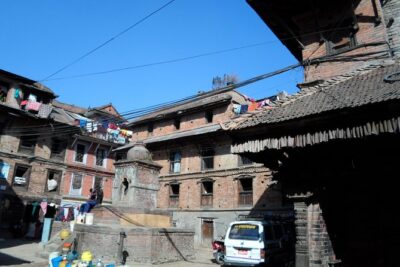
This is the kind of day that helps you dial in your hiking rhythm. The route starts connecting you to the culture side of the trek quickly. Ulleri and the surrounding villages are the early warm-up for what comes later: stone paths, small settlements, and the steady presence of people who live alongside these trails.

Expect a gradual build. Even if this is billed as easy, you are still climbing and descending. For day-to-day comfort, you’ll be happiest if you keep your pace controlled, take short breaks, and avoid sprinting uphill because the mountains will charge you back later.

One practical tip: bring a day pack you can trust. This is a trekking start day, which usually means you will want water, a light layer, and whatever you need for comfort before you are settled in for the next lodge night.

Day 3: Ulleri toward Banthanti and Ghorepani, forests and lodge time

Ghorepani Poon Hill Trek - Day 3: Ulleri toward Banthanti and Ghorepani, forests and lodge time
Day 3 is where the trek starts to feel like a classic Annapurna walk. After breakfast at the lodge, you begin a gradually ascending trail. The route includes a stretch of walking from Ulleri to Banthanti, then you move into forests.

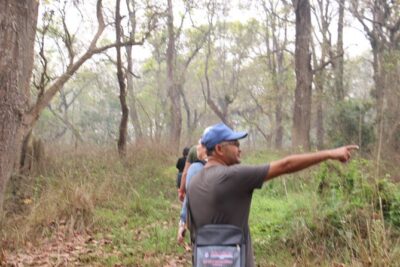
The vegetation is part of the charm: you pass oak, pine, and rhododendron along the way. That matters because it changes how the hike feels. A forest route can cool you down, break up the glare, and give your eyes something steady to focus on instead of only distant peaks.

You end at Ghorepani for your lodge stay. Lodges are where the trek becomes more social and more comfortable. You get the chance to warm up, hydrate, and ask your guide about timing for the next day’s sunrise climb.

A note for energy management: this is a day where you can feel good if you treat the ascent like a steady conversation with your breathing. If you push too hard early, you might pay for it the next morning.

Here's some more things to do in Kathmandu

Day 4: Poon Hill at dawn, flashlight start, sunrise payoff

Ghorepani Poon Hill Trek - Day 4: Poon Hill at dawn, flashlight start, sunrise payoff
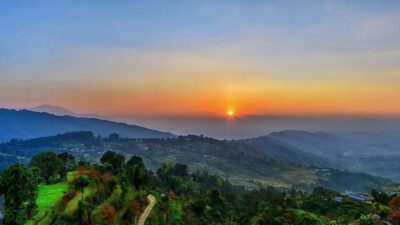
Day 4 is the headline day. You leave the lodge early and hike to Poon Hill with the help of flashlights, so you are on your way before the sun comes up. The climb to Poon Hill takes about one hour, and then you hike back to continue the day.

This early start is not negotiable if you want the views. It also means you should plan for cold. Even when the lower elevations feel mild in the afternoon, dawn can feel sharp when you are moving slowly on a mountain path.

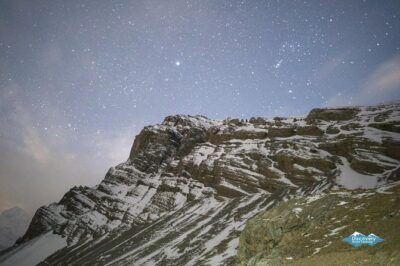
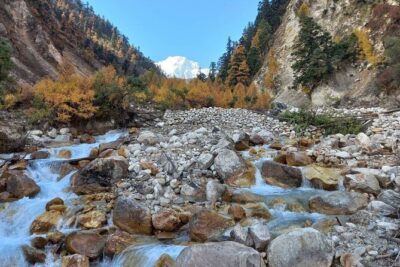
Why this day is worth it: Poon Hill is designed for maximum viewpoint impact in a short time window. You are positioned to see major mountain ranges, including Dhaulagiri and Annapurna. The trek also offers views of peaks like Annapurna I and Annapurna South, plus other surrounding summits when conditions cooperate.

In the guides you might get on this route, you can see why people keep praising the experience. Comments about Rajesh and Saroj emphasize that organization and guidance make the dawn climb smoother, especially if you are new to early starts or unsure what to expect from the trail.

Practical reality check: sunrise days can disappoint if fog or clouds roll in. But this trek still gives you something even if you do not get a perfect sky, because the hike itself is short and the surrounding ridges still offer changing views.

Day 5: Tadapani morning views, then down to Pokhara

Ghorepani Poon Hill Trek - Day 5: Tadapani morning views, then down to Pokhara
The final day is all about a gentle finish. You get another early morning view opportunity, this time from Tadapani, with breakfast afterward. From Tadapani, you can see mountains such as Annapurna South, Himchuli, Fishtail, and Annapurna II and III.

Then you continue the trek through the route back toward Pokhara. The details are less specific in the itinerary notes, but the overall idea is clear: you do enough walking to wrap up the circuit section, and you end with your connection to the city.

You also have a clear end point. The tour finishes at Hotel Splendid View in Pokhara (Gaurighat, Lakeside, Baidam). Your guide drops you there, and you will need to arrange transport back to Kathmandu or onward travel yourself.

This final-day handoff is normal for treks that loop back to the region. Just plan your next move in advance, especially if you have a flight later in the day. Pokhara is a busy hub, but it is still smart to avoid assuming you can get last-minute timing without a plan.

Guides, organization, and why Rajesh and Saroj keep coming up

Ghorepani Poon Hill Trek - Guides, organization, and why Rajesh and Saroj keep coming up
One of the most praised aspects of this trek is how smoothly it seems to run. Frolic Adventure, led by Rajesh, is repeatedly mentioned as responsive during trip planning and helpful during the actual trek. Another name that shows up is Saroj, described as a great guide and extremely helpful in getting things organized when you arrive.

In practical terms, good organizing means you:

  • do not waste time arguing about logistics,
  • get clear guidance about when to start hikes,
  • and feel comfortable asking questions on trail.

For a shorter trek, that matters even more. You are spending fewer days in Nepal, so each day needs to count. When the plan is already tight and well organized, you are more likely to enjoy the walking rather than worrying about what happens next.

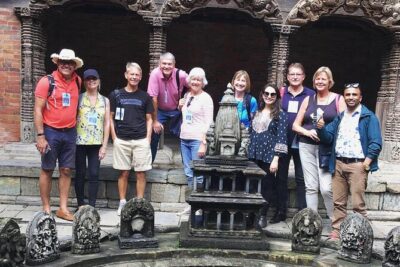
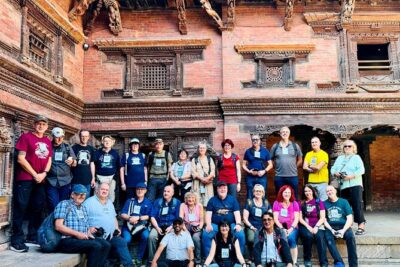
Group size also supports this. With a maximum of 16 travelers, you usually get the benefits of a group plan while still feeling like the trek is manageable and not chaotic.

Fitness reality: Beginner-friendly, but plan for effort

Let’s keep it honest. This trek is promoted as suitable for beginners, families, and elderly hikers, and there is a lot of appeal in that. But hiking uphill and downhill for multiple days is still hiking uphill and downhill for multiple days.

A review note also warned that it may not feel exactly easy, just fair warning. I take that to mean you should show up ready to work your legs, even if the distance each day is not extreme.

If you are considering it and you want to do well:

  • wear shoes you trust on rocky or uneven paths,
  • take short breaks before you feel breathless,
  • and keep your pace consistent on ascents.

Altitude is part of the Annapurna region experience, even on shorter routes. You will likely feel it as you go higher and as you slow down near viewpoints. That is not a reason not to go. It is a reason to hike smart.

This trek fits best if you want the Annapurna experience without committing to a long trek. It is also a strong choice if you like the idea of village life plus sunrise viewpoints rather than only wilderness hiking.

What you’ll likely experience at lodges and on the trail

The package includes 3 nights of lodge accommodation in the mountain region plus hotel nights in Pokhara. Lodges are the backbone of this kind of trekking, because they turn a multi-day trek into a routine: hike, eat, rest, then repeat.

The itinerary specifically confirms breakfast meals are included, which tells you how the day is structured. You start earlier, hike, then return to lodges for the next step. Because only breakfast is listed as included, plan extra money or planning for lunches and dinners as you go.

Also, pack for variable conditions. Sunrise hiking usually means cold mornings. Later in the day, you may feel warmer depending on sun and cloud cover. I’d bring a light system you can adjust quickly, and expect that your comfort will change hour to hour.

Food and water are practical priorities. Even on an easy trek, dehydration and low energy can make climbs feel harder. If your body starts feeling slow, your best fix is often water first, then small snacks, then a longer break.

Booking, pickup, and where the trip actually starts and ends

Your experience is run by Frolic Adventure Pvt. Ltd. The start point is listed at their office location in Kathmandu: Frolic Adventure Private Limited, Bagawan Bahal Marg, Kathmandu. Your pickup is offered, and the meeting point is near public transportation.

Your day 1 departure from Kathmandu is at 7:00 am from Sorhakhutte, close to Thamel. That means you should plan to be near Thamel the evening before so you are not scrambling for a ride at dawn.

At the end, the guide drops you at Hotel Splendid View in Pokhara. From there, you must handle your own transport back to Kathmandu or other destinations.

If you care about ease, this matters. You are trading a little independence at the beginning for a smooth, guided trekking experience, then you get a clean handoff at the end.

Should you book the Ghorepani Poon Hill Trek?

I think you should book this if you want a short Annapurna trekking hit that focuses on sunrise views, village paths, and a forest walk full of rhododendron, pine, and oak. The fact that ACAP permit and TIMS card are included, plus transport and lodging basics, makes the overall package feel built for travelers who want less admin and more time outside.

Skip it or reconsider if you know you hate early starts, or if you are expecting a true flat, effortless hike. Even on beginner-friendly routes, you still climb, and dawn mornings add another layer of effort.

If you want to maximize your odds of a great sunrise, plan for cold and keep your pace steady on the approach days. And if you are new to trekking, choose this route because you get guide support from people like Rajesh and Saroj, not just a handout and a checklist.

FAQ

How long is the Ghorepani Poon Hill Trek?

The trek is listed as 5 days approximately.

Where does the trek start and end?

It starts at Frolic Adventure Private Limited in Kathmandu and ends at Hotel Splendid View in Pokhara.

What is included in the price?

Included items list ACAP Permit and TIMS card, all fees and taxes, transport between major legs (Kathmandu to Pokhara by tourist bus, plus private transport for trekking segments), 2 nights hotel in Pokhara, 3 nights lodge accommodation in the mountains, and breakfast (4).

Is pickup offered?

Yes, pickup is offered, and the meeting point is near public transportation.

How big is the group?

The maximum group size is listed as 16 travelers.

Is cancellation free?

Yes. You can cancel up to 24 hours in advance for a full refund. If you cancel less than 24 hours before the experience starts, you will not be refunded.

More Hiking & Trekking Tours in Kathmandu