REVIEW · HELICOPTER TOURS
Everest Base Camp Trek with Helicopter Return to Lukla – 10 Days
Helicopter return changes the whole trek. This 10-day Everest Base Camp plan blends classic high-altitude walking with a helicopter ride from Gorakshep back to Lukla, guided end to end by a licensed English-speaking guide. You also get the cultural bookends in Kathmandu, so it is not just breathless mountain time.
I like that the logistics are handled up front, including permits for Sagarmatha National Park, TIMS, and Pasang Lhamu Entry, plus domestic flights and private transfers. You show up, get moving, and spend your energy on the trail instead of paperwork.
One possible consideration: the trip is weather-dependent, and both the trek and helicopter timing rely on good conditions. So if you are the type who hates plan changes, build in some flexibility.
Key Things That Make This Everest Trip Worth Your Time

- Helicopter return from Gorakshep to Lukla saves you from the hardest part of going back down on foot
- Licensed English-speaking guidance helps with pace, altitude awareness, and route clarity
- Permits handled for Sagarmatha National Park, TIMS, and Pasang Lhamu Entry
- Guesthouse trekking, not camping keeps things simpler and more comfortable at night
- Kala Patthar sunrise is a must-do when the sky cooperates
- Farewell dinner in Kathmandu with cultural dance gives you a proper send-off
Why a Helicopter Return Is the Real Differentiator

Most Everest Base Camp itineraries ask you to reverse the hike. This one keeps the adventure, then uses a helicopter to shorten the exit. That matters because fatigue stacks up at altitude. When your body is already tired, shaving days off the descent can feel like someone quietly turned down the difficulty level.
I like the balance here. You still do the walking that makes Everest real, including reaching Everest Base Camp and climbing to Kala Patthar. Then, at the end, you get an aerial view of the route you just earned. It is the kind of payoff that makes the whole thing click, even for first-timers who are worried they will miss something.
The helicopter also changes how you think about the last part of the trek. Instead of wondering if you can manage the long return on sore legs, you can focus on getting to Gorakshep, taking in the high-altitude views, and then letting the helicopter do its job.
You can also read our reviews of more hiking tours in Kathmandu
Kathmandu Hotel Setup and the 9:00 AM Airport Meeting

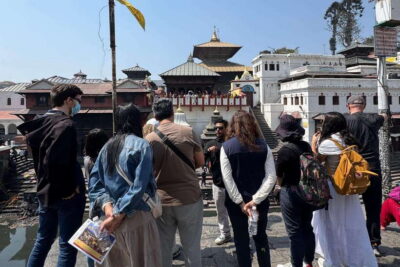
Your trip starts at Tribhuvan Airport in Kathmandu with a 9:00 am start time. You also get private vehicle transfers, which is a nice way to avoid the mental math of taxis right after arrival day.
In Kathmandu, you get a 3-star hotel with breakfast. That is not luxury in the mountain sense, but it is practical. A real bed and breakfast help you reset before flight day and trekking day. It is especially useful if your international arrival timing is messy.
You will also be dealing with practical items like permits and trekking logistics. This package has those covered, including the necessary entry and park paperwork. That is not glamorous, but it is the stuff that can derail a trek if you have to fix it at the last minute.
Getting to Lukla by Domestic Flight, Then Starting the Trek

The tour includes domestic flights from Kathmandu/Manthali to Lukla round-trip. You fly in, then your feet take over. This is the standard way into the Everest region, and it sets the tone quickly: you are moving from city altitude to mountain altitude fast.
The benefit of this format is simple. You do not lose days crossing the Nepal countryside. You get straight to the Sherpa villages and tea house rhythm that most people imagine when they think about this trek.
What I would watch for is how you handle that first push. Flight days can be tiring, and Lukla is where many trekkers feel the altitude right away. A good guide makes the difference by keeping you from rushing. In past groups led by guides such as Ram and Rupak, the common theme has been steady pacing and making sure everyone stays on track, including older trekkers and people with different dietary needs.
Sherpa Villages and the Dudh Koshi River: Where the Trek Gets Real

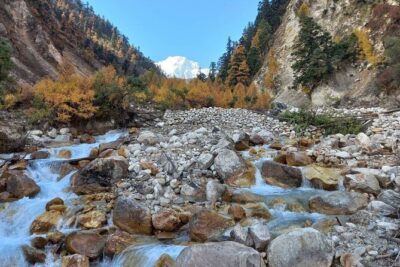
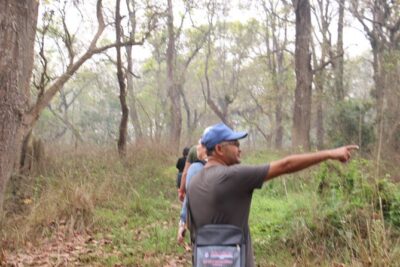
Once you are on the trail, you trek through Sherpa villages, lush forest areas, and along the Dudh Koshi River. This part is not just about distance. It is your daily routine training. Tea houses, small climbs, and changing views all help you read your own body.
Why this section is valuable: it eases you into the Everest region’s culture and the trekking ecosystem. You are not dropped into base camp in one jump. You get time to learn how villages work up here, what a normal day rhythm looks like, and how to keep your energy steady.
A potential drawback is also typical: the trek can feel steady but not easy. Even when daily distances are manageable, the altitude can turn a normal walk into a slow, careful climb. The good news is that guesthouses along the route are part of the plan, meaning you are not building survival logistics each night.
Namche Bazaar Stops You From Feeling Like a Robot
Namche Bazaar is a key pause in this itinerary. It is the kind of place where your body gets a break and your brain gets a reset. You are still trekking, but you get time to look around, eat well, and notice that the Everest region has a full community, not just trails.
This is also where acclimatization starts to matter. Even though you are not told to do “magic altitude tricks,” you are in a plan that includes acclimatization later in Dingboche. Namche helps bridge you into that higher zone.
A practical tip: use this stop to get your gear sorted. Boots, socks, and the small daily habits you can control become more important the higher you go. This is also where having a guide who manages pace helps you keep your breathing under control.
A few more Kathmandu tours and experiences worth a look
Tengboche Monastery: Culture With Elevation in the Background

Tengboche is known for its monastery, and this tour includes a pause there. If you care about more than just peaks, Tengboche is one of the stops that adds meaning. You are in a spiritual, cultural setting with mountain backdrops, and you get a sense of what the Sherpa communities protect and practice.
I also like that this stop breaks up the physical grind. Trek days can blur together, but monastery visits give you a clear memory anchor. You feel like you visited something, not just moved through it.
The drawback to expect here is the same one that applies to the whole trek: weather can affect what you see. Cloud cover happens. Fog blocks views. It is not a reason to panic, but it is why you should pack patience.
Dingboche Acclimatization: Turning Up Slowly

Dingboche is included specifically as an acclimatization point. That is a big deal. Acclimatization stops are what keep the trek from becoming a straight sprint upward.
I think of Dingboche as the “slow down and listen” day. Even if you feel okay in the morning, altitude can catch up later. The right approach is to take it easy, eat, drink, and keep moving just enough to stay comfortable.
This is also where a licensed guide matters. A guide can help you interpret symptoms and nudge you toward smart decisions, like keeping your pace conservative. People who have trekked with teams led by guides such as Ram often mention how much confidence the group gained from having someone watching the condition of each person.
Everest Base Camp, Then Kala Patthar Sunrise

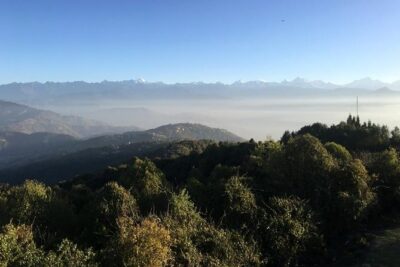
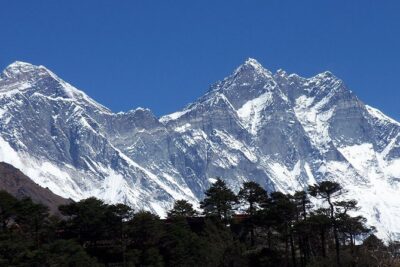
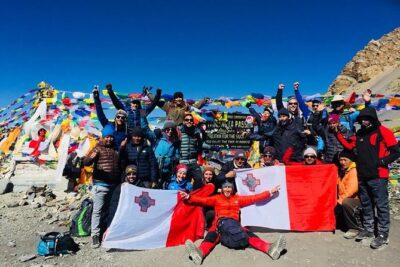
Reaching Everest Base Camp is the headline moment. You get the chance to see Everest’s majestic face in person. And then you do the hike to Kala Patthar for sunrise over the Himalayas.
Why Kala Patthar is such a big deal: it is a viewpoint that many trekkers describe as the moment Everest finally feels close and real. Sunrise adds drama because light changes fast, and clear skies can make the whole scene look sharper than you thought possible.
The trade-off is timing and effort. Sunrise hikes start early, and cold can be real at those elevations. This tour includes a sleeping bag and trekking gear (like a duffel bag, T-shirt, and map), which helps you avoid awkward last-minute gear buying. Still, you need to be ready for early starts and cold mornings.
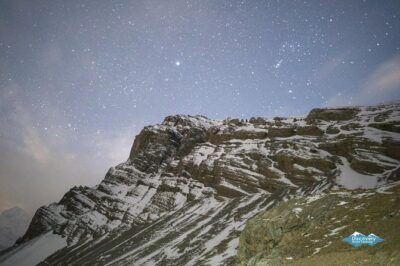
If you are hoping for perfect visibility, keep your fingers crossed. When weather is good, it is stunning. When it is not, you still get the experience of getting that far and seeing what the mountain will give that day.
Gorakshep to Lukla by Helicopter: The View From Above
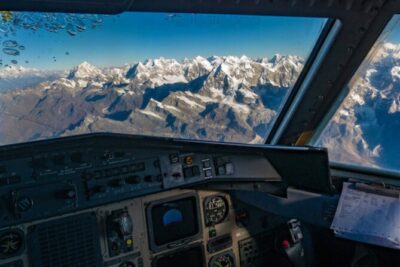
After trekking, the itinerary includes a helicopter ride from Gorakshep to Lukla. This is your aerial recap of the work you just did. You can look down and connect trail sections to what they look like from above.
I also like the emotional effect. After days of slow effort, the helicopter creates a moment of relief and awe at the same time. It feels like the trek is being honored. You earned it, then you get rewarded with a birds-eye perspective.
A practical note: helicopter rides depend on weather. The company’s policy also accounts for weather-related cancellations, offering an alternate date or a full refund if the experience is canceled due to poor weather. So keep your schedule flexible and do not plan tight connections on the same day unless you have buffer.
Kathmandu Farewell Dinner and Nepali Dance
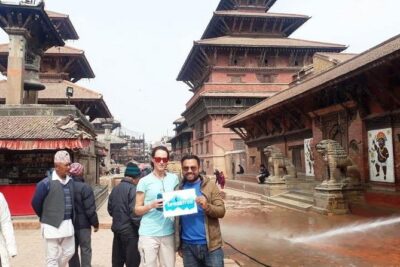
When you return to Kathmandu, you end with a cultural farewell dinner featuring traditional Nepali dance. This is the right kind of closure. It turns the trek into a story arc instead of just a list of mountains climbed.
This dinner also helps you shift back into normal life. Trekking meals on trail are simple and familiar, and then suddenly you are back to Kathmandu food and evening rhythm. The cultural show is included, which means you get more value without having to shop around for an activity.
Trek Comfort: Guesthouses, What You Carry, and What Is Supplied
During the trek, you stay in standard guesthouses. That is the sweet spot for a lot of people. You get warm meals and basic beds without the extra work of camping.
One of the smartest inclusions here is trekking gear: a duffel bag, sleeping bag, T-shirt, and a map. It reduces what you have to pack. If you are traveling from abroad, gear weight can be a real budget and comfort issue.
You also get a comprehensive first aid medical kit. That is not a guarantee you will never feel altitude effects. But it signals that the operator is prepared for common trekking issues.
Porters are optional. The recommendation is one porter for two trekkers. If your goal is to enjoy the trek rather than play endurance hero, consider using one. Even with guesthouses, carrying a heavy pack at altitude can slow you down.
Price and Value: Is $799 a Good Deal Here?
At $799 per person, this is not a bargain-basement trek. But it is also not just another “guided walk with a brochure.” The value comes from what is included that most trekkers otherwise pay separately for.
You get:
- Kathmandu hotel with breakfast
- domestic flights between Kathmandu/Manthali and Lukla
- a helicopter ride from Gorakshep to Lukla
- trekking permits (Sagarmatha National Park, TIMS, and Pasang Lhamu Entry)
- a licensed English-speaking guide
- guesthouse lodging
- trekking gear plus a medical kit
- a farewell dinner with Nepali dance
If you compare this to doing the base trek yourself, you quickly realize how expensive and time-consuming the helicopter, permits, and flight planning can be. Even when self-planning is cheaper on paper, the stress cost is real.
So who gets the best value? You do if you want the full Everest experience without turning the trip into logistics class. If you love planning and negotiating on your own, you might find cheaper options. But if you want your time in the mountains to be the whole point, this package makes sense.
Who This Everest Base Camp Trek With Helicopter Return Fits Best
This tour is best for people with moderate physical fitness who want a structured plan. It is also a strong fit if you are traveling with limited trekking experience and you appreciate having permits, lodging, and route guidance handled.
It also makes sense if you are nervous about the hardest part of an Everest Base Camp exit. The helicopter return reduces the “can I make it back on tired legs” stress that can affect your enjoyment.
It is not the right fit if you hate weather risk. The experience requires good weather, and the helicopter timing depends on it. If you absolutely cannot change dates, you may want to build in more flexibility or consider a fully flexible travel approach.
Should You Book This Everest Base Camp Helicopter Return?
If you want Everest Base Camp and Kala Patthar, but you also want your trip to feel manageable at the end, I think this is a smart way to do it. The helicopter return is not a gimmick. It changes how you recover and how you enjoy the final stretch.
I would book if:
- you want guidance and a smooth plan, not guesswork
- you value guesthouse comfort over camping logistics
- you like the idea of getting a view of the trek route from above
- you want a real cultural finish in Kathmandu
I would hesitate if:
- your schedule is rigid and cannot handle weather changes
- you want the cheapest possible option, regardless of included value
If you can handle cold mornings, slow altitude days, and some weather uncertainty, this plan gives you a lot of Everest for your time on your feet.
FAQ
What is the helicopter portion of the trip?
The helicopter ride is from Gorakshep to Lukla.
Where does the tour start in Kathmandu?
The meeting point is Tribhuvan Airport in Kathmandu, Nepal, with a start time of 9:00 am.
What is included for trekking lodging and the guide?
You stay in standard guesthouses during the trek, and you have a licensed English-speaking guide.
Do I need to arrange permits and entry fees?
Permits are included for Sagarmatha National Park, TIMS, and Pasang Lhamu Entry.
What trekking gear is provided?
The package includes a duffel bag, sleeping bag, T-shirt, and a map.
Do I need travel insurance?
Yes. Your insurance must cover medical costs and high-altitude evacuation.
FAQ
Do I need a porter?
Porter service is optional. The recommendation is one porter for two trekkers.
What if weather is poor?
This experience requires good weather. If it is canceled due to poor weather, you will be offered a different date or a full refund.
Is a Nepal visa required?
You need a Nepal visa, which is obtained on arrival.
How many people are in the group?
The maximum group size is 15 travelers.
Are meals included during the trek?
Meals during the trek are not included, and lunch and dinner in Kathmandu are also not included. Only what is specified in the inclusions is covered.
When can I cancel for a full refund?
You can cancel up to 24 hours in advance for a full refund. If you cancel less than 24 hours before the start time, the amount paid is not refunded.
More Helicopter Tours in Kathmandu
More Hiking & Trekking Tours in Kathmandu
More Tour Reviews in Kathmandu
Not for you? Here's more nearby things to do in Kathmandu we have reviewed
Helicopter Tours, compared.
★ 5.0Everest Base Camp Helicopter Tour landing at Everest View HotelFrom $1,575668 reviews
★ 5.0Everest Base Camp Helicopter Tour landing at Hotel Everest ViewFrom $1,600218 reviews
★ 5.0Everest Base Camp Trek with Helicopter Return from Gorakshep to LuklaFrom $3,000161 reviews
★ 5.0Everest Base Camp helicopter tour with landingFrom $1,60061 reviews
★ 5.0Everest Base Camp Helicopter Tour with Hotel Everest View LandingFrom $1,49052 reviews
★ 5.0Guaranteed Landing at Everest Base Camp Kalapathar by HelicopterFrom $3,50038 reviews
★ 5.0Everest Base Camp Helicopter Tour landing at Everest View Hotel.From $1,98534 reviews
★ 4.9Everest Base Camp Helicopter TourFrom $1,86330 reviews
Browse the lists this tour appears in