REVIEW · EVEREST BASE CAMP TREKS FROM KATHMANDU
Everest Base Camp trek 14 days
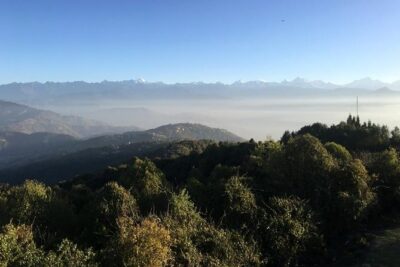
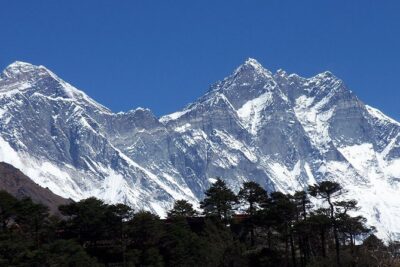
The mountains do the talking on this trek. If you want Everest Base Camp without turning it into a stressful project, this 14-day plan lines up transport, lodging, permits, and key meals. You’ll also be in position to see major peaks like Ama Dablam and Everest as you move through classic high-altitude villages.
What I like most is the practical handling of details, especially the included sleeping bag and down jacket so you are not scrambling last minute. I also love that the big chunks of food and transport are covered, which keeps your energy for the walking. One consideration: the schedule is built around real altitude, and the trek still demands a moderate physical fitness level, so you should be honest about your stamina.
Key highlights at a glance

- No-stress logistics with accommodations and transport planned for you for 13 nights
- Gear included: sleeping bag and down jacket for the trek
- Permits covered: TIMS card and trekking permit included in the price
- Most meals included on trek (breakfast, lunch, dinner as listed)
- Sunrise-to-summit views route with a hike to Kalapatthar on Day 10
- Farewell finale with a special cultural show and a farewell dinner
What this Everest Base Camp plan does differently
Most Everest Base Camp treks are sold as an itinerary. This one is sold as a system. You get the kind of structure that helps you focus on breathing, pacing, and enjoying the views, instead of tracking transfers, permits, and logistics day after day.
The trip is positioned around 14 days total, with a route that starts in Kathmandu and then gets you into the Lukla corridor, moving step by step through acclimatization days in Namche Bazaar and Dingboche. Those rests matter because they let your body adjust as you climb toward higher camps and eventually Everest Base Camp.
For value, I also appreciate that the price is doing more than paying for a bed. It includes airport pick up and departures in Kathmandu, Lukla flight tickets, lodging during the trek and city hotel, and a guide package. In other words, you are not piecing together a dozen separate vendors.
You can also read our reviews of more hiking tours in Kathmandu
Price and logistics: where your money really goes

At $1,380 per person, it is not the cheapest way into Everest country, but it is built to be cost-effective for what you get. You are paying for a complete package: Kathmandu hotel nights, trekking lodge stays, transport between sections, and the key flights between Kathmandu and Lukla.
Here’s what’s included that tends to drive real costs on its own:
- Kathmandu airport transfers and Lukla flight tickets
- Ground transport in an A/C car and tourist deluxe bus where it applies
- Trekking permit + TIMS card
- Guide support with guide salary, plus guide accommodation, meals, and insurance
- Your sleeping bag and down jacket if you need them
- Daily breakfast, lunch, dinner on trekking days as stated in the schedule
What I’d watch, so you don’t get surprised:
- International airfare is not included.
- Travel insurance is not included.
- Tips for the trekking crew are not included.
- Extra meals in Kathmandu and personal expenses are not included.
In practice, this package works best if you want everything coordinated and you want to arrive ready to walk.
Getting from Kathmandu to Lukla without the chaos
Day 1 is straightforward: arrival in Kathmandu. Then on Day 2, you fly to Lukla via a short flight (about 40 to 45 minutes), followed by your first trek stretch to Phakding. That Lukla jump is usually where people feel the itinerary become real, because it turns a map into a mountain schedule fast.
Day 2 trek: Lukla to Phakding
- Altitude: 2,640 m and 866 ft described for the route section
- Time: about 3 to 4 hours
- Meals: B, L, D
- What to expect: a gentle on-ramp, giving you a chance to get used to the rhythm of the trail and simple lodge life.
Day 3 trek: Phakding to Namche Bazaar
- Altitude: around 3,440 m
- Time: about 5 to 6 hours
- Meals: B, L, D
- Why Namche is a big deal: it is a major hub for supplies, warm drinks, and the first big sense of the Everest region unfolding.
Acclimatization days in Namche and Dingboche
Acclimatization is where good planning shows. You get two dedicated periods built around altitude adaptation, which helps you avoid the common mistake of treating Everest country like a straight hike.
Day 4: Acclimatization in Namche Bazaar
- Meals: B, L, D
- What this day means for you: it gives breathing room to adjust and to take in views without adding another long climb immediately.
Day 6: Dingboche acclimatization
- Meals: B, L, D
- Why Dingboche works as a pause: it places you on the higher side of the route without pushing you straight to the highest points.
This is also a smart place to take care of the basics you might ignore early on: water habits, layers, and shoe fit. If you are the type who tends to rush, those rest days help you settle into pacing.
Tengboche to Dingboche: the classic high-village rhythm
After Namche, your route continues through the iconic points where the scenery starts to feel dramatic in a very practical way, because it changes what you see each day.
Day 5 trek: Namche Bazaar to Tengboche
- Altitude: 3,860 m
- Time: about 6 to 7 hours
- Meals: B, L, D
- What to expect: trekking into a religious and cultural centerpiece, with views that can include major peaks when the weather is clear.
Day 6 to Day 7 section: Dingboche area
- Day 6 is acclimatization
- Day 7 trek returns to Dingboche at about 4,410 m with a 5 to 6 hour walk
- Meals: B, L, D
- Practical takeaway: this gives you more time at altitude before pushing to the next stage toward Lobuche.
If you want the best experience, treat these days as training. Your goal is steady effort, not heroic speed.
Lobuche to Everest Base Camp: the long push
Day 8 trek: Dingboche to Lobuche
- Altitude: 4,910 m
- Time: about 5 hours
- Meals: B, L, D
- Why this day matters: you are rising into the stretch where cold and thin air become harder to ignore.
Day 9: Trek to Everest Base Camp, then back to Gorakshep
- Meals: B, L, D
- Altitude markers: base camp listed around 5,200 m and Gorakshep at the same high zone described
- What to expect: a day that feels like two missions. You go out to Base Camp, then you still have to manage the energy cost of heading back.
This is where a good guide earns their keep. The itinerary is structured, but your body is the unpredictable variable. Having someone focused on pacing and safety makes the experience smoother.
Kalapatthar and the descent to Periche
Day 10 is one of the most famous parts of the trek: Kalapatthar, then a long descent.
- Morning hike: to Kalapatthar at about 5,550 m
- Time: about 2 hours 30 minutes
- Then: trek down to Periche at about 4,200 m
- Time for the full day: about 7 hours
- Meals: B, L, D
Why I like this design: you get a concentrated climb to a high viewpoint, then you move down to ease the strain on your system. From a comfort standpoint, that combination beats a day that stays high the entire time.
If you are sensitive to cold, this is also when layers and wind protection become essential. The fact that the plan provides a down jacket and sleeping bag helps you handle the cold without buying extra gear.
Back to Namche, then Lukla flights home
Day 11 trek: Periche to Namche Bazaar
- Altitude: about 3,441 m
- Time: about 6 hours
- Meals: B, L, D
Day 12 trek: Namche Bazaar to Lukla
- Time: about 7 hours
- Meals: B, L, D
- What to expect: you are still walking hard, but you are also trending downward, which often makes the final leg feel more doable.
Day 13: Fly back to Kathmandu
- Meals: B
- Then Day 14: farewell and departure
- Meals: B
The itinerary closes with a cultural show and farewell dinner, which is a nice touch because it gives you a human ending, not just a checklist exit.
The human side: guides, sherpas, and how support shows up
One of the most praised parts of this trek experience is management and guidance. In the feedback, I keep seeing the same pattern: the guide is friendly, knowledgeable, and focused on safety, and everything is well coordinated from transport to permits to meals and accommodation.
Names that come up include Suresh and Sobit as guides, plus sherpa support from Pasang in at least one account. In another account, a guide named Ram appears in a broader Nepal plan, showing how the company’s guides can fit into a wider itinerary.
Even without exaggeration, you can use this as a decision signal. On an Everest Base Camp trek, the guide’s role is not just route guidance. It is pacing, communication, and keeping the group moving with good timing.
Meals, lodges, and the real meaning of included food
This trek gives you daily three meals during the trek as listed, with breakfast, lunch, and dinner included. That matters more than people think, because high-altitude hiking burns energy, and it also drains patience. Having meals planned reduces decision fatigue and helps you keep moving without hunting for snacks every time.
Accommodation is also planned:
- City: standard hotel in twin sharing with breakfast
- Trek: trekking lodge stays throughout
You should still expect basic mountain lodge setups, not luxury resorts. But the consistency is the point. When your sleep is protected and your food is handled, you can focus on the trek, not logistics.
Equipment included: how to pack smarter
The biggest practical win is gear support. If you need it, the trek provides:
- Sleeping bag
- down jacket
That can save you money and stress. It also helps you avoid bringing gear that you later realize doesn’t work for cold nights. Even if you choose to bring your own, having this option is reassuring.
What I’d still do before you go:
- Pack layers you can adjust during the day
- Keep a system for gloves, hat, and warm socks
- Plan to dry stuff when you can, because damp clothing at altitude is a morale killer
Who this trek suits best, and who might want a different style
This Everest Base Camp trek fits you if:
- You want a well-organized package with transport, permits, lodging, and most meals handled
- You prefer moderate structure over constant decision-making
- You are physically ready for multi-hour days and altitude acclimatization
- You value experienced local guidance and safety focus
It may not be your best fit if:
- You are the type who hates group schedules and fixed meal timings
- You want lots of free time to roam off-route in major towns (your time is structured around the trekking plan)
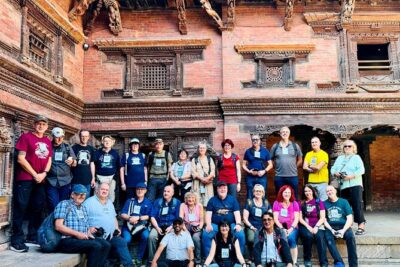
Group size is capped at 18 travelers, which usually feels comfortable for coordination without turning into a massive crowd.
Should you book this Everest Base Camp trek?
I’d seriously consider booking if you want Everest country with reduced planning friction and you value inclusions that actually cost money on the ground. The combination of Lukla flights, lodge stays, TIMS and permit coverage, daily meals during the trek, and provided sleeping bag and down jacket is the kind of bundled value that makes the overall price feel more reasonable.
Before you say yes, confirm two things for your own peace of mind: you are comfortable with the trekking effort and altitude days, and you have travel insurance and international flights handled separately. If those boxes are checked, this is a strong way to do Everest Base Camp, with a well-run team and a proper finish that feels more like a trip than a transaction.
FAQ
What does the trek price include?
The price includes Kathmandu airport pick up and departures, Kathmandu and Lukla flight tickets, transportation by A/C car and tourist deluxe bus, a Kathmandu standard hotel with breakfast, trekking lodge accommodations, trekking permits (TIMS card and trekking permit), daily breakfast, lunch, and dinner during the trek as listed, a first aid medicine item, a T-shirt, a trip achievement certificate, guide support (salary, accommodation, meals, insurance), and a special cultural show plus farewell dinner.
Are meals included during the trek?
Yes. During the trek, it includes three meals per day (breakfast, lunch, dinner) as shown in the itinerary.
Is a sleeping bag and down jacket provided?
Yes. Sleeping bag and down jacket are provided for the trek if you need them.
How does transportation work between Kathmandu and the trek?
You get airport pick up and departures in Kathmandu, flights to Lukla and back to Kathmandu, and ground transportation using an A/C car and tourist deluxe bus during trips.
What trekking permits are included?
Your trekking permit and TIMS card are included.
What is the maximum group size?
The tour has a maximum of 18 travelers.
What is not included in the price?
Not included are extra meals in Kathmandu, personal expenses, bar bills, tour entrance fees, your international air ticket, travel insurance, and tips for the trekking crew.
Is there a cultural show or farewell dinner?
Yes. The experience includes one special cultural show and a farewell dinner program.
More Hiking & Trekking Tours in Kathmandu
More Tour Reviews in Kathmandu
Not for you? Here's more nearby things to do in Kathmandu we have reviewed
Everest Base Camp Treks from Kathmandu, compared.
★ 5.0Everest Base Camp Trek – 14 DaysFrom $1,8001,499 reviews
★ 5.0Everest Base Camp TrekkingFrom $1,350485 reviews
★ 5.0Everest Base Camp Trekking – 13 DayFrom $1,399365 reviews
★ 5.0Everest Base Camp Trek -14 DaysFrom $1,420321 reviews
★ 5.0Everest Base Camp Trekking – 2025/2026From $1,339199 reviews
★ 5.0Everest Base Camp TrekFrom $1,408193 reviews
★ 5.014-Days Private Everest Base Camp TrekFrom $1,600152 reviews
★ 5.0Everest Base Camp TrekkingFrom $1,350146 reviews
Browse the lists this tour appears in