REVIEW · EVEREST BASE CAMP TREKS FROM KATHMANDU
Everest Base Camp Trekking
Everest starts with a plane ticket and patience. This 14-day, small-group trek is built around guided pacing and avoiding logistics overload, with the payoff being big mountain moments along the Khumbu.
I like that the trip includes teahouse accommodation and meals, so you can focus on hiking instead of figuring out what to eat and where to sleep each night. You also get scheduled acclimatization built in, like the Namche rest day with a short hike to a nearby viewpoint.
One thing to plan for: the itinerary still demands strong fitness and careful hiking, especially on steep, rocky sections and during early sunrise starts.
Key highlights worth caring about

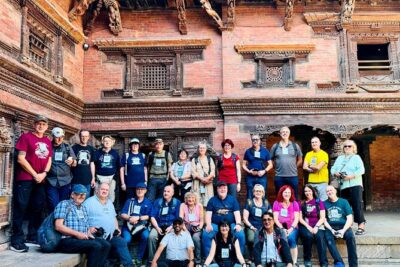
- Max 10 people keeps the trek feeling personal, not like a cattle line.
- Guide-led route choices help you avoid getting lost and reduce decision fatigue.
- Teahouses included means you can pack with less uncertainty about lodging and food.
- Acclimatization stops (like Namche) help you manage altitude instead of charging uphill every day.
- Kala Patthar at sunrise is timed so you get a real shot at dramatic views.
- Lukla flights round-trip add efficiency, but they also mean you should stay flexible around weather.
Kathmandu first: a smoother start than you’d think

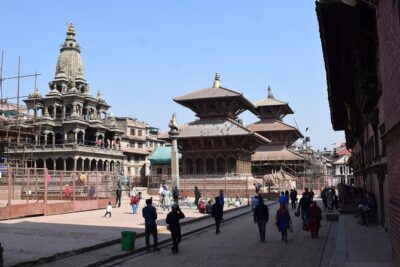
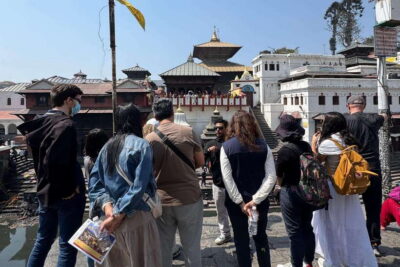
Kathmandu can be chaotic on arrival. That is why I like the structured start: you meet an airport representative at Tribhuvan International Airport, then get a private vehicle drop to your hotel. If you are tired from travel, you can rest, or you can swing by the office to get the details lined up.
This matters because your first day should reduce mental load. When you know who to talk to and where to be, you sleep better and you show up calmer for the next morning’s flight day. It is a simple thing, but it changes how the whole trek feels.
You can also read our reviews of more hiking tours in Kathmandu
Lukla flight: sunrise views, plus the one thing to respect

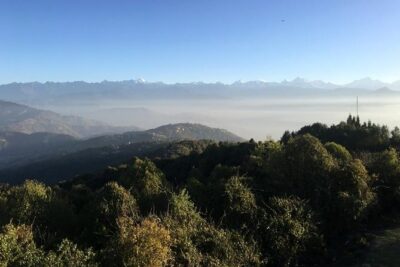
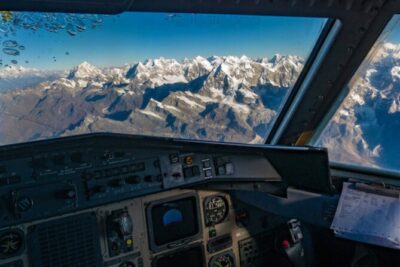
Day 2 is an early drive to the domestic airport terminal for the flight to Lukla. The timing is a big deal here. You get outstanding views of sunrise over snowcapped mountains, and landing at Tenzing-Hillary Airport puts you right into the Khumbu adventure mode.
Here is the practical consideration: the trek operates in all weather conditions, and high-mountain travel always means there can be delays or discomfort. Even with the best plan, air and mountain weather can be unpredictable. So I’d treat flight timing as something you adjust to, not something you fight.
Day 3 to Phorse: pine forests, river valleys, and early mountain drama

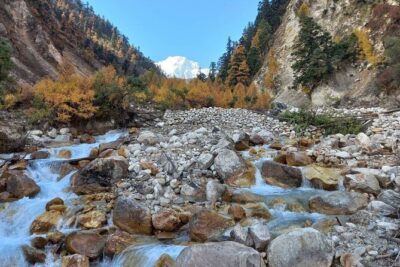
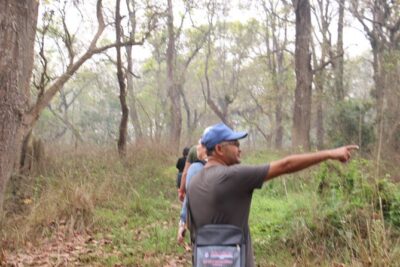
The trek really starts to feel real once you leave Kathmandu behind. The route passes through pine forests and along the Dudh Koshi River, with views of Mount Thamserku along the way. You also pass settlements and a check post when you enter Sagarmatha National Park.
This stretch is valuable because it is not just scenic, it is your body’s warm-up to the rhythm of trekking. You are moving steadily, building altitude gradually, and getting those first “how is that peak so sharp?” moments.
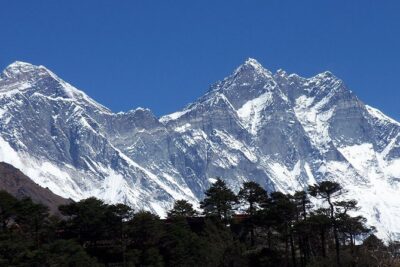
As you continue toward Phorse, the goal becomes working up elevation while still staying under control. The itinerary also includes viewpoints and glimpses of giants like Ama Dablam, Khumbu, and Thamserku. That is the kind of payoff that makes the early miles feel worth it.
Namche Bazaar acclimatization: rest day that still gives you something

Namche Bazaar is a key hub in the Khumbu region. It is well set up for travelers, with ATMs, internet cafes, restaurants, and bakeries. The rest day here is not a wasted day either. The plan includes a short hike to a nearby viewpoint for acclimatization.
I like this approach because it respects altitude. You get time to absorb the elevation without turning the rest day into a full workout. At the same time, the short hike keeps the day active, so you do not lose momentum or feel stuck.
If you are worried about altitude symptoms, this style of day helps. You can move enough to feel good, but you do not overdo it. That balance is one of the best reasons to choose a guided itinerary instead of trying to freestyle everything.
Phorse to Dingboche: monasteries, alpine forests, and upper Khumbu vibes

From Phorse to Dingboche, the trail continues through alpine forests and passes villages in the upper Pangboche area, moving toward places like Sho’mare along the way. There is also a visit to a major Buddhist monastery in the region.
This is one of those parts of the trek people sometimes underestimate. The Himalaya is not only about towering peaks. It is also about how people live deep in the mountains, the religious sites they maintain, and the daily rhythm of mountain communities.
The higher you go, the more the environment changes. Dingboche is where the air feels thinner and the hills feel steeper. Having the itinerary’s structure here helps because you are not guessing when to push and when to settle.
Chasing big views near Dughla and beyond: Chola glacial moraine energy

The climb begins from Duglha through the Khumbu Khola valley. Along the route, you can see places like Dusa, a yak herders place, and Phulong Karp, associated with the first successful Everest expedition camp from 1953.
That historical anchor matters because it turns your effort into context. You are not just walking uphill, you are following in the tracks of decades of exploration, where local routes and survival knowledge shaped what was possible.
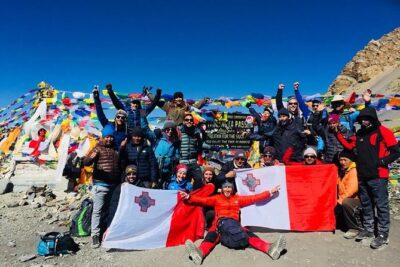
As the trek continues, you reach the terminal moraine of the Khumbu glacier. From there, the ascent to Chupki Lhara starts, described with boulders and prayer flags. You also come across collections of stones with prayer flags. Those small details help the trek feel like a lived-in place, not a tourist backdrop.
Thangma Riju and the “almost Everest” feeling

Day 9 is one of the standout view days on this route. At Thangma Riju, you can experience a 360-degree panoramic view of snowcapped mountains. The plan also notes that Mount Everest is not seen from here, which is oddly reassuring.
Why? Because it sets expectations. When you reach a viewpoint and realize Everest is not directly visible yet, you understand you still have progress to make. This reduces the chance of disappointment and increases the chance of appreciating the actual view in front of you.
This is also a strong day for photography and for mentally absorbing the scale of the region. Even without direct Everest sightlines, the surrounding peaks can make you feel like the world has shrunk to one enormous mountain system.
Kala Patthar at sunrise: the big moment, timed on purpose

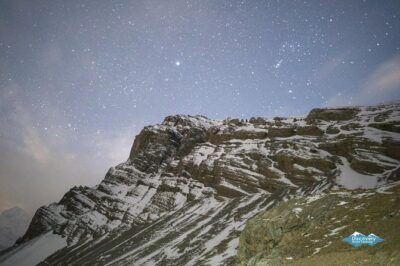
Day 10 starts much earlier so you can witness Everest when dusk turns to bright morning with daylight. You walk toward Kala Patthar for sunrise viewing, and that stop includes an admission ticket free note with a short time block.
This is the kind of planning you want on an Everest trek. Sunrise viewing is sensitive to timing, light, and conditions. If your schedule is too loose, you might miss the best window. If it is too rushed, you might arrive exhausted and cranky. This trek tries to land the sweet spot: start early, hike with purpose, then enjoy the payoff.
Practical tip: the early start means you should already have your layers and gloves ready. Cold at that altitude can sneak up on you, even if the day looks mild at lower elevations.
Downhill return: slow control on steep rocky trail
After the peak-experience days, the plan shifts to descent. Day 11 continues with routes back through Duglha terminal moraine areas, with villages like Pheriche and Orsho along the way. You also pass through Pangboche, where you can explore an old monastery.
I like adding a culture stop during the descent because it gives your mind something to do besides counting steps. It also breaks up the monotony of going downhill.
Day 12 is described as steep downward terrain with rocky sections. The important part is the guidance: walk really slow and controlled. That is not just advice for comfort. It is injury prevention. A good guide will help you pace it, and having a small group makes it easier to stay together.
Lukla flight back to Kathmandu: celebrate, then actually rest
On Day 13, you enjoy a mountain flight from Lukla back to Kathmandu. That gives you a different kind of view than trekking, and it also saves you days of hiking.
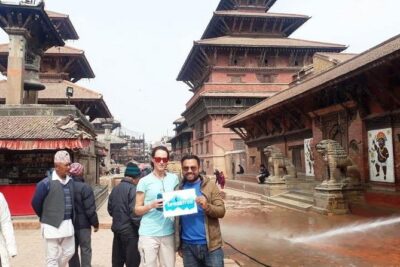
Once in Kathmandu, the plan includes shopping and walking around the city, with the evening reserved to celebrate completion of the successful trek. Day 14 is the final day for shopping and sightseeing around the Kathmandu Valley area before leaving for Tribhuvan International Airport on a scheduled flight time.
This is a nice arc because you get a recovery buffer after the biggest walking days. You still do city time, but you are not rushing straight from high altitude into a packed sightseeing marathon.
Price and value: what you pay for, and what you should check
The price is listed at $1,350 per person for the trek. In my view, the value comes from what is included and how small-group guidance changes the experience.
From the trip details, you get teahouse accommodation, meals, and local transportation included. Add in a guide to help you trek safely and avoid getting lost, and you also get personalized attention in a group of max 10 travelers. That combination is what makes this feel like more than just a route on a map.
You are also offered a pickup in Kathmandu and a mobile ticket. Those small conveniences matter at the start and end of trips like this, when you are adjusting to jet lag and altitude recovery.
One pricing consideration: the itinerary includes flights to and from Lukla. Flights can be a major cost driver, and they also add weather sensitivity. If conditions disrupt schedules, you may have to accept some uncertainty.
Who this trek is best for (and who might want a different plan)
This is best suited to active and moderately fit travelers. The operator also calls out that you should have strong physical fitness. That is important, because this is not only about endurance. It is also about balance on steep, rocky downhill sections and handling early morning starts.
If you want:
- less logistics stress
- a route led by a guide for safer navigation
- a small-group feel with personalized attention
then this is a good match.
If you want:
- lots of free time to roam on your own
or you are hoping for a very gentle pace without hard hiking days,
you might find a guided Everest Base Camp trek too structured.
Should you book this Everest Base Camp trek?
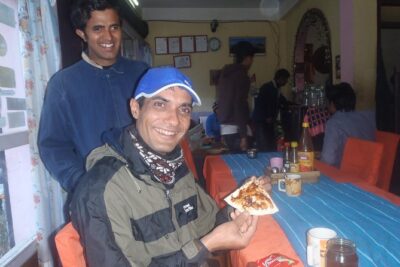
I think you should book it if you want the classic Everest Base Camp experience with small-group support, included food and lodging, and a schedule designed around acclimatization and view days like Kala Patthar. The guide and porter team dynamic also seems to be a real part of what makes people feel safe and cared for, especially with guides such as Biru, Amabar, and the support role of porters named Kanchar mentioned in trekkers’ accounts.
Skip this plan, or at least rethink your readiness, if you are not comfortable with early mornings, cold starts, and the idea that steep downhill sections demand slow, careful steps. Everest is not a casual hike, even when everything is well organized.
If you match the fitness level and you like the idea of trading planning stress for mountain time, this trek looks like a strong value for the experience you are buying.
FAQ
How long is the Everest Base Camp trek?
It runs about 14 days (approx.).
Where does the trip start in Kathmandu?
The meeting point is Tribhuvan International Airport, Ring Rd, Kathmandu 44600, Nepal.
What is the group size limit?
The maximum group size is 10 travelers.
What does the trek price include?
Teahouse accommodation, meals, and local transportation are included.
Do I need a guide?
Yes. The trek is guided, which is part of how the trip helps you avoid getting lost and trek more safely.
Do you fly to Lukla during the trek?
Yes. The itinerary includes an early morning drive to the domestic terminal and a flight to Lukla, with a landing at Tenzing-Hillary Airport.
Is there a rest or acclimatization day?
Yes. Namche Bazaar includes a rest day for acclimatization, plus a short hike to a nearby viewpoint.
Is Kala Patthar included?
Yes. There is a Kala Patthar Sunrise View stop included, timed for sunrise.
Do I need a passport to travel?
Yes. A current valid passport is required, and passport details are needed at booking.
What is the cancellation policy?
Free cancellation is available if you cancel up to 24 hours in advance for a full refund, based on local time.
More Hiking & Trekking Tours in Kathmandu
More Tour Reviews in Kathmandu
Not for you? Here's more nearby things to do in Kathmandu we have reviewed
Everest Base Camp Treks from Kathmandu, compared.
★ 5.0Everest Base Camp Trek – 14 DaysFrom $1,8001,499 reviews
★ 5.0Everest Base Camp Trekking – 13 DayFrom $1,399365 reviews
★ 5.0Everest Base Camp Trek -14 DaysFrom $1,420321 reviews
★ 5.0Everest Base Camp Trekking – 2025/2026From $1,339199 reviews
★ 5.0Everest Base Camp TrekFrom $1,408193 reviews
★ 5.014-Days Private Everest Base Camp TrekFrom $1,600152 reviews
★ 5.0Everest Base Camp TrekkingFrom $1,350146 reviews
★ 5.0Everest Base Camp TrekFrom $1,300123 reviews
Browse the lists this tour appears in