REVIEW · EVEREST BASE CAMP TREKS FROM KATHMANDU
Everest Base Camp Trek
Your lungs will notice the altitude fast. This Everest Base Camp trek is built to take the stress out of the big stuff, with guides, permits, domestic flights, and trekking gear handled for you. I like that the plan includes guides and porters, so you can focus on the trail instead of logistics. I also like the paperwork and permits being taken care of, which matters a lot when you are short on time in Nepal.
One thing to consider is the extra cash pile-up. The trek price does not include your Nepal visa ($40 for 1 month), the Everest Base Camp entrance fee ($40), tips, travel insurance, or day-to-day extras like battery charging and drinks on the trail. And if you are the kind of person who hates uncertainty, this trek is weather dependent, since the Lukla side of the journey can change when conditions get rough.
Key Highlights That Matter on the Trail

- Guides and porters built into the trekking support so you are not hauling everything yourself.
- Permits handled in advance to keep your days in Kathmandu from turning into paperwork marathons.
- Gear included for colder nights including a sleeping bag, down jacket, duffle bag, and a trekking map (returned after your trek).
- Acclimatization stops at Namche Bazaar and Dingboche to reduce altitude trouble by building in real rest time.
- Kala Patthar as the high-point goal on the way toward the return, via Gorakshep.
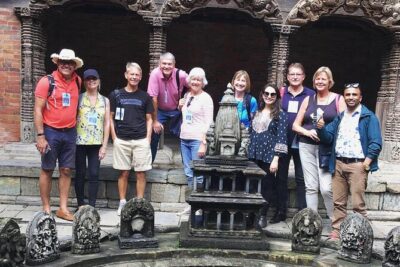
- Small group size up to 14 travelers, which often means you get more attention when the trek gets demanding.
Entering the Everest Zone via Lukla: What to Expect From Day 1

Your adventure starts early at Tribhuvan Airport in Kathmandu at 6:15 am. The day begins with a flight to Lukla (2,886m), then you walk to Phakding (2,610m). On paper it is listed as about 4 hours of trekking plus travel time, with lunch and dinner included on the way.
This first day is usually about two things: getting used to the pace and settling your body into the rhythm of higher altitude walking. It is also the first real test of weather, because flights to Lukla are weather sensitive. Practically, I recommend you approach Day 1 with a flexible mindset. If your schedule shifts, your best strategy is to stay calm, follow your guide’s call, and trust that the plan is designed around the altitude realities, not a rigid checklist.
You can also read our reviews of more hiking tours in Kathmandu
What You Get for the $1,300 Price: Value Beyond the Headline Number

At $1,300 per person, the big question is what you are really paying for. Here is the value picture as it stands:
- Flights and transfers are included: Kathmandu to Lukla and back, plus domestic airport tax and ground transportation by private vehicle.
- Food and sleeping during the trek are covered: breakfast, lunch, and dinner during trekking, plus lodge or tea house accommodation.
- Support staff and logistics are handled: an experienced guide is included, and porters are mentioned as part of the trek support.
- Equipment is included: sleeping bag, down jacket, duffle bag, and a trekking map (returned after).
- Emergency support is arranged: an emergency helicopter service is arranged, paid by your travel insurance company.
That last one is not a promise of action, but it is a serious planning detail. It signals that the trek operator is thinking about what happens when altitude conditions or injuries go sideways.
Now the catch: the package does not cover a few costs that add up fast for many people. You should budget for Nepal entry visa ($40), the Everest Base Camp entrance fee ($40), travel insurance (compulsory), tips, and trekking day extras like drinks, water, battery charging, and sweet snacks. If you want hot showers at the lodges, assume that is extra too.
If you already own high-quality cold-weather gear, you still get value from the included sleeping bag and down jacket, since those two items can be the most expensive and most annoying to pack.
The Day-by-Day Trek Plan: From Phakding to Everest Base Camp
This route is classic Everest Base Camp pacing, with gradual climbs and two key acclimatization days. Below is what each stop is doing for you, beyond just the hours.
Day 1: Kathmandu to Lukla, then Phakding (about 4 hours)
You fly to Lukla at 2,886m, then start walking to Phakding at 2,610m. This slight drop in altitude helps you ease in after the flight. Expect a day that feels busy even when the walking hours are not extreme.
Day 2: Phakding to Namche Bazaar (about 6 hours)
You climb to Namche Bazaar (3,440m), a major hub on the route. This is where you start noticing the altitude more. The upside is that Namche has the first full feeling of mountain town life, with more services and more sense of you are really in the Everest region.
Day 3: Rest and acclimatization in Namche Bazaar
This day is built for your body. You stay at 3,440m and use the time to adapt. In plain terms, this is one of the best investments in comfort you can make on the trek. Most people who feel rough are the ones who skip rest or move too quickly.
Day 4: Namche to Tyangboche (about 5 hours)
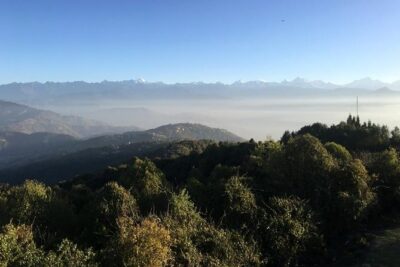
You go up to Tyangboche (3,867m). This leg is often about views and steady climbing. The higher you get, the more your route starts to feel like it is carved through a living wall of mountains. Expect colder air and slower steps.
Day 5: Tyangboche to Dingboche (about 5 hours)
This day climbs to Dingboche (4,260m). The terrain can feel tougher just because you are higher, even if the trail is familiar in shape. Dingboche is another base for altitude acclimatization, not just a place to sleep.
Day 6: Rest and acclimatization in Dingboche
You stay at 4,260m. Again, this rest day is the design doing its job. If you want a simple rule, it is this: in altitude trekking, rest days are not optional, even if you feel fine.
Day 7: Dingboche to Lobuche (about 5 hours)
You climb to Lobuche (4,930m). This is a step up, and the trail often feels more exposed. Your breathing becomes more deliberate. It helps to keep a steady rhythm and not chase speed.
Day 8: Lobuche to Everest Base Camp via Gorakshep (about 6 to 7 hours)
This is your longest day in the middle of the trek: you head toward Gorakshep and on to Everest Base Camp. Expect a real payoff in scenery and a real cost in energy. You will likely feel both in the same breath.
Day 9: Gorakshep to Kala Patthar (5,545m) and down to Pheriche (about 7 hours)
You go higher to Kala Patthar (5,545m), then continue down to Pheriche (4,243m). This is a long day, and it matters that it is a loop-style day that combines a high viewpoint push with descent. The descent is your friend on a trek like this.
Day 10: Pheriche to Namche Bazaar (about 6 hours)
You drop back to 3,441m. This is a relief day in a practical sense. You feel less altitude pressure, your energy systems recover faster, and you get your mind back in a calmer place.
Day 11: Namche Bazaar to Lukla (about 6 hours)
This is the final long walk before the flight out. It can feel strange, walking back toward Lukla when the goal is already behind you. Use this time to slow down, eat well, and treat it like part of the accomplishment.
Day 12: Fly Lukla to Kathmandu, transfer to hotel
Your trek ends with the flight back to Kathmandu. You still have a full transfer to deal with, so plan for a quiet evening after you arrive.
Why Those Acclimatization Days Work (and Why You Should Care)

Namche Bazaar and Dingboche are not random stops. They are altitude safety valves. When you climb high too fast, your body can start struggling, and the trail offers no shortcuts. The trek’s pacing, with rest days at Namche (Day 3) and Dingboche (Day 6), reduces the chance that you are forcing adaptation through exhaustion.
This is also where good guiding shows up. In the field, it is not just about route knowledge. It is about managing pace, checking in on how you feel, and setting expectations for the days ahead. In prior experiences with this operator, guides like Kiran have been praised for being kind and patient and for setting expectations along the way. That kind of calm planning can make a big difference when you are tired and altitude is talking back.
Everest Base Camp and Kala Patthar: The Big Days, Plain Truth Included

Base Camp day is the spiritual highlight for many people, but it is also physically demanding. Your day is listed as 6 to 7 hours from Lobuche through Gorakshep. That means you are not getting a short walk with a dramatic view. You are hiking, adjusting your breathing, and spending real time above where you started.
Then comes the Kala Patthar day. You push to 5,545m and then descend to Pheriche. This combo can feel long, but it is also smart. You get the high viewpoint goal, then you are not stuck at the same altitude all day.
I also think it is worth noting that small comfort details can matter here. Guides from this operator, including Arjun, have been praised for caring gestures like fresh fruit for dessert at the end of the day. That kind of attention is not the point of Everest Base Camp, but it can help you stay human when the cold and altitude are grinding.
Kathmandu Nights: When the Trek Ends, Don’t Rush

The overview mentions four nights in Kathmandu are included. But the fine print also lists that hotel and food while in Kathmandu are not included. So treat this as a must-clarify item before you pay final money. You do not want any surprises after you finish the trek and want a comfortable reset.
Either way, Kathmandu is the place where you can eat something normal, refill your batteries, and handle anything you forgot. If your trek starts with an early morning at the airport, those Kathmandu nights are also where you can sleep well the night before.
Gear, Lodges, and Comfort: What Is Included, What Costs Extra

This package is built around lodge trekking. Accommodation is in lodges or tea houses, and meals during the trek are included.
The gear you are given is one of the strongest value items in the whole plan:
- Sleeping bag
- Down jacket
- Duffle bag
- Trekking map (returned after the trek)
That is great if you do not want to buy gear you will use only once. It also reduces the packing chaos, especially if you are flying internationally.
What to assume is extra:
- Drink water and battery charging
- Hot showers
- Sweet snacks like chocolate
These are listed as not included, so budget a little daily for convenience.
Weather, Safety, and Emergency Help You Should Expect

This trek requires good weather. That is not a cute marketing line, it is a real operational need, especially for the Lukla flights. If conditions are poor and the trek is canceled due to weather, you are offered a different date or a full refund. If you personally cancel, it is non-refundable and cannot be changed.
On safety, there is one detail I appreciate: the operator arranges an emergency helicopter service, with payment through your travel insurance company. That does not replace good judgment on the trail, but it helps you feel less abandoned if something serious happens.
Also, the trek is listed for people with moderate physical fitness. That is an honest qualifier. You should expect long days at altitude, and you should train for steady walking rather than gym heroics.
Who This Everest Base Camp Trek Suits Best
This plan fits well if you want:
- A guided, structured experience where permits and paperwork are handled
- Inclusion of logistics like domestic flights and transfers
- Gear support like a sleeping bag and down jacket
- A group capped at 14 travelers, which is big enough for social energy, small enough for attention
It may not be ideal if:
- You hate paying extra for visa, entrance fee, tips, and trail convenience items
- You want a totally risk-free schedule, because weather can shift mountain transport
- You are very sensitive to early starts, since meeting time is 6:15 am at Tribhuvan Airport
And if you are a first-time Nepal trekker, this is the type of route and pacing that helps you avoid the most common mistake, going too fast and paying for it later.
Should You Book This Everest Base Camp Trek?
I would book it if your priority is a well-run, guided experience that handles the moving parts for you. The price makes more sense when you account for the included flights, gear, lodge stays, and meals. For most people, the biggest win is not just the destination, it is the reduction of planning stress and gear headaches.
I would pause and confirm details on Kathmandu lodging and meals, since the overview mentions four Kathmandu nights while the fine print says hotel and food in Kathmandu are not included. Also, do the math on extras before you get emotionally attached to the sticker price.
If you show up ready to walk, take the acclimatization days seriously, and keep your expectations realistic about weather and altitude, this trek has the ingredients for a memorable, well-supported Everest Base Camp experience.
FAQ
How long is the Everest Base Camp trek?
It runs for about 12 days.
Where do you meet, and what time does the trip start?
The start point is Tribhuvan Airport in Kathmandu, Nepal, with a start time of 6:15 am.
Are domestic flights and transportation included?
Yes. Flight fare for Kathmandu-Lukla-Kathmandu is included, along with domestic airport tax and all domestic hotel and airport transfers by private vehicle.
What meals are included during the trek?
Breakfast, lunch, and dinner are included during the trekking days.
Do I need to pay extra for permits or entry fees?
The tour includes all paperwork and permits being taken care of, but there is an additional entrance fee for Everest Base Camp trek of $40 per person that is not included.
Is travel insurance required, and what about emergency helicopter service?
Travel insurance is compulsory. The provider arranges an emergency helicopter service that is paid by your travel insurance company.
More Hiking & Trekking Tours in Kathmandu
More Tour Reviews in Kathmandu
Not for you? Here's more nearby things to do in Kathmandu we have reviewed
Everest Base Camp Treks from Kathmandu, compared.
★ 5.0Everest Base Camp Trek – 14 DaysFrom $1,8001,499 reviews
★ 5.0Everest Base Camp TrekkingFrom $1,350485 reviews
★ 5.0Everest Base Camp Trekking – 13 DayFrom $1,399365 reviews
★ 5.0Everest Base Camp Trek -14 DaysFrom $1,420321 reviews
★ 5.0Everest Base Camp Trekking – 2025/2026From $1,339199 reviews
★ 5.0Everest Base Camp TrekFrom $1,408193 reviews
★ 5.014-Days Private Everest Base Camp TrekFrom $1,600152 reviews
★ 5.0Everest Base Camp TrekkingFrom $1,350146 reviews
Browse the lists this tour appears in