REVIEW · EVEREST BASE CAMP TREKS FROM KATHMANDU
From Kathmandu: Private 14-Day Everest Base Camp Trek
Everest Base Camp starts with a wild Lukla hop. This trek is built around a classic Khumbu Valley rhythm, flying into Lukla, pacing acclimatization in places like Namche Bazaar, and timing the big viewpoints like Kala Patthar. You also get real support, including a guide and porter team, plus the down gear that makes high-altitude nights less miserable.
What I like most is how the trip is organized end to end. You get experienced leadership (people have raved about guides like Raj Tamang and Prakash Neupan, with porters such as Surendra highlighted for day-to-day help), and you are not stuck figuring out permits, park fees, or logistics on your own.
The main drawback to plan around is altitude and the way flight schedules can change. You are going to higher elevations on a tight timeline, and Lukla flying depends on weather, so you should be ready for delays and to follow your guide’s pacing decisions.
Key highlights worth your attention

- Lukla flights included in a KTM-LUA-KTM package, so you are not hunting connections.
- Acclimatization built into the route, with extra time in Namche Bazaar and Dingboche to help you adjust.
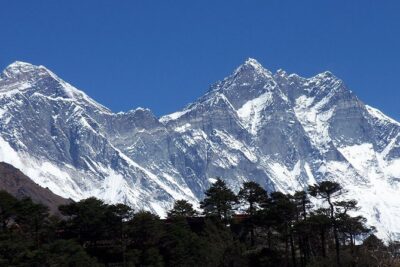
- Kala Patthar is part of the deal, the signature viewpoint for Everest-area panoramas.
- Everest Base Camp visit at 5,364 m, inside Sagarmatha (Everest) National Park.
- Down jacket, sleeping bag, and duffle bag provided, which can save money and hassle.
- A strong support vibe, with guides like Raj Tamang and Prakash Neupan getting praised for checking on people and keeping things systematic.
Kathmandu to Lukla: the fast start that makes Everest real

You begin in Kathmandu after arriving at Tribhuvan International Airport. A Cordial Trek representative meets you and handles the airport transfer, then you settle into a hotel so you can get a decent night’s sleep before the trek really kicks in.
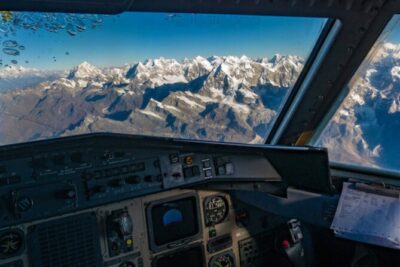
Day two brings the key moment: a short flight from Kathmandu to Lukla’s Tenzing Hillary airstrip. This is one of the more intense airport settings in the world, and even if you love flying, you should treat it like a big deal. The payoff is huge, because you go from city altitude and traffic to mountain air quickly, which makes the trek feel like a true switch of worlds.
Practical tip: If you are prone to motion sickness or anxiety, ask your doctor about prevention and keep essentials in a day pack. With altitude trekking, it is not the time to discover you dislike your own decision-making.
You can also read our reviews of more private tours in Kathmandu
Price and value: what the $1,650 includes (and why it matters)

At $1,650 per person, you are paying for a tightly managed package, not just a few nights in mountain lodges. The big value blocks are the domestic flight tickets, the guiding team, accommodations, permits, and the bundled trekking gear.
Here is what you get that actually reduces risk and expense:
- KTM-LUA-KTM domestic flights are included.
- Down jacket, sleeping bag, and a duffle bag are provided, so you do not have to gamble on rental quality or haul bulky gear from home.
- An experienced trekking guide and a Sherpa porter come with you.
- Accommodations and airport transfers are handled.
- Necessary trekking permits and national park fees are included.
- You receive a company t-shirt, a trekking map, and a trip certificate.
- Meals are included for most days: 11 lunches, 12 dinners, and 13 breakfasts.
That meal structure is underrated. On trek days, having food accounted for keeps you focused on the hike, not on hunting menus with limited options at altitude.
What is not included is also important for budgeting. You will need to pay for your Nepal visa, travel insurance (compulsory), personal expenses, and any unspecified meals. You also should plan to budget for tips for your guide and porter since gratuities are listed as not included.
Your day-by-day route: what each stop is really for
This trek follows the classic Everest Base Camp shape, but the details matter because they shape how hard the days feel and how well you acclimatize.
Day 1 in Kathmandu: set up for altitude success
Day one is mostly about resetting. You check into a hotel after pickup and get your bearings. This is the part of the trip where you should do two things: organize your packing system and start thinking about hydration.
A good rule on trek days is to avoid last-minute chaos. Keep your documents easy to reach, and make sure your warm layers are where you can grab them quickly.
Day 2 flight to Lukla: the lift into the Khumbu
You fly to Lukla’s Tenzing Hillary airstrip. The trek proper begins soon after, so you want to treat this like a launch day, not a sightseeing day.
Once you are in Lukla and start walking, you will feel how quickly the air changes. That is normal. The key is not to sprint.
You can also read our reviews of more hiking tours in Kathmandu
Day 3 to Namche Bazaar: Phakding into the Sherpa hub
You hike from Phakding to Namche Bazaar, which takes about six hours and reaches a maximum altitude around 3,438 m. Along the way, you pass through Sherpa settlements and you get your first strong sense of what daily mountain life looks like.
Namche Bazaar is more than a pit stop. It is a hub for supplies, social energy, and orientation. You also get guided time through local areas like Manjo village, which adds culture without turning the day into a distraction.
Day 4 Namche Bazaar: acclimatize, don’t conquer
Then you get an acclimatization day in Namche Bazaar. This is one of the most important “seems easy” parts of the trip. Your body is learning how to function with lower oxygen, and your guide will guide you through the area and likely a viewpoint like Everest View Point.
This is also where having a good guide pays off. People have specifically praised guides for being systematic and for watching how the group is coping, not just checking off distance.
Day 5 to Deboche: calmer walking with big views
You trek from Namche Bazaar to Deboche, around six hours, topping out around 3,820 m. This day usually feels like a transition, the kind that makes the next altitude steps more manageable.
Deboche is also a place to slow down and enjoy the monastery area when you can. Spiritual sites in the Khumbu are often deeply tied to daily rhythms, not just tourist photo stops.
Day 6 to Dingboche: up to 4,360 m
Next you hike to Dingboche, about five hours with a max altitude near 4,360 m. You pass through river valleys and settlement areas, then you arrive in one of the most practical acclimatization bases on the route.
Day 7 Dingboche: another acclimatization day
You explore Dingboche and get acclimatized again. This extra time matters because Everest Base Camp is not a place you can muscle through. It is a place you reach by managing effort, hydration, and rest.
Day 8 to Lobuche: closer to Khumbu Glacier country
You trek to Lobuche in about four to five hours, with a max altitude near 4,940 m. Lobuche is close to glacier terrain, and the scenery starts to look more and more high-alpine.
This is also a day where your pacing matters. If you feel good, the temptation is to walk faster. If you feel off, you should tell your guide early and keep moving steadily.
Day 9 to Gorakshep, then Everest Base Camp
You move from Lobuche up to Gorakshep, reaching around 5,164 m. Then you go on to Everest Base Camp at 5,364 m.
This is the day most people remember clearly, not just for the arrival. The whole approach is a lesson in why the Everest myth works. The mountains feel bigger because you are physically closer to the story.
Day 10 Kala Patthar: the big viewpoint morning
Early you trek to Kala Patthar via Gorakshep, with a max elevation near 5,545 m. It is a long, cold-feeling outing, but it is the classic way to experience Everest-area scale.
You can think of this as the trek’s “final proof.” Base Camp is iconic, but Kala Patthar is where the views often feel most dramatic.
Day 11 back toward Namche via Tengboche
You trek from Pheriche back toward Namche Bazaar via Tengboche in about six to seven hours. Tengboche includes a monastery stop, and this is a nice change of pace because you are walking with the emotional weight of having already seen Base Camp and Kala Patthar.
Namche Bazaar comes back into view in the evening, and you can refuel in local cafes and pubs at a much friendlier altitude.
Day 12 to Lukla: the return walk
You trek from Namche Bazaar down toward Lukla via Phakding, taking about seven to eight hours, then stay overnight. This is where you feel the difference between going up and going down.
Go easy on your knees and watch your steps on uneven ground. Your legs will want to complain, and you should listen.
Day 13 fly back to Kathmandu: decompress
You fly from Lukla back to Kathmandu, then get free time in the evening. This is also where you’ll realize how much of your focus was simply surviving the rhythm of altitude, food, and walking.
Day 14 Kathmandu closeout: your certificate day
You receive a trip certificate and get dropped at the airport about three hours before your final departure. It is a tidy ending to a trek that is anything but tidy day-to-day.
Lodges, meals, and the down-gear advantage

In the Everest region, your comfort is limited by altitude and simple infrastructure, so the package’s included gear really matters.
You receive a down jacket and sleeping bag, plus a duffle bag for carrying. That can be a major value boost, because good cold-weather gear bought or rented for a single trip can quickly add up, and poor gear is a real problem at these elevations.
Meals are included for most days, which also reduces decision fatigue. You do not have to figure out what is available at every stop. That said, you will still have personal expenses, and unspecified meals are not included, so you should expect some gaps.
Small reality check: Even with a sleeping bag, you should pack smart layers for early mornings and windy spots. The trek’s schedule includes cold starts for viewpoint days.
Guides and porter support: why the human part is the hard value

The Everest Base Camp trek is not only about legs and lungs. It is about having someone who understands how people respond to altitude, fatigue, and weather.
Cordial Trek’s guides and support teams show up in the feedback as a major reason people feel cared for. Names like Raj Tamang, Prakash Neupan, and Nabin appear in positive accounts, and Surendra is highlighted as an especially helpful porter. There is also praise for managers like Ramesh, and for guides who check on well-being repeatedly, not just at daily checkpoints.
Here is what that means for you on the ground:
- You will get help balancing pace and rest.
- You are more likely to avoid ego-driven decisions when you feel off.
- You should feel more confident about route choices, especially on acclimatization days.
Your best move: trust your guide when they ask you to slow down. Many Everest problems start with the same mistake, moving too fast because the view looks easy.
Flight reality and weather: what to plan for in Lukla

This is a trek where weather matters twice. It matters for how you feel on the trail, and it matters for the Lukla flight timing.
The trek includes the flights, but flights in this region can depend on conditions. The experience provider also states the trek requires good weather, and if it gets canceled due to poor weather you should be offered another date or a full refund.
For your planning, do not book rigid, back-to-back international connections. I like to keep at least a little buffer around Kathmandu days for peace of mind.
Who should choose this private Everest Base Camp trek

This is a private tour/activity, meaning only your group participates. That is a good fit if you want your own rhythm and fewer compromises than a big group package.
You should consider this trek if:
- You want classic Everest highlights like Namche Bazaar, Tengboche, Everest Base Camp, and Kala Patthar.
- You prefer guided pacing with acclimatization built in.
- You value having a support team, including a guide and Sherpa porter.
- You would rather not buy high-end cold-weather gear before you go, because the down jacket and sleeping bag are provided.
It lists a moderate physical fitness level as the baseline. That is helpful wording because Everest trekking is never “easy,” but it suggests the operator expects you to train and prepare, not to be elite athletes.
If you have breathing issues or heart conditions, talk with a travel medicine professional before booking. Altitude is not a place to guess.
Should you book Cordial Trek’s Everest Base Camp trek?

If you want a structured Everest Base Camp experience with the big milestones and real support, I think this package is a solid choice. The value is strong because the essentials are handled: Lukla flights, permits and park fees, a guide plus Sherpa porter, accommodations, and crucially the cold-weather gear.
You should book if you are ready to work steadily, follow acclimatization, and keep expectations flexible for weather and flying. You might enjoy it even more if you appreciate Sherpa culture stops like Namche and Tengboche, not just the Everest photo moment.
Skip it or reassess if you cannot handle altitude pacing, or if your schedule is so tight that one flight delay would ruin your trip. In Everest country, some days are simply at the mercy of the sky.
FAQ
How long is the Everest Base Camp trek from Kathmandu?
The package runs about 14 days, starting with Kathmandu and including the full Everest area trek and return.
What flights are included in this package?
Domestic flights from Kathmandu to Lukla and back to Kathmandu are included (KTM-LUA-KTM).
Do you provide cold-weather gear for high altitude?
Yes. The package includes a down jacket, sleeping bag, and a duffle bag.
Is acclimatization built into the route?
Yes. The trek includes acclimatization-focused time, including a day in Namche Bazaar and another day in Dingboche.
Are meals included while trekking?
Meals are included for most days: 11 lunches, 12 dinners, and 13 breakfasts. Personal expenses and any unspecified meals are not included.
What is the cancellation policy if weather affects the trek?
You can cancel up to 24 hours before the experience starts for a full refund. If the trek is canceled due to poor weather, you are offered a different date or a full refund.
More Hiking & Trekking Tours in Kathmandu
More Private Tours in Kathmandu
More Tour Reviews in Kathmandu
Not for you? Here's more nearby things to do in Kathmandu we have reviewed
Everest Base Camp Treks from Kathmandu, compared.
★ 5.0Everest Base Camp Trek – 14 DaysFrom $1,8001,499 reviews
★ 5.0Everest Base Camp TrekkingFrom $1,350485 reviews
★ 5.0Everest Base Camp Trekking – 13 DayFrom $1,399365 reviews
★ 5.0Everest Base Camp Trek -14 DaysFrom $1,420321 reviews
★ 5.0Everest Base Camp Trekking – 2025/2026From $1,339199 reviews
★ 5.0Everest Base Camp TrekFrom $1,408193 reviews
★ 5.014-Days Private Everest Base Camp TrekFrom $1,600152 reviews
★ 5.0Everest Base Camp TrekkingFrom $1,350146 reviews
Browse the lists this tour appears in