REVIEW · EVEREST BASE CAMP TREKS FROM KATHMANDU
Everest Base Camp Trek
One flight later, Everest feels close and real. This 14-day Everest Base Camp trek runs on a clear plan, with acclimatization days in Namche Bazaar and Dingboche and big-mountain stops like Tengboche and Kalapatthar. I loved having government-licensed guiding from Kathmandu with real mountain experience behind the scenes. I also loved that key gear and meals are included, so you can spend your time training, not shopping. One consideration: it is still a serious physical trek, and items like your Kathmandu hotel and porters cost extra.
Your trip starts with pickup and an 8:15 am meet time, then you ease into the journey with a Kathmandu dinner and time to get organized before the Lukla flight. This is a private tour, so you share the route only with your group, not a long mixed lineup.
Quick highlights

- Lukla flights bookend the whole trek, with Kathmandu airport transfers handled
- Acclimatization is built in, especially around Namche Bazaar and Dingboche
- Gear is provided (sleeping bag, down jacket, duffel), which can save real money
- You hit the high viewpoints like Tengboche and Kalapatthar, not just base camp
- Culture stops show up often, from monastery visits to Kathmandu Durbar Square
- Emergency helicopter is arranged via insurance, not as a vague promise
Everest Base Camp, the real way: pacing, altitude, and what changes day to day

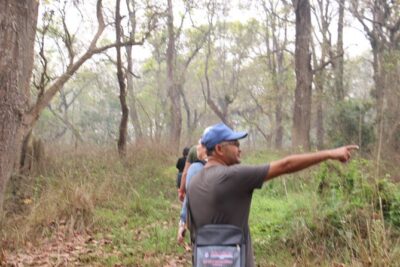
Everest Base Camp is famous for a reason, but it is not a sit-and-stare hike. Most days are a steady climb with a clear goal, and your success depends on how you handle altitude and your walking pace. The trek structure here helps you do that. You get gradual elevation, plus specific acclimatization time where you actually breathe easier, instead of rushing straight upward.
I like that this itinerary treats the mountain like a progression. You start in Sherpa towns with practical infrastructure, then you move into the harsher high country where memorials, glaciers, and thin air take over. Even the “rest days” are active, short hikes designed to keep your body adjusting.
The big practical note: you still need strong fitness. The route involves multiple long walking days, early starts, and cold nights. If you are the type who wants a casual stroll, this will feel relentless. If you want challenge, you will feel proud fast.
You can also read our reviews of more hiking tours in Kathmandu
Kathmandu arrival: getting set up for Lukla and the climb ahead
Day 1 is about arrival and settling in. After you land at TIA, a Nepal High Trek & Expedition team representative meets you, then you head to your arranged hotel and enjoy dinner. This matters more than it sounds. You want one calm night before the flight schedule starts and before you start thinking about layers, packing, and hydration.
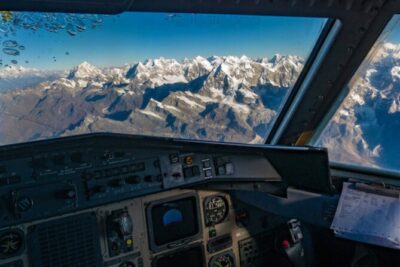
Day 2 turns quickly into logistics. You travel to the domestic terminal for your morning flight to Lukla, the jump-off point for the Everest region. You are not left alone to sort out transport or timing. The plan includes airport pick up and drop for domestic and international connections, plus the working permits and entrance fees needed for the route.
One more detail I respect: you do not just get a guide and go. You get a mountain guide from Kathmandu with the right license. You also get a medical kit box included, which signals they are thinking beyond the postcard moments.
Lukla to Namche Bazaar: bridges, Thamserku views, and finding your rhythm

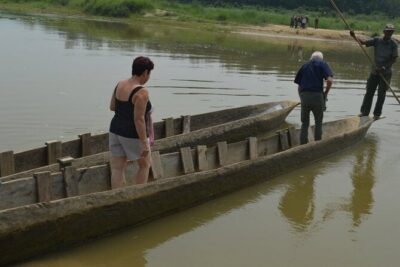
Lukla to Namche Bazaar is often where your legs and lungs first meet the reality of the Khumbu. The walk from Phakding upward includes crossing suspension bridges over the Dudh Koshi River. That crossing does two things. It keeps the route interesting, and it gives you early practice with balance and steady effort.
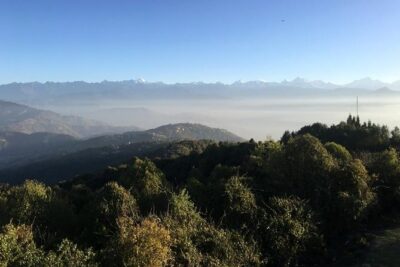
Along the way, you get a view of Mt. Thamserku (6618m), and that is your first reminder that these mountains are not theoretical. They are huge, close, and constantly changing through cloud and sun.
This part is also about pace. The itinerary encourages a slow walking rhythm so you can take in views and avoid the urge to sprint. If you have never trekked at altitude before, slow is not just a strategy, it is a survival skill.
Namche Bazaar day: ATMs, internet cafes, and the Irish Pub break you will actually need

Namche Bazaar is your main acclimatization hub, and Day 4 keeps it practical. You have time to explore the area around town, rather than simply passing through. The itinerary calls out the basics you will care about up here: ATMs, banks, and internet cafes, so you can handle money, messages, and last-minute tweaks.
The stop at an Irish Pub might sound random, but it is exactly the kind of down-to-earth landmark that helps trekkers regroup. You get a place to sit, warm up, and reset mentally without losing the day. In cold high-country travel, mental energy counts as much as physical energy.
If you are hoping to lose time, this is your chance. Shop for snacks, hydrate, and ask your guide how the next segments feel in real life. A good guide will translate the route into plain language, including how hard each climb tends to feel.
Tengboche monasteries: early cold air, Everest panoramas, and a calm break

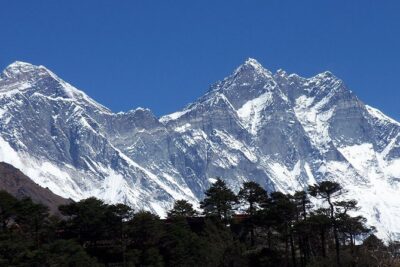
Day 5 shifts from town convenience into mountain quiet. You head to Tengboche and visit the monasteries, starting early with a cold breeze. The payoff is the view corridor. You will see Everest, Nuptse, Lhotse, and Amadablam, plus surrounding ranges.
This is a great day for photos, but I also think it is a great day for focus. The monastery stop gives you an intentional pause, not just a scenic stop. You can settle your breathing, take off gloves, and let your brain catch up to your body.
Practical note: you will likely feel the cold early. That is one reason the trek includes a down jacket and sleeping bag. You still need to bring your own base layers and gloves, but having core warmth gear provided helps you travel smarter.
Dingboche viewpoint and the Chhukung acclimatization plan

Day 6 brings a Dingboche viewpoint and a short visit tied to Tengboche again, so you are not rushing the whole day. Then you continue toward Dingboche. Early morning timing matters here, because that is when visibility can be best and your views can feel like they belong in a movie.
Day 7 is one of the most important days on the itinerary. It is an acclimatization day at Dingboche, with a hike toward Chhukung through the Imja Khola valley. This type of “walk higher, then sleep lower” style is a common trick for altitude travel, and it helps your body adapt. You also get splendid views of surrounding mountains, especially Lhotse, along the route.
The real value of this day is not just better views. It reduces the odds of you feeling wrecked later. You are giving your body time to adjust while you keep moving in a controlled way.
Khumbu Glacier to Gorak Shep: stone memorials, glacier walking, and the high country feeling real

Day 8 heads along the lateral moraine of the Khumbu Glacier. You pass stone memorials for climbers who perished during expeditions in summits nearby. That stop hits differently than a viewpoint photo. It is a reminder that this region has risk, history, and a human cost.
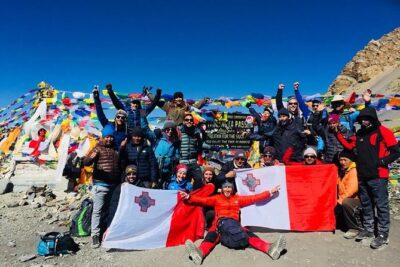
From there, you keep climbing toward the higher staging area where you will spend nights. Day 9 connects to Gorak Shep and the approach toward the base camp route. The itinerary indicates you march to Gorak Shep after breakfast, then follow the trail that leads to Everest Base Camp. You also see many sky-kissing mountains from this zone, which makes the final phase feel closer.
A caution I will repeat plainly: the high country days can feel long because the air is thin. You will likely move slower than you expect. That is normal. Your guide should help you keep effort steady, not heroic.
Kalapatthar day: the big viewpoint moment and how to handle it

Day 10 is the gist day in the itinerary plan, and it is built around an early trek to Kalapatthar. This is timed for the kind of sunrise light that turns snow into something bright and dramatic. You will see sun reflecting on white snow through clouds, then you work through a continuous ascent for several hours.
This is where you earn the hike. Not with speed, but with perseverance. If you go out too fast, you will pay for it. The guide’s job is to pace you so you keep moving even when your lungs start complaining.
This part is also where I like to think about small habits. One practical tip drawn from real trek experiences on this route is to use sunscreen daily. Even on cold days, the sun at high altitude can feel aggressive. Also carry water and sip steadily, even when you do not feel thirsty.
From Kalapatthar, you are in the final memory zone of the trek, because you are close enough to understand what base camp truly means, and far enough to feel how serious the environment is.
Pheriche, Orsho, and Pangboche: monastery culture on the way down
On Day 11 you start descending toward Orsho from Pheriche, and you reach Pangboche. Pangboche is a strong cultural stop. The oldest monastery is described as containing the scalp and bones of the abominable snowman, which is a local legend you will hear about. Even if you treat it as myth, it tells you how stories live alongside sacred places here.
Day 11 runs longer, with several segments and walking hours. Use it as a confidence day. You know the hardest altitude adjustments already happened, because you built them in during Namche and Dingboche. Your body will still be tired, but you have momentum.
Day 12 turns into the return to Lukla. From Namche, you trek back to Lukla and reach earlier. Then you get some leisure time to explore the Lukla valley in your own pace, before overnighting at a guesthouse.
Back to Kathmandu: Durbar Square views and the farewell rhythm
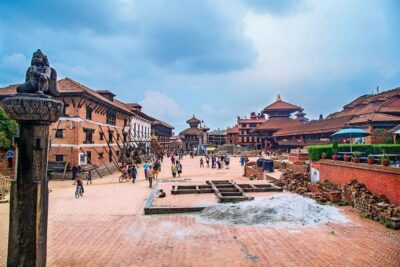
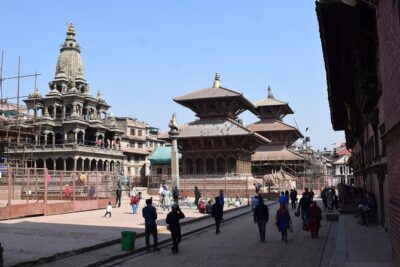
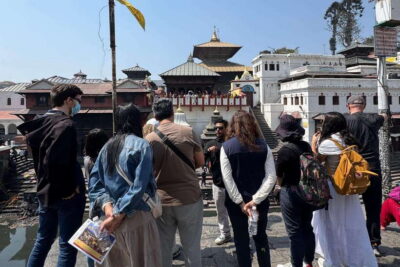
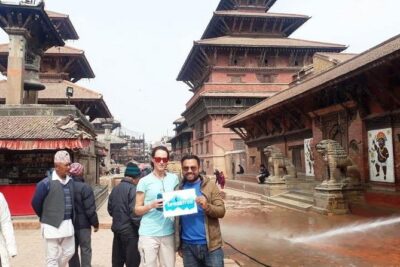
Day 13 brings the flight back to Kathmandu and time to see the valley. You visit Kathmandu Durbar Square and you get panoramic views of the Kathmandu valley area. This is not Everest, but it helps your brain land. After days of thin air and big peaks, the city feels colorful and grounded.
Day 14 is your final day. You rest in Kathmandu, then pack and head to the airport with a reminder to reach three hours before your flight. The itinerary includes a small farewell program, which is a nice touch if you want closure and a moment to thank your team.
What is included, what is not, and what that means for your budget
At $1,799.27 per person, the value here is in what is handled for you. The trek includes both-way flights between Kathmandu and Lukla, plus permits and entrance fees like the Sagarmatha National Park permit, Khumbu entrance fee, and the Pasang Lhamu Rural municipality entrance fee. You also get 11 nights accommodation on the trek, plus meals across the itinerary (12 breakfasts, 12 lunches, 11 dinners).
Gear support is a major cost-saver too. You are provided a sleeping bag, down jacket, and duffel bag, plus there are three cups of hot tea during the trek. That combination reduces what you need to rent or buy.
There are also clear exclusions. Your travel and rescue insurance is not included, and you will need to plan for porter costs (the itinerary notes porter cost is extra) and tipping for guide and porter. Hotel in Kathmandu is not included either, so factor in at least one night before and/or after the trek, depending on your flight timing.
Also included is an emergency helicopter arrangement, but it is specifically tied to what your travel insurance company pays. Translation for your planning: don’t rely on optimism here. Make sure your insurance matches high-altitude trekking and rescue coverage.
Gear that is provided, plus the essentials you should still pack
The trek gives you a sleeping bag, down jacket, and duffel bag. That is helpful, but you still need to manage your daily comfort. For a cold-weather trek, your base layers matter, as do gloves, a hat, and good socks. You should also plan for sun protection because altitude sun is real.
Think about practical hydration too. The itinerary also notes extra costs for things like battery recharge and bottle water are not included. That tells me you should plan for how you will purify or buy water, and how you will keep devices alive if you rely on them for photos or route reference.
If you like to charge your phone, pack a small power strategy. The included plan gives you comfort gear, but it cannot fix personal habits like running your camera battery dry every day.
Safety and day-to-day support: how experienced guides keep you moving
The route is challenging. That is the point. What makes it workable is how the guiding is handled. Real experiences tied to this company include guides such as Buddhi leading with care and positivity, plus other main guides like Pawan supporting the group through tougher stretches. The common thread in those experiences is that you feel safe, you get help when you slow down, and the team keeps the day structured so you do not spiral into confusion.
That structure matters most on the hard days. One helpful tip that shows up in experiences on this route is to push through tough times, but do it intelligently. In other words: keep going, but do not try to outrun altitude.
Also pay attention to the itinerary’s pacing style. Days with acclimatization are not random. Dingboche’s second-day activity and Chhukung hike give your body time. Namche’s extra day gives you time for practical needs. Then you move to the glacier zone with less drama.
Who should book this Everest Base Camp trek, and who should think twice
This trek is a good fit if you:
- want the classic Everest Base Camp experience with multiple scenic and culture stops
- can commit to early mornings and long walking days
- care about acclimatization, and you prefer a structured plan over improvising
You might think twice if you:
- do not have strong fitness or have trouble walking for hours at altitude
- cannot arrange proper travel and rescue insurance
- dislike paying extra for non-included items like Kathmandu hotel, porters, and tipping
This is listed as requiring strong physical fitness, and that aligns with what the route asks of you. If you train well and keep your pace steady, the trek turns into an achievement you can feel.
Is $1,799.27 good value for this 14-day plan?
I usually look at value in four buckets: transport, permits, guides and lodging, and gear. This package covers a lot of those. Flights Kathmandu-Lukla-Kathmandu are included, which is a big deal on routes where schedule changes can be painful. Permits and entrance fees are also handled, so you are not guessing what you still owe.
The meals and 11 nights accommodation on the trek reduce daily spending and planning headaches. Then gear provision is a real cost reducer. If you were to rent everything independently, plus manage logistics, the price becomes easier to justify.
What you still need to budget for is clear: your insurance, Kathmandu hotel, porter costs, and tips, plus personal expenses. If you plan those upfront, the $1,799.27 price starts looking less like a number and more like a full-service mountain package.
Should you book this Everest Base Camp experience?
My take: book it if you want a structured Everest Base Camp trek with the practical stuff handled and acclimatization treated seriously. The itinerary includes high-impact viewpoint days like Tengboche and Kalapatthar, plus cultural stops where monasteries and legends give the trek a human dimension beyond the peaks.
Do not book it casually. If you have not trained for long, cold, and high-altitude walking, spend time getting fit first. Also, check your insurance and rescue coverage details so the emergency helicopter arrangement actually makes sense for you.
If you are ready for a real Himalayan challenge and you like the idea of a team that keeps your day organized, this is a strong choice.
FAQ
How long is the Everest Base Camp trek?
The trek is about 14 days.
What is included in the price?
The price includes Kathmandu and Lukla flights (both ways), meals on the trek (12 breakfasts, 12 lunches, 11 dinners), 11 nights accommodation on the trek, a government license holder mountain guide, Sagarmatha National Park permit and Khumbu entrance fee, Pasang Lhamu Rural municipality entrance fee, airport pickup and drop, sleeping bag, down jacket, and duffel bag, three cups of hot tea during the trek, and a medical kit box.
What is not included?
Not included are travel and rescue insurance, the hotel in Kathmandu, porter cost, tipping for guide and porter, and personal expenses such as phone calls, laundry, battery recharge, bottled water, and hot water or shower costs. There may also be extra mountain expenses if flights are delayed or canceled due to strikes, delay, or cancellations.
Do I need travel insurance?
Yes. Travel and rescue insurance is not included, and the emergency helicopter service is described as being paid by your travel insurance company.
What time does the trip start and is pickup offered?
The meeting time is 8:15 am, and pickup is offered.
What happens if weather cancels the trek?
The experience requires good weather. If it is canceled due to poor weather, you will be offered a different date or a full refund.
Is this tour private?
Yes. It is listed as a private tour or activity, so only your group participates.
More Hiking & Trekking Tours in Kathmandu
More Tour Reviews in Kathmandu
Not for you? Here's more nearby things to do in Kathmandu we have reviewed
Everest Base Camp Treks from Kathmandu, compared.
★ 5.0Everest Base Camp Trek – 14 DaysFrom $1,8001,499 reviews
★ 5.0Everest Base Camp TrekkingFrom $1,350485 reviews
★ 5.0Everest Base Camp Trekking – 13 DayFrom $1,399365 reviews
★ 5.0Everest Base Camp Trek -14 DaysFrom $1,420321 reviews
★ 5.0Everest Base Camp Trekking – 2025/2026From $1,339199 reviews
★ 5.0Everest Base Camp TrekFrom $1,408193 reviews
★ 5.014-Days Private Everest Base Camp TrekFrom $1,600152 reviews
★ 5.0Everest Base Camp TrekkingFrom $1,350146 reviews
Browse the lists this tour appears in