REVIEW · HELICOPTER TOURS
Everest Base Camp Trek with Helicopter Return from Gorakshep to Lukla
A helicopter taste of Everest makes this trek different. This Everest Base Camp adventure pairs classic Khumbu trails with a shared helicopter ride from Gorakshep back to Lukla, saving you a big chunk of hiking on the way down. It still gets you to the iconic altitudes, with views that feel close enough to touch.
What I like most is the way the plan protects your energy. You get built-in acclimatization stops, plus a trekking team with porters and an English-speaking guide like Raj, Ram, or Madan (names I saw in past trips) to keep the pace sane. I also like that the package includes medical basics for altitude, including an oxymeter in a first-aid kit.
One drawback to consider: this is still a demanding trek, and the helicopter and flights depend on weather. The tour also does not include travel insurance for rescue or evacuation, so you’ll want to handle that part yourself before you go.
Key takeaways

- Helicopter return from Gorakshep to Lukla cuts out a long downhill segment.
- Acclimatization built into the schedule with stops around Namche and Dingboche.
- Oxygen checks and first-aid support using an oxymeter plus a first-aid kit.
- Small-group trekking (up to 14 people) with a guide and a porter system.
- Permits, meals, and filtered water included so you can travel lighter.
What makes this EBC trek feel special with a heli return
The headline is obvious: a 20-minute helicopter ride from Gorakshep to Lukla. That is not just a convenience flex, it changes how you experience the end of the trek. You get to reach the high points, then you stop re-walking the same altitude grind in reverse.
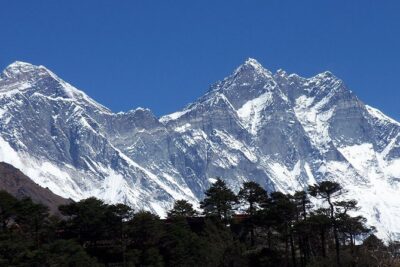
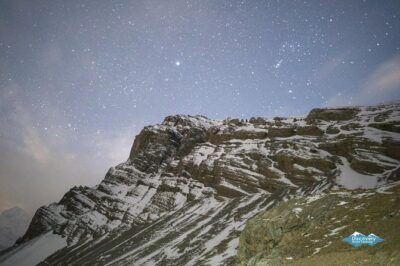
I also like that you are not sacrificing the classic Everest region feel. You still hike the Khumbu Glacier area up toward Everest Base Camp and make the big push to Kala Pattar (5,555 m). The “short cut” is the descent part, not the dramatic parts.
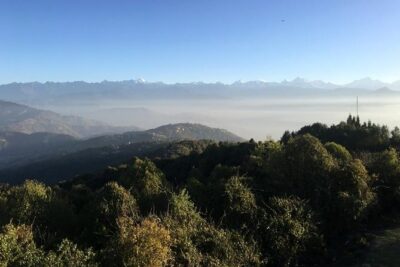
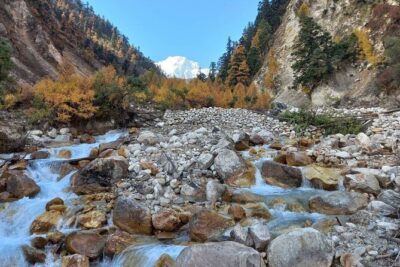
The vibe is classic Khumbu too. Expect suspension bridges with prayer flags, stone memorials to climbers near Lobuche, and hours spent moving through a thinning air world. It is a mix of hard work and awe, with a clear sense of purpose every day.
You can also read our reviews of more hiking tours in Kathmandu
Price and value: what your $3,000 actually buys

At $3,000 per person, this is not a bargain, but it is a full-service package. The value shows up when you add up what is typically painful to organize yourself in Nepal: flights, permits, guides, porters, accommodations, meals, and the helicopter segment.
Here is what matters most for value:
- Air travel inside Nepal: Kathmandu to Lukla and Lukla back, plus the shared helicopter ride from Gorakshep to Lukla.
- Permits included: Everest National Park permits and a TIMS permit.
- Guiding and staffing: an Ace the Himalaya licensed English-speaking guide, plus porters (one porter for every two guests).
- Food and lodging: hotel nights in Kathmandu, and guesthouse stays during the trek.
- Medical and water support: first-aid kit with an oxymeter, and filtered water using a Katadyn Pocket Water Filter.
The other value angle is risk control. When weather is tricky and plans shift, having flights and helicopter logistics handled by the operator reduces the chaos factor. Still, weather can always disrupt operations in the Everest region, so keep a flexible mindset.
Small-group trekking, and why it matters on the Khumbu trail

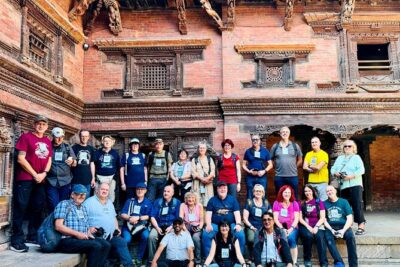
This trip runs with a maximum of 14 travelers. That size keeps things from feeling like a slow moving crowd, but it still gives you a shared experience.
You also get a real support structure. You’ll have twin-sharing accommodations in Kathmandu and guesthouse rooms during the trek. Porters carry luggage under a 1 porter for every 2 guests plan, which helps you focus on trekking, not hauling.
Your guide is first-aid trained. In practice, that means you are not just following someone to a destination. You are following a person trained to manage pace and safety at altitude, including using an oxymeter to measure oxygen saturation levels.
Day-by-day: from Kathmandu arrival to Lukla and your first walking day

Day 1: Kathmandu arrival and your pre-trek setup
On arrival at Tribhuvan International Airport, you get greeted and transferred by private tourist vehicle to a hotel. You’ll also do a pre-trip meeting and meet your trekking guide.
This day is more important than it looks. Getting your paperwork organized, learning the daily rhythm, and settling into Kathmandu helps you start the trek calm. On the Everest trail, calm matters.
A few more Kathmandu tours and experiences worth a look
Day 2: Kathmandu to Lukla, then on to Phakding
You fly from Kathmandu to Lukla on a short, scenic domestic flight. The altitude jump is significant, but you immediately start the trek with a manageable route, walking to Phakding.
Phakding is where the Khumbu feels real. It is active, not touristy-soft, and the trail gives you early practice with prayer-flag suspension bridges and the constant Dudh Koshi river crossings.
Day 3: Phakding to Namche Bazaar, about 6 hours of river-and-bridge trekking
This is your first major step up in trekking effort. The total hike is described as around six hours, trekking along the Dudh Koshi and repeatedly crossing suspension bridges lined with prayer flags.
You’ll feel it most in your legs, not your head, but that is the point. It is steady work that sets your pace before you add rest days. Namche Bazaar then becomes your higher-altitude base.
Day 4: Acclimatization in Namche plus the Everest Viewpoint day
You spend a day in Namche to acclimatize and adjust to thinner air. You also do a short trek around Namche with rewarding Himalayan views, including a sunrise moment from Everest Viewpoint.
This is one of the key “earned” days on the whole trip. Rest is not truly restful here. It is active acclimatization, which is how you show your body that you plan to live at altitude for a while.
Tengboche, Dingboche, and the altitude rhythm you need

Day 5: Trek to Tengboche, altitude climbs and the monastery pause
From Namche, the trail continues along the Dudh Kosi, with big mountain views and a climb into the Tengboche area. You reach Tengboche at about 3,860 m and get time to visit the monastery.
Tengboche is a psychological checkpoint. You see more of the Himalaya, you slow down to absorb the view, and the monastery stop breaks up the physical grind. It is also a reminder that this is not just geography, it is living culture.
Day 6: Through Debuche and Pangboche to Dingboche
This day threads multiple stops. The route drops to Debuche, crosses another suspension bridge on the Imja Khola, and climbs through the Pangboche area among thousands of mani stones.
Then you head to Dingboche, setting you up for a focused acclimatization day. Dingboche is a common place to feel the altitude, even if you pace well. That is why the next day is planned to be lighter.
Day 7: Nangkartshang Peak acclimatization day (no Base Camp push)
You hike to Nangkartshang Peak just above Dingboche, a view-focused day. The plan explicitly avoids making progress toward Everest Base Camp on this day.
That is exactly the kind of smart planning that can save you later. Your legs get a workout, but you give your body time to adjust. If you rush this part, you pay for it in the more dramatic days that follow.
Day 8: Dingboche to Lobuche, along the Khumbu Glacier moraine
Today you move along the lateral moraine of the Khumbu Glacier. You also pass stone memorials for climbers who perished on nearby summits, which hits you differently once you’re actually there.
You continue to the Lobuche area. This day is about building momentum without burning out. The memorials add gravity to the experience, but they also help you understand why safety and acclimatization matter here.
Everest Base Camp and Kala Pattar: where the day is hard and worth it

Day 9: Everest Base Camp at 5,365 m
The big day walk follows the Khumbu Glacier up to Everest Base Camp at 5,365 m. This is described as big and difficult, not a casual stroll, and it is the closest you can get to Mount Everest without mountaineering equipment.
This is where patience pays. You are moving through a high-altitude environment, and the effort can feel relentless. Yet that is also why the payoff lands hard: when you reach Base Camp, you understand why this place pulls people in.
Day 10: Kala Pattar, the demanding viewpoint push at 5,555 m
Most of the morning is spent climbing Kala Patthar to a height around 5,555 m. It’s demanding, but it is also the day you chase for views.
Kala Pattar is one of those spots where the physical work turns into a kind of visual reward you cannot fully plan for. You get the sense of scale, and you see the range in a way that makes the earlier days feel like training for this moment.
If you want one “do it right” tip, it is simple: pace uphill even when you feel tempted to sprint. At altitude, going too fast steals your strength for the last part of the push.
Gorakshep to Lukla by helicopter, then back to Kathmandu

Day 11: Shared helicopter ride from Gorakshep to Lukla, then flight to Kathmandu
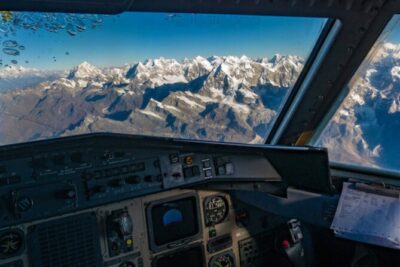
After reaching the high points, you take the shared helicopter ride from Gorakshep to Lukla, about 20 minutes. Then you do the scenic flight onward, around 35 minutes, to Kathmandu.
This is the trade you make with a heli return: you get an easy exit compared with retracing a long route. In exchange, you still feel the altitude on the lead-up days, because your body earned the right to leave high.
Day 12: Departure day from Kathmandu
You’re transferred to Tribhuvan International Airport for your departure. The tour keeps this simple, so you don’t end up scrambling for logistics right after a physically intense week.
Practical support you’ll actually notice on the trail

Water, food, and small comfort wins
Filtered water is included using a Katadyn Pocket Water Filter. That matters because you are operating at altitude where hydration and consistency help you feel steadier.
Meals are included during the trek, with breakfast, lunch, and dinner. A farewell dinner is also included on the last night. Seasonal fruits appear along the way, which is a nice morale boost when your appetite changes at altitude.
Porters and packing load control
Porters carry your luggage during the trek, with a clear ratio of one porter for every two guests. That keeps the day-to-day feel more manageable, especially on the longer glacier and viewpoint days.
Still, you should plan on carrying essentials with you. Even with porters, you’ll want your personal items accessible, not buried in someone else’s load.
Safety basics: guide training plus an oxymeter
The guide is first-aid trained, and the tour includes a comprehensive first-aid kit with an oxymeter to measure oxygen saturation levels. This doesn’t make altitude risk disappear, but it turns safety into something measurable instead of guesswork.
If you tend to ignore your body when you feel tough, this support system is a reminder to slow down. It also helps you make better decisions if someone is feeling off.
Who should book this trek, and who should reconsider
This trek fits best if you want:
- Classic Everest Base Camp hiking without committing to a long full return by foot
- A structured pace with acclimatization days built in
- Support staff, meals, permits, and medical basics included
You should reconsider if:
- You don’t handle altitude well and do not have a realistic plan for pacing
- You are not comfortable with weather-driven disruptions, since the experience requires good conditions
- You lack travel insurance that covers emergency rescue or evacuation, because that is not included
If you’re a fit hiker who enjoys long days but appreciates help with logistics, this is a very sensible “big dream” package.
Should you book this Everest Base Camp trek with helicopter return?
I’d book it if you want the Everest region experience but you also want to protect your knees and energy on the back half. The helicopter return from Gorakshep to Lukla is the big value lever here, and it pairs well with the acclimatization structure.
I would not book it on autopilot. It is still demanding, with hard days at high altitudes, including Everest Base Camp and Kala Pattar. Add in that flights and helicopter travel depend on weather, and your best move is to plan with a calm, flexible mindset.
If you want Everest without turning your whole trip into a grind of retracing steps, this is one of the more practical ways to do it.
FAQ
How long is the Everest Base Camp trek with helicopter return?
It’s about 12 days in total.
What time does the tour start, and where do you meet?
The start time is 8:00 am, and you receive airport greeting and transfer in Kathmandu.
How does the helicopter part work?
You take a shared helicopter ride from Gorakshep to Lukla (about 20 minutes), then there is a scenic flight back to Kathmandu (about 35 minutes).
Are permits included?
Yes. Everest National Park permits and the TIMS permit for trekking are included.
Are meals included on the trek?
Yes. Standard meals during the trek are included (breakfast, lunch, and dinner), plus breakfast during hotel stays in Kathmandu and a farewell dinner.
Is travel insurance included, and what about cancellation?
Travel insurance that covers emergency rescue and evacuation is not included. You can cancel up to 6 days in advance for a full refund, and if the experience is canceled due to poor weather, you’ll be offered a different date or a full refund.
More Helicopter Tours in Kathmandu
More Hiking & Trekking Tours in Kathmandu
More Tour Reviews in Kathmandu
Not for you? Here's more nearby things to do in Kathmandu we have reviewed
Helicopter Tours, compared.
★ 5.0Everest Base Camp Helicopter Tour landing at Everest View HotelFrom $1,575668 reviews
★ 5.0Everest Base Camp Helicopter Tour landing at Hotel Everest ViewFrom $1,600218 reviews
★ 5.0Everest Base Camp helicopter tour with landingFrom $1,60061 reviews
★ 5.0Everest Base Camp Helicopter Tour with Hotel Everest View LandingFrom $1,49052 reviews
★ 5.0Guaranteed Landing at Everest Base Camp Kalapathar by HelicopterFrom $3,50038 reviews
★ 5.0Everest Base Camp Trek with Helicopter Return to Lukla – 10 DaysFrom $79934 reviews
★ 5.0Everest Base Camp Helicopter Tour landing at Everest View Hotel.From $1,98534 reviews
★ 4.9Everest Base Camp Helicopter TourFrom $1,86330 reviews
Browse the lists this tour appears in