Everest Base Camp Trek from Kathmandu 12 Days

REVIEW · EVEREST BASE CAMP TREKS FROM KATHMANDU

Everest Base Camp Trek from Kathmandu 12 Days

5.0 · 14 reviews From $1,350 Operated by My Dream Adventure (MDA) · Bookable on Viator
Book on Viator →

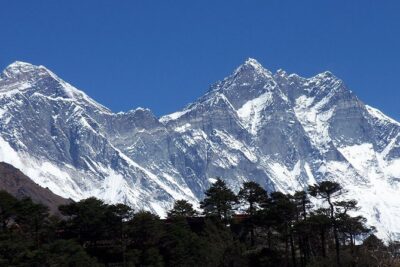
Soaring peaks start with one small airport. This 12-day Everest Base Camp trek from Kathmandu is built around the Khumbu region’s big-name views and real Sherpa culture. What makes it special is the rhythm: flight into Lukla, gradual walking days for acclimatization, and then the classic push to Everest Base Camp and Kala Patthar.

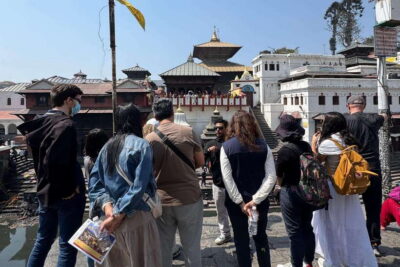
I love how the trek mixes iconic mountains with day-to-day village life. You pass through places like Namche Bazaar, Tengboche, and Dingboche, with monastery stops and plenty of chances to slow down and watch how people live up high. I also like that your package includes practical support like an English-speaking guide, guest-house lodging, permits (trekking permit and TIMS card), and even a first aid kit carried with the guide.

One consideration: this is a physically demanding trek at altitude. The schedule assumes you have a strong fitness level and that you can handle steep, rocky days and big cold at higher elevations, even with rest and acclimatization built in.

Key things you’ll likely care about most

Everest Base Camp Trek from Kathmandu 12 Days - Key things you’ll likely care about most

  • Lukla flight included for a true start in the Everest region, not a long overland slog
  • Sherpa-led expertise and guides like Milan and Bikram named in feedback for safety-focused planning
  • Guest-house trekking with accommodation included, so you can travel lighter and sleep simpler
  • Base Camp plus Kala Patthar viewpoints with admission included for the key dramatic moments
  • Rest days that actually matter around Namche Bazaar and Dingboche to help your body adapt
  • Private trip setup so you’re not sharing your trek with random strangers from other groups

Starting With Lukla: The Fast Track Into the Everest Region

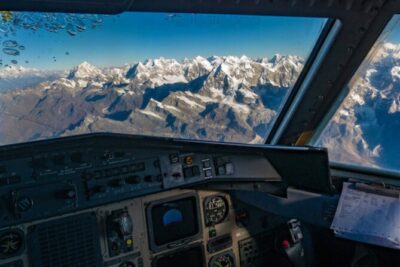
Your trek kicks off with a morning flight from Kathmandu to Lukla. From a traveler’s perspective, that matters because it compresses days of travel into hours and puts you on the trail while you still have energy.

Day 1 is about transition and acclimatization, not suffering. After you land, you trek to Phakding for about four hours. Think of this as your warm-up walk through the Khumbu lowlands, where the air still feels breathable compared to what comes later.

Also, note the way the plan works on Day 1. You get transferred to the domestic airport and then you’re moving quickly toward the trail. That reduces the common risk of wasting time in Kathmandu on the wrong day and makes it easier to keep your schedule tight.

You can also read our reviews of more hiking tours in Kathmandu

Kathmandu Pickup and the Quiet Value of Being Cared For

Everest Base Camp Trek from Kathmandu 12 Days - Kathmandu Pickup and the Quiet Value of Being Cared For
The package includes hotel pickup and drop-off, which sounds basic until you do this trek once. Kathmandu traffic and timing can be chaotic, especially with early flights. Having pickup built in reduces stress and gives you one less thing to manage the morning you fly.

On paper, your lodging is simple: guest-house accommodation. In the real world, that’s exactly what you want here. You’re not booking fancy lodges. You’re paying for a workable system so you can focus on walking, altitude, and views, not chasing bookings in remote towns.

You’ll also have the essentials handled: trekking permits, TIMS card, and a guide who speaks English. If you’ve ever tried to line up permits and local logistics while also worrying about altitude, you’ll know why this part has real value.

Namche Bazaar Acclimatization, and Why Rest Days Aren’t Lazy

Everest Base Camp Trek from Kathmandu 12 Days - Namche Bazaar Acclimatization, and Why Rest Days Aren’t Lazy
The next big step is reaching Namche Bazaar. Day 2 is a six-hour walk that takes you through pine forest and along the Dudh Koshi River, including suspension bridges. This is the stretch where the trek starts to feel like a hike, not a travel day.

Then comes your acclimatization day. Day 3 is designed so you stay active but don’t overdo it. The plan gives you options like a day hike to Thame or a visit to Khunde, or just exploring Namche Bazaar itself. The Namche Bazaar stupa stop is also part of the experience, and it’s a good reminder that this is a living Sherpa community, not just a viewpoint on a map.

Here’s the practical reason I like this structure. Altitude is sneaky. If you treat every day like a race, you risk getting stuck with headaches and low energy. If you treat rest days as active recovery, you’re more likely to feel steady when the climb ramps up.

Tengboche’s Monastery Views: Photo Time, With Real Breathing Challenges

Everest Base Camp Trek from Kathmandu 12 Days - Tengboche’s Monastery Views: Photo Time, With Real Breathing Challenges
Day 4 brings you to Tengboche, about six hours of trekking. The route is described as dusty and winding, but the key reward is the monastery views. This is one of those stops where the scenery and the spiritual setting come together. Even if you’re not a “monastery person,” it still gives you a cultural pause.

What I’d flag as the balance here is that the day is not described as brutal in terms of ascents and descents. That helps you conserve energy for later. But you’re still gaining altitude, and the air still affects your legs. You’ll likely feel the difference even if the climbing feels manageable.

Also, expect time for photography. Tengboche is a great moment to take pictures, but also a moment to slow down and check how you’re breathing. If you’re huffing too much too fast, you adjust your pace. Better to catch that early than to pay for it on the long stretches later.

Dingboche: Old Monasteries, Alpine Walks, and a Second Recovery Day

Everest Base Camp Trek from Kathmandu 12 Days - Dingboche: Old Monasteries, Alpine Walks, and a Second Recovery Day
Day 5 takes you from Tengboche to Dingboche, about seven hours. You begin with a visit connected to the region’s oldest Buddhist monastery, and then you continue through alpine woods, passing places like Upper Pangboche and onward through Sherpa settlements.

This is the part of the trek where you start noticing the terrain change. It’s less forest and more wide, open walking. The air feels thinner. The days can feel slower, even when the walking time looks reasonable on paper.

Day 6 is your second recovery day, about five hours of flexible time. The plan includes rest and the possibility of exploring the Dingboche area and surrounding villages. You’ll also get a spectacular view, but the key point is that you need rest before the final leg toward higher elevations.

If you only remember one thing about this whole trek design, remember this: the second recovery day is what helps you reach the high point days without feeling wrecked. It’s not wasted time. It’s built into your success.

Here's some more things to do in Kathmandu

Lobuche to Gorakshep: Glacier-Side Walking Before Base Camp

Everest Base Camp Trek from Kathmandu 12 Days - Lobuche to Gorakshep: Glacier-Side Walking Before Base Camp
Day 7 is a tougher day, about seven hours from Dingboche to Lobuche. The route climbs through the Khumbu Khola valley, passing through places like Duglha, and the valley narrows as you get closer to Dusa. The day is described as difficult, with massive boulders and mountain yaks passing by.

This is where you really earn your “I’m doing it” feeling. The terrain can be uneven and mentally tiring, even when you keep a steady pace. If you start this day too fast, you’ll feel it later around the glacier-side sections.

Day 8 is a big day split into parts. You trek from Lobuche to Gorakshep for about three hours. Then you continue from Gorakshep to Everest Base Camp for about two hours, with admission included. After spending priceless time at Base Camp, you return to Gorakshep for an additional two hours and sleep overnight there.

One practical note: Day 8 is where cold and wind can bite. Even if the day feels like it’s moving, you’re at higher elevation and the air drains warmth. Layers matter more than you think. Pack smart, keep moving, and don’t wait until you’re freezing to fix it.

Kala Patthar: The View That Explains the Whole Trek

Everest Base Camp Trek from Kathmandu 12 Days - Kala Patthar: The View That Explains the Whole Trek
Day 9 is built around an early start for Kala Patthar. You head there for about three hours to catch dramatic mountain views. Kala Patthar is often treated as one of the best viewpoints in the Everest Base Camp trek experience, and it makes sense because it puts you in striking proximity to the peaks.

After the viewpoint time, you descend back toward Gorakshep, then rest, and gradually descend to Pheriche for about four hours. This is an important day for your body. The walking downward can feel easier on paper, but altitude still matters. Your knees might be the limiting factor more than your lungs.

If you want a simple approach, take slower steps on the descents. It’s the fastest way to avoid turning a rewarding trek day into a recovery day.

Returning Through Namche and Lukla: Fewer Peaks, Still Plenty of Work

Everest Base Camp Trek from Kathmandu 12 Days - Returning Through Namche and Lukla: Fewer Peaks, Still Plenty of Work
Day 10 starts your return to Namche Bazaar, about six hours. The route follows the wider Khumbu Khola valley, passing through Sherpa villages like Pheriche and onward toward earlier sections. This is a different feeling than the outward days. You know what you’ve already done, and that can make the walking feel lighter.

Day 11 is shorter walking segments but still intense because of the steep descents. You trek from Namche to Phakding for about three hours, descending steeply and needing to control your steps on rocky terrain. Then it’s about three more hours to Lukla for your overnight.

That steep descent note is not trivia. It’s your legs talking to you. Walking downhill with altitude fatigue is where people slip into speeding up and then paying for it.

Day 12 finishes with the flight back to Kathmandu. You fly from Lukla to Tribhuvan International Airport in about 35 minutes, then transition back to Thamel. The total day is listed at about five hours, which is typical of travel days with airport transfers.

Guides, Vehicles, and the Little Things That Keep You Comfortable

The included support is more than paperwork. You get an English-speaking trekking guide and a first aid kit carried with the guide. In the feedback, guides like Milan and Bikram are called out for being kind and professional, and for making the trek feel smooth through careful planning.

What “smooth” often means on Everest routes is not luxury. It means better pacing. It means acclimatization plans that aren’t vague. And it means logistics that stay on track so you spend your attention on walking and views, not on scrambling.

One more thing: some feedback mentions an excellent team vehicle and well-timed flights. That’s a big deal on a trip where you’re leaving Kathmandu early and relying on domestic schedules.

Price and Logistics: Is $1,350 Good Value?

At $1,350 per person for a 12-day Everest Base Camp trek, the value is strongest when you look at what’s bundled. Your price includes round-trip flights Kathmandu to Lukla, trekking permits and TIMS card, English-speaking guide support, guest-house accommodation, and hotel pickup and drop-off.

You’re also getting included admission for Everest Base Camp and for Kala Patthar, which you’d otherwise have to sort out separately. And you’re not paying extra for first aid kit support.

The trade-off is that personal expenses are not included, so you still budget for extras like snacks, drinks, hot meals at your own pace, and tipping. But that’s true for most Everest treks.

If you’re comparing value, treat it like this: the biggest costs in Everest trekking are transportation to the trailhead and the administrative permits. This package already handles both, and that usually makes the trip simpler and less stressful.

Who This Trek Suits Best (and Who Should Rethink It)

This trip is best for you if you want the classic Everest Base Camp experience with a mix of views and Sherpa culture. You’ll enjoy it if you like villages and monasteries as much as you like summit-level scenery.

It also fits travelers who want structured acclimatization. The schedule includes built-in recovery around Namche Bazaar and Dingboche, and it doesn’t treat rest as optional.

Reconsider if you don’t have strong physical fitness. The trek is described as challenging, and several days are long walks with difficult terrain. Even with guidance, altitude doesn’t negotiate.

If you’re a solo traveler, you may still do better with a private trip format because it keeps communication simple. If you’re traveling with friends or family and want one organized group plan, this also makes sense.

Should You Book This Everest Base Camp Trek?

I’d book it if you want a well-structured Everest Base Camp plan with flights, permits, guide support, guest-house stays, and the two key viewpoints handled for you. The best sign here is how often the guide names show up with praise for kindness, professionalism, and safety-focused planning, including guides like Milan and Bikram.

I’d hesitate if you’re looking for an easy hike or if you expect guaranteed comfort at altitude. Guest houses are basic by design. Cold and altitude will still be part of the deal.

If you go in with realistic expectations, bring a smart layer system, and follow your guide’s pacing advice, this is the kind of trek that stays with you long after the return flight.

FAQ

How long is the Everest Base Camp trek from Kathmandu?

The trek duration is listed as 12 days approximately.

Are flights between Kathmandu and Lukla included?

Yes, round-trip flight tickets from Kathmandu to Lukla and back to Kathmandu are included.

What permits are included?

The package includes the trekking permit and a TIMS card.

What kind of guide and support do I get?

You get an English-speaking trekking guide and a first aid kit is included with the guide.

Is accommodation included during the trek?

Yes, accommodation in guest houses is included.

What is the cancellation policy for a full refund?

You can cancel up to 3 days in advance for a full refund. If you cancel less than 3 days before the start time, the amount paid will not be refunded.

More Hiking & Trekking Tours in Kathmandu