12 Days Everest Base Camp Trek

REVIEW · EVEREST BASE CAMP TREKS FROM KATHMANDU

12 Days Everest Base Camp Trek

5.0 · 53 reviews From $605 Operated by Himalayan Scenery Treks and Expedition - Private Day Tours · Bookable on Viator
Book on Viator →

Tiny planes, big mountains, real trekking. This 12-day Everest Base Camp route takes you from Lukla up to Kalapatthar (5,545m) for big Everest panoramas, then down through Sherpa villages shaped by the Dudhkoshi river valleys. You also get to watch for Nepal’s national bird, the Danphe, along the trail.

I love how much is handled for you up front. You get a government licensed, high-altitude trained guide, meals each day on trek, and lodge stays with twin sharing, plus a porter system to take some weight off your back. I also like the way the trek balances effort with rest, including dedicated acclimatization days at higher elevations.

The main drawback to think about is the altitude profile. Even with acclimatization, you are going high (Base Camp at 5,364m and Kalapatthar higher still), and the trek is meant for people with at least moderate fitness who will hike consistently without cutting corners.

Key highlights to know before you go

12 Days Everest Base Camp Trek - Key highlights to know before you go

  • Lukla start, 45-minute flight: you trade road travel for an efficient jump into the Khumbu
  • Acclimatization built into the schedule: Namche, Dingboche rest, and an extra hill hike for breathing time
  • Base Camp plus Kalapatthar: you do the main goal and then the big sunrise viewpoint
  • Everest View Hotel tea stop: a gentler day paired with fresh air and big views
  • Support at altitude: an oximeter, first aid kit, and a high-altitude trained guide on the ground
  • Porter coverage (1 for 2 trekkers): you still carry your daypack, but you likely feel less broken at the end

Lukla flights and the trail that actually begins on day one

12 Days Everest Base Camp Trek - Lukla flights and the trail that actually begins on day one
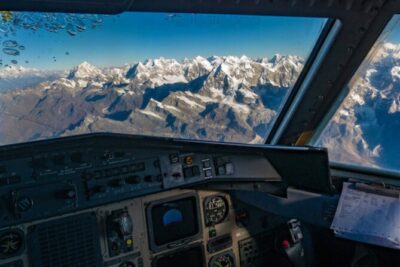
Most Everest stories start with the trek, but here it really starts with the flight into Lukla. It is about a 45-minute hop into Tenzing-Hillary Airport, and it does a nice job of setting expectations. In a short window you transition from Kathmandu air and schedules into Khumbu altitude reality.

Day 1 drops you from Lukla down to Phakding, following the curves of the Dudhkoshi river. This first walking day matters. You are not doing a heroic grind yet, but you are learning how the trail feels underfoot, how your legs respond, and how quickly your body adapts to thinner air.

What you will like here is how the route eases you into the rhythm. The walking time is reasonable, and you get your first look at Himalayan life in the village setting rather than jumping straight into high-altitude fatigue.

A practical consideration: your day is hinged on the Lukla flight. If you are the type who hates any uncertainty, plan your Kathmandu day with some breathing room so you are not stressed about getting everything perfect.

You can also read our reviews of more hiking tours in Kathmandu

Phakding to Namche Bazaar, cable bridges and constant scenery

12 Days Everest Base Camp Trek - Phakding to Namche Bazaar, cable bridges and constant scenery
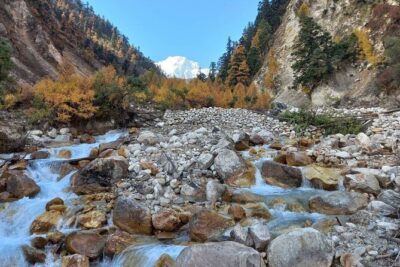
On Day 2, the trek becomes more serious. You head from Phakding toward Namche Bazaar with long hiking hours. This is when the Dudhkoshi valley really shows its strength. The river runs alongside your plan, and the trail keeps linking bridges, bends, and village stretches.

Namche is more than a waypoint. It is a place where you can slow down and realize you are in the heart of Khumbu logistics. You get a day or two to recalibrate before higher ground.

The most useful part of Day 2 is that it teaches you pacing. If you go out too fast, altitude will punish you. If you keep a steady effort, Namche feels like a reward instead of a wall.

Everest View Hotel and the acclimatization day you should treat as training

Day 3 is an acclimatization day built around a straightforward goal: hike up to the Everest View Hotel for tea, via the Syangboche airstrip. This is exactly the kind of day that helps you mentally. You still work your legs, but you are not racing toward Base Camp, so you can focus on how your breathing changes.

Tea matters here because it anchors the day. You get a routine, sit down, and practice staying calm even when you are higher than your body likes. You also get classic Everest-area viewpoints without turning the day into an all-day slog.

If you are a beginner, this is a great checkpoint. If you are a senior, it is also a kind day to learn your personal altitude pace. Either way, treat it as training, not a break from responsibility.

Tengboche to Deboche, sunrise timing and rhododendron country

12 Days Everest Base Camp Trek - Tengboche to Deboche, sunrise timing and rhododendron country
After your recovery time around Namche, Day 4 and Day 5 bring you into the monastery and forest sections. The big moment here is the early sunrise focus. Day 5 is built around Tengboche monastery sunrise, and the trail takes you down through a rhododendron forest toward Deboche (3,320m).

This is where the trek becomes more than exercise. The combination of morning light and trail texture makes you forget about the miles. Rhododendron forests can also mean a more varied walk, not just stone and dust.

A real tip: keep your layers ready for early starts. Sunrise treks can mean colder air at elevation, even if the day warms up later.

Also, remember you are still in an acclimatization environment. The goal is to keep moving, but smart movement counts more than speed.

Dingboche rest day, Nagarjuna Hill, and learning how to handle 4,400m+

12 Days Everest Base Camp Trek - Dingboche rest day, Nagarjuna Hill, and learning how to handle 4,400m+
Day 5 and Day 6 put you in the Dingboche zone. Day 6 is another acclimatization block, and it starts with a reminder that resting is part of the plan. You have descended to over 4,400m, which is high enough that you should not rush your next steps.

Instead, the day includes a leisurely hike to Nagarjuna to acclimatize and enjoy the surrounding views. This is the kind of activity you should appreciate even if it sounds mild on paper. Short uphill walks at altitude help your body adjust, and they keep your mind from panicking about what comes next.

What I like about these rest days is how they create a buffer for real life. Some people need an extra hour to eat, some need slower steps, and some just need reassurance. A well-run trek gives you that space.

Here's some more things to do in Kathmandu

Lobuche and the Khumbu Glacier approach to Gorakshep

12 Days Everest Base Camp Trek - Lobuche and the Khumbu Glacier approach to Gorakshep
By Day 7 you push into the zone that feels like the “real” Everest approach. You head toward Lobuche along a wide valley under Cholatse and Tawache peaks. The terrain shifts, and it starts to feel more alpine. This is also the day where your lungs will remind you that you are still gaining elevation, even if the climb is not dramatic every hour.

Day 8 is your “today is the day” section. You leave Lobuche for Gorakshep via a rocky ascent alongside the Khumbu glacier. There is even mention of the International Pyramid Labo area as you walk. Then you continue on to Everest Base Camp, about two more hours of rocky, downhill, and uphill walking beside the glacier.

Here is the practical truth of Base Camp days: the trail can feel more uneven than you expect. You will want poles if you use them, and you will want to keep your pack weight realistic.

What you get for that effort is huge. You arrive at Base Camp (5,364m) and you can stand there long enough to actually process it. This trek is built so you do not just speed through the goal.

Kala Patthar sunrise, then the long way back down

12 Days Everest Base Camp Trek - Kala Patthar sunrise, then the long way back down
Day 9 wakes you up super early for a hike to Kala Patthar for sunrise. The climb is steep and rocky, and that matters because sunrise hikes at elevation are often a mix of cold air, tight lungs, and short bursts of effort.

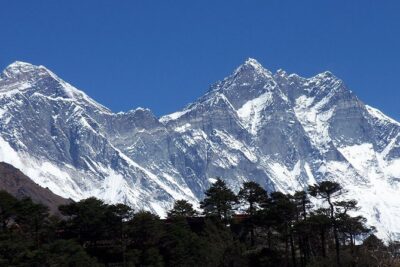
You do it for the payoff: sunrise views over Mount Everest. This is one of those moments where you feel the entire trek compressed into a few minutes of light and silence. You are also higher than Base Camp here, so your body feels it more. Stay steady, take breaks, and do not chase other hikers’ pace.

Then Day 10 turns into a return day. You walk from Kala Patthar area back toward Namche Bazaar, with the elevation dropping as you go. The trail follows a familiar path back down through the same general corridor, making it easier to focus on legs instead of altitude panic.

Day 11 continues the descent toward Lukla via Monjo and retracing through Phakding. This is often where you feel both relief and the leftovers of earlier days. The right mindset helps: you are almost home, but you still need to treat each day as part of the finish line.

Day 12 brings the final logistics. You fly back from Lukla to Kathmandu and then drive to your hotel, with the rest of the day free. It is a good ending plan because it gives you time to recover your appetite and your sleep schedule.

What the included meals, lodge rooms, and gear really mean for your comfort

12 Days Everest Base Camp Trek - What the included meals, lodge rooms, and gear really mean for your comfort
This trek includes three meals a day during the trek and “best available” twin-sharing lodge rooms. That may sound standard, but it affects your stress level more than you might think. When you are hiking 5,000m plus, your body needs predictable food and predictable breaks.

It also helps that the trip provides trekking support gear: a trekking map, trekking hat, duffel bag, and trekking pole. You may still bring your own gear, but having core items covered reduces the pre-trek checklist panic.

One more detail I appreciate: there is a first aid kit and an oximeter used for checking pulse and oxygen saturation at higher altitude, plus oxygen-related monitoring through pulse oximetry. You are still responsible for listening to your body, but it is reassuring to see altitude safety tools built into the operation.

Lodges are not luxury hotels at these elevations, but they are part of the trekking rhythm. Having dinner and breakfast arranged keeps your day from turning into decision fatigue.

Price and value: why $605 includes more than walking time

At $605 per person, this package looks low compared to what most people picture for Everest. The value comes from what you are not paying separately.

You are getting:

  • Domestic flights Kathmandu to Lukla and back
  • Airport pickup and drop-off by private or shared vehicle in Nepal
  • Permits and access fees, including Sagarmatha National Park entry and a TIMS card fee
  • A government licensed guide who is specifically high-altitude trained
  • Porter support (1 porter for every 2 trekkers)
  • Trekking essentials like map, hat, duffel bag, and trekking pole
  • Walkie-talkie availability for group trekkers, plus accident insurance coverage for staff

The biggest value is that the trek is designed to run smoothly day to day. You still need to bring personal snacks, drinks, and spending money, since those are not included. You also need your own personal travel insurance, and tips for the team are not covered.

But for the core logistics, this is structured like a real operation, not just a route on paper.

The guide team: pace coaching, early mornings, and serious competence

The reviews highlight one theme again and again: guides who keep you safe and keep you moving well. Names that stand out include Rajesh Magar, Narayan Ntc, and Gopal. People also mention Bikram for pace management.

The most practical part is this: a good guide adjusts the day around your ability. One fast hiker shared that their guide recognized they would not be happy starting late or taking long delays, and they shifted lunch timing to match an earlier arrival pattern. You should think about this when you book. Ask your guide how they handle pace variety inside a group.

Also, these guides focus on getting you up for key moments. Sunrise at Tengboche and the early Kala Patthar hike are not optional “maybe someday” goals here. They are built into the plan, which is exactly what you want for a once-in-a-lifetime trek.

Who this trek suits best, and how to prep smart

This trek is labeled for seniors and beginners, with a moderate physical fitness level requirement. That does not mean it is easy. It means the plan has support and pacing built in: rest days, acclimatization hikes, lodge stops, and a porter system.

If you are a beginner, your biggest challenge will be consistency. You will learn what a steady pace feels like, and you will learn to stop when you need to. If you are a senior, focus on leg stamina and joint comfort, and make sure your layers and hydration routine are dialed.

From a skills standpoint, you do not need technical climbing tools. But you do need to be comfortable walking on uneven rocky paths and in cold early mornings. Day 8 and Day 9 are the most demanding in that sense.

Practical prep priorities:

  • Train for long walks before you arrive, not just short workouts
  • Plan for layers, cold mornings, and thinner air
  • Use trekking poles if you have them, especially on rocky sections
  • Keep your daypack realistic, since you will have porter support but you still carry essentials

Should you book this Everest Base Camp trek?

I think this is a strong choice if you want a classic Everest Base Camp experience with real acclimatization days, lodge comfort, and a trained guide. The combination of reaching Kalapatthar and doing the Base Camp day properly makes it feel complete, not rushed.

You should book if you value:

  • included flights and permits
  • a structured schedule that builds in rest
  • altitude monitoring tools like an oximeter
  • a team approach to pacing, including early-morning goals

You might choose a different option if you hate any altitude risk at all, or if you know you will not do well with steep rocky sunrise hikes and consistent long trekking days.

If you can hike steadily at home and you are ready to take altitude seriously, this plan is set up to give you a meaningful Everest payoff without making you piece the logistics together yourself.

FAQ

Where does the trip start in Kathmandu?

The meeting point is Tribhuvan Airport in Kathmandu, Nepal, and pickup and drop-off are included.

What transport is included for the trek?

You get domestic flights from Kathmandu to Lukla and back, plus airport transfers by private or shared vehicle in Nepal.

What do you get for meals and lodging during the trek?

The package includes three meals a day (breakfast, lunch, dinner) during trekking, and lodge accommodation in best available twin-sharing rooms.

How does porter support work?

A porter is included at a ratio of 1 porter for every 2 trekkers.

What permits or entry fees are covered?

The trip includes the entry permit for Sagarmatha National Park and the TIMS card fee.

How high does the trek go?

It includes reaching Kalapatthar at 5,545m and Everest Base Camp at 5,364m.

Can I cancel for a full refund?

Yes, you can cancel up to 24 hours in advance for a full refund. If you cancel less than 24 hours before the experience start time, the amount paid is not refunded.

More Hiking & Trekking Tours in Kathmandu