Everest Base Camp Trek 14 Days

REVIEW · EVEREST BASE CAMP TREKS FROM KATHMANDU

Everest Base Camp Trek 14 Days

5.0 · 70 reviews From $999 Operated by Nepal Nirvana Trails · Bookable on Viator
Book on Viator →

One flight away from Everest starts here. This Everest Base Camp trek packs the classic Khumbu highlights into a 14-day route, mixing Lukla flying, Sherpa village days, and altitude planning in a way that feels organized from day one. You also get a local guide team led by KP Dhital, with feedback that repeatedly names guides like Raju, Roshan, and Abinash.

I love how the itinerary builds in acclimatization instead of rushing. The Namche Bazaar and Dingboche stopovers, plus optional hikes on Day 7, give you a chance to adjust before the harder push toward Lobuche, Gorakshep, and the base camp area. I also like the focus on “big view” moments, from the Everest Hotel hike to the Kalapatthar day.

One thing to think about early: accommodation and food for you are not included in the package price. Add that to the long hiking days listed (including multiple 16 hour days), and you will want realistic planning for energy, altitude, and your out-of-pocket trek meals and beds.

Key points to know before you go

Everest Base Camp Trek 14 Days - Key points to know before you go

  • Lukla flights are included, so you avoid the usual hassle of trying to line up flights yourself
  • Acclimatization days are built in, with options on Day 7 to choose how hard you want to push
  • Viewpoints are scheduled, not left to luck, including Everest Hotel and Kalapatthar
  • Private group format, so your plan is run just for your group
  • Many costs are covered, but not your tea house stays, so budget the nights and meals separately

Kathmandu to Thamel, and that all-important first gear check

Everest Base Camp Trek 14 Days - Kathmandu to Thamel, and that all-important first gear check
Your program starts in Kathmandu, with a pickup from the airport handled by the local team, then you’re brought to your hotel or hostel in Thamel. In the evening you meet your guide and do a basic equipment check, which matters more than people think when you’re headed toward cold nights and higher, thinner air. You’ll also get your bearings for an early start the next day, since the start time is listed as 5:45 am.

In the feedback, KP Dhital and the Nepal Nirvana Trails team show up again and again for smooth coordination, including airport pickup. I like that this isn’t just a “here’s your guide, good luck” situation. You get a real handoff, and you can ask practical questions before the route starts demanding your legs.

Thamel is also a handy place to land mentally. It gives you food options and a place to calm down, pack your day bag, and double-check that you have what you need for wet weather, warm layers, and trekking poles if you use them.

You can also read our reviews of more hiking tours in Kathmandu

Lukla flight day to Phakding: the start of the Khumbu rhythm

Everest Base Camp Trek 14 Days - Lukla flight day to Phakding: the start of the Khumbu rhythm
Day 2 is the jump into the real trek, starting with the thrilling flight to Tenzing Hillary Airport in Lukla. From there, you trek to Phakding village for the night. The key value here is that your trek “clock” begins right after arrival, so you are not waiting around in Kathmandu for days before the mountains start doing their thing.

This is also where you’ll feel the pace of the Khumbu: steady walking, frequent small climbs and descents, and lots of village life around you. Because the itinerary places you in Phakding right away, you get your first night at a trekking altitude without adding extra fatigue from extra transit.

One practical note: trekking after the flight means you should take the first hours easy. Even if you feel good, your body is still adjusting from travel and altitude.

Namche Bazaar acclimatization and the Everest Hotel hike

Everest Base Camp Trek 14 Days - Namche Bazaar acclimatization and the Everest Hotel hike
Day 3 is a big transition day. You cross the Dudh Koshi river, pass through Monjo village, enter Sagarmatha National Park, then keep walking through dense forests to reach Namche Bazaar. The itinerary lists a long Day 3 walking window, including about 16 hours, so expect a full day even before you start the higher views.

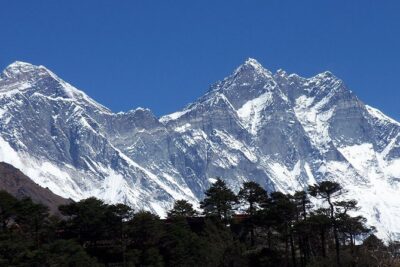
Day 4 is your acclimatization day in Namche Bazaar. Instead of stacking more altitude too quickly, you stay put and hike to the Everest Hotel for panoramic views of Everest, Ama Dablam, Thamserku, Lhotse, and more. This is the kind of hike that’s valuable for two reasons. First, you get a reward view without going for broke. Second, you practice your breathing and pacing while your body is still adjusting.

This is also a good day for planning your “effort style.” If you like steady, slow walking and short rests, you will enjoy Namche days. If you try to race uphill, altitude can punish you later.

Tengboche and Dingboche: monastery stop, forest trails, and big peak panoramas

Everest Base Camp Trek 14 Days - Tengboche and Dingboche: monastery stop, forest trails, and big peak panoramas
Day 5 moves you onward to Tengboche, walking through juniper and rhododendron forests with mountain views along the trail. Tengboche is known in this region for the monastery experience, and the plan includes a visit there. For me, this is more than a photo stop. It’s a cultural pause that breaks up the physical grind.

Day 6 takes you to Dingboche. You cross the Imja Khola and continue on trails that highlight views of Island Peak and Ama Dablam. Dingboche is one of those places where the air feels thinner, but the mountain scale becomes easier to understand. You are also moving from forested walking into more open, high-altitude terrain, which changes how you move and how you manage your warmth.

Watch your hydration and your breathing on these mid-trek days. The itinerary keeps you active, but it also gives you time to settle after each travel day, which is exactly what you want at this stage.

Dingboche Day 7 options: choose Nangkartshang Peak or Chhukung Ri

Everest Base Camp Trek 14 Days - Dingboche Day 7 options: choose Nangkartshang Peak or Chhukung Ri
Day 7 is your second acclimatization day in Dingboche, and it comes with choice. You can hike to Nangkartshang Peak (5083 m) or to Chhukung Ri (5546 m). Either option is about smart adjustment, not just “more altitude.” This is where you learn what your body can handle on a given day, and you choose accordingly.

From a practical standpoint, I like that the itinerary gives you an option rather than forcing everyone onto the same hard push. If you’re feeling strong, you can go for the higher viewpoint. If you’re tired, the choice helps you avoid turning acclimatization into exhaustion.

This day also sets you up for the next phase. After a good adjustment, you’re more likely to handle the long, rocky walk days toward Lobuche, Gorakshep, and the base camp area.

Here's some more things to do in Kathmandu

Lobuche to Gorakshep to Everest Base Camp: a long day with a real payoff

Everest Base Camp Trek 14 Days - Lobuche to Gorakshep to Everest Base Camp: a long day with a real payoff
On Day 8, you continue toward Lobuche on an uneven rocky path, with views of Pumori, Nuptse, and Lobuche Peak along the way. This is where terrain starts asking more of you than just distance. You’re on rougher ground, and foot placement matters.

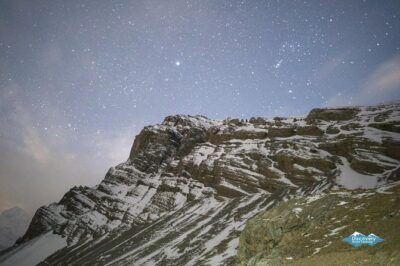
Day 9 is the push to Everest Base Camp and back to Gorakshep. The walk is described as long, passing through the Khumbu Glacier area. The itinerary also calls out that you can view the Khumbu icefall from Everest Base Camp.

This is a big mental day as much as a physical one. You’ll feel the “almost there” energy, but you also need discipline on pacing. If you spend the whole day sprinting, the return trip becomes harder than it should be. If you go steady, you’ll have the energy to enjoy the glacier scene at base camp.

For people who care about classic Everest imagery, this is the day that delivers it. For people who care more about comfort, it can feel demanding. Either way, it’s the center of the trek.

Kalapatthar and the descent to Pheriche: maximize views, then recover

Everest Base Camp Trek 14 Days - Kalapatthar and the descent to Pheriche: maximize views, then recover
Day 10 is another highlight, but with a twist: you hike up to Kalapatthar for magnificent views of Mount Everest, then you trek down to Pheriche. The itinerary mentions pathways of lush forests during the descent, which is a nice contrast after cold, high terrain.

Kalapatthar is often the most memorable view stop in this region. The practical reason is that you get a wide-angle perspective that helps Everest look less like a distant idea and more like a real, looming mountain. It’s also a good day to keep your expectations grounded. Your legs will feel the altitude, so slow steps and breaks are part of the plan.

Then, Pheriche becomes your recovery base. Day 10 is a great example of why this itinerary works: you chase the view, then you come down enough to keep the trek moving without just frying yourself.

Back down to Namche, then to Lukla: suspension bridges and familiar faces

Everest Base Camp Trek 14 Days - Back down to Namche, then to Lukla: suspension bridges and familiar faces
Day 11 brings you back to Namche Bazaar, leaving the higher country behind. The route includes suspension bridges and walks through villages, and it lists about 16 hours of walking time. This is a long “return” day, but it’s mentally easier because the direction is clear and you’re retracing steps you already understand.

Day 12 continues the descent to Lukla. You pass by Jorsale and Monjo, reach Phakding village, cross many bridges over Dudh Koshi river, and continue until you get back to Lukla. Expect lots of bridge crossings and steady trekking fatigue, not a dramatic change in terrain. That said, the body appreciates familiar patterns after the harder days.

By Day 12, it’s less about reaching Everest in your mind and more about finishing strong in your body. Slow and steady wins.

The 35 minute flight back to Kathmandu and a free Thamel day

Day 13 is your return flight to Kathmandu, about 35 minutes. After that, you’re free for the rest of the day. The plan includes time for a stroll around Thamel and souvenir shopping, which is practical because Kathmandu is where you’ll reset after cold nights and dusty trail days.

Day 14 is the close-out. You either extend your Nepal stay or you’re dropped at the airport by a representative.

I like how the last day doesn’t pretend you want to keep trekking. It gives you space to shower, eat properly, and process the experience without rushing.

Price and Logistics: what $999 covers, and what costs you should expect

The price is listed at $999 per person for this 14-day Everest Base Camp trek. For that money, the package includes several major pieces that usually cost time and effort to coordinate: airport transfer services, the local flight schedule, guide salary plus food of the guide, and insurance included in the trip cost. It also includes all applicable TIMS and local permits, plus the flight tickets from Kathmandu or Manthali to Lukla, and Lukla back to Kathmandu or Manthali.

That’s the big value: your flights to Lukla and your paperwork are handled. It also makes sense for a private tour, where you don’t want surprises about who pays for what.

Now the budget reality. Accommodation and food for guests are not included for the full trip. Tips for your trek guide are expected. International flights and the Nepal entry visa are not included, and travel or health insurance that covers emergency rescues and evacuation is not included.

So I’d treat $999 as the “core trek organization” cost, not the total trip bill. To stay comfortable, you’ll want to plan extra for your night-by-night sleeping and meals along the route, plus a solid insurance policy that covers the kind of help you might need at high altitude.

Guides and safety basics, with altitude planning that actually matters

This trek is private, so your group size stays limited and your guide can focus on your pace. The itinerary also shows a clear altitude logic: stay in Namche on Day 4, then acclimatize again in Dingboche on Day 7 before the push to Lobuche and the base camp day. That structure matters. It reduces the chance you spend the trek only chasing elevation.

In the feedback, the guide experience gets strong praise, with specific names called out. KP Dhital and his team are repeatedly described as professional and supportive around the logistics. Guides like Raju are described as warm and genuinely caring, Roshan as supportive and helpful, and Abinash as professional and encouraging. There’s also praise for tailoring the experience to needs, which is exactly what you want when your body might not match a perfect textbook schedule.

One more practical angle: the itinerary includes guide equipment and guide insurances in the trip cost, but you still need your own travel and health insurance that covers rescue and evacuation. Don’t wait until you’re on the mountain to think about this.

Who should book this Everest Base Camp trek, and who should pass

This route is listed for moderate physical fitness. That’s a real signal. It does not mean easy. It means you’ll likely handle long hiking days if you train, pace yourself, and accept slow uphill steps as normal.

I think this trek suits:

  • People who like a guided plan with Lukla flights and permits handled
  • View-focused hikers who want classic stops like Everest Base Camp and Kalapatthar
  • Solo trekkers who want support and reassurance from a guide team, especially based on praise for care and professionalism in the feedback

It may not suit you if:

  • You strongly prefer fixed costs with meals and lodging included, because accommodation and food for you are not part of the package
  • You want a low-effort trek, since multiple days are described as long (including 16 hours on several segments)

Should you book this Everest Base Camp trek with Nepal Nirvana Trails?

If you want a classic Everest Base Camp route with solid planning, and you value having Lukla flights and permits handled, this is a strong option. The itinerary’s acclimatization rhythm, plus viewpoint days like Everest Hotel and Kalapatthar, is exactly how you turn a tough trek into a memorable one.

I would book with eyes open about costs. The headline price is attractive, but your total budget will rise once you add your own accommodation and meals along the route, plus tips and your insurance. If you already plan for that and you’re training for long trekking days, you’re in the sweet spot.

If you want, tell me your travel month and your hiking experience level, and I’ll help you sanity-check whether this 14-day pacing matches your fitness and what to budget beyond the $999.

FAQ

What time does the Everest Base Camp trek start, and where do I meet?

The start time is listed as 5:45 am. The meeting point is the Nepal Nirvana Trails office in Kathmandu, or you may meet in the hotel where you stay, or at Tribhuwan Airport.

Is airport pickup included in this tour?

Yes. Airport transfer services for arrival and departure are included, along with escorting you from the airport to your hotel or hostel in Thamel.

Are Lukla flights included in the $999 price?

Yes. Flight tickets from Kathmandu or Manthali to Lukla, and from Lukla back to Kathmandu or Manthali, are included as part of the tour.

Do I need to arrange permits or TIMS paperwork?

No. The tour includes all applicable TIMS and local permits.

What is not included in the trip cost?

International flight tickets, Nepal entry visa, travel and health insurance that covers emergency rescues and evacuations, and accommodation and food of guests for the complete trip are not included. Tips for the trek guide are expected.

Can I cancel and get a full refund?

You can cancel up to 24 hours in advance of the experience start time for a full refund. If you cancel less than 24 hours before the start time, the amount paid is not refunded. Cancellation cut-off times use local time.

More Hiking & Trekking Tours in Kathmandu