REVIEW · EVEREST BASE CAMP TREKS FROM KATHMANDU
Unforgettable Everest Base Camp Trek with Third Rock Adventures! 🌄

I recently completed an incredible journey to Everest Base Camp with Third Rock Adventures, and I can’t recommend them enough! From starRead more
Lukla to Everest sounds unreal at first glance. This 14-day Everest Base Camp trek pairs flights into the Khumbu with Sherpa village days, then finishes with Kala Patthar at sunrise for big mountain views.
I especially like the way acclimatization is built in, with a full Namche rest day and higher walking later from Dingboche. I also like the hands-on support, including a licensed English-speaking guide, a first-aid setup (plus a pulse oximeter and meds), and porter help with a 2 trekkers to 1 porter ratio.
One consideration: this trek is graded moderate to difficult, and flights can be weather-dependent, so you need flexibility and mental stamina for cold mornings and slow altitude days.
Key things that make this Everest Base Camp trek work

- Kala Patthar sunrise with 360-degree views is the big payoff
- Tea house meals plus tea or coffee during the trek keep your energy steady
- Guide medical readiness includes a pulse oximeter and medicines such as Paracetamol and Diamox
- Sherpa route highlights, including Tengboche monastery and memorial stupas at Thukla Pass
- Comfort support that matters, like down jacket and sleeping bag provided (returned at the end)
- Small group size (max 12) helps the pace feel human
Is This Everest Base Camp Trek Worth $1,799?
For $1,799 per person, you are not just buying a walking route. You are paying for the mountain logistics that normally chew up time and energy: Kathmandu hotels, domestic flights to and from Lukla, park and community fees, daily meals on the trail, and a trained guide plus porter support.
Here’s what you’re getting that can genuinely reduce hassle for you:
- Two nights in Kathmandu in 3-star deluxe accommodation with breakfast
- Tea house lodging during the trek (the standard style for Everest treks)
- All meals (breakfast, lunch, dinner) during the trek, plus tea or coffee
- Porter service for your main luggage (2 trekkers: 1 porter)
- Sagarmatha National Park entry and community fee included
What you still need to plan for (and budget) because it’s not bundled:
- Nepal visa fee, plus travel and medical insurance
- Tips for guide, porter, and driver (tipping is expected)
- Personal expenses like extra snacks, phone charging, laundry, hot showers, and water (you’re given an allowance line item, but these costs still exist)
- Baggage realities: 15 kg allowance is stated, extra baggage is about $1 per kg
- Optional helicopter upgrade is listed at $1,200 per person (sharing flight)
Value check: if you want a structured, supported trek where you do the hiking and someone else handles the moving parts, this price is fairly aligned with what it costs to run flights, guides, porters, and park fees for a 14-day Everest itinerary.
You can also read our reviews of more hiking tours in Kathmandu
Kathmandu Arrival Day: Thamel, Gear Check, and a Guide Briefing That Helps

Your first day in Kathmandu is about getting ready so you don’t spend the first trekking days in panic mode.
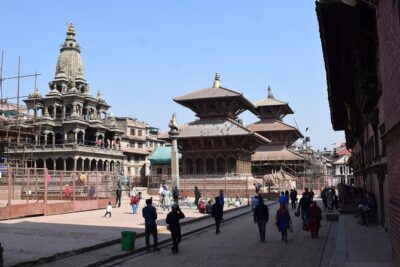
You’ll be picked up privately and transferred to your hotel, then meet your trek leader for a detailed briefing. After that, you can use the time to check gear and sort essentials, or wander Thamel, the zone most trekkers use for supplies.
This is also a good moment for a reality check:
- Are your layers right for cold nights?
- Do you have a plan for water and charging on the trail?
- Do you have the right boots and socks already broken in?
If you enjoy pre-trip momentum, this day gives it to you without rushing.
The Lukla Jump-Off: Flight Stress Meets the Sherpa Valley Start

Day 2 is the point where “travel story” becomes “altitude adventure.” You fly from Kathmandu to Lukla and meet your crew, then start walking from there through Chauri Kharka, along the Dudh Koshi River, to Phakding, a Sherpa village in the valley.
This section is more than an opening walk. It’s your first chance to figure out your rhythm:
- Short, steady uphill steps beat big bursts
- You’ll feel the lungs working even before you’re high-high altitude
You also start noticing the religious landscape that defines the Khumbu. Even in the early miles, there are sacred markers and views that make the trek feel “place-specific,” not just a to-do.
Phakding to Namche Bazaar: Hillary Bridge, Suspension Footsteps, and Your First Big Climb

On Day 3, you cross the Dudh Koshi on suspension bridges, including the famous Hillary Bridge. It’s a memorable walk, and it also teaches you something useful: how your body handles slight unease while walking at altitude.
After lunch around Jorsale in Sagarmatha National Park, you climb steeply toward Namche Bazaar, the Sherpa hub. You’re not going to feel fresh on arrival. That’s normal. The goal is to reach Namche safely, not to win a speed contest.
Namche Acclimatization: Market Energy and a Sunrise View Day

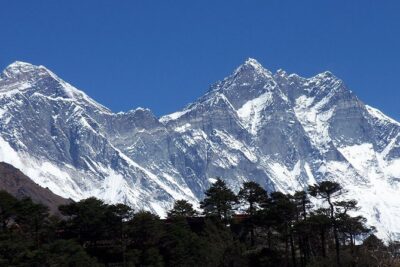
Day 4 is where strong treks separate from rushed ones. You acclimatize in Namche, explore local bakeries and shops, and take time for the Saturday Market if timing matches. Then you do a sunrise hike for views of Everest, Ama Dablam, and Lhotse.
This day matters because it buys you a margin of safety. Namche is where many people start feeling altitude effects, so time on your feet plus time at rest is the balanced formula.
Practical tip: treat this as a “walk and recover” day. Don’t stack extra sightseeing on top of altitude fatigue. You want energy for the next climb.
Tengboche Day: Monastery Visit and the Ama Dablam Angle

On Day 5, you hike through rhododendron and juniper forests with mountain views popping in as the trail rises. You’ll reach Tengboche, home to the region’s largest monastery, and you get a close-up feel for Ama Dablam.
Tengboche is one of those places where the trek becomes more spiritual for many people, not just scenic. If you like seeing how religion and daily life sit side by side in the mountains, plan to slow down for the monastery visit and the views.
The possible drawback: mornings and evenings can still feel chilly, even when the trail is pleasant. Dress like it’s going to get cold, because it usually does.
Pangboche to Dingboche: Higher Permanent Sherpa Life and Glacier Edges

Day 6 crosses the Imja Khola and continues through Pangboche, described as the highest permanent Sherpa settlement. From there, you trek onward to Dingboche, with views that can include Island Peak and Ama Dablam.
This is a quieter, more open-feeling part of the route. You’re higher, the air gets thinner, and the scenery shifts from village density to mountain geometry and ice-borne drama.
Nagarjun Hill from Dingboche: Big Views at 5,100 m

Day 7 includes a hike to Nagarjun Hill (5,100 m), where the panoramas can include Makalu, Lhotse, Ama Dablam, and Island Peak, plus close views of the Imja Glacier. The afternoon is free to rest or explore Dingboche.
This is one of the key acclimatization tools on the route. It’s “up to go up later,” but it’s also a reminder that you cannot ignore altitude just because you’re fit.
If you start feeling off, listen to your body and communicate early. The guide is carrying first-aid supplies and has experience navigating altitude issues, and support is part of what you’re paying for.
Lobuche and Thukla Pass: High Terrain and Memorial Stupas
Day 8 pushes toward Lobuche with a described trek of about 8 km over rugged high altitude terrain. You get sweeping views of Lobuche, Pumori, and Nuptse.
At Thukla Pass, you stop at memorial stupas honoring Everest climbers before continuing toward the Nepal–Tibet border area.
This day can feel emotionally heavy in a good way. It’s a moment to connect the “destination photos” with the real human history of the mountain. Even if you’re not religious, it gives perspective.
Everest Base Camp Day: The Khumbu Glacier Walk to the Main Event
Day 9 is the classic arc: trek from Lobuche to Gorak Shep, then walk alongside the Khumbu Glacier to reach Everest Base Camp. You take in views of the Khumbu Icefall and the peaks around you, then return to Gorak Shep for the night.
Base Camp itself is the headline, but the approach is the magic. The last stretch often feels like a steady squeeze, not a sudden “wow” moment. Then it hits you all at once: you’re there.
One practical consideration: conditions can change quickly, especially near glacier areas. Dress for cold and wind even if the day starts mild.
Kala Patthar at 5,550 m: Sunrise Lighting Up Everest
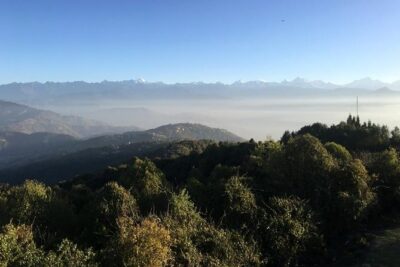
Day 10 is your signature push: after breakfast you hike to Kala Patthar, the highest point on this trek at 5,550 m. You’re aiming for 360-degree views of Everest, Lhotse, Nuptse, and Pumori, plus sunrise lighting up Everest’s peak.
This is the day most people remember for the rest of their lives, and for good reason. It’s tough, it’s cold, and the reward is bigger than a single mountain photo. It’s the way the whole Khumbu region folds into view.
If you do this hike, you’ll want to protect yourself from overexertion. Cold mornings and thin air can trick your pacing. Slow steps win.
Back Down to Namche: Tengboche Revisited and Hillary Bridge Crossings
Day 11 descends from Pheriche through scenic trails and passes Tengboche along the way, then you climb briefly in the afternoon to arrive at Namche Bazaar. The evening is for village atmosphere and rest.
Day 12 continues the descent from Namche through local villages, crossing the Hillary Suspension Bridge again, then reaching Lukla in the afternoon. You celebrate completing the trek and get your final night tied to the Lukla side of the loop.
This is where many people feel a tricky mix:
- Your legs feel better than they did at 5,000-plus meters
- Your energy can still dip because you’re tired and altitude lingers
So keep hydration and snacks steady. Don’t treat the descent as a free-for-all.
Lukla to Kathmandu: Ason Market, Handicrafts, and a Buffer Before Your Flight
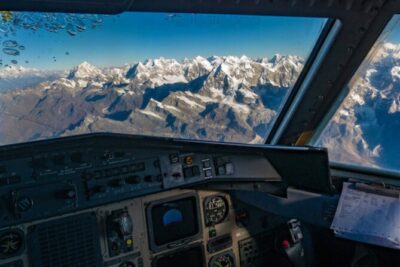
Day 13 brings a scenic flight from Lukla back to Kathmandu and transfers to your hotel. You can rest or explore nearby shops, and you also get time to visit Ason Market for spices, tea, and decorative items. In the evening, there’s a farewell dinner.
Day 14 is your final day: a representative transfers you to the airport about three hours before your scheduled flight.
This timing matters because domestic travel plus international connections can get complicated fast. Having an early airport buffer is one of those small comforts that saves stress.
Altitude, Fitness, and the Diamox-Pulse Oximeter Combo
This trek is graded moderate to difficult, and that grading is honest. You’re doing multiple sustained days at higher elevation, not just a one-time summit push.
You’ll benefit most if you have moderate fitness. But you also need altitude sense:
- Pace slower than you think you should
- Take rest stops seriously, not as optional breaks
- Keep breathing controlled
It helps that the guide is carrying a pulse oximeter and essential medicines, including Paracetamol and Diamox. That’s not a guarantee you will never feel altitude symptoms, but it gives your team tools to act early.
Also, the schedule includes built-in acclimatization points like Namche rest time and a higher hike from Dingboche. That structure is a big part of making the trek achievable rather than just hopeful.
Guides and Porters: Why the Team Makes This Feel Safer
A lot of Everest treks are successful because of route planning, but they feel smooth because of people.
In the reviews, I saw a recurring theme: guides like Gnawang, Deepak, and Dawa are described as supportive, knowledgeable, and attentive to the group. One guide (Dawa) was specifically praised for helping adjust plans when altitude symptoms popped up. Another guide (Deepak) was praised for helping keep things moving when weather prevented leaving Kathmandu on schedule.
Porters like Somdey also get real credit for being helpful and making the day easier through smart, friendly support.
What that means for you: when you’re tired, the “soft skills” show up. The right guide will keep you moving safely, explain what you’re seeing, and help you make decisions if weather or altitude throws curveballs.
What You’ll Need to Budget and Pack
The trek includes trekking comfort items, including a down jacket and a sleeping bag, and those are returned after the trek. That can save money if you would otherwise rent gear at an inflated price once you arrive.
Still, you should plan on personal costs for things like:
- Water (bottled or boiled)
- Hot showers
- Snacks and charging
- Laundry and small incidentals
Personal trekking gear and equipment are listed as a separate $10 line item, so double-check what that covers so you’re not surprised.
For packing, focus on the cold and wind. Layers beat one heavy coat. Good gloves and a hat matter more than you think. If you bring a phone, bring a power plan, because battery life gets eaten up near high altitude.
Who This Trek Fits Best (and Who Might Need a Different Plan)
This is a strong fit if you:
- Want the classic Everest Base Camp experience with a realistic pace
- Prefer tea house comfort with meals handled for you
- Like structure, including scheduled acclimatization and supported logistics
- Are okay with cold mornings and long days
It may feel too demanding if you:
- Want an easy stroll without altitude strain
- Hate unpredictable schedules tied to flight weather
- Are counting on fully private, luxury logistics (since accommodations are standard tea house style during the trek)
Best seasons are spring and autumn, when skies tend to be clearer for mountain views. If you can choose dates, that seasonal timing matters.
Should You Book This 14-Day Everest Base Camp Trek?
If you want Everest Base Camp plus Kala Patthar sunrise, and you don’t want to micromanage flights, park fees, meals, and luggage logistics, I think this tour is worth serious consideration. The included structure, medical readiness (pulse oximeter and medicines), and porter support are exactly what you want when you’re far from help.
Book it if you are honest about the effort. You need moderate fitness, and you need flexibility for weather. If you go in with that mindset, you’ll likely find the trip feels organized, supported, and deeply meaningful.
If you’re looking for a truly relaxed hike, or you’re very sensitive to altitude, you might consider a shorter or gentler acclimatization route instead. But for a classic 14-day Everest circuit, this one has the right mix of logistics, pacing, and mountain payoff.
FAQ
How long is the Everest Base Camp trek?
The trek runs for about 14 days.
What is the price per person?
The price is $1,799.00 per person.
Does the tour include airport pickup and drop-off?
Yes. Airport pick up and drop off are included in a private vehicle.
What accommodations are included during the trek?
Kathmandu includes two nights in 3-star deluxe accommodation with breakfast. During the trek, lodging is in clean and comfortable tea houses.
Are meals included while trekking?
Yes. All meals (breakfast, lunch, dinner) are included during the trek, with a cup of tea or coffee.
Is porter service included?
Yes. Porter service carries your main luggage during the trek, with a 2 trekkers to 1 porter ratio.
Are domestic flights included?
Yes. Domestic flights are included, listed as Ramechhap/Kathmandu to Lukla and return.
What is not included in the price?
Not included are the Nepal visa fee, travel and medical insurance, international flights, tips, personal expenses, and upgrade hotel costs in Kathmandu. Extra baggage and any helicopter sharing upgrade are also not included unless you pay them separately.
More Hiking & Trekking Tours in Kathmandu
More Tour Reviews in Kathmandu
Not for you? Here's more nearby things to do in Kathmandu we have reviewed
Everest Base Camp Treks from Kathmandu, compared.
★ 5.0Everest Base Camp Trek – 14 DaysFrom $1,8001,499 reviews
★ 5.0Everest Base Camp TrekkingFrom $1,350485 reviews
★ 5.0Everest Base Camp Trekking – 13 DayFrom $1,399365 reviews
★ 5.0Everest Base Camp Trek -14 DaysFrom $1,420321 reviews
★ 5.0Everest Base Camp Trekking – 2025/2026From $1,339199 reviews
★ 5.0Everest Base Camp TrekFrom $1,408193 reviews
★ 5.014-Days Private Everest Base Camp TrekFrom $1,600152 reviews
★ 5.0Everest Base Camp TrekkingFrom $1,350146 reviews
Browse the lists this tour appears in