REVIEW · GUIDED
From Kathmandu: 12-Day Everest Base Camp Guided Trekking
Lukla to Everest Base Camp is an altitude test. This 12-day trek is a well-run way to experience the Khumbu region, with English-speaking guides and a small group that keeps the pace thoughtful, not rushed. I like that the route builds in real acclimatization time in Namche Bazar and Dingboche.
The second thing I really like is the human factor, the kind of guidance you feel when the air thins. Feedback highlights guides such as Padam, Nishan, Rohan, and Hari (in a manager support role), with people pointing out how safe and upbeat the trip felt even during hard stretches. The main consideration is simple: tea-house nights can be tough in winter, especially if you trek in December.
Key points before you go

- Small group (max 15) keeps you from feeling like a number on a conveyor belt.
- Acclimatization days in Namche Bazar and Dingboche help your body adjust before higher walking.
- Everest Base Camp via Gorakshep is one of the highest-reward days on this trek.
- Kala Patthar (5,545 m) gives you a classic viewpoint to earn the day’s big views.
- Transportation is handled with the Kathmandu to Lukla flight, and one guest described a professional weather-related switch involving a helicopter.
- Porter is optional, not automatic, so you should plan how you’ll carry your own day-to-day load.
Price and what you actually get for $1,002

At $1,002 per person, this trek can feel like either a deal or a splurge, depending on what you think you’re paying for. In this case, a big chunk of the price covers the parts that are hard to DIY well: the Lukla flight return, lodge stays while trekking, and the paperwork side (including Sagarmatha National Park permits and TIMS card fees). It also includes an experienced guide, with support that covers guide salary, food, and insurance, plus airport pickup and drop-off.
What you still need to budget separately is also clear. Standard meals (breakfast, lunch, dinner) during the trek are not included, and there are no hot showers or internet included. If you want a porter, that’s an add-on. So the best way to judge value is to add those costs in your head, then compare it to what you’d pay for separate guiding, permits, flights, and a reliable plan.
If you like knowing the logistics are buttoned up, this is the kind of trek where you’ll feel that money working for you. You spend your energy on walking, breathing, and taking in the views, not chasing confirmations. If you hate paying for meals on the go, or you want more comfort than tea houses, you may end up spending extra anyway.
You can also read our reviews of more guided tours in Kathmandu
The Kathmandu to Lukla launch: where the trek really begins

Day 1 starts with pickup in Kathmandu, Bhaktapur, or Lalitpur, then transfer to Tribhuvan International Airport for an early flight to Lukla. The timing matters here, because flights in Nepal are weather-sensitive, and you don’t want delays eating your whole day. After landing at Lukla, you get transferred to the trailhead and walk to Phakding for the night.
This first day does two jobs. It gets you out of Kathmandu altitude and into the trekking rhythm, and it also gives you a gentle on-ramp before the steeper climbs later. Phakding is a good place to settle in, and you’ll be living in the tea-house style of the Khumbu for the rest of the trip.
One thing to plan for: luggage rules. You’re not allowed to bring luggage or large bags, so pack light and keep essentials accessible. Also bring your passport, since that’s called out as required.
This is not a day for rushing. You’re still learning how your body handles the thinner air, and the trek’s success depends on that early patience.
Phakding to Namche Bazar: the altitude curve you should respect

Day 2 is your jump to Namche Bazar, at 3,440 meters. The walk from Phakding to Namche is where many people first feel the trek shift from “scenery walk” to “altitude work.” Namche is a major hub in the Khumbu, and you’ll sleep there at altitude.
Day 3 is your acclimatization rest day in Namche Bazar. This is a key part of why guided treks like this work. Rest days are not wasted time at these heights. They help your body adjust so you can handle the next climbs with less drama. You’ll stay a second night in Namche, then continue higher when you’re ready.
A practical way to think about this stretch: the scenery is impressive, but the real prize is letting your body catch up. If you try to “power through” without respecting the rest day, later days up high can feel much harder than they need to.
This trek’s structure is built around that logic, and feedback emphasizes how guides stay attentive to safety and pacing. You’ll feel it most when the trail steepens and the air gets thinner.
Namche to Tyangboche: rhododendron country and big views

On Day 4, you hike from Namche to Tyangboche at 3,867 meters. Tyangboche is often a highlight because it balances walking with the feeling of being in the heart of the mountains. It’s not the highest night yet, but it’s high enough that every climb feels like it has a cost.
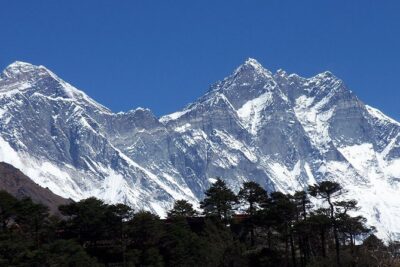
Day 5 continues toward Dingboche and brings in classic Khumbu trail flavors. You walk through a rhododendron forest and cross a suspension bridge over Imja Khola, then head toward Minlinggo. The route also gives you the powerful valley feel under peaks like Ama Dablam, Nuptse, and Lhotse, and you’ll reach Dingboche for the night at 4,260 meters.
If you like trails that feel varied, this is a great day. You get forest walking, a river crossing, and then that high-valley backdrop that makes the whole region feel enormous.
One caution: at these altitudes, even pretty sections can make you tired fast if you start too quickly. Your guide can help you set a pace that lets you keep moving without arriving gasping.
Dingboche to Lobuche: staging for the Everest day

Day 6 is another acclimatization day in Dingboche. You’ll stay in tea-house lodge style again, but the purpose is physiological, not just resting your legs. Dingboche sits higher, so this is where you want to be smart: keep your exertion moderate and save your energy for the days that push higher.
Day 7 hikes toward Lobuche, reaching 4,930 meters. The schedule lists about 5.5 hours of hiking, with lunch in Dugla before arriving in Lobuche. This is a more serious day, because you’re building toward the Everest Base Camp push.
Dugla helps break up the effort, and Lobuche becomes your staging point for the big heights ahead. At this altitude, “staging” is not just a word. You’re setting yourself up for a high, demanding day, and that means protecting your breathing, your warmth, and your sleep.
One detail from winter trekking experience is relevant here. Several people highlight cold nights in December as a real factor. That doesn’t mean the trek isn’t doable, it means you should treat night cold as part of the trek plan, not an unpleasant surprise.
You can also read our reviews of more hiking tours in Kathmandu
Gorakshep to Everest Base Camp: the day many people remember

Day 8 is the headline day. After breakfast in Lobuche, you trek to Everest Base Camp via Gorakshep. This is described as one of the most rewarding sections, and it makes sense. The route climbs rocky paths with sweeping views, including the Khumbu glacier area.
You reach Everest Base Camp at 5,364 meters, then head back to Gorakshep where you’ll stay overnight. So you’re not just getting a quick look. You’re going up, spending time at the goal, and then descending slightly to sleep.
Why this day works as a trek experience is how the terrain and altitude combine. The trail is tough, but the reward is immediate. Even when you’re tired, you can look up and see why the Khumbu is famous. And because you go to Base Camp and then return to Gorakshep, you also get a small reset for the evening.
That said, you’ll likely feel altitude fatigue. Go slow, keep breathing controlled, and focus on steady effort. Your guide’s experience matters most on days like this.
Kala Patthar and the return to Pheriche: earning the view

Day 9 is your big viewpoint push. You hike from Gorakshep to Kala Patthar at 5,545 meters, then continue to Pheriche for the night at 4,243 meters.
Kala Patthar is famous for a reason, but the real value is timing and effort. It’s a steep ask at high altitude, and you’ll earn the reward through discipline. The climb can be physically demanding, but it often feels like the clearest “yes, this was worth it” moment of the whole trek.
After Kala Patthar, you go down to Pheriche. This change is important. Even though you’re still high, that lower altitude helps you reset for the descent days.
If you’ve been feeling the altitude, Day 9 is where you either learn to manage it well or learn it the hard way. The good news is this trek is guided, and the guide’s job includes adjusting pace and staying alert to how you’re doing.
Descending through Tyangboche and Namche, then Lukla again

Day 10 starts your descent. You hike from Pheriche to Tyangboche at 3,867 meters, then continue toward Namche Bazaar, staying overnight near 3,440 meters. This is less about peak performance and more about steady walking and conserving energy.
Day 11 takes you back from Namche Bazaar to Lukla, with a last night at Lukla. This day can feel oddly emotional. You’ve lived at high altitude for over a week, and now the trail trends toward getting your body back to lower elevations.
Day 12 finishes the journey with an early morning flight back to Kathmandu. You’ll be transferred to your hotel by the tour representative.
One useful mental shift here: the end feels easier underfoot, but you still need to treat the trek as a full-body experience. Hydration and warmth matter right through the last walking day, and the last altitude night can still catch people off guard if they get too casual.
Lodges, meals, and daily comfort you should plan for

This is a tea-house lodge trek. That means basic rooms, shared dining spaces, and the kind of comfort that’s functional, not fancy. Accommodations are included during the trek, but you pay for meals separately.
Since hot showers and internet are not included, plan your comfort the smart way:
- Bring layers you can adjust quickly as temperatures swing.
- Expect warmth to matter at night more than you might think.
- Treat meals as both fuel and schedule, not as an included package.
The trip also offers gear support if required or requested: a jacket, sleeping bag, and duffle bag. That can be a big help if you’re arriving in Nepal without proper cold-weather equipment. At the same time, you should still pack carefully, because luggage or large bags are not allowed.
Guides, safety, and how the group stays human
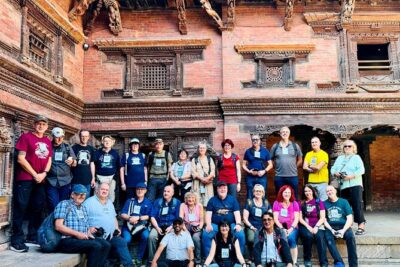
This trek is limited to 15 participants, and that affects everything. Smaller groups mean less waiting at tricky spots and more personal attention on the trail. It also creates a more workable atmosphere when people are tired.
The strongest praise in the feedback centers on guides. Names that came up include Padam, Nishan, and Rohan, with comments stressing safety in a dangerous environment and the way guides share knowledge as you go. A recurring theme is positivity. When the trail gets hard, humor and calm pacing can change the whole feel of the day.
Support doesn’t stop at the guide either. Hari is mentioned as a manager who helped with trip preparation. Porters also get real credit in accounts, including Bahla, described as being reliable and helpful.
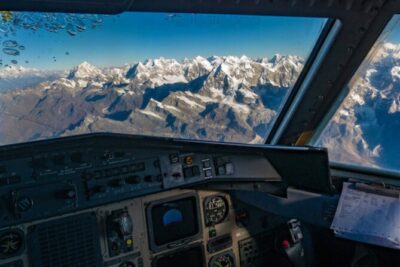
There’s also practical value in how flexible the team can be. One guest described switching from a flight to a helicopter due to weather conditions, and they noted it was handled quickly and professionally. You should still respect weather risk as part of trekking in Nepal, but it’s reassuring when logistics can adapt without turning into chaos.
Who this trek suits best
This is not a casual stroll. It’s a guided Everest Base Camp trekking program that includes acclimatization days, high-altitude walking, and tea-house nights. It’s also not suitable for everyone, including pregnant women, people with heart problems, and wheelchair users.
Where it fits best:
- You want a guided trek with clear logistics and a small group.
- You’re okay with basic accommodations and paying for meals on the trail.
- You’re willing to plan for cold nights, especially if you travel in December.
- You want experienced support when altitude fatigue sets in.
If you’re the kind of traveler who values safety, pacing, and learning along the way, this trek is likely to feel satisfying rather than merely “bucket list.” And if you’d rather not manage permits, flights, and daily coordination yourself, the included package makes that easier.
Should you book this Everest Base Camp guided trek?
Book it if you want a guided route that takes acclimatization seriously, keeps the group small, and includes the big logistics like Lukla flights, national park permits, and tea-house stays. The guide support is repeatedly highlighted, including how people felt safe and cared for on tougher days.
Consider skipping or adjusting plans if you know cold nights or basic lodging will be a deal-breaker for you, or if you prefer meals and showers to be included. Also consider porter options if you want to reduce your carry, since carrying your own bag is part of the experience unless you add that support.
If your goal is to reach Everest Base Camp and also earn the classic Kala Patthar viewpoint, in a structured 12-day plan, this is a solid option worth serious consideration.
FAQ
How long is the Everest Base Camp guided trek?
The trek lasts 12 days.
Where does the trek start and how do you get there from Kathmandu?
You are picked up in Kathmandu (and nearby cities are included), then take an early flight from Kathmandu to Lukla. After arriving in Lukla, you transfer to the starting point for the trek.
Is Everest Base Camp included in the itinerary?
Yes. You trek to Everest Base Camp at an altitude of 5,364 meters.
What permits are included?
The package includes the Sagarmatha National Park entrance permit and fees, plus the TIMS card fees.
Are meals included during the trek?
No. Standard meals (breakfast, lunch, and dinner) during the trek are not included.
Is a porter included?
Porter service is not included in the standard package. A porter can be added at extra cost, with 1 porter assisting up to 25 kg for 2 guests.
What about hot showers and internet?
Hot showers and internet are not included during the trek.
Who is this trek not suitable for?
It is not suitable for pregnant women, people with heart problems, or wheelchair users.
More Hiking & Trekking Tours in Kathmandu
More Guided Tours in Kathmandu
More Tour Reviews in Kathmandu
Not for you? Here's more nearby things to do in Kathmandu we have reviewed
Guided, compared.
★ 4.9Private City Guided TourFrom $40174 reviews
★ 5.0Full Day Guided Tour in KathmanduFrom $561 reviews
★ 5.0Kathmandu and Bhaktapur Cities Guided TourFrom $7034 reviews
★ 5.0Kathmandu Heritage Day Tour with Guide.From $7030 reviews
★ 5.0Everest Base Camp Trek 15 days | Local Guide | Flexible ItineraryFrom $1,89027 reviews
★ 5.05 Day Private Guided Trekking in Annapurna Base CampFrom $22525 reviews
★ 5.0Kathmandu Guided Day Tour: Explore Top 4 UNESCO Heritage SitesFrom $5519 reviews
★ 5.0Explore Kathmandu with Local GuideFrom $7518 reviews
Browse the lists this tour appears in