REVIEW · BHAKTAPUR DAY TOURS FROM KATHMANDU

Bhaktapur & Patan Durbar Square Day Tours

5.0 · 122 reviews From $50 Operated by Himalayan Travel Consultant · Bookable on Viator
Book on Viator →

Royal squares can feel like open-air museums.

This day tour connects you to how kings lived, while also showing the everyday rhythm of Bhaktapur’s local life. I especially like the structure of visiting three major squares in one morning-to-afternoon block, because you see the city’s historic mindset from several angles, not just one highlight stop. Then you shift into Patan Durbar Square, where the wood carving and old courtyards give you that slow, close-up feeling that makes Nepal architecture click.

One thing to plan for: monument entrance tickets, tips, and food and drinks are not included. So if you want a smooth day, you’ll need to budget a bit extra on top of the tour price, and you may want to eat before or plan for your own meal stops.

Key things I’d circle in the brochure

Bhaktapur & Patan Durbar Square Day Tours - Key things I’d circle in the brochure

  • Three Bhaktapur squares in one run: Dattatraya Square, Taumadhi Square, and Durbar Square
  • Patan’s wood carving focus at Durbar Square, plus old courtyards to wander slowly
  • A 12th-century Golden Temple finish, a strong ending point after the squares
  • Private group experience with only your group joining, so the pace stays comfortable
  • A/C vehicle plus local English guide, which matters a lot on a full 6 to 8 hour day

A well-paced day across two classic Newar cities

Bhaktapur & Patan Durbar Square Day Tours - A well-paced day across two classic Newar cities
If you like history, but you also like being practical, this format works. The tour starts at 9:15 am and runs about 6 to 8 hours, which is long enough to see real texture in both cities, not just a quick walk-by. You’re in a private, air conditioned vehicle for transport between stops, so the day doesn’t feel like one long sprint.

You also avoid the big headache of piecing together separate visits. One day, you’re in Bhaktapur for multiple squares that frame how power and daily life overlapped in earlier centuries. Then you move to Patan to focus on carved details and courtyards. The “square to square” rhythm is the glue of the tour. It keeps your eyes busy and your mind engaged, even when you feel like you’ve already seen a lot of temples and stone.

There’s also a real value in having a guide who can translate what you’re looking at, because Newar cities reward attention to small cues. A few extra minutes of explanation can turn a pretty facade into something you actually understand.

You can also read our reviews of more tours and experiences in Kathmandu.

Getting picked up, traveling in A/C, and a guide who handles questions

Bhaktapur & Patan Durbar Square Day Tours - Getting picked up, traveling in A/C, and a guide who handles questions
This is set up as a private tour, meaning only your group participates. That matters more than you might think. In a smaller group, you’re less likely to get left behind when you slow down to take photos, or when someone in your group asks one of those random questions that suddenly feels important.

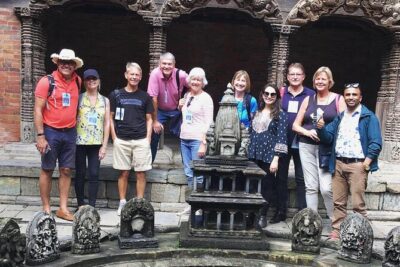
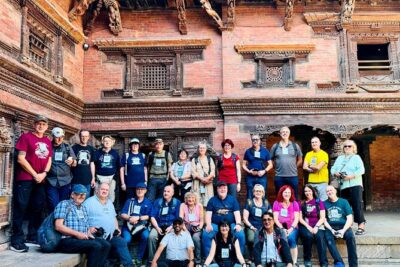
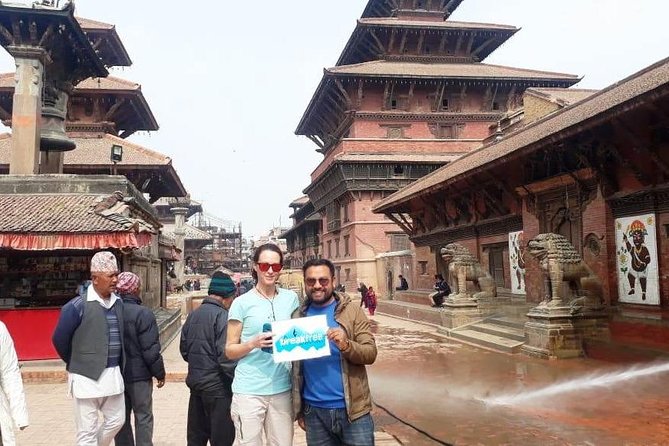
The tour includes a private air conditioned vehicle and a local English speaking guide. In the feedback I’ve seen, the guide Rajendra Manandhar comes up as kind and patient, with deep knowledge and the ability to answer all sorts of questions. He’s also noted for taking pictures of the group, which is a small detail that can save you from playing photographer all day.

Also, this tour uses a mobile ticket and includes group discounts. The mobile ticket part is nice because you avoid scrambling for paper confirmations right before you meet up.

Bhaktapur’s three Durbar squares: Dattatraya, Taumadhi, and Durbar

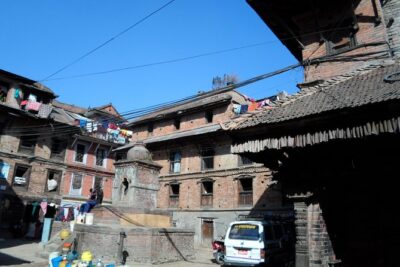
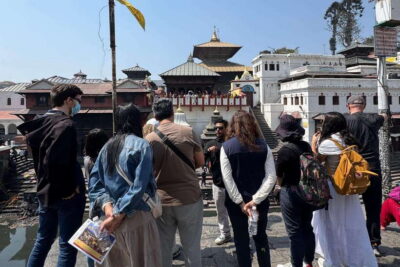
Bhaktapur is the place where you can feel the past working alongside daily life. This tour’s Bhaktapur portion is built around three main squares: Dattatraya Square, Taumadhi Square, and Durbar Square. That sequence is smart because each stop gives a different “layer” of the city’s character.

You’re not just walking past monuments. You’re getting the idea of how kings were lived alongside the culture that grew around them. That theme is the reason the squares visit works better than a checklist. Squares in Bhaktapur function like stages. People move through them, life happens around them, and historic architecture frames what used to be power and what still is community.

Here’s what to expect from each stop, in practical terms:

Dattatraya Square: the warm-up

Dattatraya Square is your entry point. Think of it as the place where you get your bearings fast. By the time you reach the more famous royal-style areas later, your eye already knows what to look for, like carved details, temple lines, and the way the space flows for people moving through.

If you like photo stops, this is a good moment to start taking pictures early in the day, while you still feel fresh.

Taumadhi Square: where the city rhythm shows

Taumadhi Square helps you shift from “wow, buildings” into “how do people actually use space here?” You’ll be looking at architecture, but you’ll also be noticing street life around the square. The effect is that Bhaktapur stops feeling like a set and starts feeling like a living place.

This is a good stop for patience. Slow down here and you’ll get more from the city.

Here's some more things to do in Kathmandu

Durbar Square: the royal focus

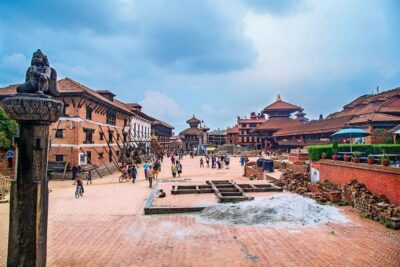
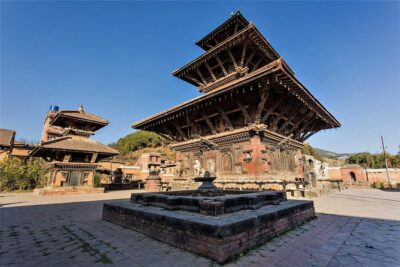
Then you reach Durbar Square, the big name that ties the theme together. This is where the idea of how rulers once lived becomes clearer, because the space is meant to project authority and tradition. Even if you do not memorize every fact, you’ll come away with a stronger sense of why the squares matter.

One consideration: Durbar Square areas can feel busy in a visual way, with many details in a compact space. Give yourself permission to pause and absorb, rather than trying to capture everything at once.

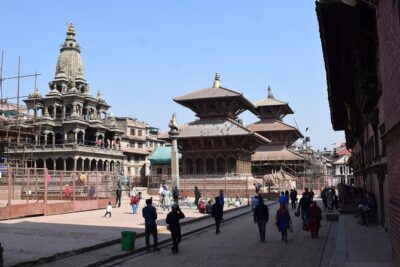
Patan Durbar Square: wood carving and old courtyards

After Bhaktapur, the day heads to Patan Durbar Square, a famous area for wood carving and old courtyards. If you love close-up craftsmanship, this is where the tour rewards you. Wood carving can look impressive from far away, but the real payoff comes when you slow down and notice the repetitive patterns, the fine lines, and the way designs wrap around structural elements.

Patan also brings a different mood than Bhaktapur. It can feel more detail-forward, like the city is daring you to look harder. The “old courtyards” part matters because courtyards change how you experience buildings. Instead of viewing from a single angle, you get multiple perspectives as you move in and out of light and shadow.

There’s also mention of seeing the richest monastery in Patan. Even without turning it into a trivia contest, that idea helps you focus. You’re not just sightseeing. You’re aiming your attention at the religious and cultural core that gives Patan its reputation.

Practical tip from how this kind of tour plays: if you want great photos, linger. Courtyard scenes improve when you let people clear out of your frame and when you angle your camera for how the space breathes.

Golden Temple from the 12th century: a strong finish

The final stop is the Golden temple from the 12th century. Ending with this kind of historic religious site is a smart move because it gives your day a feeling of closure. After squares in two cities, you’re ready for a moment that feels more anchored and spiritual.

Even if you’re not a “temple expert,” you’ll appreciate the context. A 12th-century label is not just a date, it’s a signal that you’re looking at layers of meaning shaped over a long time.

By this point in the day, you may feel a bit of visual fatigue. That’s normal on a 6 to 8 hour route. Use the Golden Temple stop to reset your attention. Step back, then step in, and let your eyes adjust.

Also, because food and drinks are not included, this is a good moment to consider whether you need an energy boost before you arrive. You don’t want your last stop to be the one where you rush.

Price and value: what $50 per person really buys

Bhaktapur & Patan Durbar Square Day Tours - Price and value: what $50 per person really buys
The tour price is $50.00 per person, and it’s often booked around 75 days in advance. That advance booking pattern matters because it usually signals steady demand, especially for guide-led city square tours.

What you get for the price is practical:

  • A private air conditioned vehicle
  • A local English speaking guide

That’s a big chunk of what usually adds up in Nepal city tours, especially when you’re covering more than one area in the same day. And because it’s private, the time doesn’t feel wasted on group juggling.

What you should budget separately:

  • Monument entrance tickets
  • Tips
  • Food and drinks

Since those items are not included, your true “day cost” depends on what entrances you choose and how you handle meals. I recommend treating the $50 as the core tour fee, then adding a cushion for entrances and your own lunch or snacks. If you want a smoother day, eat earlier or bring a simple plan so you can keep moving without getting stuck deciding where to eat mid-route.

Who this tour fits best (and who may want something else)

This works well for a few types of travelers:

  • You want a structured day, not an aimless wandering marathon
  • You prefer a guide who can answer questions in English and keep the pacing sane
  • You care about cultural context, not just photos

It’s also a good pick if you’ve done Kathmandu basics already and you want the next layer: Bhaktapur and Patan, but connected by an explanation-focused route.

If you are the type who hates walking between stops or you want a fully self-paced day with zero guidance, you might find the square circuit a bit rigid. The good news is that this is a private tour, so you can typically slow down within reason and ask for clarification.

Photo breaks and questions: how to get the most from your guide

This tour is especially good when you lean into it. The guide is described as patient and knowledgeable, and he also takes pictures of the group. That means you can ask for a photo and then focus your eyes back on the carvings and courtyards.

Bring a few curiosity questions in your pocket. For example:

  • What am I seeing that makes this square important?
  • What details in the wood carving should I notice first?
  • How do the courtyards change the feel of the space?

When you ask, you tend to remember more. And in a place like Patan and Bhaktapur, that can turn a good day into a memorable one.

Also keep in mind the day runs 6 to 8 hours. Plan your energy. If you need caffeine or a snack, you’ll need to handle it on your own since food and drinks are not included.

Quick practical checklist before you go

This is a city-day tour, so your comfort matters more than packing tricks.

  • Plan for monument entrance tickets you’ll pay separately
  • Budget for tips and your own food and drinks
  • Wear shoes that handle uneven stone and lots of turning corners
  • Bring your phone or camera, because the guide is available to help with group photos

And because pickup is offered and the meeting point is near public transportation, you should be ready to meet at the designated start location around 9:15 am. If you’re arriving from elsewhere in Kathmandu, give yourself extra time so you do not feel rushed before the tour starts.

Should you book Bhaktapur and Patan Durbar Square Day Tours?

If your goal is to see Bhaktapur’s three main squares and then shift into Patan’s wood carving and old courtyards with a guide who can explain what you’re seeing, I think this is a strong booking. The combination of a private A/C vehicle, a local English speaking guide, and a full 6 to 8 hour route makes it good value, especially once you factor in time saved and the way you’ll understand more than you would on your own.

Book it if you want history with a practical day plan, and you like the idea of finishing at a 12th-century Golden temple after you’ve already collected the main “square” impressions.

Skip it only if you want a totally self-paced day with no structure, or if you really do not want to pay extra for entrances and meals. With those costs in mind, this tour is an efficient way to experience two of Nepal’s most rewarding cities in one go.

FAQ

What city is this tour based in?

The tour runs in Kathmandu, Nepal, visiting Bhaktapur and Patan Durbar Square areas.

How long is the tour?

The tour lasts about 6 to 8 hours.

What is the start time?

The start time is 9:15 am.

Is pickup offered?

Yes, pickup is offered.

Is this a private tour?

Yes. It is a private tour/activity, and only your group participates.

What’s included in the price?

A private air conditioned vehicle and a local English speaking tour guide are included.

What’s not included?

Monument entrance tickets, tips, and food and drinks are not included.

Is there free cancellation?

Yes. You can cancel up to 24 hours in advance for a full refund.