Annapurna Circuit Trek

REVIEW · ANNAPURNA TREKS FROM KATHMANDU

Annapurna Circuit Trek

5.0 · 34 reviews From $975 Operated by Nepal High Trek & Expedition Pvt. Ltd · Bookable on Viator
Book on Viator →

Your legs earn the views.

This Annapurna Circuit plan is interesting because it compresses the classic route into a faster 10-day trekking itinerary while still building in acclimatization to reduce altitude-stress. You’ll also get a clear cut between driving days and walking days, with a big highlight at the Thorang La Pass area and a downhill finish toward Muktinath.

I like that it’s practical end to end: airport pick up and drop off, hotel nights in Kathmandu and Pokhara with breakfast, and all the road transport arranged. I also appreciate the “you show up, we handle the basics” approach to planning and supplies, including a licensed guide from Kathmandu, tea house stays (twin sharing), and trekking essentials like a sleeping bag, down jacket, and duffle bag.

One consideration: this is still a mountain trek with long walking days and real altitude risk. Even the plan’s own guidance is firm that it is not appropriate to use a jeep beyond Chame, because rushing the altitude can be rough.

Key things to know before you go

Annapurna Circuit Trek - Key things to know before you go

  • A shorter Circuit built for calmer altitude pacing, not just a speedrun.
  • Thick logistics support, from Kathmandu hotel night one through Pokhara and back.
  • Tea house comfort with included meals and hot drinks, not constant hotel hunting.
  • Trekking gear is included, including a down jacket and sleeping bag.
  • Guides matter here, with names like Shanta and Buddhi Tamang showing up in praised experiences.
  • Expect long travel days, including a long drive from Kathmandu toward Besisahar and onward.

A Shorter Annapurna Circuit That Still Hits the Big Moments

Annapurna Circuit Trek - A Shorter Annapurna Circuit That Still Hits the Big Moments
The Annapurna Circuit is famous for a reason. It moves you through changing elevations, villages, and mountain scenery in a way that’s hard to replicate in one place. This version keeps the soul of the Circuit but trims the time, so you get the core experience without the longer slog.

The trip is about 12 days total. That includes the Kathmandu arrival and briefing day, big overland drives to set you up, and then a return loop through Pokhara back to Kathmandu. The walking segment is designed as a 10-day itinerary, which matters because it shapes your daily pace and what you can reasonably recover from.

A key point you should like, if you’re time-bound: the plan is built around road access, with the route shaped by a hilly road from Besisahar toward Manang. That makes the start and finish days easier than older versions that were more “all walking, all the time.” Just don’t interpret that as an excuse to skip the hard parts, because the altitude crossing still happens on foot.

You can also read our reviews of more hiking tours in Kathmandu

Day 1 in Kathmandu: Arrival, Hotel Night, and a Real Briefing

Your first day is simple: you land at Tribhuvan International Airport, then you get transferred to your Kathmandu hotel. You’ll also join a group briefing after check-in, focused on practical trek information and how the days are supposed to work.

This is a smart setup if you’ve never done a trek in Nepal. You get your bearings fast, you can ask questions while you’re still at lower elevation, and you can make sure your packing is sane before you’re wearing boots for 10 hours a day.

Even better, the tour is set up as a private experience, meaning it’s your group only. That usually makes it easier to coordinate questions and keep your schedule tight.

Drive Days to Besisahar and Chame: Let the Scenery Load Up Your Motivation

Annapurna Circuit Trek - Drive Days to Besisahar and Chame: Let the Scenery Load Up Your Motivation
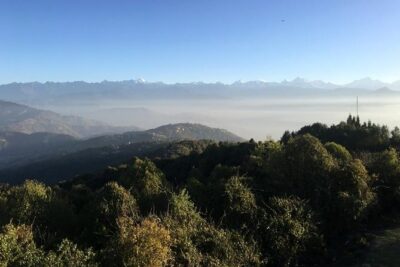
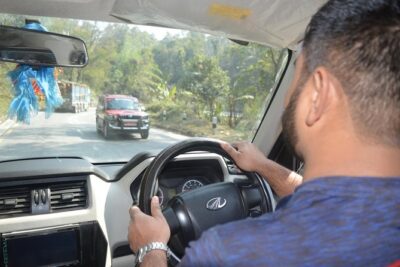
On day two, you travel out from Kathmandu toward Besisahar in the Lamjung area. The drive pushes you past the Kathmandu Valley into warmer lower regions, with views of snowcapped mountains when the weather cooperates. You’ll be on the road for much of the day, so treat it as a repositioning day, not a sightseeing day.

Day three continues by road to Chame, the Manang district headquarters. The description calls out that the road is unpaved, and that’s exactly what you should expect in mountain Nepal: slower travel, lots of curves, and a steady stream of villages and pine-covered areas sliding past.

This is also where the plan draws its boundary clearly. You do not continue by jeep beyond Chame if your goal is to protect yourself from altitude problems. The reason is straightforward: altitude isn’t only about where you sleep, it’s about how fast your body has to adapt.

Manang and the River Walk: Acclimatization Starts Before the Big Push

Annapurna Circuit Trek - Manang and the River Walk: Acclimatization Starts Before the Big Push
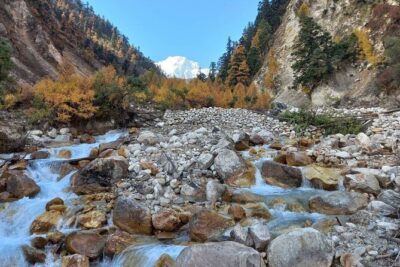
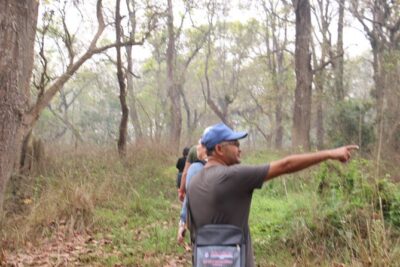
Once you hit the Manang side, the walking gets closer to the mountains. Day four is described as moving through alpine forest while following the Marsyangdi River upstream, toward a village stop and then into pine areas that feed into your Manang base.

The big value of sleeping in the Manang area for a couple nights is that it gives you time to adjust while your body is still in familiar ranges compared to the pass zone. This is the style of itinerary that works if you want a shorter trek but still respect the fact that altitude doesn’t care about your calendar.

Day five continues in the Manang rhythm. You’ll walk in the direction of Pisang village within the Manang Valley, with altitude gains described as slow from there onward. The walking day is also about views and steady effort, with mentioned sights like Annapurna II and III and Gangapurna appearing as you move.

Day six is a rest day for acclimatization, and it’s one of the smartest parts of the whole plan. Instead of forcing another big climb, you get the option to hike toward Gangapurna Lake, described as extremely beautiful. If you’re the type who needs to feel “I did something” on rest day, this gives you a controlled way to get movement without skipping the recovery the itinerary is built around.

Yak Kharka and the Road Toward Thorang La: Long Days, Controlled Gains

Annapurna Circuit Trek - Yak Kharka and the Road Toward Thorang La: Long Days, Controlled Gains
Day seven takes you from the Manang area toward Yak Kharka. This is described as a high-altitude walk with mountain views, plus crossings of small streams on the way to the settlement. The point of this day is to keep your climb gradual but forward-moving, so the next day’s final approach to the pass doesn’t feel like a jump.

Day eight brings you closer to Thorang La. The route is described as crossing a bridge, then climbing along the Jarjung River, then arriving at Thorung Phedi for rest, followed by a last push on the final hour. Practically, what you should expect is that this is a day where you’ll feel fatigue stacking up, but the route is laid out so you’re not scrambling without a plan.

This is also the day to check your gear and mindset. You’re in the zone where a tiny packing mistake becomes a bigger problem. Luckily, this tour includes core gear like a sleeping bag and down jacket, so you’re not arriving with nothing but good intentions.

Here's some more things to do in Kathmandu

Thorang La and Muktinath: The Highest Point, Then the Downshift

Annapurna Circuit Trek - Thorang La and Muktinath: The Highest Point, Then the Downshift
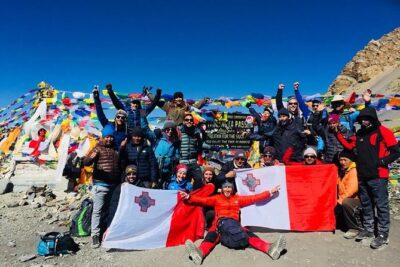
Day nine is a big one. You start early to reach the highest point at 5,416 m at Thorang La. The description mentions prayer flags marking the pass, plus superb vista landscapes from the top.

After that, day nine finishes at Muktinath Temple. You’ll feel the classic post-pass moment, that weird mix of relief and battery still running. The “walk high, then change gears” feeling is one of the reasons the Circuit remains so iconic.

If you have any doubt about pace, this is the day to listen to your guide. The whole plan is designed around a safer rhythm for altitude. You still have to act like altitude matters, even if your legs feel okay.

Pokhara and Kathmandu: Turning the Trek into a Real Trip

Annapurna Circuit Trek - Pokhara and Kathmandu: Turning the Trek into a Real Trip
Day ten transitions from Muktinath to Pokhara by drive. It’s described as a challenging drive but also scenic, with time to explore once you’re there. This is the day you’ll feel your body finally notice the difference between walking and sitting.

Day eleven is another overland move back to Kathmandu, with en route observation of farm villages and towns. It’s a long ride, but it’s a good kind of tired: you’re done with the hard elevation work, so the trip feels more like travel and less like survival math.

Day twelve is departure based on your international flight time. The plan includes an airport transfer, so you aren’t forced into last-minute logistics.

Price and Inclusions That Actually Matter at $975

Annapurna Circuit Trek - Price and Inclusions That Actually Matter at $975
At $975 per person, this trek is priced like a real packaged mountain service, not just a “guide and good luck” model. What makes the value stand out is that multiple cost categories are handled inside the price.

Here’s what you get included, based on the tour details:

  • All ground transportation, including airport pick up and drop off, plus bus and jeep drives.
  • Two nights in Kathmandu with breakfast, and one night in Pokhara with breakfast.
  • Three meals per trek day (break, lunch, dinner) using tea house lodging.
  • Three cups tea per day during the trek.
  • Seasonal fruits during the trek.
  • Annapurna Conservation Area Conservation Permit.
  • A government license holder guide from Kathmandu.
  • Trekking gear: sleeping bag, down jacket, and duffle bag.

And then there are the things you should budget for because they are not included: travel insurance, mineral water, beer, Coke, laundry, dessert, and tips for trekking crews.

My practical take: the included gear can be a big deal if you’re arriving with limited luggage. Likewise, getting permits and the tea house base covered means you can focus on walking and rest rather than bargaining over small logistics in remote areas.

Guides Like Shanta and Buddhi Tamang: What Quality Looks Like on Trek Days

The most consistently praised aspect across the experiences shared is the guide experience. Names that come up include Shanta, Buddhi Tamang, Anjan, Pawan, Indaco, Veer, and Anos Tamang. What links these stories isn’t just friendliness. It’s organization, follow-through, and the way your days run with less chaos.

A good guide matters most on two fronts:

  1. Daily pacing, especially around acclimatization and the approach to Thorang La.
  2. Practical decision making, like how to manage when weather doesn’t play nice or when the group needs to adjust.

You’ll also notice a pattern: multiple experiences mention feeling safe and well looked after from arrival onward. That’s exactly what you want in a trek where you’re far from easy options.

If you’re a solo traveler, this kind of guided structure also helps you meet people without turning the trek into a social chore. And if you’re doing this as a group of friends, organization keeps everyone from quietly resenting each other around hour six.

Who Should Book This Trek, and Who Should Reconsider

This trek is aimed at people with moderate physical fitness and who want a classic experience without the longest possible Circuit commitment. The itinerary is described as a fit for travelers with reduced risk of altitude sickness and fewer hours of walking than the longer versions.

That’s encouraging. Still, don’t confuse shorter trekking days with easy days. Several days are described as long hiking days, around 13 to 14 hours for key legs, especially as you get closer to the pass.

You should strongly consider this plan if you:

  • Want the Thorang La highlight but need a time-efficient version.
  • Like the idea of sleeping in tea houses with a steady rhythm of meals and hot drinks.
  • Appreciate that acclimatization is built in with a rest day in Manang.

You should reconsider if you know you cannot handle long hike days or you are very sensitive to altitude, because even with pacing, the route goes to 5,416 m.

Should You Book This Annapurna Circuit Plan?

Yes, if you want the Annapurna Circuit in a tightly managed, guide-led format where gear, permits, and core logistics are handled for you. The $975 price makes sense when you factor in transport, hotel nights, tea house meals, and that the itinerary is designed around acclimatization rather than pure speed.

Book it especially if you’re traveling with limited time and you don’t want to waste days figuring out how to move from Kathmandu to the walking start. The mix of driving days plus a structured walking schedule can save your energy for the moments that count.

If you hate long travel days, or you know you struggle with altitude, you might prefer a different route or a longer itinerary with more gradual elevation. But if you’re ready for the pass day and you want a well-run plan, this one is built for the job.

FAQ

How long is the trek, including travel days?

The full experience is about 12 days. The trekking portion is planned as a shorter 10-day Annapurna Circuit itinerary, with travel days in Kathmandu and Pokhara included.

Do you get airport pickup and drop-off?

Yes. Airport pick up and drop off are included, along with other ground transportation and transport during the trek.

What is included for meals during the trek?

During the trek, meals are provided three times a day (break, lunch, dinner). You also get three cups of tea per day during the trek, plus seasonal fruits.

What trekking gear is provided?

The included trekking gear is a sleeping bag, a down jacket, and a duffle bag.

Are permits included?

Yes. The Annapurna Conservation Area Conservation Permit is included.

Can I take a jeep all the way to Manang to reduce trekking?

The plan says it is not appropriate to take a jeep beyond Chame. It notes that reaching Manang by jeep may be possible with a four-wheel jeep, but it also warns that the risk of altitude sickness is very high if you take a jeep ride to Manang.

What fitness level do I need?

The tour is designed for travelers with moderate physical fitness.

What if the weather is bad or I need to cancel?

The experience requires good weather. If it’s canceled due to poor weather, you’ll be offered a different date or a full refund. There is free cancellation up to 24 hours in advance for a full refund.

More Hiking & Trekking Tours in Kathmandu