REVIEW · ANNAPURNA TREKS FROM KATHMANDU
Annapurna Circuit Trek with Tilicho Lake
One pass, two lakes, and a lot of fresh air. This Annapurna Circuit trek with a Tilicho Lake detour gives you variety, from forest trails to high-pass mornings, with a guide handling the hard parts. Tilicho Lake and the Thorong La pass are the big-ticket moments, and they are built into a clear, day-by-day route.
I like that the trip is set up for safety and sanity. You get a guide for navigation and logistics, plus tea house style lodging with meals included, so you can focus on the climb and the views. The main consideration is simple: this is a challenging mountain trek with early starts, steep sections, and altitude. If you do not bounce back quickly after big days, you will feel it.
Key takeaways before you commit
- Tilicho Lake is not a side quest. It is a dedicated high-altitude push, with an early start recommended to avoid afternoon wind.
- You are not doing it alone. A government-licensed trek leader plus porters handle logistics and carry your gear load.
- Permits are handled for you. ACAP and TIMS fees are included in the package.
- The route is built for contrast. Forest, valleys, high passes, rural villages, and Tatopani hot springs all show up.
- Group size stays small. Maximum group size is 15, which usually means less crowding on the trail.
Why this Annapurna Circuit plan feels complete with Tilicho Lake

The Annapurna Circuit is already a long, evolving trek, but adding Tilicho Lake changes the tone. Instead of just following the big circuit arc, you earn an extra high-altitude detour that pushes you toward colder, drier air and bigger-than-usual “wow” moments.
You also get a classic mix that I think many people want on this region: deep gorges and river valleys earlier on, then high-pass terrain as you get farther into the route. The itinerary explicitly includes viewpoints like Annapurna 2 and Pisang Peak, plus a route choice that offers north-face views including Annapurna II, III, IV, Gangapurna, Tilicho, and Pisang Peak. That means you are not only “moving forward,” you are also stopping to see.
The other big reason this plan works is the pacing. A day is included for acclimatization around the Manang area, including a hike to Gangapurna Lake and base camp, which helps your body adjust before the highest points.
You can also read our reviews of more hiking tours in Kathmandu
Kathmandu to Besishar, then Sandup Choeding Gompa

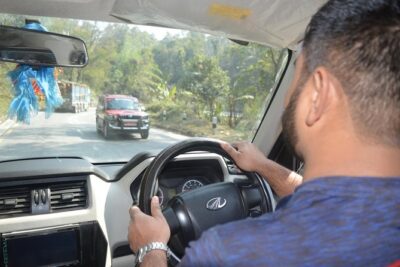
Most trekking problems start before you even start. Here, you begin with a long drive from Kathmandu, around 6 to 7 hours, covering roughly 190 km to the Besishar area. That is a lot of road time, but it is also the part you do not have to plan yourself if you want a guided package.
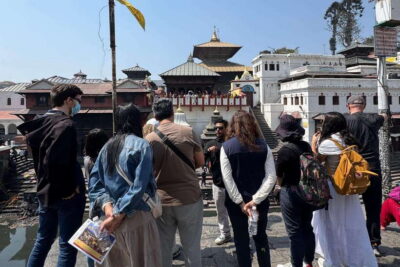
The first stop is Sandup Choeding Gompa. Even if you are not a monastery person, gompas are a practical early anchor. They give you a clear “place” to orient yourself, and they fit Nepal’s trekking rhythm: small cultural sites between big movement days.
If you tend to get travel-stiff fast, plan on hydrating and taking it easy after arrival. This trek asks for steady effort from day one, so setting a calm tone early helps.
Manang-region trekking days: Chame forests, Paungda Danda, and village waterfalls

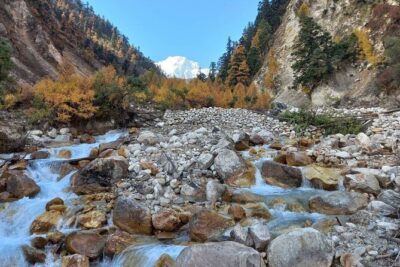
After the initial transfer, the trek begins to build the Annapurna Circuit feel right away. One day includes a suspension bridge crossing and then a steep climb into the Manang region near a village named Tal. The route description mentions waterfalls feeding a river by sandy beaches, which hints at how varied this part can be, even before you get truly high.
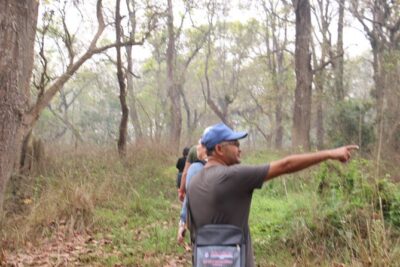
Then you move toward Chame, with a trail through forest cover such as pine, fir, oak, and maple by a river. Chame is described as the district headquarter of Manang, and it often functions like a pacing checkpoint. In practical terms, it helps you mentally switch from “getting there” to “this is the trek.”
Another day focuses on a dramatic viewpoint area: a steep and narrow valley that brings your first view of Paungda Danda, a curved rock face rising about 1,500 m from the river. From there, you can see Annapurna 2 to the south and Pisang Peak to the northeast. This is exactly the kind of moment that makes you realize the trek is doing more than checking boxes.
Acclimatization in Manang: Gangapurna Lake and the cold-air adjustment day
This package includes an acclimatization day in Manang, which matters because your highest points are not just “a long hike.” You are crossing Thorong La and spending time around high elevations.
The itinerary includes an early hike to Gangapurna Lake and base camp, plus time admiring Annapurna 3, Tilicho, Pisang, and Chulu peaks. You also spend time in Manang village and monasteries. That mix is useful: you get altitude exposure, you get wide views, and you get a bit of cultural rhythm so the day does not feel like pure endurance training.
From the route notes, you will likely notice a temperature shift as you ascend, with air turning colder, drier, and harsher. That is not a surprise, but it is good that the plan builds an adjustment day before the biggest altitude challenges.
Tilicho base camp and the Great Ice Lake climb
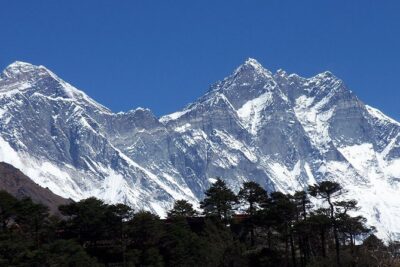
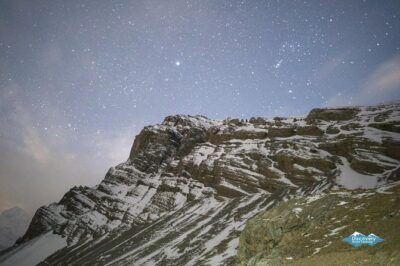
Tilicho is the reason many people book this trek in the first place, and the itinerary treats it with respect. One day routes you through a landslides area, then up toward Tilicho base camp. The description calls out impressive rock formations and views of Tilicho Peak and other snow-covered mountains. That is often a sign you are leaving the “green middle” of the trek and moving into harsher terrain.
Then comes the dedicated day for Tilicho Lake, starting early to avoid afternoon wind. The climb is described as a steep, consistent effort of about 2 to 3 hours to reach the lake. The itinerary also notes that it is considered the highest lake in the world and is referred to as the Great Ice Lake by the leader of a French expedition team.
Practical note: this is the type of day where being mentally ready matters as much as your legs. Early starts are not just a schedule thing, they can change trail comfort and how quickly you feel cold. If you enjoy big-picture achievement, this is one of the days that delivers.
Thorong La approach: Thorong Phedi, Tare Gumba, and river valleys
After Tilicho, the route starts channeling you toward Thorong La. You descend to the uninhabited Khangsar village, pass Tare gumba, described as a thousand-year-old monastery, and then follow a rock wall out of Khangsar to descend toward the Thorong Khola valley. You cross a bridge, hike up to a plateau, and the day ends at the next trekking base area.
This section is where a lot of trekking energy gets spent. You are moving through valleys and crossing points that can feel exposed, then climbing again. The good news is that the itinerary clearly signals a mix of downhill recovery and “build up again” effort, which helps you anticipate the rhythm.
The next day gets you to Thorong Phedi, described as a small busy settlement with amazing mountain views. The notes mention specific peaks you might see, including Mt. Gundang, Mt. Syagang, Thorung Peak, and Mt. Khatungkan. Those named viewpoints are not just trivia, they help you track what your body is working toward.
Crossing Thorong La, then Muktinath and Tatopani hot springs
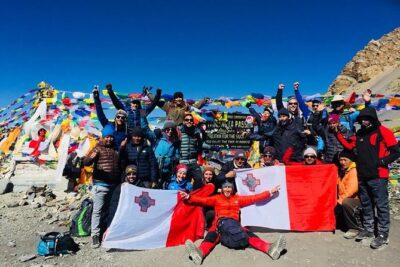
Thorong La is scheduled for an early wake-up, with the itinerary stating you need to start around 3:00 am to complete the crossing. That is a real consideration, not an abstract one. If you hate early mornings, you can still do this trek, but you need to mentally commit to the idea that your sleep will not be your main priority that day.
After the pass challenge, the route continues to Muktinath Temple. The itinerary explicitly says you visit the temple before continuing on by car ride to Tatopani. Tatopani is famous in this trek for natural hot springs, and the itinerary notes you can soak there.
That soak is more than a luxury. It is a recovery tool that fits the effort you just put in. When you hear people talk about the Annapurna Circuit as “hard but rewarding,” this is one of the reasons. Your body gets a chance to reset after the pass.
Ghorepani and Poon Hill: terraced villages and a sunrise finale

In the final stretch, the trek swings into a different kind of beauty. You ascend to Ghorepani through villages such as Sikha and Chitre, described as ethnic Thakali villages. The route also mentions terraced farmland and forests filled with rhododendron, birch, and magnolia.
There is also a stop listed at Ghorepani Community hospital. That is a reminder that this is an active local region, not just a scenic hallway for hikers. You are walking through real communities that live alongside the trail.
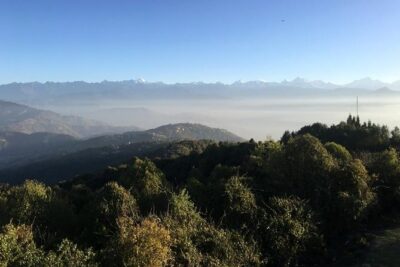
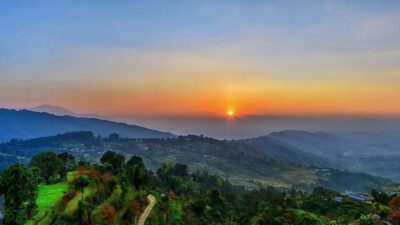
Then comes the Poon Hill morning. The itinerary says you ascend to Poon Hill, at 3,210 m, early for sunrise. The view includes the whole Annapurna and Dhaulagiri massif, including Machhapuchhre (Fishtail) and Manaslu, plus surrounding rice terraces. This is also described as a favorite spot among photographers, which matches what Poon Hill tends to deliver: a concentrated, cinematic viewpoint payoff.
What included logistics do for your stress levels
The best feature in this package is not a single monument. It is the reduction in decision fatigue.
You get pickup offered, plus a mobile ticket. You also get multiple transport segments covered, including a drive from Kathmandu into the trek area, public transportation from Muktinath to Tatopani, and a Pokhara to Kathmandu return by tourist bus. Even the Pokhara part includes one night of accommodation in a selected hotel with breakfast.
On trek days, the package uses tea house or lodge accommodation with breakfast, lunch, and dinner included. That means you are not trying to negotiate meals after a long day when your legs are already busy.
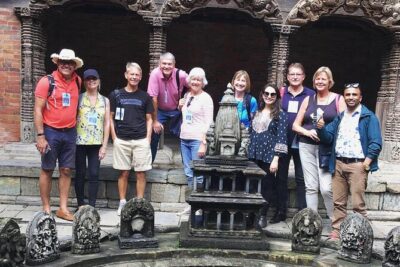
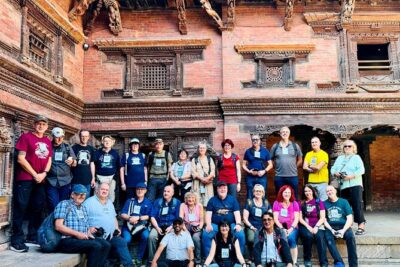
There is also explicit coverage for a guide and porters, including their meals, insurance, salary, and lodging. For many people, that is what makes the difference between “you bought a trek” and “you joined a team.” The route stays human-sized too, with a maximum group size of 15 travelers.
One more detail I appreciate: catering for extra dietary requirements is included. It is not always offered on Nepal trekking packages, and it makes planning easier if you have constraints.
Price and value: what $1,093 really buys you
At $1,093 for about 16 days, the price lands in the range where you should ask, “What is included that I would otherwise pay for?”
Here, a strong share of costs are covered:
- Trek lodging and three meals a day during the trek
- Permits, including ACAP and TIMS fees
- Trek leadership with a government-licensed trek leader
- Porters and their support coverage
- Rescue operation assistance in complicated health situations
- Several transport links and a hotel night in Pokhara with breakfast
- A farewell dinner and a certificate after a successfully completed trek
So you are paying for coordination. That coordination matters most on routes with high-altitude complexity and multiple segments, like Tilicho and Thorong La. If you try to DIY those without a guide, you end up spending money and time on permits, route planning, and logistics, plus extra stress when conditions change.
The only obvious gap in the price data is what is explicitly not included. Since the package lists “not included” broadly as anything not listed, it is on you to review personal expenses carefully, especially if you plan optional add-ons.
The human factor: guide and porter service that people remember
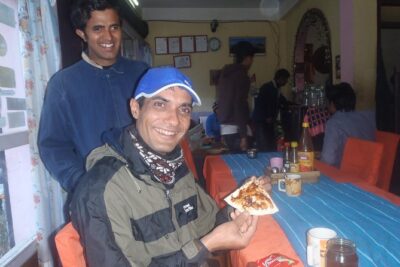
The trekking company’s brand strength shows up through the people assigned to groups. In independent accounts, I repeatedly saw names tied to guide energy and day-to-day care, including Hari Gurung and Suresh as guides. Porters named Damar, Sangkar, Asis, Monis, Dev’s porter Bikesh, and others like Rupesh and Surya were described as friendly and supportive.
One of the most practical things I’d watch for in any trek guide is how they explain what you are seeing. In the accounts here, guides like Suresh were praised for sharing helpful information about local culture and the mountains as you hike. That turns a grind day into something you can interpret in real time.
Porter support also gets highlighted with small kindnesses. For example, one account notes the porter made fruit platters each night. Those touches might not be guaranteed, but they point to a service style that cares about morale, not just carrying loads.
Who should book this Annapurna Circuit with Tilicho Lake
This trek fits best if you are:
- Fit and active, with moderate physical fitness
- Comfortable with a challenging mountain trek and early starts
- Interested in a route that combines high-altitude achievements with cultural stops
- Want safety and guidance for navigation and logistics
It may not be the right match if you:
- Strongly dislike early morning starts like the 3:00 am Thorong La crossing schedule
- Struggle with demanding, high-elevation days where acclimatization is required
- Prefer to travel at your own pace without a set structure
Also consider your group vibe. This is a small-group experience capped at 15. That is great for comfort and organization, but if you want a solo, silent trail style, you might feel the presence of the group.
Should you book it?
If you want Tilicho Lake and Thorong La in one connected trek, with permits, meals, and logistics handled, this package makes a lot of sense. I particularly like that it includes the acclimatization day in Manang, plus a structured return route with transport and hotel coverage.
Book this trek if you value:
- Clear planning for a complex route
- Small-group guidance
- A strong “payoff structure,” Tilicho first, then the pass, then hot springs recovery, then Poon Hill sunrise
Skip it or ask more questions first if you know you cannot handle early starts or if altitude management is a concern for you. In that case, talk through your fitness level with the operator before committing.
FAQ
How long is the trek and when does it end?
The itinerary is about 16 days. It begins in Kathmandu and ends back in Kathmandu, with a drive by tourist bus after breakfast on the final day.
Is Tilicho Lake included in this trek?
Yes. The route includes a dedicated day to reach Tilicho Lake, and the notes describe it as the highest lake and refer to it as the Great Ice Lake.
What is included in the $1,093 price?
The package includes accommodations, meals, permits, trek leadership, coverage for guides and porters (including their meals, insurance, salary, and lodging), and several transport segments. It also includes the Annapurna Conservation Area Permit (ACAP) fee and the TIMS card fee.
Are permits included?
Yes. The package includes the ACAP fee and the TIMS card fee.
Do I trek with a guide and porters?
Yes. It is described as a guided trek with a government license holder trek leader, and it also includes support for porters.
How big is the group?
The maximum group size is 15 travelers.
What transport is included at the start and end?
The trip includes pickup offered, a drive from Kathmandu for the opening transfer, and return to Kathmandu by tourist bus. It also includes public transportation from Muktinath to Tatopani, plus Pokhara to Kathmandu by tourist bus. A 225-minute flight from Pokhara to Kathmandu is mentioned as an option but is not included.
Which major sites are part of the route?
Key stops include Tilicho Lake, Thorong La pass, Muktinath Temple, and Tatopani hot springs. The itinerary also includes Poon Hill for sunrise views.
What if weather is bad, or I need to cancel?
The experience requires good weather. If it is canceled due to poor weather, you are offered a different date or a full refund. If it is canceled due to not meeting a minimum number of travelers, you are offered a different date or experience or a full refund. Separately, the booking itself is non-refundable and cannot be changed for any reason.
More Hiking & Trekking Tours in Kathmandu
More Tour Reviews in Kathmandu
Not for you? Here's more nearby things to do in Kathmandu we have reviewed
Annapurna Treks from Kathmandu, compared.
★ 5.0Annapurna base camp trek 5 DaysFrom $699252 reviews
★ 5.0Annapurna Base Camp TrekFrom $935111 reviews
★ 5.0Kathmandu to Annapurna Base Camp (ABC) 5-Day TrekFrom $99102 reviews
★ 5.04 Days Poon Hill TrekFrom $40594 reviews
★ 5.0Annapurna Circuit TrekFrom $1,17594 reviews
★ 5.0Annapurna Base Camp Trek 12 DaysFrom $80085 reviews
★ 5.0Ghorepani(Poonhill Trek)From $60081 reviews
Annapurna Base Camp TrekFrom $78581 reviews
Browse the lists this tour appears in