REVIEW · ANNAPURNA TREKS FROM KATHMANDU
Annapurna Base Camp Trek 12 Days
Cold mornings, big mountain days. That is the Annapurna Base Camp trek you get, with early starts built around sunrise views and a plan that handles most of the logistics for you. You also spend time in classic foothill spots like Poon Hill before pushing deeper into the Annapurna region.
I like two things a lot here. First, the schedule is designed to keep the day-to-day transitions organized, from Kathmandu to Pokhara and onward to the trekking trail. Second, the package includes real trail essentials, like your permits and meals during the trek, plus water purification supplies.
One consideration: this trip is actively demanding, with chilly early mornings and several long hikes. If you are not used to steady uphill and downhill walking, you will feel it, even with a guide watching your pace.
Key Highlights I’d Focus On

- Sunrise planning from Poon Hill and again at Annapurna Base Camp, if weather is clear
- Permits included for ACAP, TIMS, and local permits, so you do not scramble last minute
- Most logistics handled with tourist bus between Kathmandu and Pokhara and arranged transport at both ends of the trek
- Meal support on the trail with breakfast, lunch, dinner, and tea or coffee included
- Water purification included via purification drop or tablets
- Guides praised for safety and pace, including Bhairas Tamang and Prajil (among names mentioned by past trekkers)
A 12-Day Annapurna Base Camp Plan Built Around Sunrise

This trek works because it treats mornings like the main event. You start early enough to catch views at key points, then you hike through the day when the light and temperatures tend to be more manageable. That rhythm matters on Annapurna, where weather can be fickle and your best mountain photos are often tied to early timing.
The route is also set up for gradual altitude build-up before the big goal. You do not jump straight from low hills into the highest drama. Instead, you move through familiar waypoints that help you settle into the routine: wake, breakfast, hike, stop, eat, and repeat.
If you love the idea of earning mountain views instead of just driving past them, this plan fits that mindset. You will also get a strong finish, ending back in Kathmandu after the return from the base camp area.
You can also read our reviews of more hiking tours in Kathmandu
Kathmandu to the Trail: Transport and Timing That Reduce Headaches

Day 1 is all about getting you positioned for an early start. You meet at Tribhuvan International Airport, then you are escorted to your hotel, with half a day recommended for resting and prep. That is smart, because Nepal travel days can be tiring even before the first real hike.
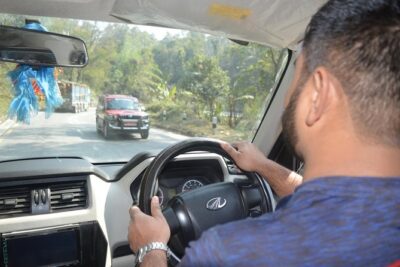
On Day 2, you leave Kathmandu by bus. The guide meets you at the hotel at 6:30 am, then you walk to Sorakhutte tourist bus station and catch a 7:00 am departure. From there, you drive to Malekhu. This kind of structured morning helps you avoid the common stress of figuring out transport when you are still mentally on jet lag.
Day 3 continues the low-stress travel pattern. You breakfast in Pokhara, then use a car or taxi to reach the bus park. After that, you switch to a sharing local bus or jeep to Nayapul, which is the typical on-ramp to the trek.
Practical takeaway: this style of transport means you spend less time searching and more time sleeping when you can. The tradeoff is that you are locked into morning departure times, so a late night in Kathmandu can quickly become your enemy.
Poon Hill Morning and the First Big Payoff
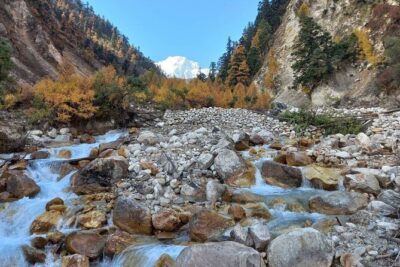
The first full mountain day is where the trek starts feeling real. You wake up to village sounds and climb into the sunrise-view zone early. Even before you reach the more famous lookout, the trek gives you that classic Himalayan moment where the valley noises fade and the peaks start to show.
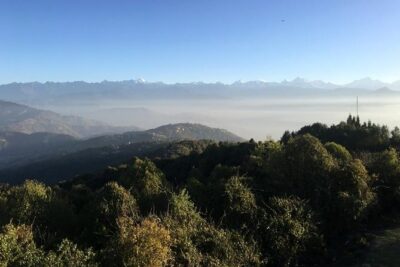
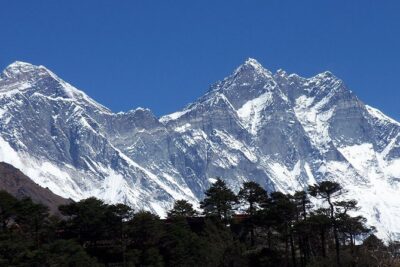
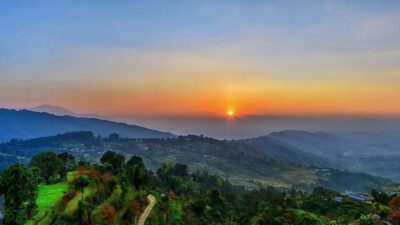
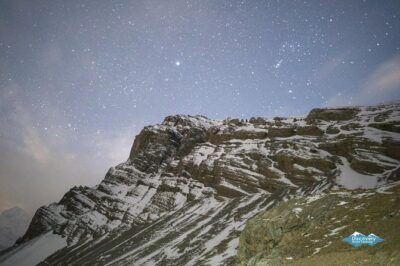
Then comes Poon Hill on Day 5. It is a short push, about 45 minutes to 1 hour, to get to the viewpoint for sunrise. The cold morning timing is part of the deal, but the reward is the big sweep of peaks. The route description notes you can see around 18 countable Himalaya peaks from here when the sky is clear.
Why this matters for your trekking experience: Poon Hill is a confidence builder. If you get a clean sunrise, you feel like the effort so far was worth it. If clouds roll in, you still gain early-morning hike experience before the taller, colder, and more exposed days.
A practical consideration: bring warm layers that are easy to manage. You are moving briefly for sunrise, then you might linger while the light changes.
Tadapani, Chhomrong, Sinuwa, and the Work of Getting Higher

After Poon Hill, the trek shifts into “get altitude the smart way” mode. Day 6 is described as downhill to Sinuwa, which gives you a gentler recovery segment after the early steep view chasing. You walk rambling downhill with scenery over places like Modi and Chhomrong Khola, and you pass through or arrive around the Chhomrong area.
Day 7 continues the ascent. Sinuwa starts your next chapter with sunrise views again. Then you head toward Deurali, with a climb to Bamboo (about one and a half hours) before you come closer to the Deurali area.
Here is what that means for you on the ground. Even when one day includes less dramatic elevation than the base camp push, your body still needs time to adapt. These stopovers help you reset your legs, manage breathing, and keep your morale up before Day 8.
If you have a sensitive schedule, this is also the stage where your pacing really matters. The route repeatedly asks you to move early, then keep going through a full trekking day.
Annapurna Base Camp Day, Plus the Return Down

Day 8 is the big target: Annapurna Base Camp. You trek into a high-mountain basin surrounded by towering peaks, and you pass through Machhapuchhre Base Camp along the way. That adds variety to the feel of the day, because you do not just march into one featureless final stop.
Day 9 is about dawn and then retreat. You wake for sunrise at Annapurna Base Camp if the weather is clean and clear, then you return toward Sinuwa. The description emphasizes rugged trails and sparsely forested areas during the descent.
Why the base camp portion matters beyond photos: it is a test of patience and decision-making. Weather can change fast. Even if you feel strong, you still need to move carefully. The return day is not easier mentally, because you are aiming to keep footing stable on rougher paths while your energy is not as fresh as on the ascent.
One practical tip: treat the return like a separate day. Your motivation might be high after reaching the base camp, but the downhill can be punishing if you rush.
Chhomrong Finish and the Trip Back to Pokhara and Kathmandu

After the base camp area on Day 10, you keep descending in phases. The trek ends up taking about two hours to reach Siwai from Sinuwa, then you ascend again toward Chhomrong. The route description includes mountain vistas, cascades, and farmlands along this stretch, which helps the end phase feel scenic rather than just functional.
Then Day 11 switches from hiking to travel. You wave goodbye to Pokhara and head back to Kathmandu. Once you arrive, you have free time for relaxing or shopping, plus a goodbye dinner in the evening.
This is a nice rhythm for your recovery. You get one final structured day of movement and then you settle into Kathmandu. It also helps you avoid the common mistake of trying to immediately pack a sightseeing marathon right after the hardest hiking day.
Day 12 is the clean wrap-up. Your trek ends, you fly out to your next destination, and the team drops you at the airport.
Guide Support, Safety Feel, and the Human Touch

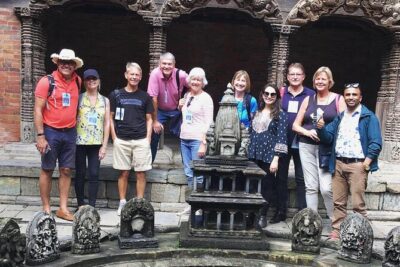
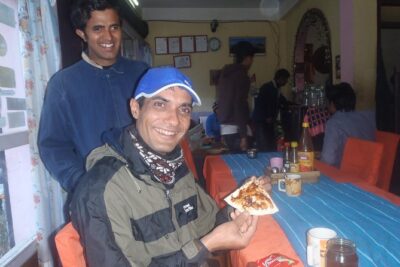
This is where the trek becomes more than just a route on paper. The guides are a big part of why people rate this experience so highly, and the names that come up include Bhairas Tamang and Prajil. Other credited support includes Deepak, Uttar, Buddha, and Somnath Tripathi.
What those guide stories add up to, in practical terms:
- A pace that matches the group, not just the fastest hiker
- Check-ins when someone gets tired, with the group staying together
- Help with practical needs during tea time, including snacks in some cases
- A safety-minded attitude that keeps you confident on rocky or exposed stretches
Even if you are a strong walker, a good guide can make the whole experience easier, because they help you make small decisions consistently. Do you slow down now or push because you feel fine? Do you stop to warm up? Do you drink water even when you are not thirsty yet? On a multi-day trek, those choices matter.
One more detail that feels small but helps: a well-run team keeps the transitions smoother. You are not constantly asking what comes next, which reduces mental load when your legs are already working.
Food, Water Purification, and What Is Included (and What Isn’t)

On the trek, meals are included, including breakfast, lunch, and dinner, plus tea or coffee. The counts listed are 11 breakfasts, 8 lunches, and 8 dinners while on trek. That means you have predictable fueling days instead of guessing how you will get fed at each stop.
Water safety is handled in a practical way too. You get a trekking map and water purification drop or tablets. That is a big deal for comfort. It means you can follow a system rather than bargaining with uncertainty.
What is not included: personal extras like snacks, beer, coke, and juice, plus Wi-Fi and other daily spending. Tea and coffee on the trek are covered, but if you plan to buy lots of drinks or snacks, your budget will creep upward.
Also, Kathmandu and Pokhara meals are not included. So plan for two to three meals outside the trek days, depending on your schedule.
Price and Value: What $800 Covers in Real Terms
At $800 per person for 12 days, the value comes from what the package bundles. You are not only paying for a guide and a route. You also get:
- Airport transfer services for arrival and departure
- Ground transport between Kathmandu and Pokhara by tourist bus
- 11-night accommodations during the tour
- Pokhara to trek start point and trek ending to Pokhara by private vehicle
- All applicable permits and fees, including ACAP and TIMS and local permits
- A trekking map plus water purification drop or tablets
- Meals while on treks (breakfast, lunch, dinner) and tea or coffee
That bundling is helpful if you do not want to manage paperwork and small logistics. Permits can be a headache if you are trying to handle them alone at the wrong time.
What you should budget separately:
- International flights
- Nepal entry visa
- Travel and health insurance that covers emergency rescues and evacuations
- Porter service, if you decide you want one
- Tips for the trek guide, which are expected
So the real question is simple: are you comfortable handling flights, visa, and insurance on your own, while letting the operator handle the on-the-ground trek pieces? If yes, $800 starts looking like a fair, organized way to reduce planning risk.
Packing and Fitness Tips for Cold Starts and Big Days
This route expects moderate physical fitness. That likely means you should be able to handle steady hikes with changes between uphill and downhill.
Here are the practical things I would plan for, based on the trek’s own rhythm:
- Chilly mornings: Poon Hill sunrise is described as chilly, and early starts are repeated
- Layers that work: you may be cold at first, then warm once hiking begins
- Footing for descents: days with downhill segments still require care, especially when paths are rugged
- A realistic pace: your guide will manage group pacing, but you still need to walk consistently
Also note the trip is private and based on your group only. That can help with pacing and comfort compared with group chaos, as long as your group members have similar energy and walking styles.
Should You Book Nepal Nirvana Trails for Annapurna Base Camp?
I would book this if you want a structured Annapurna Base Camp trek that handles the big moving parts for you, including permits, most transportation, and meals on the trail. The repeated praise for guides like Bhairas Tamang and Prajil points to a real focus on safety, pace, and practical support, not just checking boxes.
You might want to think twice if you dislike early mornings or you do not do well with cold weather. Also remember the package does not include travel insurance for rescue and evacuation, so you need to arrange that separately. Porter help is also not included, so if you want one, plan for that cost.
If your priority is sunrise-focused trekking with organized logistics and a guide team that keeps the group feeling looked after, this is a strong match.
FAQ
What parts of the trip are airport transfers?
Airport transfer services are included for both arrival and departure.
How do we get between Kathmandu and Pokhara?
You travel by tourist bus between Kathmandu and Pokhara, and then again from Pokhara back to Kathmandu.
Are permits included for the Annapurna region?
Yes. The package includes permits and fees, including ACAP, TIMS, and local permits.
What meals are included during the trek?
Breakfast, lunch, and dinner are included during the trekking days, and tea or coffee is also included. Kathmandu and Pokhara meals are not included.
Do I get water purification supplies?
Yes. You receive water purification drop or tablets during the trek.
Is travel insurance included?
No. Travel and health insurance that covers emergency rescues and evacuations is not included.
What is the cancellation window?
Free cancellation is available, and you can cancel up to 24 hours in advance for a full refund.
More Hiking & Trekking Tours in Kathmandu
More Tour Reviews in Kathmandu
Not for you? Here's more nearby things to do in Kathmandu we have reviewed
Annapurna Treks from Kathmandu, compared.
★ 5.0Annapurna Circuit Trek with Tilicho LakeFrom $1,093368 reviews
★ 5.0Annapurna base camp trek 5 DaysFrom $699252 reviews
★ 5.0Annapurna Base Camp TrekFrom $935111 reviews
★ 5.0Kathmandu to Annapurna Base Camp (ABC) 5-Day TrekFrom $99102 reviews
★ 5.04 Days Poon Hill TrekFrom $40594 reviews
★ 5.0Annapurna Circuit TrekFrom $1,17594 reviews
★ 5.0Ghorepani(Poonhill Trek)From $60081 reviews
Annapurna Base Camp TrekFrom $78581 reviews
Browse the lists this tour appears in