Annapurna Base Camp Trek – 11 Days

REVIEW · ANNAPURNA TREKS FROM KATHMANDU

Annapurna Base Camp Trek – 11 Days

5.0 · 30 reviews From $986 Operated by Base Camp Adventure Pvt. Ltd. · Bookable on Viator
Book on Viator →

Big mountains start with a small, steady climb. This Annapurna Base Camp trek pairs classic Himalayan scenery with practical support like transfers, permits, and a licensed English speaking guide, plus the kind of pace that lets you enjoy the route, not just survive it. I like that you get key trekking gear included and that the trip builds in real recovery moments like Jhinu Danda hot spring time.

What really impressed me is how the trek stays varied. You do early sunrise hiking to Poon Hill, forest walking through rhododendron country, and the long satisfying move toward Annapurna Base Camp and the Machhapuchhre area, with guest house stops along the way. The possible drawback is budget-related: the price covers a lot, but it does not include travel insurance, personal trekking equipment, drinks, or tips, so plan for those extras before you go.

If your goal is a well-run, classic Annapurna adventure with less stress and more time on the trail, this is a strong match. Just know that the itinerary includes plenty of uphill stone steps and early mornings, so bring a steady mindset and moderate fitness.

Key Things I’d Highlight Before You Book

Annapurna Base Camp Trek - 11 Days - Key Things I’d Highlight Before You Book

  • Included gear you would otherwise rent: a down jacket, sleeping bag, and duffel bag are part of the package.
  • Oxygen monitoring built into the trek: you get an oxymeter to check pulse and oxygen saturation, plus first aid kits.
  • Big payoff trail moments: Poon Hill sunrise views and the hot spring stop at Jhinu Danda.
  • Route variety, not just altitude: rhododendron forests, village paths, suspension bridges, and stone stair sections.
  • Private experience for your group: only your party participates.
  • Licensed English speaking guidance: a local government licensed guide is included for the trek days.

Price and Logistics: What $986 Covers (and What It Doesn’t)

Annapurna Base Camp Trek - 11 Days - Price and Logistics: What $986 Covers (and What It Doesn’t)
At $986 per person for an ~11-day Annapurna Base Camp trek, you’re paying for a bundled set of services that normally add up fast in Nepal. You get surface transfers from Kathmandu to Pokhara and back, permits and entry fees, guest house accommodations (mainly twin sharing), and a licensed guide. You also get the meal structure included, with breakfasts and dinners plus lunches on most trekking days.

There’s also real value in the “support layer.” The package includes an oxymeter for pulse and oxygen saturation checks and first aid medical kits. That matters because altitude days are where you want practical monitoring and quick help, not improvising.

What it does not include is worth planning for up front. The trip excludes travel insurance, personal trekking equipment, alcoholic and other drinks, laundry, and tips for trekking staff. It also excludes international airfare and airport departure tax. If you usually budget tightly, make sure you set aside money for those items so the trek stays relaxing instead of stressful.

You can also read our reviews of more hiking tours in Kathmandu

Day 1: Kathmandu to Pokhara on the Prithvi Highway

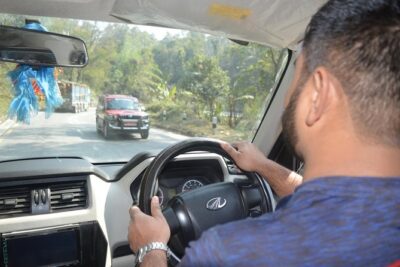
Day 1 starts with a simple plan: breakfast, then a tourist bus drive to Pokhara via the Prithvi Highway. You’ll pass rivers, terraced farms, and villages as you head west, so it’s not just driving time, it’s your first look at Nepal outside the capital.

Why I like this kind of day-one setup: you arrive in Pokhara already in “trek mode,” and you do not waste your first afternoon trying to solve transport. It also gives your body a day to settle after travel before the first hiking steps.

One practical consideration: start your morning early. The overall experience start time is 6:15 am from Kathmandu, so keep your arrival plans flexible the day before.

Day 2: Nayapul Start, Modi River Bridge, and the First Village Steps

Annapurna Base Camp Trek - 11 Days - Day 2: Nayapul Start, Modi River Bridge, and the First Village Steps
On Day 2, you drive from Pokhara to Nayapul, then begin trekking by crossing a suspension bridge over the Modi River. From there you head toward Birethanti and start getting into the rhythm of trails and guest house nights.

This is a “ramp up” day, and it’s important. Crossing that bridge and moving through the early segments of the route helps you learn how your legs feel on packed paths and stone stair sections later in the trip. It’s also where you start noticing the changes in temperature and cloud cover as you get farther into the Annapurna region.

Days 3 and 4: Rhododendron Forests, Ghorepani, and the Poon Hill Sunrise

Annapurna Base Camp Trek - 11 Days - Days 3 and 4: Rhododendron Forests, Ghorepani, and the Poon Hill Sunrise
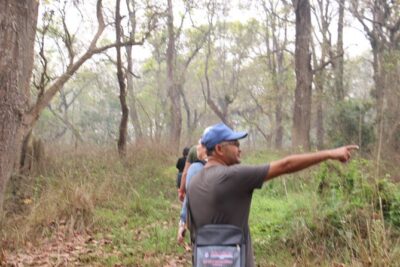
Day 3 is all about walking through thick rhododendron forests, with rhododendron country showing up as a signature theme here. You pass through village areas like Banthanti and Nangethanti on your way toward Ghorepani, and you’ll deal with some uphill stone stairs as you move into the Ghor area.

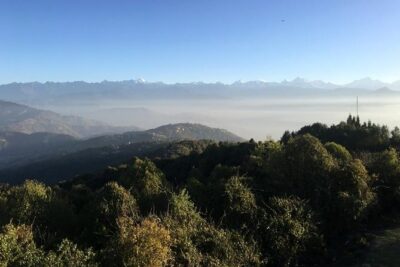
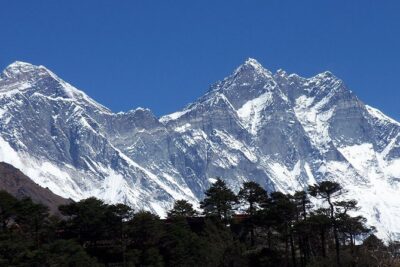
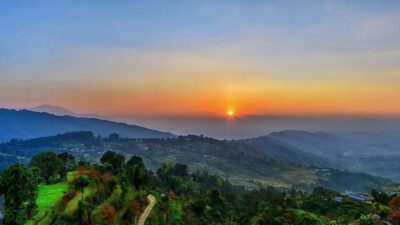
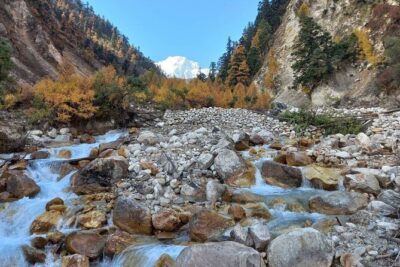
Day 4 is the big “early wake-up” day for sunrise. You start with an early ascent to Poon Hill to catch the first light over peaks in the Annapurna and Dhaulagiri ranges. The route also highlights views of Nilgiri (7061m) and Lamjung Himal (6983m), among others, so the sunrise is not only pretty, it’s also a good moment for peak-spotting.

What makes this worth it: Poon Hill is one of those places where the hike feels short compared to the payoff. But you do need patience and warm layers for the cold before the sun rises.

Days 5: Kimrong Khola, Jhinu Danda, and a Hot Spring Reset

Annapurna Base Camp Trek - 11 Days - Days 5: Kimrong Khola, Jhinu Danda, and a Hot Spring Reset
On Day 5, you leave the forest trail rhythm and cross the suspension bridge over Kimrong Khola. Then you reach Jhinu Danda and the hot spring area, where you can stop for rest and a soak before continuing onward.

I like a hot spring stop in an itinerary for one clear reason: it lets you recover without losing the day to rest alone. After the walking, your legs get a reset. If you like simple, earned comfort, Jhinu Danda hits the spot.

Here's some more things to do in Kathmandu

Days 6 to 8: From Sinuwa to Deurali and Into the Machhapuchhre Base Camp Area

Annapurna Base Camp Trek - 11 Days - Days 6 to 8: From Sinuwa to Deurali and Into the Machhapuchhre Base Camp Area
Day 6 keeps things steady with an easy walk through rhododendron forest, with orchids and ferns mentioned along the way. You descend stone stairs, cross the Chhomrong Khola, and then ascend to Sinuwa. From there, you continue with more down and up walking through stony sections.

This is where I’d pay attention to pacing. The Annapurna Base Camp route is not one long grind every single day. There are sections that feel smoother and sections that feel like work. If you go too fast early, you’ll feel it later when the trail turns stair-heavy again.

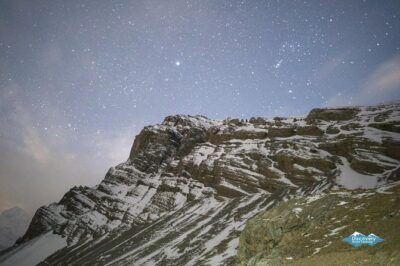
Day 7 is a key move toward altitude viewpoints and the Machhapuchhre area. You ascend to Deurali and continue on stone stairs to reach a scenic viewpoint where you can see the Machhapuchhre Base Camp area (noted as 3700m). The day also includes walking along moraines, which changes the feel of the terrain into something more rugged and “glacial.”

Day 8 starts with descending back toward the Machhapuchhre Base Camp area via the moraine route. Then you follow trail lines along Modi Khola through rhododendron and fir forests. This day gives you two gifts: the chance to enjoy the terrain shifts and a break from being “just uphill all day.”

Days 9: Upper Chhomrong to Jhinu Danda Hot Spring Time Again

Day 9 continues the pattern of walking that mixes forest paths, descents, and stair climbs. You ascend through forest to Sinuwa, head down to Chhomrong Khola, then climb stone stairs to upper Chhomrong. After that, you descend toward Jhinu Danda for another warm dip in the hot spring area.

A second hot spring stop is meaningful. It’s not just a nice add-on, it’s a practical recovery moment before the trek ends with the longer descent to Nayapul and the return drive. If you tend to get stiff after long walking days, this kind of plan helps you finish the trek feeling more human.

Day 10: Descending to Nayapul and Back to Pokhara

On Day 10, you descend to Nayapul following the trails of Modi Khola. You’ll also enjoy the scenery along the way, then switch back to the drive to Pokhara.

This day is a “done but still moving” phase. Even when you’re tired, it helps to have clear structure: get to Nayapul, then travel back to Pokhara instead of trying to arrange transport on the fly. In the evening, you may have options to relax in Pokhara, based on the day’s schedule and your preferences.

Day 11: The Return Bus to Kathmandu

Day 11 is the final travel day. You leave Pokhara early on a tourist bus and drive back to Kathmandu, passing greenery and villages along the highway. When you arrive, the experience ends back at the meeting point in Kathmandu.

I like ending with a bus, not a rushed flight. You can use the last morning to check in with your gear, process photos, and keep your final hours low stress.

Included Gear and Guest House Setup: Comfort Without Luxury Promises

This package includes a lot of the equipment that can make or break your comfort, especially if you are traveling light. You get a down jacket, a sleeping bag, and a duffel bag included in the experience. That reduces the pressure of finding the right warmth and saves you from rental or last-minute shopping.

You also get guest house accommodations during the trek, mainly in twin sharing rooms. That’s great for budget value, but it’s something to consider if you hate sharing space or prefer a private room.

Meals are planned too. The package includes 10 breakfasts, 9 lunches, and 8 dinners during the trekking portion. That takes a lot of decision-making off your plate, and it helps you keep energy up for the hiking days.

The Guide Factor: Licensed Support and the Names People Remember

A licensed English speaking trekking guide is included for the trek. You also get staff support coverage, including food, accommodation, salary, insurance, equipment, medicine, and transportation for trekking staff.

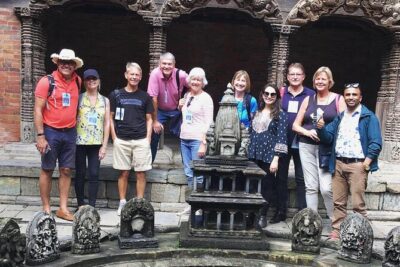
Some experiences connected with this operator highlight specific guide names such as Dhakal Saroj, Mansing, Prakash (spelled in a few ways), Shiva, and Naba. I cannot promise you’ll get the same person, but it does tell you something: the human side matters here. When groups mention patience and smooth organization, that usually shows up in the little things like pacing, trail navigation, and handling issues quickly.

If you want the best chance at a smooth experience, ask what time you’ll start each day and how your guide plans to handle slower moments on stone stair sections. Clear expectations make the walk feel easier.

Altitude Awareness: Why the Oxymeter Inclusion Is Not a Gimmick

Altitude is part of why people remember Annapurna Base Camp treks. This package specifically includes an oxymeter to check pulse and oxygen saturation and heart rate. It also includes first aid medical kits.

That combination matters because it shifts the trip from reactive to proactive. You still need to use common sense, hydrate, and report symptoms, but you have an added tool to monitor how you’re doing as you go higher.

Also note that this experience requires good weather. If conditions are poor, you can be offered a different date or a full refund, depending on how the operator handles it. This is worth factoring into your Nepal schedule so you’re not stuck with a hard deadline.

Who This Trek Fits Best (and Who Should Think Twice)

This trek is positioned for travelers with moderate physical fitness. If you can walk for several hours, handle uphill sections, and accept that some days include stone stairs, you’ll likely do well.

It can also fit solo trekkers who want to avoid planning and logistics. The structure is built for you, with guides, permits, guest houses, meals, and transfers handled. You’re still walking a real trail, but you’re not doing the admin.

I would think twice if you cannot manage uneven paths, stair-heavy climbs, or early-morning starts like the Poon Hill sunrise hike. Another consideration is accommodation style: most nights are in twin sharing guest rooms, so if you need solo privacy, you’ll want to clarify options with the operator before you commit.

Day-by-Day Rhythm: What Your Body Will Feel

Here’s the pattern you’ll experience across the 11 days. You start with travel and setup days (Kathmandu to Pokhara, then Pokhara to Nayapul). Then the trek days shift between forest walking, village segments, and stair climbing. The itinerary highlights classic moments at Poon Hill and then later at Machhapuchhre Base Camp area, followed by a hot spring reset at Jhinu Danda and a final descent toward Nayapul.

This rhythm is why people call Annapurna Base Camp a classic. You get big views, yes, but you also get variety in the day-to-day effort level. That makes it more sustainable than a route that is only steep uphill.

Final Value Check: Why This Package Makes Sense

For $986, you are not just buying a route, you are buying reduced friction. Permits and entry fees are included. Food and lodging are planned. The guide and support staff coverage is included. Important gear is included too, including warmth for cold nights higher up.

Your main financial “gotchas” are the extras you have to cover yourself: personal trekking equipment, travel insurance, drinks, laundry, and tips, plus airfare and airport departure tax. If you budget those ahead of time, the trip looks like strong value compared to piecing together a similar trip yourself.

Should You Book This Annapurna Base Camp Trek?

I’d book it if you want a classic Annapurna Base Camp experience with practical support, included trekking gear, and clear day structure. The inclusion of an oxymeter and first aid kits is a thoughtful touch, and the Poon Hill sunrise plus Jhinu Danda hot spring stops are exactly the kind of moments that make the trek feel memorable for years.

I would not book it if you need private rooms every night, dislike sharing accommodations, or you are not comfortable with early-morning hikes and repeated stair sections. Also make sure you have travel insurance and personal trekking equipment lined up, since those are not included.

If you’re the type who likes your Nepal plans organized but still wants authentic time on foot, this trek is a solid choice.

FAQ

How long is the Annapurna Base Camp trek?

The duration is listed as 11 days (approx.).

Where does the trek start and end?

It starts in Kathmandu, Nepal, and ends back at the meeting point.

What time does the experience start?

The start time is 6:15 am.

What does the price include for this tour?

The package includes down jacket, sleeping bag, and duffel bag, surface transfers to and from Kathmandu, trekking permits and entry fees, guest house accommodation during the trek, a licensed English speaking guide, meals (breakfast, lunch, dinner), and medical support including an oxymeter and first aid kits, plus staff logistics.

What is not included in the price?

Not included are alcoholic and other hot and cold drinks, laundry, travel insurance, personal trekking equipment, international airfare and airport departure tax, and tips for trekking staff.

Is there a fitness requirement?

Yes, travelers should have a moderate physical fitness level.

Is this a private tour?

Yes. It is described as a private tour/activity, and only your group participates.

More Hiking & Trekking Tours in Kathmandu