Annapurna Base Camp Trekking

REVIEW · ANNAPURNA TREKS FROM KATHMANDU

Annapurna Base Camp Trekking

5.0 · 38 reviews From $749 Operated by Accessible Adventure Pvt. Ltd · Bookable on Viator
Book on Viator →

Annapurna Base Camp is earned, not handed. This 12-day plan is built for you to focus on walking, not paperwork, with a licensed guide and porter support plus gear ready for the trail. I like how the itinerary mixes the classic Annapurna Sanctuary climb with earlier highlights like Ghorepani and a sunrise at Poon Hill, so you get payoff even before the high camp push. Licensed trekking leadership and included trekking gear (sleeping bag, down jacket, duffle bag) make the whole thing feel more controlled from day one.

The second thing I really like is the logistics: round-trip tourist bus between Kathmandu and Pokhara, private transfers to the trek start and end, and permits handled through TIMS plus the Annapurna Conservation Area Permit. You will also get tea house accommodations arranged along the way, which matters because decisions about where to sleep can eat up time and energy. One drawback to plan around, though: meals are not included during the trek, so you’ll be choosing breakfast, lunch, and dinner at tea houses (and budgeting for it).

Key highlights worth your attention

Annapurna Base Camp Trekking - Key highlights worth your attention

  • Gear support included, including a sleeping bag and down jacket for cold nights
  • Permits handled with TIMS and the Annapurna Conservation Area Permit included
  • Guide and porter staffing, with one licensed English-speaking trekking guide plus a porter (noted as 1 porter for two trekkers)
  • Kathmandu and Pokhara transfers by tourist bus, plus private transfers to/from the trekking starting and ending points
  • Early-view payoff with Ghorepani and a pre-dawn Poon Hill sunrise
  • Jhinu Danda hot springs are not included, but the village stop is built into the route

What you’re really buying for $749.90

The headline price, $749.90 per person, looks simple. The smarter question is what that price covers, because Annapurna treks can get expensive fast once you add permits, guiding, transfers, and equipment rentals.

In this package, your costs are reduced in the places that typically cause surprises. You get TIMS and the conservation permit, tea house lodging arranged along the route, a licensed English-speaking trekking guide, and a porter. On top of that, the operator provides a duffle bag, sleeping bag, and down jacket for use during the trek, plus a first aid kit. Those are not just extras, they are risk reducers, especially the sleeping bag and down jacket part when nights get cold.

Now, the trade-off is you still pay for things the package doesn’t list as included. Trek food is not included, and Kathmandu and Pokhara accommodations are also not included. So your real per-day cost depends on your meal style and whether you already have lodging sorted in Kathmandu and Pokhara.

You can also read our reviews of more hiking tours in Kathmandu

Pre-trek setup: Kathmandu arrival, guide meeting, and warm logistics

Annapurna Base Camp Trekking - Pre-trek setup: Kathmandu arrival, guide meeting, and warm logistics
Your first day starts in Kathmandu, with an airport representative pickup and a transfer to your hotel. Later, you meet your trek leader at a pre-trip meeting, where you get briefed on the trek and your role in the group plan.

This matters more than it sounds. A good briefing helps you understand how early mornings work, how to move as a team on narrow trails, and what to ask your guide before you get tired. It also sets expectations about gear, since this trek includes specific items for you to use during the hike.

If you’re arriving from far away, keep this day light. No hero moves. You want your legs and breath ready for the early start rhythm that kicks in fast in the Annapurna region.

Kathmandu to Pokhara by tourist bus, then onward to Nayapul

Annapurna Base Camp Trekking - Kathmandu to Pokhara by tourist bus, then onward to Nayapul
Day 2 moves you from Kathmandu to Pokhara Lakeside. You travel by tourist bus through some of the most common corridor scenery for trekkers, and you arrive in time to settle near the lake area.

Pokhara is also your launch pad. The trek plan includes round-trip bus transfers between Kathmandu and Pokhara, plus private transfer support to the trek starting and ending points. From Pokhara, you begin the trek route via taxi to Nayapul to start walking.

Why this is valuable: it cuts down on decision-making. You don’t have to coordinate local transport timing after arrival, which is when many trekking headaches happen. You just follow the plan, confirm your gear, and get ready for the first real climb.

Ghorepani and Poon Hill: the sunrise hit before the big grind

Annapurna Base Camp Trekking - Ghorepani and Poon Hill: the sunrise hit before the big grind
Days 3 and 4 give you the classic Annapurna warm-up route. You head toward Ghorepani, passing key settlements along the way like Birethanti, Tikhedhunga, Ulleri, and Nangethanti. The altitude rises steadily, which is what you want early, since it helps your body adjust without going from flat to high too fast.

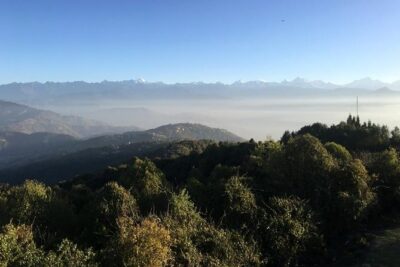
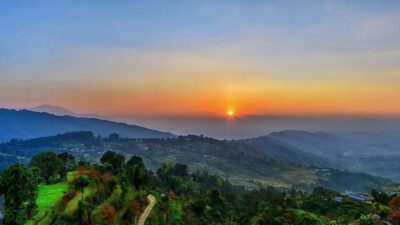
Then comes the pre-dawn moment at Poon Hill. The plan includes a sunrise hike from Ghorepani, with panoramic views of major peaks in the Annapurna region. You’re up early, yes. But the payoff is the kind of view that makes the whole trekking concept click.

A practical note: sunrise hikes are cold and slow. Even when you’re bundled, your hands may get stiff. If you’ve never done a pre-dawn trek before, plan to move carefully and save your breath for the steep bits.

After Poon Hill, you continue on toward Tadapani, reaching it after a longer walking day. Tadapani is a key stop that supports the rhythm of the trek toward the higher Sanctuary areas, not just a random village night.

The middle days: forests, bamboo, and the approach to Deurali

Annapurna Base Camp Trekking - The middle days: forests, bamboo, and the approach to Deurali
From Chuile and Sinuwa, the route starts feeling more like the Annapurna Sanctuary you came for. On day 5, you pass through Chuile, then push onward toward Sinuwa. Sinuwa is split into areas (lower and upper), and it sits at the altitude band that acts like a bridge between the lower trails and the higher elevations.

Day 6 keeps you in this approach zone. You trek through Sinuwa and continue toward Deurali. This is where the air can feel different, and where you benefit from having a guide who knows how to manage pacing through climbs and into rest breaks.

You’re also moving through a landscape of trails with bamboo and rhododendron mentioned along this route. That matters because it helps set expectations. You’re not just walking on one kind of path. Expect changes in footing, shade, and temperature, often over the same day.

The real value in these middle days is that they compress the hard part into manageable steps. This isn’t the kind of itinerary that rushes you up in giant jumps without time to adjust.

Here's some more things to do in Kathmandu

Reaching Annapurna Base Camp via Machhapuchhre Base Camp

Annapurna Base Camp Trekking - Reaching Annapurna Base Camp via Machhapuchhre Base Camp
Day 7 is the showpiece. You climb from the Deurali elevation band or the higher starting area indicated by the route, then make your way to Annapurna Base Camp (ABC). The plan routes you via Machhapuchhare Base Camp (MBC), and you arrive at ABC after a long day of altitude gain.

At ABC, you get the climax you came for: a high, close-up view setting surrounded by the mountains of the Annapurna region. This is also the day when rest feels earned. You might feel tired and a little emotionally wired, like you’re not sure whether to celebrate or just sit still and catch your breath.

Then day 8 is about going down, specifically from ABC to Bamboo at a much lower altitude. This descent is not just easier walking. It helps your body recover from the strain of higher elevations, and it gives you a mental break from the constant uphill focus.

If you’re thinking about what makes a trek like this “worth it,” this is where the value shows. It’s not only that you reach a waypoint. It’s that the route gives you a structured climb, then a structured recovery.

Bamboo to Jhinu Danda: the descent that keeps giving

Annapurna Base Camp Trekking - Bamboo to Jhinu Danda: the descent that keeps giving
Day 9 takes you from Bamboo to Jhinu Danda, and the altitude drop is dramatic on paper. In practice, that translates into a different walking feel. Your legs can feel heavy if you went hard on the ABC day, but your breathing may improve as you go lower.

Jhinu Danda is known for its natural hot springs, and day 10 includes a dedicated stop at the village for that. The hot springs themselves are listed as not included, so you should expect to pay for entry if you want a soak. Still, the trek makes the hot spring option easy to use because it places you there before the final travel legs.

This is a smart finish style. You don’t end the trek with only travel hours. You get one more small reward that helps you reset.

Finishing route: trekking out, Pokhara back, then Kathmandu airport day

Annapurna Base Camp Trekking - Finishing route: trekking out, Pokhara back, then Kathmandu airport day
After Jhinu Danda, day 10 continues the trek leg down toward the Pokhara area via options like Siwa or Ghandruk Phedi. The plan then ties you back to Pokhara Lakeside.

Day 11 covers the drive back to Kathmandu, and day 12 is departure at Tribhuvan International Airport. This sequence is helpful because it avoids the common mistake of ending your trek with all-day scramble. You end with travel, but it’s organized.

One detail that’s worth noting is that the plan includes private transfer support from trek start and end points. That’s usually where timing can break down. Having it built in reduces the risk that you’ll lose the last day to confusion.

The real value: guide, porter, permits, and included sleep gear

I’ll be honest, the included sleep gear is a big deal for this type of trek. A sleeping bag and down jacket for use during the trek reduces the things you have to pack, carry, or rent last-minute. It also increases the odds you’ll be warm enough to get decent rest, and that matters when you’re walking daily at higher elevations.

The guide support is another strong point. This package includes one licensed professional trekking guide plus a porter. If you’re used to planning everything yourself, the difference is immediate: you stop thinking about route puzzles and start thinking about pacing and comfort.

You also have permits included: TIMS and the Annapurna Conservation Area Permit. That removes the bureaucratic burden from your hands, which is a real win when you are already managing altitude, sleep, and energy.

The one thing you will still handle personally is food. Because breakfast, lunch, and dinner during the trek are not included, you’ll want to budget for it and keep flexibility. Tea house menus can vary in what they offer and in price, especially as you go higher.

What to pack (so the included gear actually helps)

The tour provides specific items, so you can pack smarter. But you still need your basics covered.

Here’s what I recommend you bring, keeping it practical for a tea house route:

  • A warm layer for mornings and cold nights, even with a down jacket provided
  • Rain protection that’s easy to use on short notice
  • A daypack for water, snacks, and layers, plus a small zip pouch for small essentials
  • Sunscreen and lip balm, because higher altitude sun can feel stronger than you expect

Also think about water strategy. The plan states cold drinks like juice and soda are not included. That’s useful information because it nudges you toward buying water and basic hot drinks rather than a constant parade of sweet drinks.

If you’re carrying a lot, remember the porter plan is mentioned as 1 porter for two trekkers. That implies you’ll split the load. Pack thoughtfully so your extra weight doesn’t become a burden for someone else.

Who this trek is for, and who might want a different setup

This itinerary is a good fit if you want a structured, guide-led ABC trek with early Annapurna region highlights. It’s also built for moderate physical fitness, which is exactly the level many people need for Annapurna: you can walk steadily, you can handle stairs and uneven paths, and you recover between days.

Because it’s described as a private tour/activity with only your group participating, it suits couples, friends, and small groups who want the benefits of teamwork without feeling like you’re in a big mixing pot.

If you’re traveling solo, pay attention to the note about porter coverage: it says a porter for solo traveler is not included. That doesn’t mean solo is impossible, but it changes the way you should plan your packing and comfort.

If your dream is maximum independence and no guidance, you might prefer a self-guided option. But if you want the peace of mind of permits, transfers, tea house planning, and an English-speaking guide, this one makes sense.

Booking timing and what your schedule will feel like

This trek is commonly booked about 40 days in advance, which tells me two things. First, it’s not something to leave to the last minute if you have firm travel dates. Second, the itinerary fits a season of consistent demand, so reserving early helps reduce stress.

The start time listed is 6:00 am, which reinforces the early-day rhythm you should expect. Even if not every day starts exactly like that, Annapurna treks tend to reward early mornings. You’ll likely spend more time on trail in the cooler hours.

Should you book this Annapurna Base Camp trek with Accessible Adventure?

I’d book this itinerary if you want a guided Annapurna Base Camp trek where logistics are handled and you’re glad to have permits, transfers, and trekking sleep gear taken care of. The combination of Poon Hill sunrise setup, a steady climb through Sinuwa and Deurali, and the ABC day via Machhapuchhre Base Camp is a strong route structure for a 12-day format.

I would hesitate if your biggest priority is controlling every meal budget, because food during the trek is not included. Also, if you’re going solo, review how porter support works for your group size and your comfort with carrying your load.

If you like clear structure, want to walk with a licensed guide, and would rather spend your energy on the mountains than on admin tasks, this is a solid value at $749.90.

FAQ

What does the trek price include?

It includes Kathmandu to Pokhara and Pokhara to Kathmandu transfer by tourist bus, private transfers to the trek starting and ending points, TIMS and the Annapurna Conservation Area Permit, a licensed English speaking trekking guide, a porter, tea house accommodations during the trek, and trekking equipment including a duffle bag, sleeping bag, and down jacket for use during the trek.

Are permits included for Annapurna Base Camp?

Yes. TIMS and the Annapurna Conservation Area Permit are included.

Does the tour include round-trip transportation between Kathmandu and Pokhara?

Yes. The package includes tourist bus transfers from Kathmandu to Pokhara and from Pokhara back to Kathmandu.

Is food included during the trek?

No. Food, including breakfast, lunch, and dinner during the trek, is not included.

Are accommodations in Kathmandu and Pokhara included?

No. Accommodation during Kathmandu and Pokhara is not included.

Is the Jhinu Danda hot spring entry included?

No. Jhinu Danda hot spring admission is listed as not included.

What is the cancellation policy?

You can cancel up to 24 hours in advance of the experience start time for a full refund. If you cancel less than 24 hours before the start time, the amount paid will not be refunded.

More Hiking & Trekking Tours in Kathmandu