REVIEW · ANNAPURNA TREKS FROM KATHMANDU
Annapurna Base Camp Trek
Annapurna Base Camp, minus the guesswork. This small-group trek (max 10) is built for active hikers who want big Himalayan views without spending nights hunting for food, beds, or directions. I especially like that meals and teahouse stays on the trail are included, so you can focus on pacing your day and enjoying the scenery.
One heads-up: this is a moderate high-altitude trek, with about 4 to 7 hours of hiking most days, so you should come in in decent shape and be ready for cold mornings and slower breathing.
Key points to know before you go
- Small-group pace (max 10): You get more personal attention than big group treks.
- Meal and lodging coverage: All meals on the trek are included, plus select meals in Kathmandu and Pokhara.
- Guide-led logistics: You hike with a professional guide, so navigation and day-to-day decisions are handled.
- Poon Hill viewpoint included: A top sunrise style stop near Ghorepani, at 3210m.
- Classic ABC route rhythm: From Nayapool and Ghorepani toward Chhomrong and Machhapuchhre Base Camp, then back via hot springs.
Annapurna Base Camp with a max-10 small group, why that matters

What makes this Annapurna Base Camp trek feel good is the way it removes stress. The plan runs as a guided small group (maximum 10), so you’re not constantly waiting for stragglers, debating routes, or searching for the best teahouse when you’re tired.
I like that the itinerary is structured around daily hiking blocks of roughly 4 to 7 hours, which is the sweet spot for many active travelers on a high-altitude trek. You still get the sense of adventure, but the day doesn’t turn into a fight against logistics.
And you also get a built-in support system for the little “what now?” moments. You’re dealing with remote trail towns and variable weather. Having a guide who’s managing the plan can turn those uncertainties into normal parts of the hike, instead of daily problems.
You can also read our reviews of more hiking tours in Kathmandu
Your guide support and the care factor (from real guide names you may see)

This trip is led by a professional guide, and you can see the value of that from feedback patterns in the guide team. Names that show up in strong experiences include Suvi and Tulsi, plus Krishna, who is described as bringing positive energy during a first-time traveler’s anxious stretch.
There’s also a recurring theme of responsiveness. One reported experience highlights how Suvi helped with quick adjustments when someone wasn’t feeling well after arrival, even changing the porter arrangement ahead of time. Another mentions Anil as a guide and Sumon as a porter, with the pair described as highly professional and caring.
Now, a balanced note: you’ll still need to communicate. If you feel off, get cold, or need to slow down, speak up early. That’s how you make sure the guide can adapt the plan to your comfort level.
Kathmandu and Pokhara, the setup that keeps the trek from feeling abrupt

Day 1 begins in Kathmandu, with a representative meeting you at Tribhuvan International Airport and arranging a drop to your hotel in the Thamel area via private tourist vehicle. That matters more than it sounds. When you arrive from a long flight, the first win is avoiding confusion, finding your bearings, and getting into rest mode fast.
Day 2 is your transition day. You travel from Kathmandu to Pokhara, covering about 200 km by tourist bus. The ride is listed as roughly a six-hour bus journey, with lunch along the way, and an overnight stay at a guesthouse in Pokhara.
I like this setup because it gives you a buffer before trekking. It also helps you acclimate in a practical way. You’re not throwing yourself onto the trail immediately after landing.
From Thamel to Nayapool: starting the trek in a gentle, organized way
The trek formally starts after the Pokhara drive. On Day 3, you head from Pokhara to Nayapool (about an hour) and begin walking along the Modi River toward Birethani. This is a common strategy for keeping early days manageable: you ease into the trail without demanding huge altitude gains right away.
You’ll also see the real value of guided planning here. Teahouses are plentiful on these early routes, but “plentiful” doesn’t mean “stress-free.” With a guide, you’re not choosing every stop while hungry and tired. You’re simply walking and letting the plan do its job.
By Day 4, the route moves through places like Ulleri, with a gentle ascent through rhododendron and oak forests to Banthanti, then continuing to Ghorepani.
That Day 4 forest mix is more than pretty. Rhododendron routes often mean cooler, shaded walking. It can be easier on the body, especially if you’re trying to avoid burning out early.
Poon Hill viewpoint: the early climb that rewards you with photo-ready views

Day 5 is a highlight for a reason. You do a short hike to Poon Hill, at 3210m, described as the best viewpoint on the trail, and a photographer’s paradise.
The schedule is straightforward: a walk of about 45 minutes to the top. Even if you’re not obsessed with photos, this stop is a classic because it gives you a major payoff day before the main climb deeper toward the base camp area.
Practical tip: start moving right when you’re supposed to. Morning viewpoints are all about timing and visibility, and that’s one place where guide-led timing helps you more than you’d think.
Ghorepani to Chhomrong: rhododendron down, then a steady climb

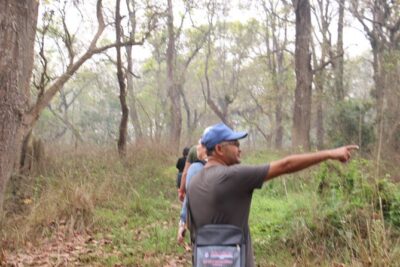
On Day 6, after breakfast at Tadapani, the trek starts with gradual descent through rhododendron forests, then you cross the Kimsung River. From there, it turns into an ascent toward Gurjung, then a straight climb to Chhomrong.
Chhomrong is one of those turning points on the ABC route, and this itinerary frames it that way. You spend the day moving from forested trail into more mountain-facing terrain, so your mental focus starts shifting from survival hiking to view-hunting.
Day 7 adds a “steps then bridge then climb” rhythm. You descend from Chhomrong via stone steps to Chhomrong Khola, cross a suspension bridge, then tackle a steep climb to Sinuwa. After a jungle walk, you get an easier downhill to Bamboo.
That mix is good training. It’s not just uphill slog. You get variation, which many hikers find easier mentally because the trail keeps changing.
The quieter stretch: Dovan to Himalaya and the temple rule

Day 8 is one of the most interesting days on the route description. The walk from Dovan to Himalaya is described as a silent one because noise isn’t allowed in the jungle due to a temple on the way.
This is the kind of detail you don’t get on generic trek overviews. It tells you the trail isn’t only a hiking corridor, it’s part of a living cultural landscape. Even if you’re not religious, it’s a reminder to keep your voice low and let the place feel like itself.
The route also changes character. It includes bamboo forests before transitioning to rhododendron forests, which gives your senses something different every stretch.
Deurali to Machhapuchhre Base Camp: where the mountains start feeling close

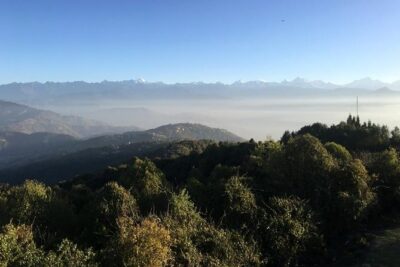
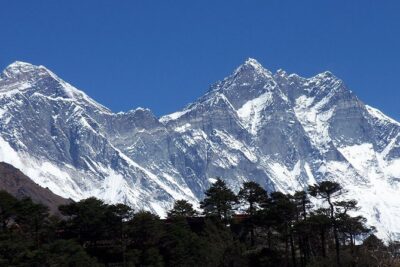
Day 9 ramps up. From Deurali, the trail passes through a river bed and then becomes a tedious climb to Machhapuchhre Base Camp. The descriptions emphasize being surrounded by mountains on all sides, with views including Annapurna, Machhapuchhre, Gangapurna, and Himchuli (and other peaks listed in the itinerary text).
This is where ABC begins to feel real. The trail days earlier often build slowly, but the base camp approach tends to switch your attention from “where are we going” to “what can we see right now.”
Also, you’re still in teahouse country. You’re not sleeping in tents on this trip, at least based on the included accommodation style. That usually helps travelers stay comfortable and keep their routine.
Sunrise at ABC, then the return: mostly downhill and easier walking

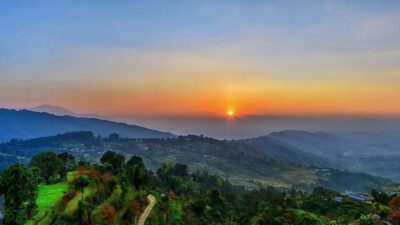
Day 10 includes the signature moment: you view a spectacular sunrise from ABC, then head back following the same trail.
The return path goes through MBC, Deurali, Himalaya, and Bamboo to Sinuwa, and the itinerary notes that most of the day is downhill, making it mostly an easy walk. That’s a big deal because it changes the energy of the trek. You’re still moving a lot, but your legs tend to feel less punished than on the ascent days.
I recommend you keep a careful pace anyway. Even downhill fatigue can stack up, especially after multiple days at altitude.
Chhomrong stop, Jhinu hot springs, and the finish through Malekhu
Day 11 stops again in Chhomrong for lunch, with the village described as spread across a hillside and offering stunning views of the Annapurnas and Machupachare (listed in the itinerary text).
Day 12 takes you to Jhinu Danda, famous for natural hot springs and ponds where you can bathe. It’s described as about a 20-minute walk from your hotel in Jhinu Danda, so you’re not losing your entire afternoon to logistics.
Day 13 includes a shorter cultural and food stop: you go to Malekhu for lunch for about 30 minutes, known for fish species and its products. Even if you’re not a foodie, it’s a good “tastes of the region” moment before you return to Kathmandu.
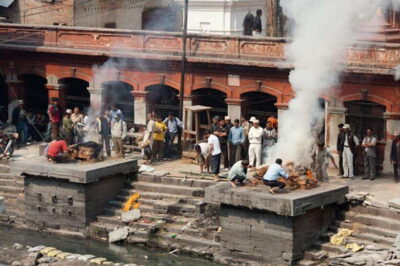
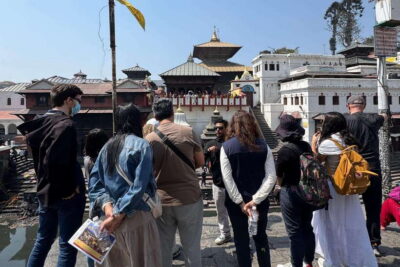
Day 14 finishes with a drive via Pashupatinath Temple, with a short photo stop of a few minutes. Admission is noted as not included, so if you want to enter and explore more deeply, plan to pay separately.
Meals and teahouses: what is actually included, and how to use that advantage
This trek is priced with a lot of core needs covered. You get all meals on the trek, plus some in Kathmandu and Pokhara. The package also includes accommodation in teahouses during the trek and hotels/guesthouse stays in Kathmandu and Pokhara.
The included list shows:
- Breakfast (13)
- Lunch (10)
- Dinner (10)
And it clearly states what is not included: lunch and dinner in Kathmandu and Pokhara.
Why this matters: when food is included, you don’t have to gamble on whether a teahouse kitchen will be open, whether the menu looks reliable, or whether you’ll lose time waiting. Meals become part of your schedule. That makes the trek feel safer and smoother, especially when your energy is tied to altitude.
Also, because you’re eating where you sleep, you’ll spend less time wandering and more time resting.
Price and logistics: is $925 good value?
At $925 per person for a 14-day Annapurna Base Camp trek, you’re paying for more than guiding. You’re buying a package that includes:
- Professional guide
- Round-trip shared transfer
- Accommodation in Kathmandu/Pokhara and teahouses on the trek
- All meals on the trek
- All taxes, fees, and handling charges
- Pickup offered, plus a mobile ticket
What’s smart here is that most of the expensive parts for a trek are already folded in. Transport, accommodation planning, and meal coverage are the three things that usually add hidden stress and extra spending when you book piecemeal.
What you should watch for is what’s excluded:
- Lunch and dinner in Kathmandu and Pokhara
- Pashupatinath Temple admission (explicitly noted as not included)
In plain terms, the value works best if you’re happy letting the trip handle most of the details. If you like freedom to choose your own meals every day, you may feel a bit boxed in. But if you want a smoother, guided experience where the trail time stays focused, this price looks reasonable.
Who this trek fits best, and where it may not
This plan is best for active travelers who want a moderate high-altitude trekking experience with clear structure. The hiking time of roughly 4 to 7 hours per day makes it approachable for fit hikers who don’t want a marathon schedule.
It’s also a good match if you want:
- Personalized attention from a guide in a max-10 group
- Help with accommodation quality and location through teahouses
- A viewpoint day built in (Poon Hill)
Think twice if you:
- Struggle with moderate altitude hiking
- Want fully self-directed navigation and meal choices every day
- Prefer a more flexible day-by-day plan not tied to a set itinerary rhythm
For families, the data says children must be accompanied by an adult. Beyond that, the trek is described as needing a moderate physical fitness level, so judge honestly.
Should you book this Annapurna Base Camp trek?
If you want Annapurna Base Camp with solid structure, this is a strong option. The combination of small-group size, professional guide, and all meals on the trek plus included teahouse stays is exactly what you want when weather, altitude, and remote towns can otherwise add friction.
Book it if you’re excited by the classic route beats: Nayapool into Ghorepani, a Poon Hill morning at 3210m, then onward toward Machhapuchhre Base Camp and the sunrise at ABC, finishing with Jhinu hot springs.
Pass or look for a different style if you prefer maximum independence, or if the idea of moderate high-altitude trekking and 4 to 7 hours of walking on most days feels like too much.
FAQ
Where do you start the trip in Nepal?
The start point is Tribhuvan Airport in Kathmandu, Nepal, with an airport representative meeting you on arrival.
How large is the group for this Annapurna Base Camp trek?
The experience is a small-group trek with a maximum of 10 travelers.
How does the trip handle transportation from Kathmandu to Pokhara?
It includes a round-trip shared transfer. On Day 2, you travel from Kathmandu to Pokhara by tourist bus (about 200 km), and earlier days include drives such as the trip from Pokhara to Nayapool.
Is Poon Hill included in the itinerary?
Yes. Day 5 includes a hike to Poon Hill, described as the best viewpoint on the trail, at 3210m.
What kind of accommodation do you get on the trek?
Accommodation on the trek is in teahouses, and accommodation in Kathmandu and Pokhara is included (hotels and guesthouses are referenced).
What meals are included, and what are you responsible for?
The package includes all meals on the trek, plus some meals in Kathmandu and Pokhara. Lunch and dinner in Kathmandu and Pokhara are not included.
What should you consider regarding fitness and altitude?
The trek is described as moderate high-altitude, with about 4 to 7 hours of hiking each day, and it’s best suited to travelers with a moderate physical fitness level.
More Hiking & Trekking Tours in Kathmandu
More Tour Reviews in Kathmandu
Not for you? Here's more nearby things to do in Kathmandu we have reviewed
Annapurna Treks from Kathmandu, compared.
★ 5.0Annapurna Circuit Trek with Tilicho LakeFrom $1,093368 reviews
★ 5.0Annapurna base camp trek 5 DaysFrom $699252 reviews
★ 5.0Annapurna Base Camp TrekFrom $935111 reviews
★ 5.0Kathmandu to Annapurna Base Camp (ABC) 5-Day TrekFrom $99102 reviews
★ 5.04 Days Poon Hill TrekFrom $40594 reviews
★ 5.0Annapurna Circuit TrekFrom $1,17594 reviews
★ 5.0Annapurna Base Camp Trek 12 DaysFrom $80085 reviews
★ 5.0Ghorepani(Poonhill Trek)From $60081 reviews
Browse the lists this tour appears in