REVIEW · EVEREST BASE CAMP TREKS FROM KATHMANDU

Everest Base Camp Trek

5.0 · 97 reviews From $999 Operated by Himalayan Recreation Treks & Expedition Pvt.Ltd · Bookable on Viator
Book on Viator →

A mountain trek with a real safety net. You get professional guidance plus the rhythm of tea house nights, all built around the classic Everest Base Camp route. I like that the package also covers the big logistics, like Kathmandu to Lukla and back airfare, so you spend less energy on arranging pieces. The one real drawback to plan for is altitude, plus the fact that Lukla flights can be delayed or canceled, so building in buffer days helps.

What I also like is the mix of culture and trail time, so Kathmandu does not feel like a random pre-trek layover. You’ll get time in Thamel and major sites like Swayambhunath and Boudhanath, then your trek starts with practical acclimatization stops. The other thing I value is the human touch in the support system, since people highlight staff like Bishnu for keeping details on track and guides like Basu for staying calm and focused. If you dislike long travel days, be aware the schedule includes demanding walking stretches, sometimes listed around 12 hours.

Finally, this is a trek that makes sense if you want structure without turning it into a cram session. You’ll walk high, sleep at elevation, and learn to take it slow when your body says slow. Just be honest with your health, because the route includes time around 5,364 meters and weather can shift fast.

Tea house comfort, at altitude

  • Expect simple meals and lodging in trekking villages, planned as part of the itinerary.

Licensed guide support

  • A government-licensed trekking guide is included, with first-aid kit and basic first-aid training on the team.

Kathmandu plus real trek pacing

  • You get 3-star hotel nights in Kathmandu, then a gradual climb through places like Namche Bazaar and Dingboche.

Lukla flights are included, but not fully controllable

  • Domestic airfare is part of the package, and you should plan for possible delays.

Small group size

  • Maximum 8 people per booking, and it’s private for your group.

Getting Kathmandu Ready, Then Trading Shoes for Real Mountain Work

Everest Base Camp Trek - Getting Kathmandu Ready, Then Trading Shoes for Real Mountain Work
Before you think about Everest, you start in Kathmandu, where the trip is set up to reduce stress. The meeting point is Tribhuvan Airport, with arrival and departure help by a private car. This matters because Kathmandu traffic plus unfamiliar paperwork can drain your energy. When the ground team has you moving, you can spend that time doing the things that actually help a trek, like organizing permits and final packing.

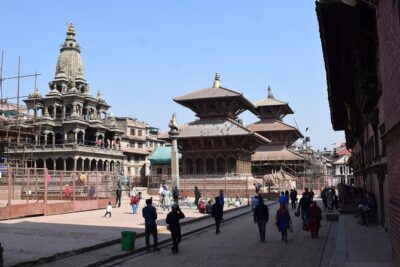
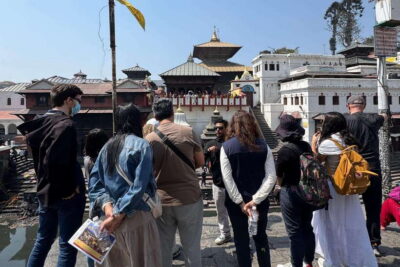
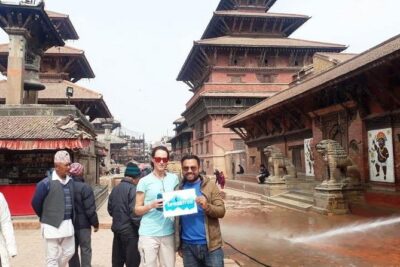
You’ll also get your first taste of Kathmandu’s vibe through stops in Thamel, plus visits to Swayambhunath and Boudhanath. If you want a quick culture hit, these are solid choices. Swayambhunath gives you that classic hilltop temple view, while Boudhanath offers a more meditative stupa setting. The itinerary also includes Garden of Dreams, a small palette-cleanser from traffic, dust, and pre-trek nerves.

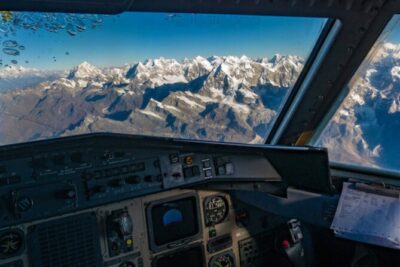
Then comes the part that makes this route feel real: the flight to Lukla. The package includes domestic airfare from Kathmandu to Lukla and back, including airport tax. That is a huge value piece. Without it, you end up spending time shopping flight options while also trying to line up trekking days around an airline schedule.

One more practical note. This tour is listed as requiring strong fitness, and it’s at altitudes where adverse health effects can happen. That warning is not there to scare you, it’s there so you take it seriously. If you’re the type who tends to push through discomfort, you’ll want to adjust your mindset early.

Lukla Flights: The Included Part, and the Part You Must Still Respect

Everest Base Camp Trek - Lukla Flights: The Included Part, and the Part You Must Still Respect
Lukla is famous for fast changes, and this trek is honest about it. The package specifically notes that you may need to consider Lukla flight delays and cancellation, and recommends having 1 to 2 extra days. That guidance is worth taking. Even when everything goes well, the day of a flight is where plans get fragile.

So how does this affect you? It changes what you should pack and how you should plan your travel around the trek. If your international flight is right after your trek ends, you’re gambling. If you have a buffer day, you can handle a missed flight, weather pause, or rerouting without losing your mind.

The good news is you’re not going in blind. You’re not told to figure it out on your own. A guide team supports arrival and departure. And if a flight delay happens, at least the plan acknowledges it, rather than pretending the mountain follows schedules like a train timetable.

Also, the trek is built around a classic altitude progression. You’re hiking with a licensed guide, and your route includes time in key towns for acclimatization rather than just climbing straight up.

You can also read our reviews of more hiking tours in Kathmandu

Phakding to Namche Bazaar: Your First Big Lesson in Acclimatization

Everest Base Camp Trek - Phakding to Namche Bazaar: Your First Big Lesson in Acclimatization
Once you start trekking, the early days focus on getting your legs used to the terrain while your body gets used to thinner air. You head to Phakding, then move toward Namche Bazaar. That stretch is where a lot of people either settle into the trek style or regret their packing choices.

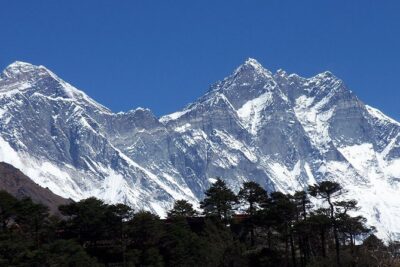
Namche Bazaar is the altitude turning point, and the schedule supports that. You get time in Namche, not just a pass-through. The itinerary includes a town stop in Namche and also an excursion to an Everest viewpoint. That combination is smart. It gives your lungs and legs a chance to adjust while still delivering big mountain payoff early enough to keep motivation high.

Here’s what you should do personally, because it is what actually makes acclimatization work. Walk slower than you think you need to. Drink enough so your urine stays light. Don’t treat the altitude like a surprise pop quiz. The trip’s pacing encourages this, but your behavior does the heavy lifting.

If you like having structure, you’ll probably appreciate the way the itinerary moves in a deliberate sequence. It is not random. It’s built around hitting elevation, then giving you time to adapt.

Everest View Point and the Namche Rest Day: Why This Stop Matters

Everest Base Camp Trek - Everest View Point and the Namche Rest Day: Why This Stop Matters
A rest day can sound optional, like a bonus if you feel good. On this trek, your rest day is a tool. The plan includes time to regroup in Namche Bazaar, plus a viewpoint visit with an admission listed as included. This is where the trek starts rewarding your effort.

The viewpoint piece is not just scenery for its own sake. It helps you connect your daily grind to a clear outcome, Everest-scale mountains and the feeling that you’re nearing the real zone.

This is also where your guide’s role becomes more than route planning. A licensed guide is there to keep you on track and also to help with the practical altitude realities. The team includes basic first-aid training, plus a first-aid kit. That doesn’t mean you ignore symptoms. It means you have someone who can respond early rather than late.

In feedback, people credit guides like Basu for keeping groups steady and organized. That kind of calm leadership matters on a route where delays or weather shifts can happen.

Tengboche to Dingboche: Temples, Peaks, and a Gradual Rise

Everest Base Camp Trek - Tengboche to Dingboche: Temples, Peaks, and a Gradual Rise
As the trek climbs, you move through high, meaningful stops like Tengboche. The plan includes Tengboche and a visit to Tengboche Gompa, with admission listed as included. If you like your mountain experiences to have a human and cultural spine, this is one of the best points. Tengboche is also where you often get dramatic views tied to the spiritual center of the region, and it gives you a break from the pure exertion rhythm.

After Tengboche, the route heads onward to Dingboche, where the walking time is listed as longer blocks on some days. That’s normal for Everest routes. You’ll want to treat each uphill like a savings account: small deposits, no sudden withdrawals.

Dingboche is also where you continue the acclimatization approach. The itinerary includes time in Dingboche and then a side area stop, with Chukhung included. That is useful. Side hikes at altitude are a common way to build adaptation while keeping a sense of progress.

And you’ll likely notice the environment changing in practical ways. The higher you go, the more your pace depends on weather, wind, and your own energy. Your guide helps you adjust, so you’re not grinding forward when conditions are telling you to slow.

Lobuche, Khumbu Glacier, Gorak Shep: When You Start Feeling the High Country

Everest Base Camp Trek - Lobuche, Khumbu Glacier, Gorak Shep: When You Start Feeling the High Country
From Dingboche, you head toward Lobuche and spend time in the high country where the terrain feels more exposed. The plan includes Lobuche, plus a stop associated with Khumbu Glacier, then onward to Gorak Shep.

This is the stretch that makes your trek feel like an Everest expedition, even though you’re still not at Base Camp yet. The ground starts to look more severe, and you’ll spend more energy on each step. If you’re carrying too much weight, this is where you’ll feel it fast.

The trek is also very clear about packing light. You’re expected to carry your own luggage, and it recommends keeping weight under 22 lbs (10 kg). That matters. On a mountain trek, weight is not just comfort, it becomes fatigue. The package does allow you to leave extra luggage at the office or hotel and pick it up on return, which is helpful if you’re packing like you’re going on vacation.

Also, note the guide team includes practical support. There’s a first-aid kit, and leaders are aware of nearby medical facilities. That kind of readiness is part of what makes a guided trek worth the money.

Here's some more things to do in Kathmandu

Kala Patthar and Everest Base Camp: The Moment Your Effort Becomes a View

Everest Base Camp Trek - Kala Patthar and Everest Base Camp: The Moment Your Effort Becomes a View
The climax is built around the classic high point and the Everest Base Camp day. Kala Pattar is included, with a stop listed for that highlight, and Everest Base Camp is part of the experience as well, with time at Mount Everest listed and the trek passing through places like Gorak Shep ahead of it.

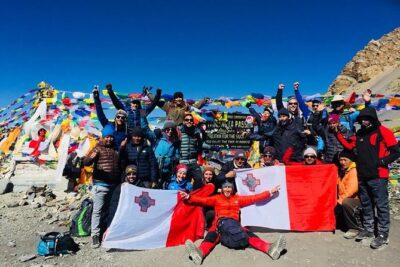
Kala Pattar is the high drama viewpoint. It’s where you usually feel like you climbed for real. Even if you’ve been imagining Everest in photos, standing in that zone changes the scale in your head. It is also a moment where weather matters a lot. Clear skies make it unforgettable. Low visibility turns it into a test of patience and flexibility. This is another reason the trek warns you about extreme variations in weather.

Then comes the other emotional target: Everest Base Camp. The route is designed to get you there with a guide who keeps you moving safely and on track.

If you’ve never done altitude travel, here’s the honest part. Your lungs and body set the pace. The guide cannot replace oxygen. But the trek structure, with acclimatization stops like Namche and Dingboche, gives you the best chance to enjoy the day rather than just survive it.

The Return Down: Namche to Lukla, and Why Your Descent Still Counts

Everest Base Camp Trek - The Return Down: Namche to Lukla, and Why Your Descent Still Counts
Going down is not automatically easy. After your Everest zone days, the plan includes returning toward Pangboche, then back to Namche Bazaar, and later to Lukla, and finally down to Kathmandu.

On paper it looks simple, but it’s still a lot of hours, and your legs still work. Your knees and feet may protest, especially after cold nights and long days. This is also when you will be glad the route is guided and organized. It keeps the pacing consistent and helps you avoid over-trusting how you feel in the morning.

Lukla is the last big logistical hinge. Once you’re back, you fly to Kathmandu, where you’ll have the final hotel stay. The package includes hotel nights in Kathmandu before and after the trek, and that makes recovery more realistic than trying to sleep on a couch or in a transit room.

In the end, you get time to return to Kathmandu in a way that feels like closure, not just a drop-off and run.

Tea House Nights: What Included Lodging Really Means for Your Daily Comfort

Everest Base Camp Trek - Tea House Nights: What Included Lodging Really Means for Your Daily Comfort
The tour includes accommodation in tea houses during the trek. You’ll also see that the package says 10 nights in the overview, while the included list states 11 Night Accommodation. Either way, this is not a hotel trek. Plan on simple rooms, shared facilities, and a daily routine centered on warmth when it’s available and rest when it’s needed.

Tea houses are part of the value here. They turn a massive wilderness route into something you can budget and manage. But you should still expect basics, not luxury. Your comfort depends on altitude, temperature, and what is available at that elevation that season.

Food is mostly not included. Dinner is included, but meals and drinks unless specified are listed as $350 per person. That is normal for trekking packages, but you should treat it as a real line item in your budget, not an afterthought.

The itinerary length is also a clue about daily effort. Several stops list long blocks of walking time, sometimes 12 hours. That means you will feel the difference between a well-paced day and a day where you rush. You’ll want your guide to set that pace, and you’ll want to follow it.

Your Guide and Support Team: Safety, Pace, and Those Small Things That Matter

This trek includes a government license holder trekking guide with full facilities, and all government taxes and VAT are included. It also includes a first-aid kit and the team is trained in basic first aid. That may sound like legal checklist language, but on the mountain it can make a practical difference, especially early in the trek when you are trying to figure out symptoms versus normal strain.

In the feedback I saw, the service quality shows up in names. People highlighted Bishnu for being on top of details and trying to make things turn out perfect. They also praised guide Basu for being amazing, always handling the situation with organization and steadiness.

That matters because an Everest trek is not only about the highest point. It’s about decision-making: when to slow, how to manage weather shifts, how to help the group stay together, and how to keep you on track.

Also, the trip provides a Himalayas Recreation t-shirt and includes a couple of breakfasts in Kathmandu. Those small inclusions help early mornings feel less chaotic.

Price and Value: What $999 Covers, and What You Still Need to Budget

Let’s talk money in a plain way. The price is $999 per person for about 14 days. For Everest Base Camp, airfare and guiding are the two biggest cost drivers, and this package includes domestic flights to Lukla and back, plus a licensed guide, plus Kathmandu hotel nights and tea house accommodation.

That makes $999 feel less like a bargain and more like a complete foundation. You still pay for food and drinks, and gratuities are listed separately. Specifically:

  • Food and drinks unless specified: $350 per person
  • Gratuities: $150 per person

So if you’re budgeting realistically, you should think beyond the base price. You also need travel insurance that covers medical expenses and emergency repatriation, and you must show proof on the first day. That’s not optional. If you skip it, you might be stopped from participating.

Even with the added costs, this package can still be good value if you want the guidance and logistics handled. The maximum group size is also set, up to 8 people per booking, which usually helps keep the trek experience more manageable than huge groups.

Who Should Choose This Everest Base Camp Trek Package

This trek is a great fit if you want:

  • A guided route with acclimatization built in
  • Tea house lodging included, so you do not need to hunt down rooms every day
  • Kathmandu support and hotel nights, not just a random start
  • A group size that stays small, up to 8

It may not be a fit if:

  • You hate altitude travel and want a low-elevation experience
  • You cannot be flexible about weather and flight timing
  • You prefer more meals and drinks included, because most of your daily fueling is extra

Minimum age is 8, but the bigger filter is fitness. The trip says you should have a strong physical fitness level, and it warns that altitude effects can happen regardless of age or gender.

Quick Booking Readiness, Packing Tips, and Important Paperwork

To join, you need to provide permit documents. The list includes:

  • Passport photo copy, clear with color scan, and passport validity minimum 6 months
  • Two passport size photos
  • Occupation and home details address

You’ll also need to send your Nepal arrival details so the team can pick you up from the airport. Packing should be light. Keep your own luggage under 22 lbs (10 kg), and use the option to store extra items before you return.

One small practical bonus is that pickup and departure assistance are included by private car with the guide team. That’s not glamorous, but it reduces stress at the exact time you’re most likely to forget something.

Also, this experience is listed with free cancellation up to 24 hours in advance of the start time for a full refund. Since mountain plans change, that’s a nice cushion. Just remember if you cancel inside 24 hours, you do not get a refund.

Should You Book This 14-Day Everest Base Camp Trek?

I’d book this if you want a structured Everest Base Camp experience that handles the big logistics: guide, domestic Lukla flights, Kathmandu hotels, and tea house nights. The value is strongest when you care about having a real plan and you’re willing to budget for food and tips.

I would hesitate if you have no flexibility for flight disruptions, or if altitude health risk feels too high for your comfort. If you do book, plan for extra time to protect your schedule, carry the lightest pack you can manage, and treat acclimatization stops like Namche and Dingboche as part of the main event, not a pause.

If you want your Everest story to feel organized and safer, this package is set up to do that.

FAQ

How long is the Everest Base Camp trek on this tour?

The duration is listed as 14 days, approximately.

Where does the tour start and what is the meeting point?

The start meeting point is Tribhuvan Airport, Kathmandu, Nepal.

Are the flights to Lukla included?

Yes. Domestic airfare for Kathmandu to Lukla and back, including airport tax, is included.

What lodging is included during the trek?

Accommodation in tea houses during your trek is included, and the package lists about 10 to 11 trekking nights. Three nights in a 3-star Kathmandu hotel are also included.

Is a guide included?

Yes. A government license holder trekking guide is included, with full facilities.

Are meals included?

Dinner is included, but food and drinks are listed as not included unless specified, with an estimated additional $350.00 per person.

What extra costs should I plan for besides the $999 price?

The data lists gratuities of $150.00 per person. Food and drinks are listed as an additional $350.00 per person unless specified otherwise.

Do I need travel insurance?

Yes. Travel insurance that covers medical expenses, including emergency repatriation, is required, and proof must be shown to the tour leader on the first day.

What paperwork do I need for Nepal permits?

You need a passport photo copy with clear color scan, passport validity of at least 6 months, two passport size photos, and your occupation and home details address.

What fitness level and altitude should I be prepared for?

The tour says you should have strong physical fitness. It also notes demanding altitude around 5,364 meters (17,598 ft) and recommends discussing the trip with your doctor.

More Hiking & Trekking Tours in Kathmandu