Spiritual Nepal: Expert insight into Multifaith Journey

REVIEW · KATHMANDU SPIRITUAL & MONASTERY TOURS

Spiritual Nepal: Expert insight into Multifaith Journey

4.7 · 24 reviews 4 hours From $150 Operated by Intrepid Urban Adventures - Asia · Bookable on GetYourGuide
Book on GetYourGuide →

Two temples, one intensely human day. This half-day route ties Buddhist ritual at Boudhanath Stupa to Hindu devotion and the Bagmati River ceremonies at Pashupatinath Temple. It is a multifaith day that makes religion feel less like an idea and more like everyday life.

I especially like the chance to join locals at prayer wheels and walk the Kora at Boudhanath. I also like the small group setup, which makes it easier to ask your guide the basic questions you actually have, not just watch from the edge. Guides such as Rozit, Bini, Subash, and Bidhya have been praised for clarity and responsiveness, which matters when you are suddenly in two very different sacred worlds.

One caution: the tour is tightly timed, and traffic can make it feel a bit rushy. You will get a lot in four hours, so if you want deep time at one spot, you may need to speak up early and decide what matters most to you.

Key highlights that make this tour worth your time

Spiritual Nepal: Expert insight into Multifaith Journey - Key highlights that make this tour worth your time

  • Boudhanath Stupa Kora with locals, plus time to take in the scale of the white dome
  • Prayer-wheel rotation as an actual group ritual, not just a photo stop
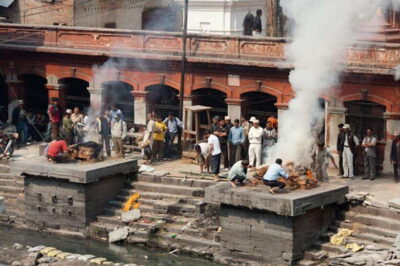
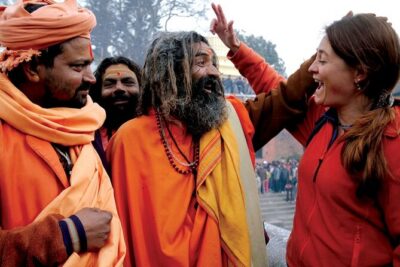
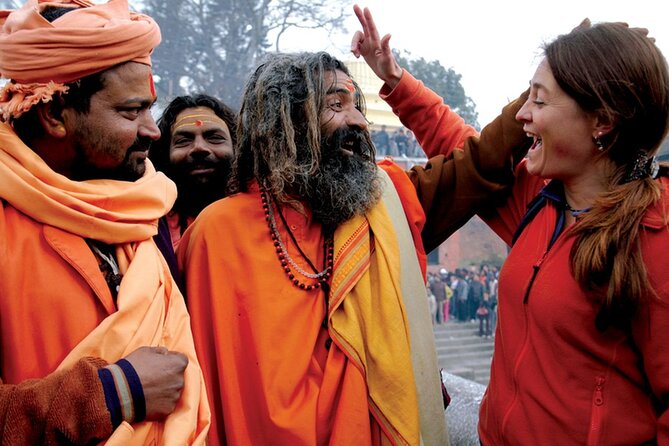
  • Sadhu glimpses and river ceremonies at Pashupatinath, including cremations along the Bagmati
  • Arati light offering you can watch live at the temple
  • Optional extras like a local palm reading or offerings, with your guide helping you handle them respectfully
  • Personal attention in a small group (up to 12 people) with an English-speaking Nepali guide

Boudhanath Stupa Kora and prayer wheels in real Kathmandu rhythm

Spiritual Nepal: Expert insight into Multifaith Journey - Boudhanath Stupa Kora and prayer wheels in real Kathmandu rhythm
Start point is Hotel Marshyangdi, then you head straight to Boudha. Boudhanath Stupa is the big one in Nepal for Buddhists, and it shows you scale fast. You are not just looking at a monument. You are stepping into a place where people move with purpose, hour after hour.

I like that the tour gets you doing the ritual. You rotate prayer wheels alongside local Buddhists, then join the Kora, the walk around the stupa. Even if you are not Buddhist, this is one of the best ways to understand the mood. Your body is moving, your eyes keep catching the same details, and the whole place feels like it is working in layers, not like a single big event.

You also get time to stand back and notice what most first-time visitors miss. The dome is covered in a way that rewards slow looking, and the crowd has an odd calm to it. People pause to pray, people pass through with offerings, and the prayer wheels keep turning. That repetition is the point. It is a living ritual space, not a stage set.

Practical tip: when you rotate wheels, keep your pace steady and follow your guide’s cue. Crowds can shift without warning, so staying close matters. If you want photos, plan for them during slower moments rather than while people are actively moving through the Kora.

You can also read our reviews of more tours and experiences in Kathmandu.

Pashupatinath: Sadhus, cremations by the Bagmati, and the Arati lights

Spiritual Nepal: Expert insight into Multifaith Journey - Pashupatinath: Sadhus, cremations by the Bagmati, and the Arati lights
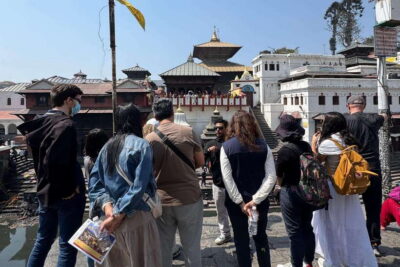
After Boudha, you either walk for about 15 minutes or take a short drive to Pashupatinath Temple. This transfer helps you feel the shift between Buddhist ritual space and the Hindu pilgrimage intensity here.

Pashupatinath is Nepal’s largest Hindu pilgrimage site, and it can hit you emotionally. The tour includes glimpses of the lives of sadhus, and it also gives you the chance to watch cremations along the banks of the Bagmati River. That river-front part is serious. It is not a spectacle you can treat lightly, so come with a calm mindset and be ready to follow your guide’s direction.

Then comes Arati, the divine light offering. You watch locals perform the ritual with lights, and you can see how devotion works in real time. People are not just observing. They are participating in a moment that feels both intimate and communal.

A smart expectation to set: this stop is not about learning every detail of Hinduism in four hours. It is about seeing how faith plays out in daily life, from sadhus to families to ritual specialists. If you are the type who likes context, ask your guide what each piece means as you go, not after the fact.

Also, keep your expectations realistic about visuals. Cremation and Arati happen on human schedules and sacred routines, not tourist schedules. You might see things from specific viewing areas, and those areas can change depending on crowd flow.

Optional offerings and palm readings, plus what they cost

Spiritual Nepal: Expert insight into Multifaith Journey - Optional offerings and palm readings, plus what they cost
This tour leaves room for cultural interaction, but it does not push you into spending. Offering alms, offering to sadhus or monks, and doing a palm reading are optional. Food and drinks are also not included, so you should budget for the day as a mix of sights plus a few choices.

Here is what is specifically called out:

  • Palm reading at a local reader, varies from about $7.50 to $9 per person
  • Offering related to sadhu interaction, around $7.50 (with your guide assisting if you choose this)
  • Butter lamps option at Boudhanath (if you choose it, it is framed as supporting local communities and readers, and helping sustain the sadhu lives)

Your guide can help with negotiating and making sure you handle the interaction respectfully. That is important because these are not generic vendors. They are tied to livelihoods and religious roles, and the tour is clear that optional payments help support the people involved.

What I like about including these options is that they are not random. They are part of what you are seeing. But what you should do is decide your comfort level before you get swept into the moment.

If you want to keep costs down: skip the optional palm reading and offerings. You can still enjoy Boudhanath, the prayer wheels, the Kora, and the Pashupatinath rituals.

If you do plan to participate: go in with a respectful attitude, and remember your guide is there to help you navigate both language and norms.

Dress code and crowd navigation at sacred sites

Spiritual Nepal: Expert insight into Multifaith Journey - Dress code and crowd navigation at sacred sites
Conservative dress is strongly recommended throughout Asia, and it is especially relevant at religious sites in Kathmandu. For this tour, you should plan to cover shoulders and knees. Men often need long trousers, and women often need a long skirt or sarong.

If you show up in shorts and a tank top, you will likely feel uncomfortable fast, and you might waste time sorting out clothing on the spot. Better to bring a light layer that meets the requirements.

Crowds are another reality. Both sites draw constant foot traffic, and Pashupatinath in particular can get very busy. The tour makes a point of staying near your guide and group so you can navigate without getting separated.

A useful mindset: treat navigation as part of the ritual experience. When you keep close to your guide, you get better timing for Arati and better odds of seeing what you came for. If you drift off to look at every little side view, the schedule compresses and you lose the thread.

Finally, plan for the emotional side. Cremations can be difficult for some people. If you know you are sensitive to that kind of moment, you may want to prepare yourself mentally before the river-front viewing.

Small group of 12, English guide, and why it changes the whole feel

Spiritual Nepal: Expert insight into Multifaith Journey - Small group of 12, English guide, and why it changes the whole feel
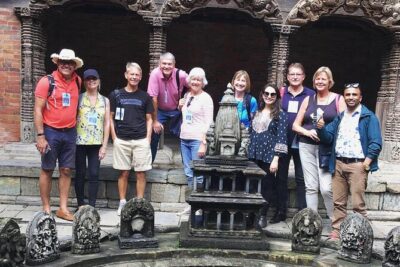
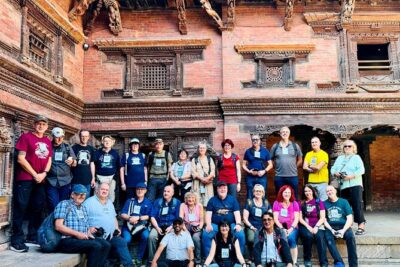
This is a private group, sized for real interaction, around 12 people. That does a lot of good in two ways.

First, it helps with pacing. You are not being herded like a number in a big crowd. You can ask questions without feeling like you are slowing everyone down. Second, it helps at both sites where the meanings are different. Buddhism and Hinduism each have their own rules, symbols, and expectations, and having a guide who can answer plainly makes a big difference.

English-speaking Nepali guides have been praised for being helpful and giving solid context. People have also mentioned how flexible guides can be when traffic affects timing. That flexibility matters because Kathmandu traffic can change the feel of any schedule quickly.

A smart move for you: bring your top 3 questions to the first stop. Things like:

  • What should I notice during the Kora?
  • What is the role of sadhus here?
  • What am I seeing during Arati?

When you ask those early, the rest of the day clicks into place.

Also, the tour includes transportation from the meeting point to Boudha and from Pashupatinath back to the endpoint. That reduces stress so you can stay present.

Here's some more things to do in Kathmandu

Price and time: getting value from $150 for four hours

Spiritual Nepal: Expert insight into Multifaith Journey - Price and time: getting value from $150 for four hours
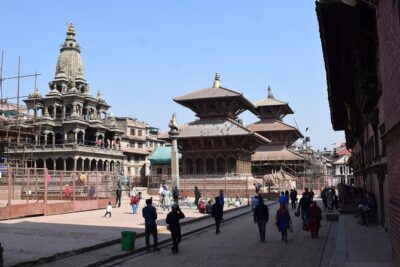
The price is $150 per person for a 4-hour experience in Kathmandu. On paper, it is short. In reality, you are packing in two major UNESCO Heritage sights, plus ritual moments that are not fast photo stops.

Value comes from three things you cannot always get on your own:

  • Entrance fees included for Boudhanath and Pashupatinath
  • A guide who can explain what you are seeing as you see it
  • Transportation between the major areas, so you spend time on the sights instead of transit stress

You should also factor in what is not included. Food and drinks are not included, and optional offerings and palm reading fees are extra. If you want to do everything, your total day spend will rise. If you only want the main sights plus respectful observation, you can keep it lean.

Timing is the only potential downside. Four hours means you will not linger for long at every corner. One concern that can crop up is traffic, which can make the day feel more rushed. When that happens, your best protection is simple: prioritize one or two things you want most, then let your guide know during the first portion.

One more practical detail: the approximate walking distance is about 2 km, and there is also a possible 15-minute walk between stops. You do not need hiking shoes, but you should wear comfortable footwear and be ready for uneven, crowded walking.

If you are squeezing Kathmandu into a tight schedule, this tour is built for that.

Who should book this Spiritual Nepal multifaith journey?

Spiritual Nepal: Expert insight into Multifaith Journey - Who should book this Spiritual Nepal multifaith journey?
Book it if you want a guided day that connects Buddhist and Hindu practice in Kathmandu. You do not have to be very religious to get value. A few of the strongest parts of this experience are the everyday rituals: prayer wheels, Kora walking, Arati lights, and seeing how sadhus fit into the sacred ecosystem.

It is also a good fit if you like asking questions. Small-group size and an English-speaking guide make it easier to get real answers.

Skip it or consider whether you are ready if you dislike emotional religious experiences, since cremations are part of what you may witness. Also consider skipping optional interactions if you prefer not to engage with on-site palm readers or offerings.

Should you book this tour?

Spiritual Nepal: Expert insight into Multifaith Journey - Should you book this tour?
If your goal is two UNESCO Heritage sights with real ritual context, this tour is a strong choice. The combination of Boudhanath prayer-wheel practice, Pashupatinath Arati, sadhu glimpses, and the Bagmati ceremonies is exactly the kind of guided, time-efficient cultural experience you typically cannot recreate as smoothly on your own.

Book it if you want structure, guidance, and a small group feel. Consider another approach if you are hoping for lots of unhurried free time, because four hours can feel tight, especially with traffic.

FAQ

Spiritual Nepal: Expert insight into Multifaith Journey - FAQ

How long is the Spiritual Nepal multifaith tour?

It lasts 4 hours total.

What sites are included?

You visit Boudhanath Stupa and Pashupatinath Temple, both UNESCO Heritage sights.

Is food included in the price?

No. Food and drinks are not included.

How much does the tour cost?

The price is $150 per person.

How big is the group?

It is a small group private tour, described as for just 12 people, with personalized attention.

What should I wear?

Dress should be modest. Plan to cover shoulders and knees. Men often need long trousers, and women a long skirt or sarong for religious sites.

Is cancellation refundable?

Yes. You can cancel up to 24 hours in advance for a full refund.