Sacred Pashupatinath: Aarati,Cremation Rites & Boudha Stupa

REVIEW · KATHMANDU SACRED SITES TOURS

Sacred Pashupatinath: Aarati,Cremation Rites & Boudha Stupa

5.0 · 18 reviews 2 - 5 hours From $11 Operated by Enticing Himalayas Travels Private Limited · Bookable on GetYourGuide
Book on GetYourGuide →

One visit to Kathmandu, and you feel religion in your bones. This tour strings together Boudhanath Stupa and Pashupatinath Temple in a focused, low-stress half day, with a local guide helping you understand what you are seeing. I especially loved the sacred kora around Boudhanath and the chance to witness Hindu cremation rites at Pashupatinath with explanations that keep you grounded. The main drawback is that the cremation part is emotionally intense, and it may feel like a lot for anyone who prefers a softer sightseeing pace.

You also get real structure, not just a taxi ride between landmarks. There is guided time at Boudhanath, temple complex time at Pashupatinath, break time, and a planned return to Thamel, which makes it easy to fit into your Kathmandu schedule without burning a whole day. That said, you should plan to handle your own transportation if pickup is not included for your option, and you will need to budget for separate site entry fees.

Key Highlights You Should Know

Sacred Pashupatinath: Aarati,Cremation Rites & Boudha Stupa - Key Highlights You Should Know

  • Sacred kora at Boudhanath so you walk the spiritual loop, not just stand and take photos
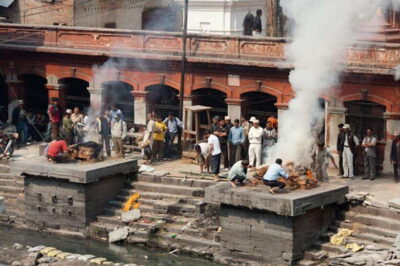
  • Cremation rites at Pashupatinath explained in a respectful way, right along the Bagmati River ghats
  • Aarati ceremony experience at Pashupatinath, with chants and ceremonial rhythms as evening approaches
  • Local market time near Boudhanath plus a chance to browse arts and crafts around the temple area
  • Skip-the-ticket-line setup so you spend more time at the sites and less time waiting

Why Boudhanath and Pashupatinath Belong Together

Sacred Pashupatinath: Aarati,Cremation Rites & Boudha Stupa - Why Boudhanath and Pashupatinath Belong Together
Boudhanath and Pashupatinath look like they belong to different worlds, but they actually show the Kathmandu Valley’s biggest lesson: faith lives side by side. At Boudhanath you are surrounded by Tibetan Buddhist energy, prayer wheels, and a walking ritual. At Pashupatinath you see Hindu devotion and life transitions made visible in open air.

I like that the tour connects these sites in one storyline. Instead of bouncing between random stops, you move from calmer, symbolic spirituality to a heavier, real-life ritual setting. That contrast is exactly why this works so well for a first Kathmandu visit.

You should also appreciate the emotional honesty here. The cremations are not a museum scene. They are a public expression of belief and community practice, which means your experience will be intense, even when your guide keeps things respectful and explained.

You can also read our reviews of more tours and experiences in Kathmandu.

Getting There: Pickup, Meeting Point, and How the Timing Feels

Sacred Pashupatinath: Aarati,Cremation Rites & Boudha Stupa - Getting There: Pickup, Meeting Point, and How the Timing Feels
Most people start with hotel pickup optional, and some departures coordinate it so you do not fight Kathmandu traffic right after a long travel day. If pickup is not included for your option, you will need to make your own way to the meeting point.

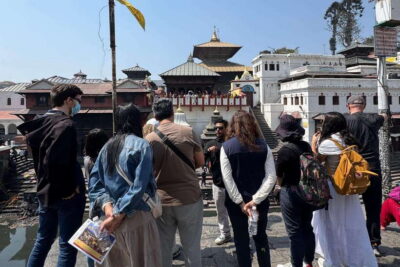
Plan to meet your guide at the ticket counter at Pashupatinath Temple. From there, you will be taken for temple viewing and the Aarati ceremony. The tour also includes a return drop-off back to Thamel after the visits, which is convenient because Thamel is where most visitors base themselves.

Duration is listed as 2 to 5 hours, so it can feel flexible in real life. Expect a short walking rhythm with photo stops, break time, and guided portions at each main site. That pacing is ideal if you want something meaningful without a full day commitment.

Boudhanath Stupa: The Kora, Prayer Wheels, and Peace You Can Actually Feel

Sacred Pashupatinath: Aarati,Cremation Rites & Boudha Stupa - Boudhanath Stupa: The Kora, Prayer Wheels, and Peace You Can Actually Feel
Boudhanath Stupa is one of the biggest Buddhist stupas you will see in the region, and it dominates the area with its white dome and golden details. Your guide will help you orient yourself quickly, then you can focus on the spiritual flow around you.

What I like most about this stop is the kora. This is the sacred circumambulation, a walking loop that pilgrims do as a form of devotion. Instead of treating it like a photo backdrop, you get to participate in the rhythm of the place.

While you are there, you will likely notice:

  • prayer wheels and monastery courtyards in the surrounding complex
  • small shops selling religious and cultural items nearby
  • people taking a quiet moment, then moving on as their day continues

You might also find a guide pointing out symbols and explaining what they mean, so your time at the stupa feels less like guesswork. One helpful detail from the experience notes is that your guide is there to connect the visuals to the practice, including the daily rhythm pilgrims follow.

If you are sensitive to crowds, come ready for busy moments. Boudhanath draws visitors and locals, and the kora is where that energy concentrates. Still, even with crowds, the space tends to slow people down.

Pashupatinath Temple Complex: Sacred Space, Strong Boundaries

Sacred Pashupatinath: Aarati,Cremation Rites & Boudha Stupa - Pashupatinath Temple Complex: Sacred Space, Strong Boundaries
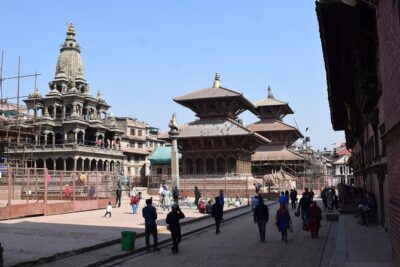
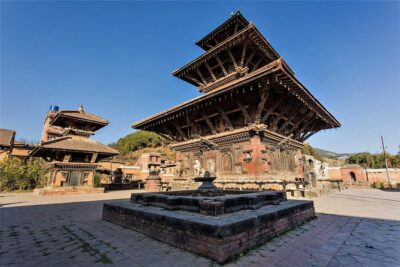
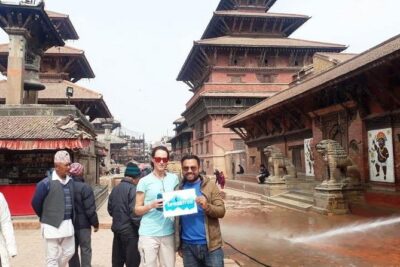
Pashupatinath is Nepal’s holiest Hindu shrine and one of the most important Shiva temples in the world. It sits on the banks of the Bagmati River, and the temple complex is a living place, not a staged set.

Your guide will focus on the outer complex, and there is an important boundary to know: non-Hindus are not permitted inside the main sanctum. That shapes how you experience the site. You will still see a lot, including the architecture, shrines, and statues, but you will not be able to enter the inner area.

Expect the visit to include:

  • guided sightseeing time in the temple grounds
  • a photo stop and brief free time
  • shopping and arts-and-crafts browsing in the surrounding area

That combination matters. Many Kathmandu temple tours skip the practical browsing part and you end up frustrated by missed chances to buy small gifts or just look at local craft. Here, you get a scheduled window for that, without it swallowing the entire tour.

One more reason this stop is so compelling is atmosphere. As the day moves toward evening, the temple area becomes louder and more ritual-focused, which sets you up for what comes next at the ghats and during the Aarati.

Cremation Rites on the Bagmati River: What You’ll See and How to Handle It

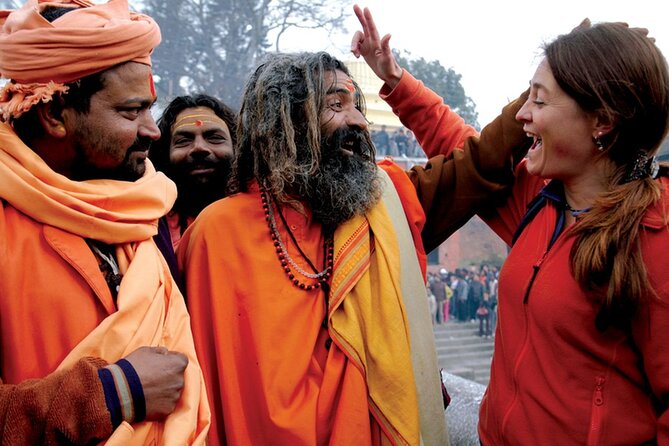
This is the heart of why people book the experience. You will witness Hindu cremation ceremonies along the river’s ghats, guided so you understand the symbolic logic behind the fire, the ritual order, and the role of the river.

I want to be straight with you: this part can feel hard. Even with explanations, you are seeing a real life-death process. It is not meant to be sensational. It is meant to be sacred, and it happens in public view.

Here is how to prepare yourself practically:

  • Expect an intense scene, and plan to take your time watching, not just rushing through
  • Bring a calm attitude, and let your guide guide your viewing position
  • If you know you are sensitive to respiratory conditions, this is listed as not suitable, so take that warning seriously

One positive detail from the experience notes is that you can often watch for respect while still understanding what each step means. Guides like Razz and Pranav are highlighted for explaining steps clearly, and that can make the experience feel less chaotic and more understandable.

Also, do not confuse this with a horror movie moment. In Hindu belief, the rite is about transition and liberation, and you will often see devotion and focus around you. Still, if you are the type who struggles with death scenes, you should think hard before booking.

Here's some more things to do in Kathmandu

Aarati Ceremony at Pashupatinath: Light, Sound, and a Place to Stand

The tour includes the Aarati as part of the Pashupatinath experience. If you want one moment where the site feels alive, this is it.

You will likely notice:

  • spiritual chants and bells
  • conch shells or ceremonial sound cues
  • a shift in the energy as evening approaches

The timing is flexible depending on when ceremonies are happening, but the general feeling described is that the temple comes alive as the sun begins to lower. Your guide can help you locate a good viewing spot so you are not stuck in the wrong place for the ceremony.

In the notes from guides and guest experiences, Razz and Pranav are specifically mentioned for helping people find a nice place to see and for walking through each step. That kind of guidance makes a difference. Aarati looks simple, but it has rhythm and meaning, and having someone explain it helps you watch with comprehension.

If you are worried about feeling overwhelmed, this is also where your guide’s pacing helps. You do not just stand there. You get orientation, then you watch.

The Local Life Bonus: Markets Near Boudha and Arts Crafts Near Pashupatinath

Sacred Pashupatinath: Aarati,Cremation Rites & Boudha Stupa - The Local Life Bonus: Markets Near Boudha and Arts Crafts Near Pashupatinath
This tour gives you more than monuments. There is a break and market time near Boudhanath, plus shopping and arts-and-crafts time around Pashupatinath.

Why this matters: the Kathmandu holy sites are surrounded by everyday commerce and community routine. Walking a nearby market lets you see how pilgrims, locals, and shopkeepers share the same space. It also gives you time to pick up practical souvenirs that actually connect to the area, like prayer-related items and small crafts.

From the experience details, you should expect:

  • a break time at Boudhanath
  • exploration of shops in the Boudha area
  • arts-and-crafts market time during the Pashupatinath portion

One practical tip from the experience notes: people may try to sell you items. If you are not buying, a polite but firm no usually works, and the interaction typically stays respectful if you keep your tone calm.

You will also want to factor in personal shopping costs, since they are not included. Plan a small budget and avoid the temptation to overspend in one emotional moment at the sites.

Price and Value: How the Entry Fees Change the Real Total

Sacred Pashupatinath: Aarati,Cremation Rites & Boudha Stupa - Price and Value: How the Entry Fees Change the Real Total
The tour price is listed at $11 per person, which is a strong starting point for two major sacred sites with guided time. But do the math before you go, because entry fees are separate.

You should budget for:

  • NRs 400 for Boudha Stupa
  • NRs 1000 for Pashupati Temple

Entry fees can take your actual total meaningfully higher than the headline price, but the overall value is still good if you care about understanding what you see. This tour is not just a driver and a map. You are paying for a guide, for explanations during the key ritual moments, and for organized time in places where wandering alone would be confusing.

To judge value in your own terms, ask yourself this: do you want to watch cremations and Aarati with context, or do you want to save money and figure it out on your own? If you want context, this price category is reasonable.

Also check your option for pickup. If pickup is not included, you are responsible for transportation. That can change your real cost in tuk-tuk or ride-hailing fees, especially if you are starting outside Thamel.

What to Bring and What to Skip

Sacred Pashupatinath: Aarati,Cremation Rites & Boudha Stupa - What to Bring and What to Skip
This is a straightforward tour, but there are a few hard rules that matter.

Bring:

  • a passport or ID card (a copy is accepted)

Do not bring:

  • luggage or large bags
  • drones
  • alcohol or drugs
  • nudity

Not suitable for:

  • children under 12 years
  • people with respiratory issues

My practical advice is to travel light. If you show up with a heavy bag, you are more likely to feel stressed at checkpoints and crowded viewing areas. A compact day bag is the safer move.

As for clothing, the data does not specify a dress code, but you are entering active sacred spaces. Comfortable shoes and modest, non-distracting clothing will help you blend in and focus on the experience instead of adjusting your outfit constantly.

Choosing the Right Guide: Names People Trust

Your guide shapes how meaningful this tour feels, especially at the cremation rites and Aarati moments. The experience notes highlight several guides by name, and a few traits come up again and again.

  • Razz is praised for explaining well and helping guests have a good view during Aarati
  • Pranav is noted for making the temple tour and Aarati feel memorable through step-by-step explanations
  • Karma is described as friendly and ready to answer questions during the rituals and temple viewing
  • Sudhir is mentioned as professional and great at building a spiritual, information-filled experience
  • Anish is remembered for respectful guidance at both Boudhanath and Pashupatinath

You might also encounter extra moments depending on your guide’s approach, like a mini singing bowl meditation or a massage, mentioned in one guest experience. I would treat that as optional and not guaranteed, but it is a nice reminder that some guides add reflective pauses for people who need a softer landing between the sites.

So, Should You Book This Sacred Day Tour?

I think you should book this if you want a Kathmandu day that feels meaningful fast, not just a checklist of temples. The pairing makes sense, the guidance helps you read the symbols, and the Aarati plus cremation rites are exactly the kind of experience that changes how you see the city.

Skip it or be extra cautious if:

  • you are not comfortable with death rituals in close proximity
  • you have respiratory issues (the tour explicitly says it is not suitable)
  • you want a purely scenic or lighthearted day

If you do book, go in with the right expectations. This tour is spiritual, but it is also real. Pack light, bring your ID, and let the guide pace you. With that mindset, you will come away with a Kathmandu experience that feels grounded, not touristy.

FAQ

Where is the meeting point for this tour?

Your guide meets you at the ticket counter of Pashupatinath Temple, then takes you for the temple tour and the Aarati.

How long does the tour take?

The duration is listed as 2 to 5 hours, depending on the selected starting time and how the visit runs.

Is hotel pickup included?

Hotel pickup is optional depending on the selected option. If pickup is not included, you will need to handle your own transportation.

Are entry fees included?

No. Entry fees are not included for both sites: NRs 1000 at Pashupati Temple and NRs 400 at Boudha Stupa.

Will I be able to go inside the main sanctum at Pashupatinath?

Non-Hindus are not permitted inside the main sanctum. The tour includes the outer temple complex.

What rituals will I see during the visit?

You will witness Hindu cremation rituals at Pashupatinath with a guide, and you will also attend the Aarati ceremony.

Can I take photos during the tour?

The plan includes photo stops at both Boudha Stupa and Pashupatinath Temple.

What language is the guide available in?

The live guide is available in English, Chinese, Hindi, and Russian.

What should I bring and what should I avoid?

Bring a passport or ID card (a copy is accepted). Avoid luggage or large bags, and do not bring drones, alcohol, drugs, or anything related to nudity.

Is the tour suitable for children?

The tour is not suitable for children under 12 years.