REVIEW · BHAKTAPUR DAY TOURS FROM KATHMANDU

Patan and Bhaktapur City Full Day Tour

5.0 · 24 reviews 6 hours From $50 Operated by Himalayan Travel Consultant · Bookable on GetYourGuide
Book on GetYourGuide →

A Kathmandu Valley day with temples and squares that actually tell stories. I especially loved the Patan palace complex and the Golden Temple, because they show how Newari art was made to impress royalty and still works today. One thing to note, the monument entrance fees are not included, so you will want a bit of cash aside before you start paying for details up close.

What makes this tour feel worth it is the tight pairing of two UNESCO sites that have different personalities. Bhaktapur leans medieval and ceremonial, while Patan feels like an older craft center where metalwork and woodwork show up everywhere you look.

You are moving at a steady walking pace, with time for photos and questions, but it is still a half-day in each city. If you prefer a super slow museum day, you might want to plan your expectations around stairs, courtyards, and busy squares.

Key Things to Know Before You Go

Patan and Bhaktapur City Full Day Tour - Key Things to Know Before You Go

  • Two UNESCO Durbar Squares in one day: Patan and Bhaktapur are both World Heritage, so you get major payoff without extra planning.
  • Golden Temple (Hiranyavarna Mahabihar): a monastery famous for Newari metalwork, and it is one of the best “stop and stare” places in Patan.
  • Royal palace courtyards in Patan: Sundarichok, Mulchok, and Keshavnarayan Chok each connect to a different part of palace life.
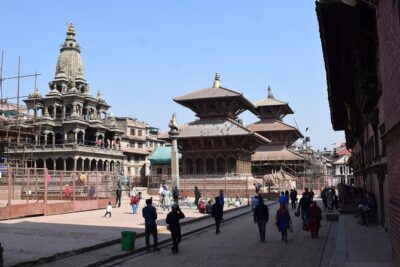
  • Nyatpole Temple at Taumadhi Square: the tallest temple in town, so it anchors the skyline and helps you orient fast.
  • Guides with real city pride: English and Spanish guides like Siri and Rajendra were praised for clear explanations and flexible pacing.

Patan and Bhaktapur, Two UNESCO Cities With Different Moods

Patan and Bhaktapur City Full Day Tour - Patan and Bhaktapur, Two UNESCO Cities With Different Moods
Patan and Bhaktapur sit inside the Kathmandu Valley like two neighboring chapters of the same book. Patan, also known as Lalitpur, was once a kingdom on its own, and it still shows in the way the streets and monuments cluster around courtyards, bahals, and temples. Bhaktapur feels more medieval and ceremonial, which is why its Durbar Square is so dramatic in your first few minutes.

If you like architecture that looks like it was built for a purpose, not just for postcards, this pairing works. Patan often explains “how art was used,” while Bhaktapur leans into “how power and religion shaped daily life.” Even if you only have one day, you will feel the contrast instead of just ticking off names.

Patan Durbar Square and the Royal Courtyards You Can Walk Through

Patan and Bhaktapur City Full Day Tour - Patan Durbar Square and the Royal Courtyards You Can Walk Through
Patan Durbar Square is where the city shows its most organized, royal face. The palace complex is known for its three courtyards, and that layout matters because it makes the whole visit feel like stepping through stages of court life rather than one giant hall. You get a chance to slow down in places like Sundarichok, Mulchok, and Keshavnarayan Chok, each with its own theme and visual details.

Sundarichok is tied to the idea of a royal bath, which changes how you read the space. Instead of thinking only about religion, you notice how water and ceremony were built into palace design. Near the fountain area, you can look for carvings connected to a wide range of gods and goddesses, which gives you a practical way to decode the symbolism as you walk.

Mulchok is the main gathering courtyard, and it carries the royal religious weight through a temple for Taleju, the tutelary deity of the royal family. Keshavnarayan Chok, the courtyard tied to where the king and queen lived in the past, also holds a small Vishnu temple and shows images including Vishnu with Laxmi and Garuda. When you see how these spaces connect, the palace stops feeling like architecture and starts feeling like a daily rhythm.

One more detail that helps the palace feel real: the site includes the restored image of Yoga Narendra Malla, which fell during the 2015 earthquake and has since been brought back. Small stories like that give you context, so the monuments do not feel frozen in time.

Golden Temple (Hiranyavarna Mahabihar): Newari Metalwork at Eye Level

Patan and Bhaktapur City Full Day Tour - Golden Temple (Hiranyavarna Mahabihar): Newari Metalwork at Eye Level
The Golden Temple, or Hiranyavarna Mahabihar, is often the moment in Patan when people stop rushing. It is a richly decorated monastery, and the key word here is metalwork, specifically the Newari tradition of shaping metal into sacred art. The monastery is described as one of the richest in Patan, and you can see why once you are close enough to notice the craftsmanship.

This is the kind of place where a guide really helps, because temple metalwork can look uniform until you know what you are supposed to notice. With a good guide, you learn how to read the design choices as religious statements, not just decoration. If you care about how craft becomes faith, this stop hits hard in a satisfying way.

Also, the Golden Temple works well for photos, but it is better if you take a minute to look without the camera first. Let your eyes adjust, then your pictures will come out sharper because you actually see the layers.

Bhimsen Temple and Krishna Temple: Patan’s Best “Shikhar” and Storytelling

Patan and Bhaktapur City Full Day Tour - Bhimsen Temple and Krishna Temple: Patan’s Best “Shikhar” and Storytelling
Patan has several standout temples, and two of them connect very directly to community life and legends. Bhimsen Temple is especially linked to business people, and Bhimsen represents bravery, so the temple carries a vibe that feels practical, not distant. The temple itself is a richly ornate three-story pagoda, and hanging household items like pots, pans, brooms, and wooden slippers adds an everyday texture to the sacred space.

Then there is the Krishna Temple, described as a masterpiece of Shikhar architecture. Krishna is connected to reincarnation beliefs tied to Vishnu, and the temple includes a statue of Garuda in front. Next to it is a Vishnu temple, so you get a compact lesson in how icons, stories, and temple placement work together.

If you are wondering how to choose what to focus on, pick one thing and follow it. For example, choose Bhimsen and look for the bravery symbolism through the temple details. Or choose Krishna and pay attention to the architectural style. Either way, you will feel more oriented than if you try to photograph everything at once.

Octagonal Temple and the “Luck” Symbols That Tourists Often Miss

Patan also has an octagonal temple tied to symbols of good luck for Hindu people. This is the sort of stop that can get overlooked if you are only chasing the biggest names. But it is worth your attention because the shape and the symbolism are an easy hook for understanding how belief becomes form.

If your brain likes patterns, you will appreciate this. The octagonal form gives you a built-in structure for reading the design, and a guide can help you understand what the shape represents. You might not spend 30 minutes here like you do at the palace complex, but it can be a quick, satisfying mental reset.

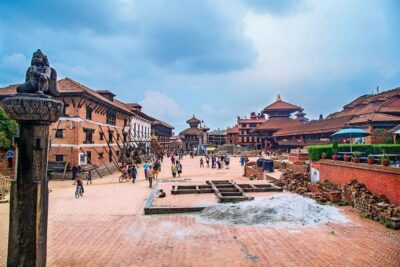
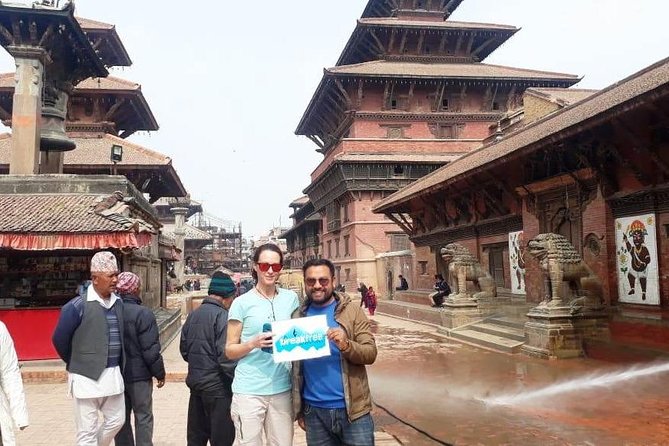
Bhaktapur Durbar Square: Where Royal Power and Daily Life Overlap

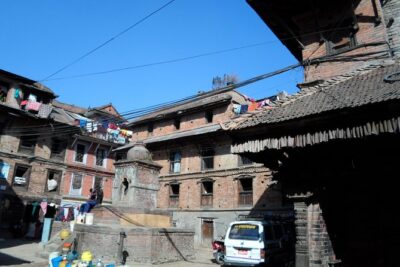
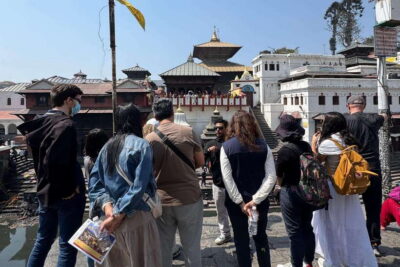
Bhaktapur Durbar Square has that classic feel of a medieval civic center, but it is not just stone. It is a place where you can look beyond the monuments and start noticing how culture continues in the streets around them. The guide-led approach helps a lot here because you are not only staring at the main square, you are also getting directed toward nearby viewpoints and side streets that show daily life.

One reason Bhaktapur stands out is that the square layout helps you understand hierarchy and planning. It is easy to see how ceremonial religion, governance, and community identity were designed to share space. Even if you only have a few hours, the feeling is strong enough that you will remember it later.

Taumadhi Square and Nyatpole Temple: The Tall Landmark for Orientation

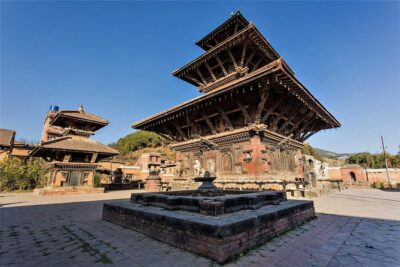
Taumadhi Square, also linked with the Nyatpole Temple, is a key visual anchor in Bhaktapur. The Nyatpole Temple is described as the tallest temple in town, and that height is practical for visitors because it helps you orient quickly. When you see the temple from different angles during a walk, the rest of the square makes more sense.

This is another place where a guide’s explanations can change your experience. Without context, you might see a towering structure. With context, you understand how the temple’s presence functions as a focal point for religion and community gatherings.

If you are planning your day in advance, treat Taumadhi as your “north star” stop. Once you have that landmark in mind, your photos and your walking route feel more organized.

Dattatraya Square: The Royals Started Here

Dattatraya Square is another memorable Bhaktapur stop, because it is connected to the royal beginning idea, described as the first square used by royalties. That detail matters because it frames your walk. Instead of seeing another temple square, you see a place that set the tone for how power played out in public space.

Dattatraya’s role also helps you think about Bhaktapur as a layered city. It is not only a collection of impressive buildings. It is a system of squares that structured movement, ceremonies, and authority.

The Pace: A Private Group That Still Makes Time for Questions

Patan and Bhaktapur City Full Day Tour - The Pace: A Private Group That Still Makes Time for Questions
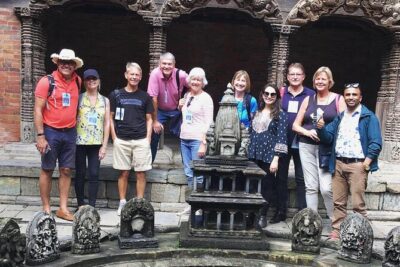
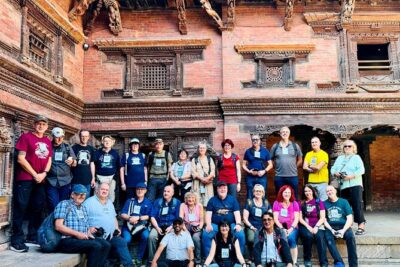
This is a private-group style tour with air-conditioned transport and a live guide who works in English and Spanish. That matters more than it sounds, because private does not mean chaos, it means the guide can match the pace to your day. In reviews, guides like Siri and Rajendra were praised for flexibility, including time for photo stops and room for questions.

What I like about that approach is that it keeps the day from turning into a rushed stamp-collection. You still get the big sights, but you also get to slow down when something catches your attention. That is when you tend to notice the small details, like how temple spaces connect to courtyards, or why a craft tradition appears repeatedly.

Also, you can make small decisions during the day, like when you want a lunch break. If you are the type who likes to pick your own timing, this tour structure is a better fit than rigid group bus schedules.

Lunch Reality Check and How to Get More Local Flavor

Lunch is where expectations can differ. One review included a minor quibble that lunch felt like a dedicated spot for international tourists rather than a place where locals naturally eat. That does not mean the food will be bad, but it does mean you should take ownership of your meal choice.

My practical suggestion: ask your guide what the best local option is nearby, or whether there is a more Nepali-leaning place you can try in the area where you are already walking. Even one good local meal can make your memories feel more grounded.

If you have dietary needs, it is worth telling the guide early, since this day mixes temple visits with walking and timing around the route.

Price and Value: Why $50 Works If You Plan for Entrance Fees

At $50 per person for a 6-hour day, the value mostly comes from what you do not want to manage yourself. You get hotel pickup and drop-off in Kathmandu, an English or Spanish live guide, and air-conditioned transport linking two major UNESCO sites. If you have limited time and you want the context without doing research for every courtyard, this cost can be very fair.

The one clear gap: monument entrance fees are not included. That means the real total depends on what you pay at each site, and those fees can add up if you want to go into every structure. Before you go, plan to carry enough cash or payment method for entry tickets.

Think of the $50 as paying for guided time and transportation efficiency. You still pay for the monuments themselves on top, so build that into your budget.

Who This Tour Suits Best (and Who Might Want a Different Plan)

I think this day tour is a great fit if you:

  • Have one busy day in Kathmandu Valley and want UNESCO highlights without transfers you have to organize.
  • Care about architecture and symbols, and you like explanations that turn buildings into stories.
  • Prefer a private setup where the guide can adapt, like pausing for questions, photo stops, or a slower pace.

You might want a different approach if:

  • You do not like walking on uneven stone or climbing temple steps.
  • You want fully local meals without any chance of tourist-oriented lunch options.
  • You hate any surprise costs, since entrance fees are not included.

Overall, it is best for travelers who want a strong “greatest hits” day, but still want the guidance that makes the sites feel connected.

Should You Book This Patan and Bhaktapur Full Day Tour?

I would book it if your priority is a smart one-day route through Patan Durbar Square, the Golden Temple, and Bhaktapur Durbar Square, with guided context in a private setting. The combination of major UNESCO sites, plus the palace-courtyard details in Patan and the skyline focus of Nyatpole Temple, gives you variety that feels like more than six hours.

Just go in with two expectations set: entrance fees are on you, and lunch may not be the most local option. If that is fine, you will end the day with a clearer sense of how Nepalese art, religion, and royal space shaped two different cities in the same valley.

FAQ

Where does pickup happen?

Pickup and drop-off are included, and you are collected from your hotel in Kathmandu.

How long is the tour?

The tour lasts 6 hours.

What is the price?

The price is $50 per person.

Is this a private group?

Yes, it is a private group.

What is included in the price?

Hotel pickup and drop-off, a live tour guide, and air-conditioned transport are included.

Are monument entrance fees included?

No, monument entrance fees are not included.

What languages is the guide available in?

The live tour guide is available in English and Spanish.

Is there free cancellation?

Yes, you can cancel up to 24 hours in advance for a full refund.

Can I reserve now and pay later?

Yes, there is a reserve now and pay later option, with no payment required today.