REVIEW · ANNAPURNA TREKS FROM KATHMANDU
Kathmandu/Pokhara: 5-Day Annapurna Base Camp (ABC) Trek
Annapurna Base Camp in only five days. This is a time-efficient trek that blends dense forest walking, river and waterfall crossings, and the big payoff moment at Annapurna Base Camp (4,130 m). Two things that make it especially appealing are the chance to take in the Annapurna Sanctuary vibe in a short format, and the recovery reset at Jhinu Danda’s natural hot springs.
You’ll get that supported-trail feel without needing to plan every cup of tea. I like how the route is built around classic waypoints like Sinuwa, Deurali, and Machhapuchhre Base Camp, which helps you picture where you are day to day instead of guessing. A licensed English or Hindi guide also means you can focus on walking and choosing where to pause for photos.
One thing to consider is that this is still real trekking, not a stroll. Even with guest-house stays and meals included (depending on your option), you’ll be facing long uphill stretches and colder air as you climb, especially toward the final push to ABC.
Key points before you go

- Mountain payoff at ABC (4,130 m) in a short, structured 5-day plan
- Hot springs at Jhinu Danda on the way out, perfect for sore legs
- Forest-to-ridge ecosystem changes as you climb from subtler greenery to colder alpine zones
- Guides repeatedly praised for safety and organization, often named Raj, Smile, Pratip, Bikash, and Anil Sherpa
- Guest-house rhythm: set meals, warm layers, and early nights that make altitude easier to handle
- Budget-friendly price point around $96, with value depending on flights and whether you add porter and full-board meals
Why five days to Annapurna Base Camp feels different

A lot of Annapurna itineraries stretch into a longer commitment. This one compresses the best parts of the classic ABC arc so you can experience the Annapurna sanctuary feel and still be back in Pokhara (or onward to Kathmandu) within five days.
What I like for you here is the pacing logic. You spend the first day climbing up into the mid elevations, the second day pushing higher through forest and waterfalls, then the third day goes for the big goal at altitude. That rhythm matters, because it reduces the “random grind” effect and gives you a predictable sense of what each day asks from your legs.
The biggest tradeoff is also simple: fewer days means fewer recovery buffers. If you’re coming in cold, anxious, or underprepared, the route will still demand steady effort.
You can also read our reviews of more hiking tours in Pokhara
Getting to the trail from Kathmandu or Pokhara without wasting days

If you’re starting from Kathmandu, you’ll take a short flight to Pokhara, about 30 minutes, then transition to trekking prep with a drive toward the trailhead area. From Pokhara, you typically get a 2 to 3 hour drive to Simrung via Nayapul, then your first hike begins.
From there, the overland and jeep pieces keep the trekking days intact. You’re not spending half of day one stuck in transport like you would on a DIY plan with unclear timing.
One practical tip: treat the travel day as part of your training. Keep water handy, plan for a bit of motion discomfort from the drive, and don’t burn extra energy on arrival, because the trail starts with a real walk from Simrung to Sinuwa.
Day 1, Simrung to Sinuwa: warm-up through forests and rivers

Day one walks from Simrung to Sinuwa, roughly 10 to 11 km, often in the 5 to 6 hour range. You start around 2,340 m for the night, so it’s not the highest altitude yet, but it’s high enough to feel it in breath and effort if you race.
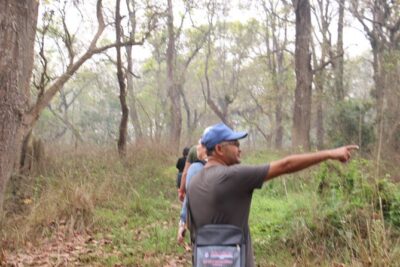
This is where the trek’s character becomes clear. You move through traditional settlement patterns and forested stretches, with rivers and changing scenery that make the route feel active rather than repetitive. You’re also building a rhythm for guest-house living, which becomes your daily “base” even though you’re constantly changing altitude.
For your expectations, think of Sinuwa as your first decompression point. A warm drink, an early dinner, and sleep help your legs. If you’re a first-time trekker, this is the day you learn how quickly your body settles into steady hiking once you stop trying to sprint.
Day 2, Sinuwa to Deurali: waterfalls and a noticeable altitude shift

Day two climbs from Sinuwa to Deurali, again around 10 to 11 km and about 5 to 6 hours. The route passes through Himalaya, a small settlement with tea houses, then continues through dense forest while you encounter multiple waterfalls along the way.
This day’s main job is acclimatization through movement. You push up to a max altitude around 3,230 m, so you’ll likely feel your pace change even if the path doesn’t look extreme on a map. The waterfall stops are useful too, because they naturally create short pauses where you can breathe, drink, and adjust.
Deurali guest house becomes your overnight base. This is also where you’ll appreciate the guide’s practical choices, because good pacing and the right rest timing can make the next day feel less like a cliff jump in difficulty.
Day 3, Deurali to Annapurna Base Camp: Machhapuchhre Base Camp valley to 4,130 m

Day three is the highlight day, hiking from Deurali to Annapurna Base Camp, about 10 to 11 km and roughly 5 to 6 hours. You travel via Machhapuchhre Base Camp (MBC), and the trail passes through the MBC valley before arriving at ABC, where the maximum altitude hits 4,130 m.
If you’re chasing that classic ABC moment, this is where it happens. Annapurna I sits inside the Annapurna Sanctuary, and reaching the base camp area is when the scale starts to feel real, not just pretty on a screen.
What I like for you is the structure of the approach. You’re not just “climbing to a dot.” You’re walking through changing terrain zones that include bamboo valleys on the broader trek pattern, then moving toward colder ridges as the day advances.
Tea houses at ABC provide the overnight stay. At this altitude, keep it simple: hydrate, eat what sits well, and don’t spend your energy on chasing every view angle at once. You’ll have time on the next morning too.
Day 4, sunrise at ABC, then back to Bamboo or Sinuwa

Day four starts with a sunrise view from ABC, then the plan is a downhill and sideways work day back toward bamboo or Sinuwa, about 12 to 14 km in 7 to 8 hours. You go via Deurali, Himalaya, and Dobhan, and the minimum altitude on this return leg is about 2,340 m.
Sunrise here matters because your brain expects clouds and haze. When the light hits the peaks, it can turn a tough climb into a memory that feels too big for your camera storage.
The return walk is long, so your focus should shift from “big moment, big rush” to steady footwork. On this day, trekking poles often feel like peace of mind. They can reduce strain on knees when the trail is uneven and you’re tired.
This is also the day you’ll see how well your guide manages pace. In multiple trip reports, guides like Raj, Smile, Pratip, and Anil Sherpa are praised for checking how you’re doing, adjusting stops, and making sure you’re fed and cared for. That kind of attention makes a long day feel controlled instead of stressful.
Day 5, Jhinu Danda hot springs and the jeep back to Pokhara

The final day covers about 7 to 8 km, roughly 4 to 5 hours, trekking from the higher area down to Simrung via Jhinu Danda for hot springs. After that, you drive back to Pokhara for 2 to 3 hours, with drop-off in Pokhara no later than 17:00.
The hot spring visit at Jhinu Danda is one of the smartest parts of the route. You hike the hard parts up and in, then you recover with warm mineral water on the way out. It won’t magically erase altitude fatigue, but it can cut the edge on sore legs.
You end at a minimum altitude around 830 m, which makes the exit feel like a reward instead of another endurance task. If you have a return flight option, you’ll be dropped at Pokhara Airport.
A practical note from your gear standpoint: bring a towel. Even with guest-house setups, you’ll want something dedicated for the springs and your post-trek reset.
Lodges, meals, and the real comfort level at altitude

Guest houses are the backbone of the trek, with 4-night accommodation included. You’ll sleep at Sinuwa, Deurali, ABC, and then return-night stops such as Bamboo or Sinuwa, depending on the day’s pattern.
Meals are included as described in the package for many options. Even then, remember that tea house food is not the same as home cooking. You’ll generally find simple, filling dishes designed for trekkers, and it’s normal for costs of extras like hot showers or charging to vary by place and season.
From the trip reports, I like that guides often help you choose dishes that fit the location, and they’re attentive about what you need at the end of the day. That’s a small detail, but it matters when you’re tired and hungry and your options are limited.
Also, expect fewer creature comforts. Hot showers, Wi-Fi, and battery charging are not guaranteed. If you rely on electronics, plan to use power sparingly and keep a charged phone going into the first hiking day.
Guides and porters: what “worry free” support actually looks like

This trek’s success often comes down to human support. Across the highly positive reports, a repeated theme is safety and calm organization. Guides such as Raj, Raju, Smile, Pratip, Om, Bikash, and Anil Sherpa are named for staying attentive, checking in regularly, and handling issues without drama.
A guide’s value isn’t only navigation. It’s pacing, weather reading, knowing where the best viewpoints are at the right time, and pushing the group gently when conditions tighten. Several accounts also highlight guides acting quickly when someone felt unwell or faced tight timing, including fast changes on the last day to catch an airport connection.
Porters also show up as key team members. When porters like Narayan, Dorjee, Sohit, or Hem are mentioned, it’s usually alongside the idea that they took care of the load so you could focus on footing. If you’re choosing an option that includes porter service, you’re buying back energy for the climb and the long return day.
Your takeaway: pick the guide you’ll enjoy walking with. This trek is short, so the personality and communication style matter more than on a longer trek where you get used to the group dynamic.
Gear that keeps you comfortable, not just warm
Your checklist is pretty clear, and it’s worth following. At minimum, you’ll want a down jacket or puffer jacket, thermal base layers, and gloves. A beanie and a neck gaiter are also smart, especially if you’re sensitive to wind on exposed sections.
Footwear matters most at the end of the day. Use high-ankle waterproof trekking boots if you can, and pack warm socks. If you’re hiking in winter or higher-snow conditions, crampons may be available for snowy conditions, according to the trip info.
You’ll borrow key equipment like a down jacket, sleeping bag, and trekking poles at no extra cost. That’s a big value add if you’re traveling light or trying not to buy gear that you won’t use again.
Also pack essentials like sunscreen and sunglasses, plus water. A CamelBak or water bottle helps you drink consistently. Water purification tablets are provided as required, so you can treat water safely instead of relying on guesswork.
Picking your season: monsoon mud, crisp air, and what to wear
The trek can be done in spring/autumn or winter, with different temperature patterns. In spring and autumn (March to May, September to November), lows range roughly from -3°C to 3°C and highs from 2°C to 20°C. In summer/monsoon (June to August), lows range 0°C to 5°C and highs 5°C to 22°C. In winter (December to February), lows range -10°C to -2°C and highs -5°C to 15°C.
For your planning, monsoon is the big decision point. Multiple reports mention doing the trek during rainy season with fog and wet trails, and the payoff still coming when skies briefly clear. The main downside in that scenario is wet feet and clothes that may not dry overnight.
If you’re going during monsoon, pack extra clothing. Build a small system: dry base layer, dry socks, and a plan for what you’ll wear tomorrow morning. If you’re going in colder months, focus on warmth layers, good gloves, and making sure your boots keep working even when conditions are damp.
Value and price: why around $96 can make sense
At a listed price around $96 per person for 5 days, the value hinges on what’s included in your selected option. The package includes hotel pickup and drop-off in Pokhara, trekking permits, guest-house accommodation for 4 nights, and a licensed guide. Equipment like a sleeping bag, down jacket, and trekking poles can be borrowed at no extra cost.
Meals are included in described meal counts for many options, while other options may require meal add-ons. Porter service is also an add-on depending on the selected package. Flights between Kathmandu and Pokhara can also be included depending on your itinerary choice.
So here’s the honest way to think about it: you’re paying for structure, permits, and trained support. If you’re already traveling with most gear and you don’t need flights, your cost may still be very reasonable. If you do need the flight and you add porter and full-board meals, the total cost rises, but you still get a guided, organized trek with guest-house stays and set daily timing.
Should you book the 5-day Annapurna Base Camp trek?
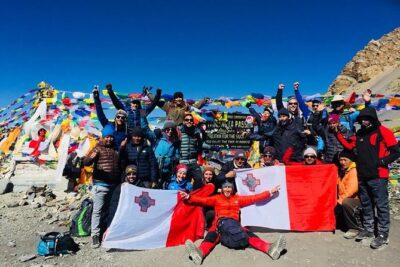
If you want Annapurna Base Camp without spending two extra weeks on the trail, this 5-day format is a strong match. You’ll get a real altitude journey to 4,130 m, sunrise at ABC, and the leg-saving hot springs stop at Jhinu Danda before you roll back into Pokhara.
Book it if you like clear structure, want someone to manage route decisions and pacing, and value safety support from a licensed guide. Solo travelers also seem to feel well cared for, with guides repeatedly praised for attentiveness and quick problem-solving.
Skip or reconsider if you know you hate long hiking days, struggle with cold and wet conditions, or you want lots of unplanned free time at ABC. This trek gives you the highlights, but it doesn’t pretend you’ll have endless leisure at altitude.
FAQ
How do I start this trek, Kathmandu or Pokhara?
You can begin from Kathmandu or Pokhara. If you start in Kathmandu, you take a 30-minute flight to Pokhara, then travel by drive to Simrung before the trek begins.
What is the highest altitude on the route?
The trek reaches a maximum altitude of about 4,130 m at Annapurna Base Camp.
Is accommodation included during the trek?
Yes. You get 4-night mountain guest house accommodation included.
Are meals included?
Meals are included for the trek as described in the plan, depending on the option you select. Breakfast, lunch, and dinner counts are included in some configurations.
Do I need trekking permits?
Necessary trekking permits are included.
What gear can I borrow?
You can borrow trekking poles, a sleeping bag, and a down jacket at no additional cost. Crampons are mentioned for snowy conditions.
Is this trek suitable for everyone?
It is not suitable for people with mobility impairments, and it is also not recommended for people over 95 years old.
More Hiking & Trekking Tours in Pokhara
More Tour Reviews in Pokhara
Not for you? Here's more nearby things to do in Pokhara we have reviewed
Annapurna Treks from Kathmandu, compared.
★ 5.0Annapurna Circuit Trek with Tilicho LakeFrom $1,093368 reviews
★ 5.0Annapurna base camp trek 5 DaysFrom $699252 reviews
★ 5.0Annapurna Base Camp TrekFrom $935111 reviews
★ 5.0Kathmandu to Annapurna Base Camp (ABC) 5-Day TrekFrom $99102 reviews
★ 5.0Annapurna Circuit TrekFrom $1,17594 reviews
★ 5.04 Days Poon Hill TrekFrom $40594 reviews
★ 5.0Annapurna Base Camp Trek 12 DaysFrom $80085 reviews
★ 5.0Ghorepani(Poonhill Trek)From $60081 reviews
Browse the lists this tour appears in