Kathmandu: 6-Day Limitless Langtang Trek

REVIEW · HIKING & TREKKING

Kathmandu: 6-Day Limitless Langtang Trek

5.0 · 21 reviews 6 days From $181 Operated by Himalayan Nomad Treks Pvt. Ltd. · Bookable on GetYourGuide
Book on GetYourGuide →

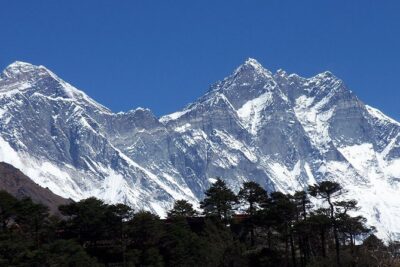
Langtang feels quiet, until you climb. I like how this trek blends Tamang village culture with real mountain walking, and you get a guided route that keeps the days feeling doable even when the trail turns steep. The other big draw for me is the focus on Langtang Valley highlights, from riverside forests to the sacred monastery atmosphere around Kyanjin Gompa.

One consideration: you should be ready for a moderate, long walking day at times, including steep sections, and nights can get cold at altitude. If cold weather planning or pacing is not your thing, this is the part to take seriously before you go.

Key things that make this trek worth your time

Kathmandu: 6-Day Limitless Langtang Trek - Key things that make this trek worth your time

  • Tamang community moments, not just views, with time in and around Kyanjin Gompa
  • Kyanjin Ri viewpoint option around 4,770 m, the kind of climb that turns into a story you keep
  • Cheese factory and monastery stops, a good mix of practical sightseeing and spiritual calm
  • Longer, steady effort on mostly moderate terrain, with daily pacing support from your guide
  • Guides who manage the “small stuff”, from food orders to backpack help when needed
  • Route that avoids the biggest crowds, so you can actually hear yourself think at higher trails

Why Langtang feels calmer than many Nepal treks

Kathmandu: 6-Day Limitless Langtang Trek - Why Langtang feels calmer than many Nepal treks
Langtang has a way of staying personal. You’re still in the Himalaya, but the valley gives you that quieter rhythm, with time to notice details in villages and on trails. The route is designed for first-time and intermediate trekkers, which matters if you want a real mountain experience without doing a technical expedition.

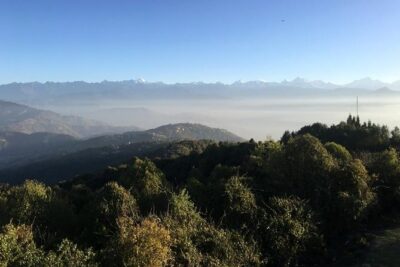
I also like that this trek builds in an altitude pattern that makes sense. You start at about 1,550 m, climb to 2,900 m, then reach 3,870 m before the higher viewpoint push near 4,770 m. After that, you descend again, so you get the drama of altitude without staying at the highest elevations for too long.

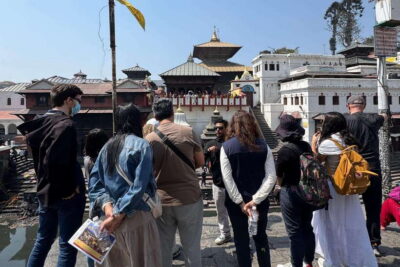
The culture side is not window dressing either. In Kyanjin Gompa, you spend time around local life, monasteries, and even practical stops like a cheese factory, so the day feels like you traveled to a community, not just a photo spot.

You can also read our reviews of more hiking tours in Kathmandu

Kathmandu to Syabrubesi and Pahiro: the first day’s forest test

Kathmandu: 6-Day Limitless Langtang Trek - Kathmandu to Syabrubesi and Pahiro: the first day’s forest test
Your trip starts with a 6-hour drive from Kathmandu to Syabrubesi, then you’re already walking for about 2 hours toward Pahiro. That opening day is a good reality check. The roads can wind and take time, and your legs wake up gently rather than with a brutal launch.

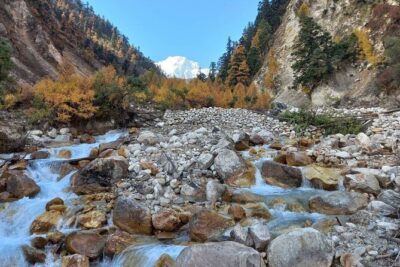
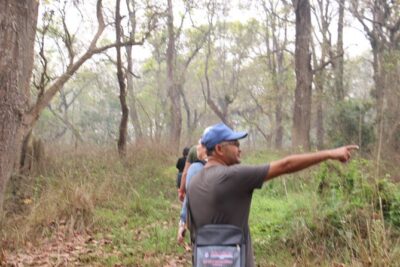
You’ll follow a Langtang river area through forested trail, and this matters more than it sounds. River valleys tend to give you steady footing and a visual “guide” for where you’re headed, which helps on a first trek day. It also sets the tone for Langtang: lots of green forest early, then the mountains start to dominate as you gain elevation.

At Pahiro, you’ll settle into the overnight stay and get ready for a longer walking day. This is where I’d tell you to be disciplined about your packing and warmth. Even if daytime feels fine, you don’t want to discover cold gear problems at night.

Ghoda Tabela: waterfalls, villages, and acclimation by effort

Kathmandu: 6-Day Limitless Langtang Trek - Ghoda Tabela: waterfalls, villages, and acclimation by effort
Day two brings the first bigger leg, about 6 hours of trekking from Pahiro up to Ghoda Tabela at 2,900 m. You’ll move through a mix of lush forest, villages, and cascading waterfalls. That combination is great for motivation, because when your legs start getting tired, the trail keeps offering little reasons to keep going.

Ghoda Tabela is also an acclimation stop in practice. You’re gaining altitude, but you’re not yet at the thin-air stages where every breath feels like work. A smart pace here helps you avoid the classic mistake: going too fast because the scenery is stunning.

The lodges in this region tend to be simple, so your energy is the real currency. Hydrate, eat well at lunch, and plan an early dinner. You’ll appreciate it when the next day climbs higher and the cold can creep in after dark.

Kyanjin Gompa: cheese, monasteries, and Tamang hospitality

Kathmandu: 6-Day Limitless Langtang Trek - Kyanjin Gompa: cheese, monasteries, and Tamang hospitality
On day three you’ll trek from Ghoda Tabela up to Kyanjin Gompa at 3,870 m. This is the day where Langtang turns from “scenic walk” into “place with a pulse.” You’ll meet the Tamang community up close, and the cultural stops make the elevation feel purposeful.

Two practical highlights stand out. First, you’ll explore the village area with a cheese factory, which is a very tangible slice of how people live in the valley. Second, you’ll have time around monasteries, including that calm, spiritual retreat atmosphere that makes higher altitude feel less hectic.

The big value here is your guide’s role. In past groups, guides like Bipin, Mahesh Aryal, and Dipesh were praised for being attentive, guiding you through lodges and daily plans, and making sure you understand what you’re seeing. That’s especially important at Kyanjin Gompa, where you’re not just hiking, you’re visiting a living community.

If you’re the type who loves chatting, this is a good day for it. If you prefer quiet, you can still get plenty of that by slowing down and letting monastery time do its job.

Kyanjin Ri viewpoint push and the Thangsyap descent

Kathmandu: 6-Day Limitless Langtang Trek - Kyanjin Ri viewpoint push and the Thangsyap descent
Day four is the high point mentally, even if the real altitude work is only a portion of the day. You’ll trek toward the Kyanjin Ri viewpoint around 4,770 m, then head onward to Thangsyap (3,200 m). The climb to the peak is described as uphill and harder than the rest, and it can be optional depending on your group and comfort level.

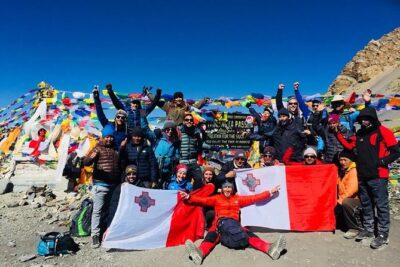
This is where you’ll decide how to manage effort. If sunrise is your goal, you’ll need strong motivation and patience. One past group mentioned reaching Kyajang Ri for sunrise, and another credited guide Niraj with support that helped them summit close to 4700 m. That kind of outcome usually comes from pacing, warm layers, and not rushing the last steep bits.

After the viewpoint, the route turns into a different kind of work. You retrace and descend, then continue toward Thangsyap, where you’ll sleep at a lower altitude. That drop matters for your legs and your breathing, and it sets you up for a smoother final trekking day.

Bring a realistic mindset: this is not the day to race your friends. It’s the day to win by showing up, staying steady, and taking breaks before your energy turns into drama.

A few more Kathmandu tours and experiences worth a look

Back to Syabrubesi and the shared ride to Kathmandu

Kathmandu: 6-Day Limitless Langtang Trek - Back to Syabrubesi and the shared ride to Kathmandu
Day five brings the long descent back toward Syabrubesi at about 1,550 m. The trek runs beside the Langtang river, which is exactly what you want when you’re tired. A riverside path can be easier on the mind, and the constant direction helps you keep going even when your knees start to complain.

Day six is a shared bus ride back to Kathmandu from Syabrubesi. Think of it as a travel reset, not a sightseeing day. Your body will probably feel it most in the morning, so plan for a slower pace when you return.

If you can, give yourself time in Kathmandu after you get back. A trek like this is not only about altitude and distance. It’s also about the mental shift from mountain focus back to city life.

The guide difference, from daily recaps to real support

Kathmandu: 6-Day Limitless Langtang Trek - The guide difference, from daily recaps to real support
The strongest pattern across the feedback is simple: the guide matters. Guides such as Niraj, Bipin, Mahesh Aryal, Dipesh, and Ghanshyam were singled out for being supportive, friendly, and practical. The best part is not just enthusiasm, it’s the way they manage the day.

What you’ll likely feel on the trail is structure. Several guides were praised for checking in regularly, reviewing where you are and what’s next, and keeping you informed about daily plans. That reduces the mental load, and it helps you stay calm if the trail feels steeper than expected.

Some groups also mentioned extra help when trekking got tough, including support with backpacks. That’s a big deal if you’re carrying a larger day bag and you want to keep your shoulders happy. Also, note that porter charges are marked as extra, so clarify what kind of help your group will arrange before you start.

Bottom line: with the right guide, this trek feels safer and more comfortable. Without that support, you might still finish, but the whole experience is harder to enjoy.

Price and what $181 really buys you

Kathmandu: 6-Day Limitless Langtang Trek - Price and what $181 really buys you
This trek is listed at $181 per person, and the value depends on what you choose as a package. The inclusions cover a lot of the essentials: a guide, permits and paperwork, TIMS fees, government tax, and private comfortable accommodation for five nights during the trek. Transport is also included as shared bus or vehicle per your group size, plus luggage storage.

Meals are included for a full package, with breakfast, lunch, and dinner during the trek. That’s important in the mountains because eating well is part of staying warm and avoiding energy crashes. Still, soft and hard drinks are not included, and personal expenses like phone calls, laundry, battery recharge, and extra porter help are on you.

Also plan for the practical exclusions: travel and rescue insurance is not included, and bottled or boiled water and showers are mentioned as personal expenses. Even if your trek company handles most logistics, you’ll want your own budget for the stuff that adds up day by day.

If you want a straightforward, guided, permit-covered trekking experience at a reasonable price, this one fits that brief. Just budget thoughtfully so you don’t end the trek feeling surprised.

Packing tips that match Langtang reality

Kathmandu: 6-Day Limitless Langtang Trek - Packing tips that match Langtang reality
You’ll want gear that works for day hiking and cold night temperatures. The trek information lists the basics: passport or ID, towel, sunscreen, gloves, a sleeping bag, flashlight, hiking shoes, jacket, hat, trekking gear, and sunglasses. That’s a solid starting checklist.

Here’s how I’d refine it for real use. At altitude, nights can get cold fast, especially in months like January, when people specifically noted cold conditions. Bring warm layers you can actually move in, not just a heavy coat you’ll tolerate for one evening.

Also, don’t overlook small items. Gloves and a hat are comfort upgrades, and sunglasses protect your eyes from glare on clearer days. A flashlight matters because lodge lighting can be dim at night.

One more practical thought: if you’re unsure about your sleeping bag warmth, don’t gamble. A cold night can mess with your next day’s energy, and this trek includes enough climbing that you’ll feel it.

Who should book this trek, and who should skip it

This trek is a good match if you want an authentic Himalayan trip without extreme technical demands. It’s described as rewarding yet moderate, and it’s aimed at nature lovers, cultural explorers, and first-time trekkers. The route also avoids the biggest crowds, so you can enjoy the valley without feeling like you’re in a traffic jam.

It’s also suitable for families, couples, or solo adventurers who want real mountain life and spiritual pauses. The monastery time is not rushed, and the Tamang community interaction gives the experience meaning beyond views.

On the other hand, it’s explicitly not suitable for pregnant women. And if you dislike long walks or steep sections, you should take the “moderate” label seriously and talk with the company about pacing. One review mentioned being ready for around eight hours on steep trail, so don’t assume every day will feel easy.

Should you book the 6-Day Langtang trek from Kathmandu?

I’d book it if you want a guided Langtang Valley trek that balances culture, spirituality, and mountain viewpoints in a short time window. The price is attractive for what’s covered, and the guide support shows up as a major reason people rate the experience so highly, including named guides like Niraj, Mahesh Aryal, Bipin, Dipesh, and Ghanshyam.

I wouldn’t book it if you’re only interested in flat, comfortable hiking. The peak day includes uphill effort and can be optional, and your knees and breathing will work on at least one or two tough segments.

One smart move: if Kyanjin Ri is your priority, plan to bring warm layers and commit to a steady pace. That’s what turns a hard climb into a satisfying summit moment, and it’s exactly what these guides have been helping people do.

FAQ

How high does the trek go?

The highest viewpoint mentioned is Kyanjin Ri, around 4,770 m. The route also includes Kyanjin Gompa at 3,870 m and Thangsyap at about 3,200 m.

Is this trek suitable for beginners?

It’s described as rewarding yet moderate, making it a good fit for first-time trekkers. That said, some parts can be steep and longer walking days are possible.

What are the main trekking days like?

You start with a drive and a short trek to Pahiro, then you do a longer hike to Ghoda Tabela. After that you climb to Kyanjin Gompa, do the viewpoint push near Kyanjin Ri, and then descend back to Syabrubesi.

What is included in the price?

Included items are hotel pickup and drop-off, trekking permits and necessary paperwork plus TIMS fee(s), a guide, private accommodation during the trek (x5 nights), luggage storage, transport as per the itinerary, all staff expenses, and government tax.

Are meals included?

Meals are included during the trek for the full package, with breakfast, lunch, and dinner. Soft and hard drinks are not included.

Do I get an English-speaking guide?

Yes. The trip includes an authorized English-speaking guide, and languages listed are English, Hindi, and Nepali.

Is porter service included?

Porter charge is mentioned as extra. You can also use luggage storage, but you should confirm how porter support works for your group.

What should I bring for the trek?

You should bring items such as a passport or ID card, hiking shoes, a jacket, gloves, a hat, sunscreen, sunglasses, a sleeping bag, and a flashlight, plus other trekking gear.

How do you return to Kathmandu?

After trekking back to Syabrubesi, you take a shared bus back to Kathmandu as the final leg.

Is the trek suitable during pregnancy?

No. The trek is listed as not suitable for pregnant women.

More 6-Day Experiences in Kathmandu

More Hiking & Trekking Tours in Kathmandu