
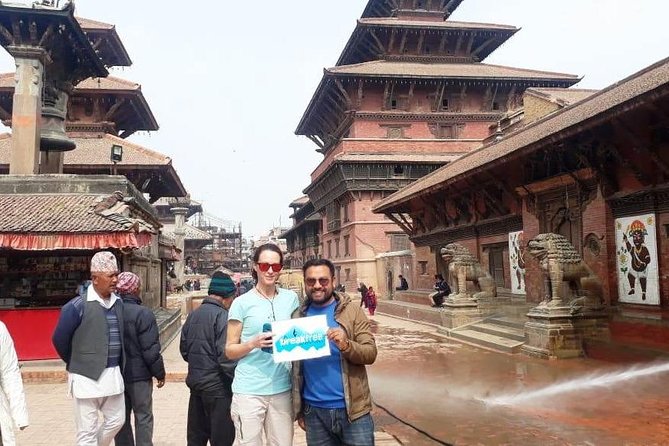
Begin in the valley. Choose the mountain after.
Walk the old royal city, give the sacred sites time and compare the valley towns before deciding whether Everest belongs in a trek, a helicopter or a window seat.
Find the shape of your first day.
Old city for carved courtyards. Sacred sites for living ritual. Valley towns for royal squares. A ridge for sunrise. The Himalaya when the forecast opens.
Build the valley before the itinerary gets bigger.
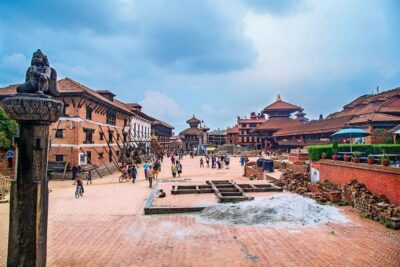
Start with the old city, spend real time at Boudhanath or Pashupatinath and give one valley town more than a drive-through stop.
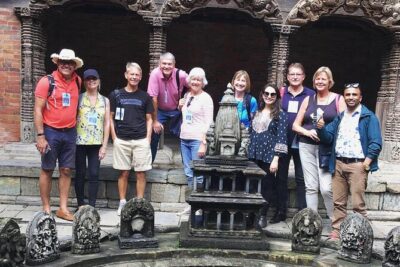 ★ 5.0Start hereFull Day 7 UNESCO Tour with Lunch – Private/GroupFrom $10415 reviews
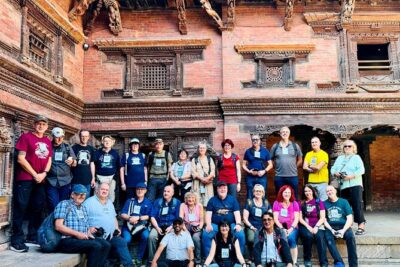 ★ 5.0Worth the early hourFull Day Top 4 UNESCO Tour with Lunch – Private/GroupFrom $10269 reviews
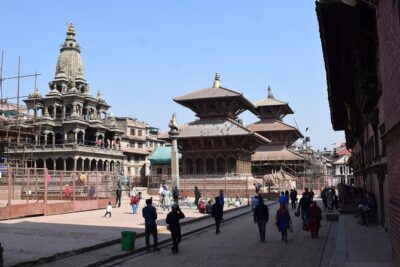 ★ 5.0A clear city choiceUNESCO Seven World Heritage Tour in KathmanduFrom $180253 reviews★ 4.9Good at a slower paceFull-Day 7 UNESCO Tour with Lunch – Private/GroupFrom $5247 reviews
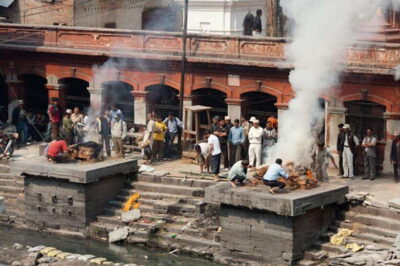 ★ 4.9Leave room for this7 UNESCO Sites Tour in 1 Day (Private Tour)From $4204 reviews
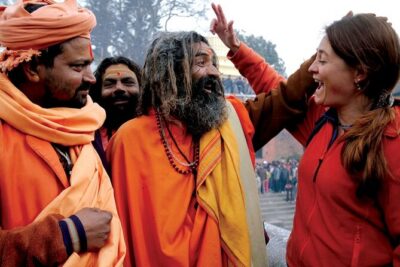 ★ 5.0Look beyond ThamelKathmandu Spiritual Sites: Bodhnath & Pashupatinath TourFrom $60185 reviews
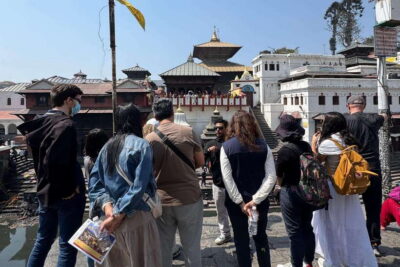 ★ 4.9Start hereTop 4 UNESCO Tour with Lunch – Private/GroupFrom $5181 reviews
Kathmandu, Patan and Bhaktapur are not interchangeable.
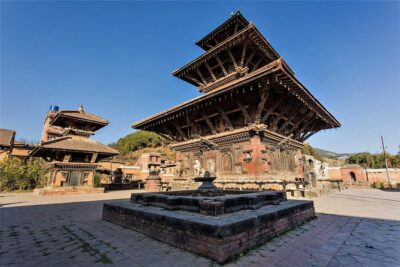
Kathmandu is dense and ceremonial, Patan rewards close looking and Bhaktapur gives its brick lanes more room. Choose a focused visit when depth matters more than collecting squares.
Trek, helicopter or scenic flight?
These options ask for different time, budgets and weather tolerance. Decide what kind of mountain experience you want before comparing departures.
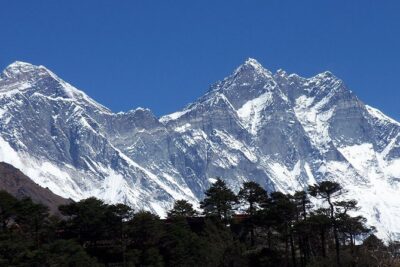 The full commitmentEverest Base Camp trekAcclimatisation, guide support and contingency days matter more than the shortest headline itinerary.Compare Everest Base Camp treks →
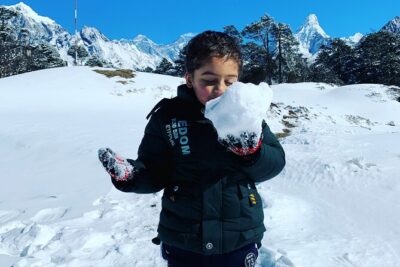 High and fastEverest by helicopterLanding plan, passenger weight and weather policy are part of the booking, not fine print.Compare Everest helicopter tours →
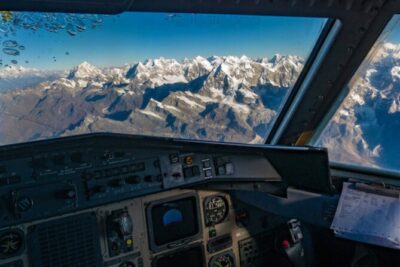 A morning windowEverest scenic flightFixed-wing flights offer the shortest Himalayan view, with visibility and seat arrangements deciding the experience.Compare scenic flights →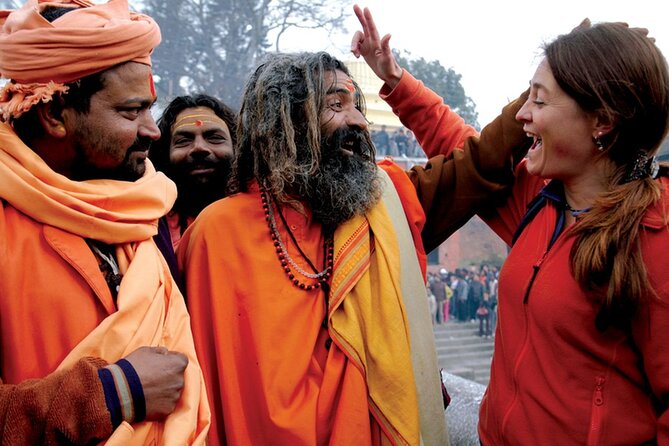
Look carefully and leave space.
Pashupatinath, Boudhanath and Swayambhunath need context, etiquette and time to observe. The best route explains each site without treating it as a museum stop.
Sunrise, cable car or a real walk.
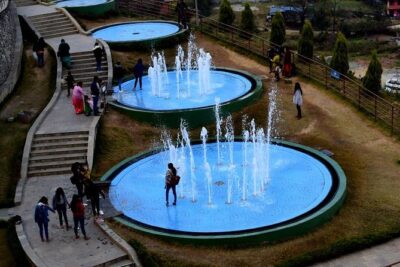
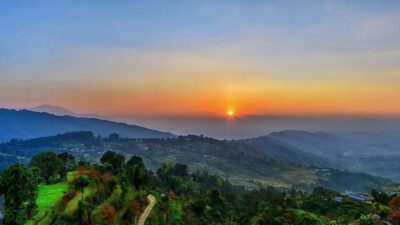
Nagarkot is about timing and visibility, Chandragiri makes the climb quickly and Namo Buddha with Panauti offers a quieter eastern-valley day.
Fold the momo, then understand the market.
A cooking class slows the day down. A food walk connects Newari dishes with the lanes and people preparing them. Choose hands-on time over a long list of tastings.
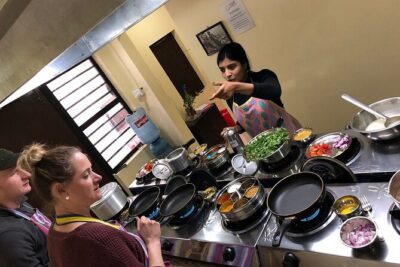 ★ 5.0Half day cooking class in Thamel kathmanduFrom $28607 reviews
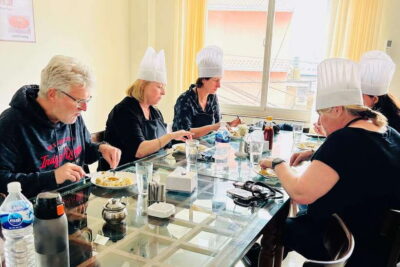 ★ 4.9Local Women-Led Nepali Cooking & Momo ClassFrom $4360 reviews
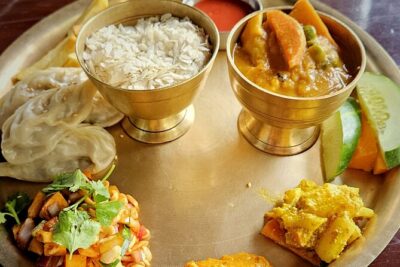 ★ 5.0Kathmandu Food and Drink Walking TourFrom $36266 reviews
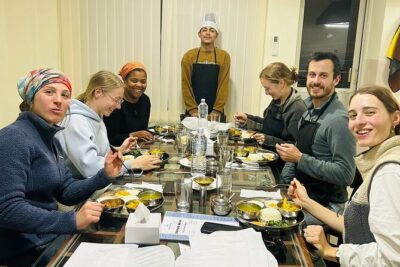 ★ 5.0Local Lead Nepali Cooking & Momo-Making ClassFrom $5212 reviewsLocal Women Lead Nepali Cooking ClassFrom $30125 reviews★ 4.9Food and Drink Walking TourFrom $28119 reviews
Four mountain regions, four different commitments.
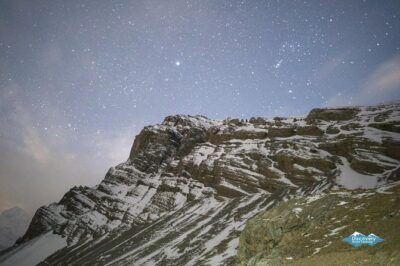
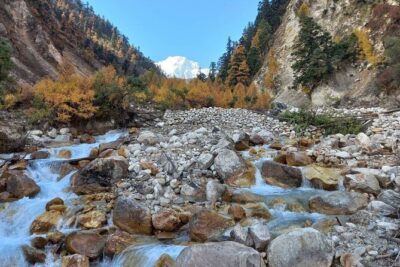
Everest is the headline, Annapurna offers the widest range, Langtang starts closer to the valley and Manaslu asks for the most serious planning.
Know which journey starts in Kathmandu.
Pokhara can be a transfer or a stay. Chitwan needs a lodge and a park programme. Longer Himalayan routes need their own planning window.
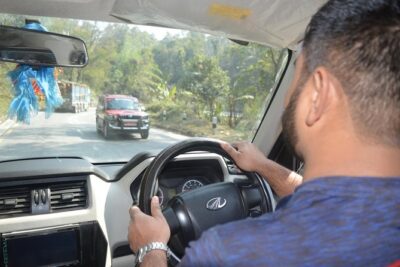
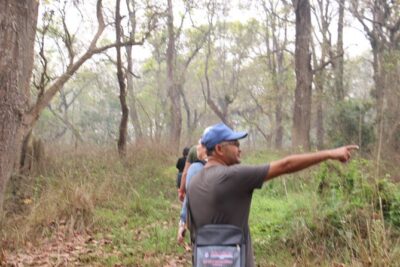
Walk, ride privately or give the valley a full day.
Kathmandu rewards time on foot, but sacred sites and valley towns spread far enough that transport matters. Match the format to the route.
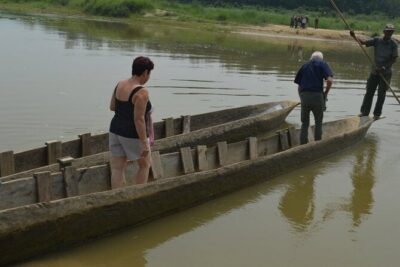
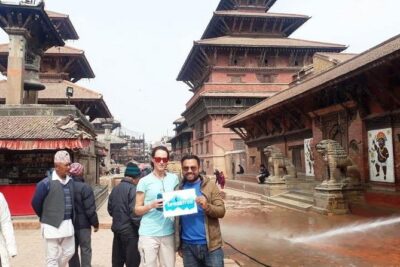
Three days for city, valley and outlook.
Keep the first day close, use the second for another royal city and save the clearest forecast for the ridge or mountain view.
The newest Kathmandu reviews.
 ★ 4.5Himalayan Gosaikunda Helicopter Tour from KathmanduFrom $5003 reviews
 ★ 5.0Ghorepani Ghandruk Wellness Yoga TrekFrom $1,9793 reviews
 ★ 5.0Bhaktapur Heritage City and Nagarkot Viewpoint TourFrom $693 reviews
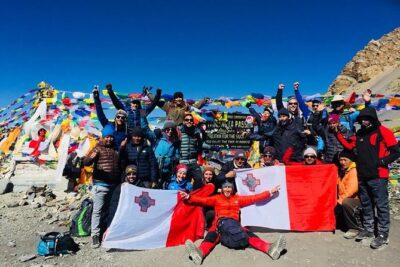 ★ 5.0Annapurna Circuit TrekFrom $1,1753 reviews
 ★ 5.0Sightseeing Day Tour In KathmanduFrom $1203 reviews
 ★ 5.0Spa and Massage Therapy for a Relaxing Experience in Avata, KathmanduFrom $903 reviews
 ★ 5.0Kailashnath Mahadev, Panauti and Namo Buddha Monastery SightseeingFrom $1043 reviews
 ★ 5.0Chandragiri Hills: Cable Car Ride, Temple Visit & Himalayan ViewsFrom $403 reviews