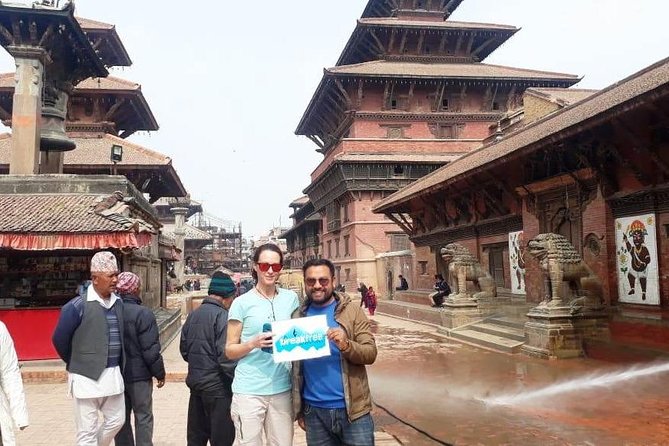
REVIEW · KATHMANDU UNESCO HERITAGE TOURS
Nagarkot Sunrise & Bhaktapur UNESCO Heritage Private Tour
A 4:20 a.m. start leads to big views. This private Nagarkot Sunrise and Bhaktapur UNESCO tour is built for one thing: early light over the Himalayas, then a smooth switch to Bhaktapur’s historic lanes with a local guide.
I like the way it solves the logistics for you. You get round-trip hotel transfers from Kathmandu, a professional guide, and transportation arranged so you can focus on sunrise spotting and walking through Bhaktapur instead of juggling timing.
One drawback to plan for: sunrise depends on weather. If fog or cloud rolls in, Everest and the full range may be harder to see, and you still have temples and streets to cover in the morning and late morning.
Quick takes you can actually use

- Nagarkot at sunrise, not later: you’re picked up early and taken to the view tower for the best chance at clear mountain lines
- Everest is a possibility, not a promise: the guide can point out major peaks on clear days
- Bhaktapur UNESCO time plus art: Durbar Square and a Thangka painting school keep the cultural side from feeling like a checklist
- Short temple stops, then real wandering: Dattatreya, Nyatapola, Pottery Square, plus the big square area
- Entry fees are separate: Bhaktapur Durbar Square costs extra, and some temples may have tickets
5 to 6 hours, Kathmandu to two very different worlds

This is a private half-day style outing, designed for people who want maximum variety without burning a whole day. You leave Kathmandu, head up toward Nagarkot for sunrise, then shift down to Bhaktapur for UNESCO-era sights and traditional craft.
The pace matters here. You’re moving early, you’re viewing from a specific vantage point, and then you’re walking and stopping in Bhaktapur’s temple zones. It works best if you like structured time and clear waypoints, rather than drifting on your own.
The practical win is that your guide and driver handle the travel and timing. Bottled water is included, which is a small detail but a real comfort when you’re up before most of Kathmandu has even started its day.
You can also read our reviews of more private tours in Kathmandu
Nagarkot at 4:20 a.m., where clear skies decide everything

Your morning starts early, with pickup around 4:20 a.m. from your Kathmandu hotel. From there, the drive takes you to Nagarkot, a hill village roughly 36 km east of Kathmandu and one of the most popular nearby places to watch the Himalayas wake up.
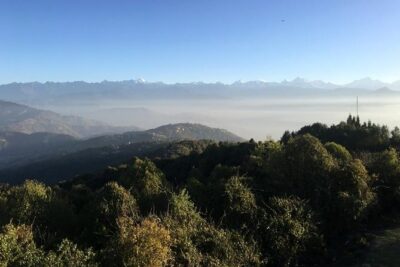
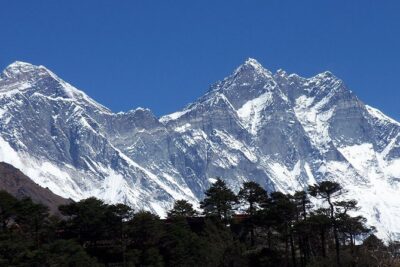
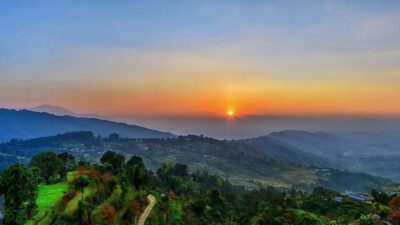
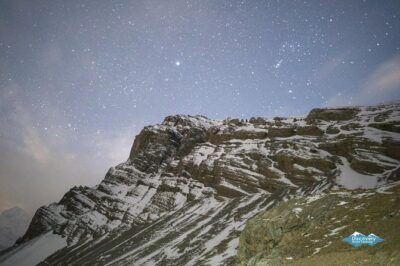
The main payoff is the sunrise view. On a clear morning, you can see multiple Himalayan ranges, with the big-name peak being Mount Everest. The key phrase is clear days, because clouds and fog can flatten the whole experience into a gray horizon.
Here’s how to make the most of it:
- Bring warm layers. Early mountain mornings are cold, even when Kathmandu is comfortable.
- Arrive ready for patience. Sunrise is time-based, and you cannot rush it.
- Keep your expectations flexible. Even when Everest is hidden, the other peaks can still look spectacular, especially with the guide helping you spot what’s where.
One more nice point for value: the Nagarkot View Tower entrance is free. You’re paying mainly for the early start, transportation, and guided experience.
Bhaktapur Durbar Square, plus the smaller temples that make it feel lived-in

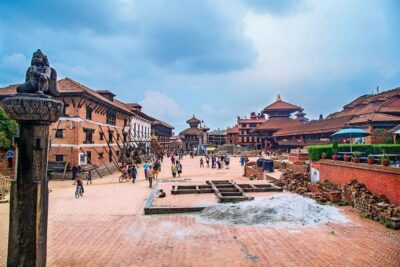
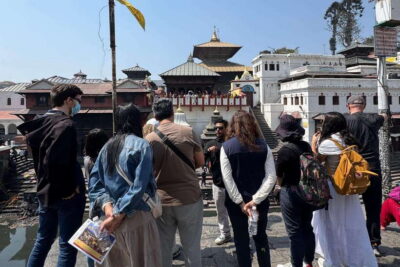
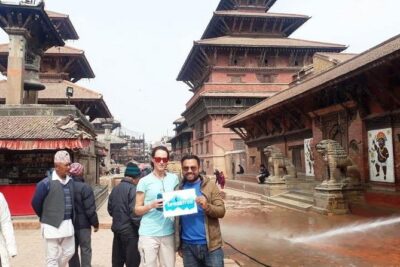
After the mountain viewing, you head into Bhaktapur’s old city. The centerpiece is Bhaktapur Durbar Square, a UNESCO heritage site that’s big enough to feel like a mini city. You’ll spend about two hours here, long enough to walk around, notice architectural details, and get context from your guide.
Budget for entry. Bhaktapur Durbar Square has an entrance fee listed at NPR 2000 per person (about USD 15). Since it’s not included, plan to pay that directly. If you’re traveling as a pair, that fee is the one extra cost that matters most.
What to watch for at the square
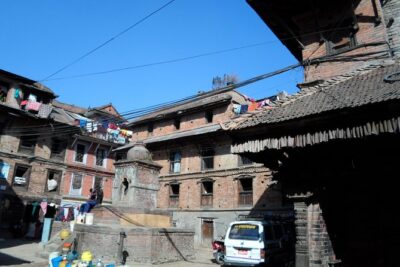
Bhaktapur’s palace-area feel comes from the density of temples, courtyards, and carved stone work. Even if some buildings show age or damage from past events, the square still makes sense as a historic center. It’s a place where you can connect the dots between rulers, religion, and everyday city life.
Also, don’t expect the car to do the walking for you. Monument zones are walk-focused, and your route will involve getting on foot for parts of the day. If you want low-step sightseeing, this might not be the best match.
Dattatreya Temple: a quick stop with real old-school Bhaktapur details

One temple stop is Dattatreya Temple, paired with Pujari Math (the priest house) and a peacock window dating to the 15th century. This is one of those short visits that pays off because it gives you a vivid snapshot of older craftsmanship, rather than just a photo stop.
The visit also includes nearby elements around Bhimsen Temple in the Dattatreya Square area. It’s fast, about 20 minutes, and it’s not ticket-free according to the tour’s notes, so expect that entrance might be separate.
This stop is worth it if you like texture: carved details, old layouts, and the way Bhaktapur’s sacred spaces sit in the middle of normal life.
You can also read our reviews of more historical tours in Kathmandu
Nyatapola Temple: the tall pagoda moment you can feel from far away

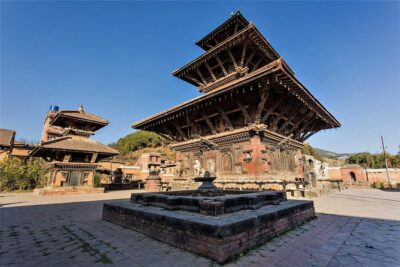
Another highlight is Nyatapola Temple, described as the tallest pagoda-style temple in Kathmandu, built in the 17th century by King Bhupatendra Malla. It’s a strong visual anchor for the day, and the tour also includes a nearby Bhairab Temple.
Your time here is short, about 20 minutes, so you’ll want to take it in from a couple angles rather than sprinting straight to the front door. If you enjoy architecture, this stop gives you a quick payoff without eating your whole morning.
Admission for this stop is marked as not included, so again, keep a little cash or card ready for local entry costs.
Pottery Square: watching craft in action, not just buying souvenirs

If you like seeing how things are made, the stop at Pottery Square is a good rhythm change. It’s about 20 minutes, and it’s described as a place where you can observe pottery production.
This one is marked as free in the tour notes, which makes it a smart value add. It also helps balance Bhaktapur’s heavy temple and palace focus with something grounded in everyday craft.
Even if you do not buy anything, it’s still useful because you learn how Bhaktapur’s traditional economy continues in small workshops.
Thangka painting school: art that adds meaning to the UNESCO day

Your tour includes a visit to a Thangka painting school in Bhaktapur. This is one of the best “included” parts because it connects the dots between religion and art.
Thangka traditions tend to be visual teaching tools, so even a brief visit can help you understand why these images matter. Your guide can also translate cultural meaning as you look, rather than leaving you with a silent walkthrough.
Since admission details for this art stop are not listed separately, treat it as fully part of the tour package.
Guide power: why Prakash makes the mountains and the monuments easier

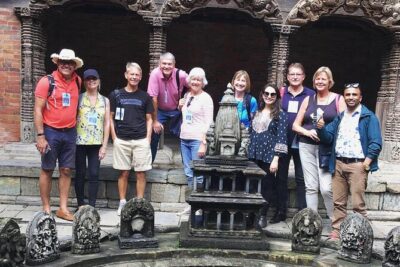
A standout name tied to this experience is Prakash, the guide. Guests describe him as punctual and professional, and his mountain knowledge is the kind that turns a random view into a real skyline.
On clear mornings, the guide helps you identify peaks, including Everest, and you can actually learn what you’re looking at instead of guessing. That matters because Nagarkot’s view can feel like one big blur unless someone teaches you how to read it.
Prakash also comes up as friendly and easy to work with in Bhaktapur, where the walking and temples can turn tiring if you do not understand the story behind them. The better the guiding, the more your time in temple zones feels productive rather than repetitive.
The driver name Mr. Dennis is also mentioned for on-time pickup and strong driving, which you’ll appreciate when you are starting before sunrise.
Price and what to budget for the day
The listed price is $50 per person, and for a private morning with transport from Kathmandu plus a guide, it can represent solid value, especially if you want sunrise viewing without the hassle of coordinating independently.
Here’s how costs break down based on what’s included and what’s not:
- Included: transportation, a professional guide, the Thangka painting school, and bottled water
- Not included: meals, tips, and the Bhaktapur Durbar Square entrance fee (NPR 2000 or about USD 15 per person)
- Mixed ticket situation: some temple stops list admission as not included, while the view tower and Pottery Square are noted as free
Meals are the biggest flexible cost because breakfast time can be early, and lunch depends on where you end up after Bhaktapur. You’ll likely want to plan a simple breakfast around sunrise and budget for your own food later.
Also, consider the “hidden cost” of missed weather. If clouds hide the peaks, you still get Bhaktapur, but the emotional payoff of a mountain sunrise drops. That’s not a tour failure, just a nature rule.
If you’re cost-sensitive, ask yourself whether you’d pay for a private, guided plan versus doing two separate day activities on your own. If you want the sunrise to be effortless and the cultural part to be explained, this price can feel fair.
Weather, fog, and how to keep the morning from feeling like a loss
This is the big reality check. Nagarkot sunrise is weather-dependent. In fog or heavy clouds, the mountain silhouettes can disappear or look muted. That’s why you need to treat the Himalayas as a chance, not a guaranteed show.
So how do you protect your day?
- Keep the day focused on the full itinerary, not just Everest.
- Bring layers and expect cold.
- Be ready to enjoy Bhaktapur even if the mountain view is limited.
The upside is that Bhaktapur usually delivers cultural value regardless of visibility. If the sky is gray, you can still enjoy the temples, the palace square atmosphere, and the craft visit.
Who this tour suits best, and who should choose a different plan
This tour fits you well if:
- You want a private tour with pickup and drop-off handled
- You’re short on time in Kathmandu but still want sunrise plus UNESCO-era Bhaktapur
- You enjoy guided explanations for both mountains and monuments
- You like a mix of big sites and small, meaningful stops like Dattatreya and the pottery area
It may not be ideal if:
- You hate early mornings. Pickup is around 4:20 a.m.
- You dislike walking around historic districts. Bhaktapur’s monument area is spread out
- You want a guaranteed Everest sighting. Clear days help, fog blocks
Should you book this Nagarkot Sunrise & Bhaktapur UNESCO tour?
If you want an easy, guided way to connect Kathmandu’s modern convenience with two classic Nepal experiences, I think it’s a strong booking. The combination works: Nagarkot sets the emotional tone with sunrise potential, and Bhaktapur delivers culture and art right after.
Book it if you:
- Can handle a very early start
- Want a guide who can explain what you’re seeing, especially on the mountain side
- Are willing to pay the separate Bhaktapur Durbar Square entrance fee and handle meals on your own
Skip it or consider an alternative if:
- Your priority is only Everest, and you cannot accept that clouds might hide it
- You prefer sleeping in and doing sightseeing at a slower pace
If your main goal is a well-run morning with real context, this is the kind of private tour that makes your time in Nepal feel organized, not rushed.
FAQ
What time is the hotel pickup in Kathmandu?
Pickup is scheduled very early, around 4:20 a.m., to reach Nagarkot in time for sunrise.
How long is the tour?
The tour runs about 5 to 6 hours in total.
Is this a private tour or shared group?
It is a private tour, meaning only your group participates.
What is included in the price?
The price includes transportation, a professional tour guide, a visit to a Thangka painting school, and bottled water.
What is not included?
Meals, tips for your guide and driver, and entrance fees are not included. Bhaktapur Durbar Square has an entrance fee of NPR 2000 (about USD 15) per person.
Are there any entrance fees for stops like Nagarkot View Tower and Pottery Square?
Nagarkot View Tower is listed as free, and Pottery Square is also listed as free. Other stops such as Dattatreya Temple and Nyatapola Temple list admission as not included.
Does the tour guarantee views of Everest?
No. The mountain views depend on weather. On clear days, you can see major ranges including Everest, but fog or cloud can reduce what you see.
Is there a cancellation policy?
Free cancellation is available up to 24 hours in advance for a full refund.
More Private Tours in Kathmandu
More Tours in Kathmandu
More Tour Reviews in Kathmandu
Not for you? Here's more nearby things to do in Kathmandu we have reviewed
Kathmandu UNESCO Heritage Tours, compared.
★ 5.0Private Kathmandu Sightseeing Tour | UNESCO World Heritage sitesFrom $17756 reviews
★ 5.0Full Day 7 UNESCO Tour with Lunch – Private/GroupFrom $10415 reviews
★ 5.0Full Day Top 4 UNESCO Tour with Lunch – Private/GroupFrom $10269 reviews
★ 5.0UNESCO Seven World Heritage Tour in KathmanduFrom $180253 reviews
★ 4.9Full-Day 7 UNESCO Tour with Lunch – Private/GroupFrom $5247 reviews
★ 4.97 UNESCO Sites Tour in 1 Day (Private Tour)From $4204 reviews
★ 4.9Top 4 UNESCO Tour with Lunch – Private/GroupFrom $5181 reviews
★ 5.0Kathmandu Private Sightseeing Tour | UNESCO World Heritage SitesFrom $35109 reviews