REVIEW · KATHMANDU
Mera Peak Climbing
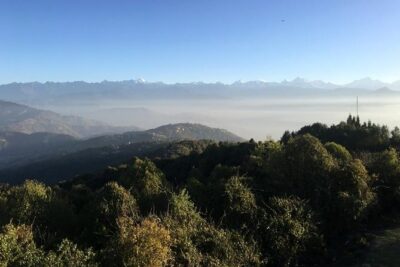
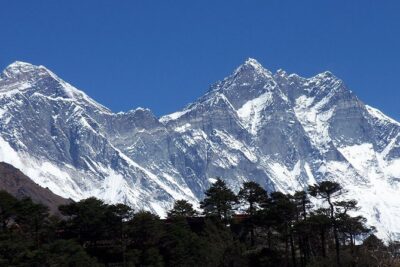
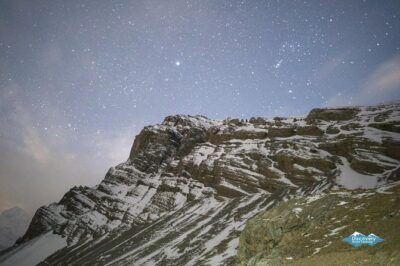
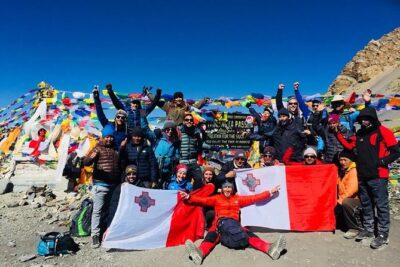
Mera Peak punches above its trekking-peak label. This climb is officially Nepal’s highest permitted trekking peak rising to the south of Everest, and you’ll earn serious bragging rights with views of 5 eight-thousanders, including Everest, Cho Oyu, Makalu, Kanchenjunga, and Lhotse. I also like the way the route gives you time to explore the wild Hongu and Hinku valleys, plus real contact with highland Sherpa communities.
I like that the trip is built for logistics and safety, with an experienced trekking and climbing guide, climbing permits included, and all necessary climbing gear included. The small group size, maximum 15 travelers, helps keep things organized. One drawback to plan for: you are committing to an 18 day, high-altitude grind, and the itinerary is built around adapting to altitude and weather, including starting your descent early if conditions or symptoms do not improve.
Key highlights that matter in real life

- Nepal’s highest permitted trekking peak (Mera Peak), with big eight-thousander sight lines
- Hongu and Hinku valleys with a “less visited, more wild” feel and Sherpa highland culture
- Permit + guide + climbing gear included, so you can budget fewer unknowns
- Tea house plus camping style trekking and accommodation during the trek
- Altitude risk guidance spelled out, including when to use Diamox and a Gamow bag
- Small group limit of 15, which usually means smoother decision-making on the mountain
Mera Peak is the Everest region, but with a smart target
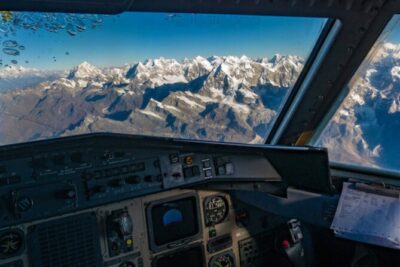
Mera Peak is one of those trips where the name actually tells you what you’re getting. It’s not just another trek with a “maybe summit” add-on. It’s a real climbing objective, and the payoff is the view range: from this part of Nepal, you can look across the Everest region and see multiple peaks over 8,000 meters, not just one postcard mountain.
That matters because it changes how you move through your days. You’re not waiting around for one special moment. You’re constantly rewarded with expanding sight lines, and the summit day feels like the final chapter of a long page-turner.
And yes, the altitude challenge is real. Your body has to acclimatize, and your planning has to respect that. Still, Mera Peak is often chosen because it sits in the sweet spot for motivated trekkers who want altitude experience without going full Everest-scale permitting and logistics.
You can also read our reviews of more tours and experiences in Kathmandu.
Price and value: what $3,000 really buys you

At $3,000 per person, this is not a budget trek. But it also isn’t a “pay a lot and hope” deal. The value here comes from what’s included versus what you must handle yourself.
What’s included
You get:
- 4 nights in Kathmandu on a BB plan
- Mera Peak climbing permits
- Tea house + camping combined food and accommodation during the trek
- An experienced trekking and climbing guide
- All necessary climbing gears
When a trip includes permits and gear, it cuts down on the hidden, annoying costs that often show up later. It also reduces decision fatigue. You’re not trying to guess if the rental shop has the right crampons or if the climbing kit is the right size.
What is not included (and you should budget)
You still need to plan for:
- International airfare and departure tax
- Personal climbing gears
- Personal expenses
- Tips for guides and porters
So the honest way to think about the price is this: you’re paying for a guided, permit-backed, gear-supported climbing program with trekking logistics handled. If you already own most of your personal climbing gear and you travel from somewhere where flights are expensive anyway, you might feel the cost more sharply. If you do not own much gear, the included climbing gear can be a big relief.
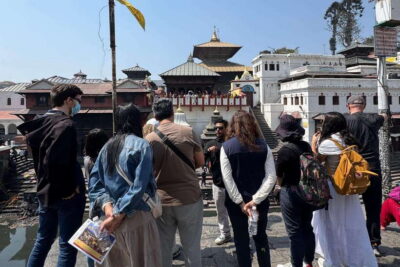
Kathmandu base time: 4 nights gives you breathing room
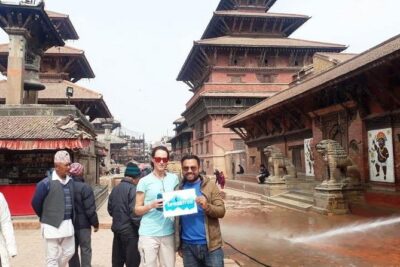
This trip is anchored in Kathmandu, with 4 nights included before the mountain phase. That time matters more than people think. High-altitude travel is not just about summit ambition. It’s also about getting your paperwork right, managing jet lag, and setting up your gear so nothing is rushed.
Also, the meeting point is clearly defined at Tribhuvan Airport in Kathmandu. Pickup is offered, which helps if you arrive with fatigue and a backpack that suddenly feels heavier. The operator lists meeting hours as 9:45 AM to 6:15 PM, Monday to Sunday, within their stated date window.
What I’d watch for: if your arrival lands outside that window, you might need to arrange something yourself, because the details provided focus on pickup and meeting timing. If you can, aim for an arrival that fits their listed service hours.
Trek to the wild valleys: Hongu and Hinku on your route
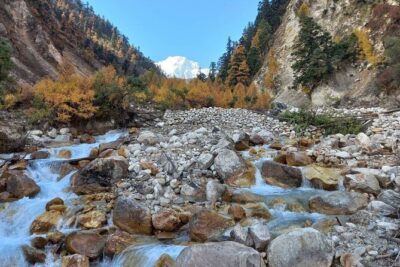
One of the most appealing elements here is the emphasis on exploration, specifically around the Hongu and Hinku valleys. These are the kind of areas that tend to feel remote even when you’re part of a structured climb. You’ll be moving through scenery that feels more “out there,” and that usually makes acclimatization days feel less tedious.
The experience isn’t just about mountains. It also includes cultural time with highland Sherpa communities. That can be more meaningful than it sounds because you’re not just walking from lodge to lodge. You’re living inside a working landscape where the people around you have deep knowledge of the environment you’re entering.
Tea house plus camping: a practical mix
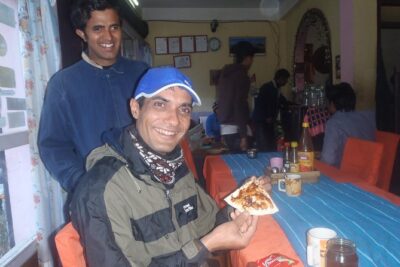
You’ll use a combination of tea house and camping for food and accommodation during the trek. That mix changes what you pack. Tea houses can be simple, but at least they are a roof and a table. Camping means you rely more on what the team brings, which is why the included gear and experienced guide support matters so much.
If you dislike uncertainty, camping days can feel like more work. If you like a more authentic feel and you can handle basic mountain comfort, the mix is often the best of both worlds.
Summit goal without ignoring the safety reality
This is a climbing program, but the trip guidance is refreshingly practical about health. The advice given is exactly what you need to take seriously, because altitude problems are not a “tough it out” situation.
Here’s the core mindset the trip pushes:
- Drink enough water daily, with guidance toward 2 to 3 liters of lukewarm water a day
- Avoid alcohol and smoking
- Eat light food with high calories
- Add ginger and garlic to your food
- Travel to lower altitude if possible for acclimatization based on your condition
That is the part I trust most, because it focuses on daily habits. Most altitude issues start long before something dramatic happens. Hydration, food intake, and pacing are the boring tools that keep you functional.
When to descend, not debate
The plan also gives clear rules for altitude sickness:
- If symptoms are mild, stay where you are, don’t panic, get enough sleep, and keep drinking water.
- If it doesn’t improve even after acclimatizing, you should start descending.
- If it is serious, descend immediately, and guidance includes using Diamox pills.
- A Gamow bag is mentioned as a high-pressure inflatable option to help restore oxygen level and air pressure, with an added instruction to confirm your organizer provides altitude gear.
Now, note what this means for you as a traveler: your summit is not the only goal. Your safety is. That might sound obvious, but on mountains it can get ignored by people who are too focused on reaching the top.
Who leads your climb matters: the Sherpa team and communication style
You’re not just buying a route. You’re buying leadership. The names tied to this operation show up repeatedly: Prakash Devkota is part of the core leadership, and on the ground you may work with Sherpa guides such as Gelchen Sherpa, Sonam Sherpa, Ming-ma, Samdu, Dandee, and Dende.
What I like about that setup is the blend of responsiveness and field experience. One of the practical themes from the stories associated with the team is communication before and during the climb, often via message, and a willingness to adjust plans when the mountain does what it always does: changes the rules.
And speaking of change, your route can be affected by conditions like heavy snow. That doesn’t mean the trip fails. It means you need a team that can solve problems quickly. The guidance around safety and descent decisions suggests an operator that takes that responsibility seriously.
What the trekking and climbing days feel like in practice
Because the detailed day-by-day schedule isn’t fully spelled out here, I’m not going to pretend I know every single stop time. But I can still help you understand how the program likely feels based on what is explicitly included.
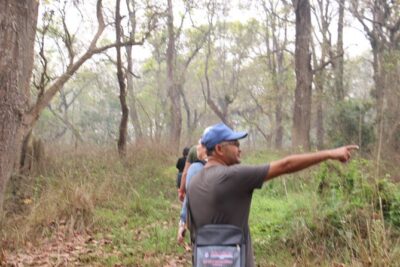
You’ll move from Kathmandu into the Everest-region environment, then into the valleys and trekking areas associated with Hongu and Hinku. During the trek, you’ll alternate between tea houses and camping while you build stamina and acclimatize. Since permits and all necessary climbing gear are included, you’re not stuck in “gear scavenger hunt” mode.
The climbing phase is where the day structure becomes more intense. You’ll manage cold, altitude, and the mental work of long, slow progress. Summit pushes generally depend on weather and how everyone is acclimatizing. So your experience can differ from the ideal photo timeline, and that’s normal in mountains.
What you can control:
- your hydration and eating consistency
- your willingness to tell the guide you’re struggling early
- your compliance with pacing and acclimatization guidance
Gear and packing: don’t confuse included with complete
The trip states that all necessary climbing gears are included. That’s a huge advantage, because it usually means you do not have to line up rentals for the full climbing kit.
Still, the trip also says personal climbing gears are not included. That’s your hint to plan for the items you carry and manage yourself. Even if you only need the basics, you should expect to bring your own personal system for cold weather layers, comfortable hiking footwear, and the usual personal mountain kit.
Altitude gear you should ask about
The safety guidance mentions a Gamow bag and suggests confirming that the organizer provides altitude gears. Don’t treat that as optional trivia. If altitude support gear is part of the plan, it’s better to know before you fly.
Practical tip: ask your organizer directly what altitude equipment is available on your dates, and how it is used when symptoms appear.
Small group size, real decision-making, and smoother pacing
The maximum group size is 15 travelers. In a high-altitude setting, small groups matter because decisions are easier. When someone needs to slow down, rest, or descend, there’s less chaos when the team has more control over logistics.
Also, with an experienced trekking and climbing guide, the group dynamic tends to be more consistent. That matters because pacing problems cause altitude problems. If you start out too fast, you can pay for it later.
Who should book this climb, and who should reconsider
This trip is listed for people with:
- strong physical fitness
- minimum age 18
- willingness to follow altitude rules and descend when needed
You should strongly consider booking if you want:
- a high point in Nepal that is tied to a serious climbing experience
- big view rewards tied to Everest-region peaks
- a program that includes permits, gear, and mountain logistics
- time in Kathmandu before the mountain starts
You should think twice if:
- you are not ready for the altitude discipline required by the safety guidance
- you are uncomfortable with the possibility of route changes due to mountain conditions
- you don’t want to do the daily work of hydration and light, calorie-dense meals
Should you book Nepal Guide Treks and Expedition for Mera Peak?
If you want a guided Mera Peak climb that comes with permits, guide leadership, and necessary climbing gear, this is a logical choice. The inclusion of tea house plus camping and the fact that 4 nights in Kathmandu are already built in also helps you avoid the common headache of turning a climb into a patchwork trip.
My go-to recommendation condition is simple: book if you are fit enough to handle 18 days at altitude and you’re willing to follow the plan around hydration, food, and descent rules. If your priority is a guaranteed summit regardless of conditions, a mountain like this will likely challenge that expectation.
One last practical check: confirm what you personally must bring for your climbing kit, and ask whether altitude support equipment like a Gamow bag is available for your dates. Get those answers early, then focus on doing the altitude basics right. That is what turns Mera Peak from a goal into a memory that feels earned.
FAQ
How long is the Mera Peak climbing experience?
The duration is listed as approximately 18 days and 2 hours.
Where does the tour start in Kathmandu?
The start is at Tribhuvan Airport in Kathmandu, Nepal.
Does the package include time in Kathmandu?
Yes. It includes 4 nights in Kathmandu with a BB plan.
What is included in the climb permit?
Climbing permits for Mera Peak are included.
Are meals and lodging included during the trek?
Yes. The tour includes tea house plus camping combined food and accommodation during the trek.
Do I need my own climbing gear?
Personal climbing gears are not included. The tour states that it includes all necessary climbing gears, but you should still be prepared to bring your personal items.
What support is mentioned for altitude sickness?
The guidance includes drinking enough water, consulting a doctor if available, descending if symptoms worsen or do not improve, and notes Diamox pills and a Gamow bag (high-pressure inflatable bag). It also says to check whether the organizer provides altitude gear.
Is there a cancellation option with a full refund?
Yes. Free cancellation is offered, and you can cancel up to 24 hours in advance for a full refund. If you cancel less than 24 hours before the start time, the amount paid is not refunded.