REVIEW · ANNAPURNA TREKS FROM KATHMANDU

Mardi Himal Trek

5.0 · 41 reviews From $1,058 Operated by Mission Himalaya Trekking · Bookable on Viator
Book on Viator →

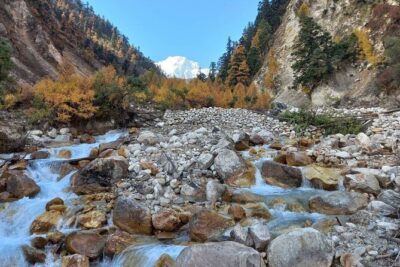
Mardi Himal is a beginner-friendly big-view trek. This 11-day Nepal trek is built around a smart route to Mardi Base Camp, with chances to see Annapurna country and the steep silhouette of Machhapuchhre from different angles. You start near Phedi, work up through Deurali and Forest Camp, and then climb toward the higher ridge where the views finally turn serious.

What I like most is the way the logistics are handled end to end. You get private transfers, Kathmandu and Pokhara hotel nights (3-star with breakfast), and domestic flights between the cities, so you are not spending your vacation juggling tickets. Second, the trekking support is the kind that makes a hard day feel manageable, including a licensed trekking guide, a porter team, and the trek meals and lodge stays, with a down jacket, sleeping bag, and duffel bag available on request.

The main consideration is altitude and weather, especially late in the climb. Even though the trek is considered friendly for beginners, you still reach around 4,500m at base camp, and cold can sneak up fast. One past trekker also noted knee fatigue on a later day, so you will want to pack for descents and take the slow pace seriously.

Key things to love about Mardi Himal Trek

Mardi Himal Trek - Key things to love about Mardi Himal Trek

  • Mardi Base Camp, around 4,500m, is the emotional payoff of the whole route
  • Licensed guide plus experienced porter support keeps the days smooth and safer
  • Permits handled in advance (ACAP and TIMS) so you can focus on walking
  • Altitude-friendly pacing, with shorter trekking days once you are above 3,000m
  • Rhododendron-season scenery in spring when the hills turn colorful
  • Photo-friendly, high-effort guides are a recurring theme in how groups describe their trip

Value and logistics: what $1,058 covers (and why it matters)

Mardi Himal Trek - Value and logistics: what $1,058 covers (and why it matters)
At $1,058 per person for roughly 11 days, this trek is priced like an all-in package, not a shoestring adventure. And for Mardi Himal, that is a good thing. The biggest time-savers are the included domestic flight, private vehicle transfers, and the fact that permits and staffing are built into the plan.

Here is what you are actually paying for:

  • Private airport and city transfers in Kathmandu and between the sightseeing blocks
  • Kathmandu to Pokhara and back by domestic flight, including for the guide
  • 3-star hotel stays in both Kathmandu and Pokhara with breakfast
  • ACAP and TIMS permits (the paperwork can be the annoying part if you do it yourself)
  • A government-licensed trekking guide plus a strong, experienced porter
  • Lodge accommodations on the trek (twin sharing) and the bulk of trek meals

The tradeoff: you still cover your own visa, international flights, and travel and rescue insurance. Also, drinks, WiFi, and hot shower access are not included, and tipping is on you. If you like keeping the trip totally predictable, budget a bit extra for those “small” day-to-day costs, because they add up in Nepal just like anywhere else.

You can also read our reviews of more hiking tours in Kathmandu

Kathmandu to Pokhara: smoothing out the start of your trek

Mardi Himal Trek - Kathmandu to Pokhara: smoothing out the start of your trek
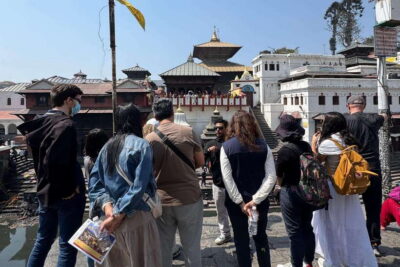
Your trip starts in Kathmandu, meeting at Mission Himalaya Treks and Expeditions in the Thamel area. After you handle entry authorization at the airport, you get driven to Thamel to check in and settle.

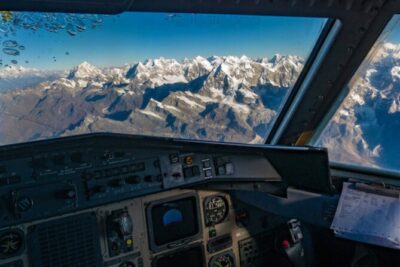
Then comes a key move: an early flight from Kathmandu to Pokhara. That matters because it compresses travel time so you can start trekking without burning a full day just getting to the trail region. From Pokhara, you drive to Kande to begin the hiking portion, which keeps the early days from feeling like pure transit.

If you are new to trekking, I like this setup. You do not have to learn Nepal logistics while also dealing with altitude. You get a real buffer day structure, then you walk when your body is ready.

Getting on the trail: Phedi, Deurali, and Forest Camp

Mardi Himal Trek - Getting on the trail: Phedi, Deurali, and Forest Camp
The trek starts from the Phedi area, and day one on trail feels like a gentle opening act. You move through Deurali village and then continue toward Forest Camp, with total hiking time around half a day to full-day range depending on the day’s pacing.

Why this early portion is smart:

  • It helps your legs loosen up before the steeper climb phases.
  • The villages and lower camps let you dial in your gear, water routine, and footing.
  • Rhododendron woodland scenery can show up along the way, especially in spring, when the hills look almost painted.

The best advice here is simple: treat the first walking hours as training, not as a contest. If you force a fast pace early, you will pay for it later at altitude, especially on the sections that people often describe as the most exhilarating, and most demanding.

Above 3,000m: the “shorter days” that actually protect your trip

Mardi Himal Trek - Above 3,000m: the “shorter days” that actually protect your trip
Once you are above about 3,000 meters, the plan shifts to acclimatization. Distances can be shorter, and the trekking schedule helps you adjust rather than just grind higher.

In practical terms, this means:

  • You will have days with around 5 hours of trekking where the goal is altitude adaptation.
  • You are encouraged to stay well hydrated to reduce altitude strain.
  • Lunch stops at lower points like Low Camp help break the day into manageable chunks.

This is also where you will start to feel the emotional rhythm of Mardi Himal. The views get bigger and the air gets thinner, but the route gives you recovery windows. That balance is one reason Mardi Himal is often picked by first-timers who still want real Himalayan payoff.

The climb that people remember: High Camp to Mardi Base Camp

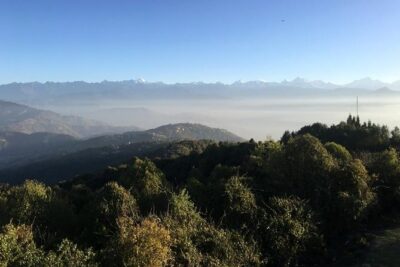
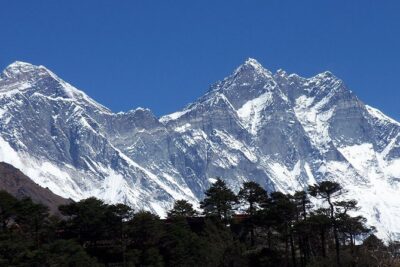
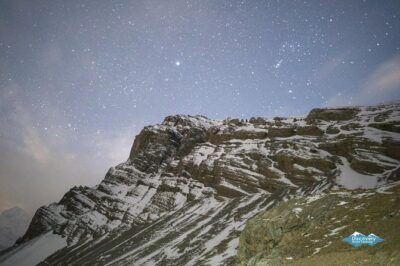
This is the heart of the trek. You work from the mid-camp zone toward Mardi Base Camp, with a full higher-effort day that can run around 7 hours depending on conditions. Along the way, you get a viewpoint moment where panorama is the main event, including sights tied to the Annapurna range and Machhapuchhre’s famous shape.

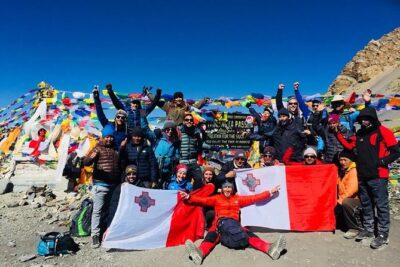
Reaching base camp, around 4,500m, is where the story tends to land. A recurring theme from trekker feedback is that the final push can feel overwhelming in the moment, but also deeply satisfying at the top. Some people describe it as tears-of-joy accomplishment territory, which makes sense. You are not just hitting a summit marker, you are stepping into a high-altitude pocket where the entire Himalayan view changes scale.

What to watch for on the climb:

  • Cold can arrive even when the weather was fine earlier.
  • Your energy management matters more than raw speed.
  • Descents feel hard on knees, so trekking poles and careful foot placement help.

If you take one thing from this part of the trek, make it this: the climb is worth slowing down. Your goal is to arrive feeling steady, not wrecked.

Here's some more things to do in Kathmandu

Down into alpine beauty: Sidhing and the rhododendron-pine corridor

After base camp, the route turns toward Sidhing (sometimes written as Sidding in travel notes) with around 6 hours of walking that includes a descent component. This is a good chance to enjoy the “different mountain” feeling, where you are not only going higher, you are moving through alpine zones.

You can expect pathways through rhododendron and pine trees. The change in vegetation is more than pretty, it gives your brain a break. When you are staring at your next step for hours, variety helps you stay mentally fresh.

There is also flexibility in how the day breaks based on time, with stops that can include eating at low camp. If you are the type who likes a clear plan, bring a small amount of patience here. Mountain timing is not always clockwork.

Lwangghale and Lwong: the scenic highlight with flatter walking

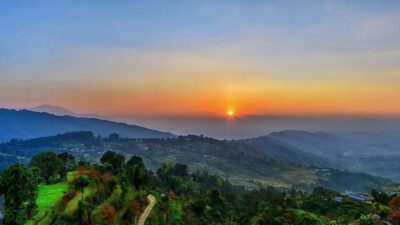
One day is often described as a highlight for its scenic, mostly flat route. You head toward Lwong and then Lwangghale, with about 6 hours of trekking. In the middle, you get the small-village contrast that makes Mardi Himal feel less like a theme-park trail and more like real mountain life.

A nice detail: there is time for wandering around Lwong in the morning and enjoying sunrise views from tea garden country. After that, the day’s structure includes heading back to your guesthouse for downtime, which matters if you want to keep your appetite and sleep quality intact before the final stretch.

If you care about authenticity, this is one of the sections that tends to feel human. You are not just passing points on a map, you are moving through lived-in places.

Pokhara wind-down: lakeside morning and guided sightseeing

When the trekking part ends, you fly back to Pokhara and then spend time sightseeing. There is a morning block where you can enjoy Pokhara’s lake setting and then a guided exploration of popular nearby spots.

Based on the included options, you may visit attractions such as Davis Waterfall and Gupteswor Mahadev. The point of this part is recovery plus culture. You have walked on trails with thin air for days, so a few paced activities and a comfortable hotel night makes the whole trip feel complete.

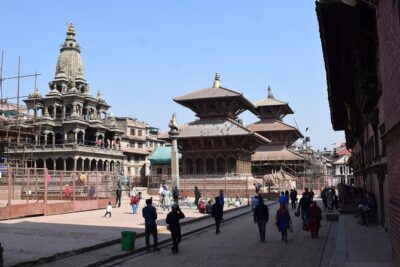
Then, on the final day, you return to Kathmandu with a town guide for culture time. The itinerary notes include exploring popular Kathmandu destinations, again with a guide. It is a practical way to finish, especially if you want to do it right and not spend your last hours lost in transit.

Lodges, meals, and the gear loan that makes cold nights survivable

Trek lodging is in the best available lodges on a twin-sharing basis. This is a common trekking reality in Nepal, and it is exactly why the included structure is useful. You are not deciding each night on the fly, and you get the same kind of routine from lodge to lodge.

Meals are included on the trek: breakfast is listed for 10 days, lunch for 8 days, and dinner for 8 days. I like this because it reduces decision fatigue, particularly at altitude when you just want to know you will be fueled.

Your gear support is also worth highlighting:

  • Down jacket, sleeping bag, and duffel bag are available on request
  • You return the items after the trek

Even if you already own trekking gear, this can be a value boost. If you are traveling light or trying to avoid bulky airline luggage, borrowing winter-rated items can make your trip much easier logistically.

And yes, cold matters. One trekker comment specifically pointed out that you should bring enough warm layers for higher elevations. That is consistent with real mountain logic, so plan your layering like you mean it.

Acclimatization, safety rhythm, and what to pack for real mountain days

Altitude management here is built into the schedule with shorter trekking days once you are above 3,000m. You are also encouraged to stay hydrated to lower altitude discomfort risks. That is the plan.

But there are also the “you” factors that determine whether the trek feels great or rough:

  • Warm layers you can actually layer fast: daytime warmth and night cold can swing quickly.
  • Good traction for rocky descents, especially because knee fatigue is a known issue on later days for some people.
  • Trekking poles if your knees are sensitive. Even if you do not need them every step, they can save you on the downhills.
  • Hydration and steady snacks rather than relying on a big meal only once a day.

Because the route includes descents as well as climbs, take downhill days seriously. That knee fatigue note is not a warning to scare you off, it is just data to help you prepare.

Finally, the staffing matters. You get a porter with meals, accommodation, salary, and insurance included. That means you can lighten what you carry, and that often improves comfort more than people expect.

Who this trek suits best

This is a good fit if you:

  • Want a trek that is approachable for novice hikers, while still delivering genuine Himalayan views
  • Prefer a private, organized structure rather than self-booking every step
  • Value having permits, guide services, and lodge logistics handled for you
  • Like the idea of combining trekking with city recovery time in Kathmandu and Pokhara

It may be less ideal if you:

  • Have a very strict budget mindset where you want to do everything independently
  • Hate cold weather and want guaranteed warm days all the way through
  • Want maximum flexibility to change the route daily, because the trip is planned with a set flow and distances

Should you book the Mardi Himal Trek with Mission Himalaya?

If you want a rewarding Himalayan trek without the stress of organizing permits, lodging, staffing, and transport, I think booking makes sense. The value is in the package: domestic flights, private transfers, licensed guiding, porter support, lodge stays, and the practical gear loan. For $1,058, you are buying less hassle so you can focus on your pace and the views.

My “yes, book it” rule is simple: if you are excited by the idea of reaching base camp around 4,500m and you are willing to respect acclimatization and cold, this trek can be a high-return trip. If you are worried about knees or winter layers, plan smart, take the slower pace seriously, and pack warm.

FAQ

What is the duration of the Mardi Himal Trek?

The trek is listed as 11 days approximately.

Where does the trek start and where does it end?

The trek starts from the Phedi area and the full experience ends back at the meeting point in Kathmandu.

What is included in the trek meals and lodging?

On the trek, breakfast is included for 10 days, lunch for 8 days, and dinner for 8 days. Lodging is included in best available lodges on a twin-sharing basis.

Are permits included?

Yes. The required permits for the trek are included, specifically ACAP and TIMS.

Do you provide trekking gear like sleeping bags or warm jackets?

Yes. A down jacket, sleeping bag, and duffel bag are available on request, and you return them after the trek.

How do you travel between Kathmandu and Pokhara?

You take domestic flights between Kathmandu and Pokhara and back as part of the package, including for the guide.

Is this trek suitable for beginners?

It is marketed as a popular option for novice hikers because the trail is relatively easy, though it is still challenging due to altitude and the base camp climb.

Is international travel insurance included?

No. Travel and rescue insurance are not included, so you will need to arrange that separately.

What is not included in the price?

International air tickets and Nepal visa fees are not included. Meals in Kathmandu and Pokhara are only included where specifically mentioned, and personal expenses like drinks, WiFi, hot shower access, and tipping are also not included.

More Hiking & Trekking Tours in Kathmandu