Kathmandu: Chisapani Nagarkot 3-Days 2-Nights Trek

REVIEW · NAGARKOT SUNRISE & HIKING TOURS

Kathmandu: Chisapani Nagarkot 3-Days 2-Nights Trek

4.8 · 29 reviews 3 days From $190 Operated by Breakfree Adventures Pvt. Ltd. · Bookable on GetYourGuide
Book on GetYourGuide →

Himalaya views without a tough altitude climb. This 3-day trek from Sundarijal to Chisapani to Nagarkot is designed for big panoramas (think Langtang and more) while staying at moderate elevations. I love that it gives you Himalayan vistas without the added risk and stress of high-altitude hiking.

I also love the English-speaking guide setup, with licensed guides such as Dipak Karki, Govinda Pathak, and Ramesh mentioned in past trips. The main consideration is simple: the views are weather-dependent, so plan for fog or rain, especially in the monsoon season.

Key highlights at a glance

Kathmandu: Chisapani Nagarkot 3-Days 2-Nights Trek - Key highlights at a glance

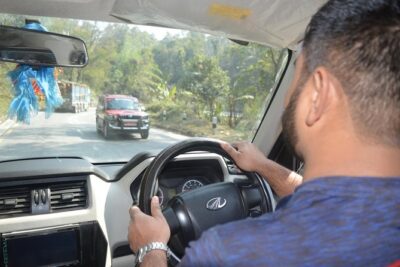
  • Private vehicle transfers: hotel pickup in Kathmandu valley (inside ring road) and rides at both ends
  • Three classic trekking days: Sundarijal, Chisapani, Nagarkot, then down to Changu Narayan
  • Moderate elevations: high enough for views, low enough to avoid the big-altitude game
  • Licensed English guide: route help plus Nepal culture and nature context
  • Sunrise focus: an early wake-up in Nagarkot to try for clear-morning mountain light

Why this Nagarkot trek feels doable but still delivers mountain views

Kathmandu: Chisapani Nagarkot 3-Days 2-Nights Trek - Why this Nagarkot trek feels doable but still delivers mountain views
This is a short trek with a clear payoff: you move through forests and villages for 5 to 7 hours a day, then you get framed Himalayan viewpoints at the right moments. The elevations listed on the route give you a reality check. You start at Sundarijal (1,460m), climb to Chisapani (2,165m), reach Nagarkot (2,175m), then end at Changu Narayan (1,541m). That’s high enough to feel like the mountains, but it avoids the extreme altitude that turns trekking into a medical risk.

What you are really buying with this tour is not just walking. It’s the combination of a guided route through Shivapuri National Park, lodge stays in the right towns, and private transport that keeps your logistics from eating your energy. That matters on a 3-day itinerary. You want your brain focused on the trail, not on timing buses or trying to find the right guest house.

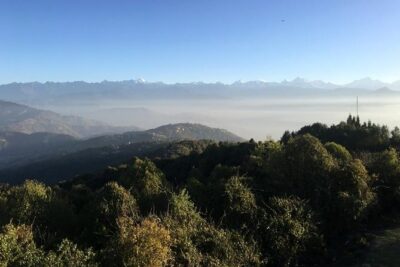
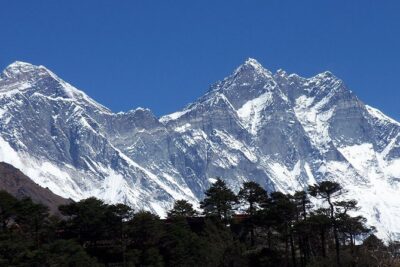
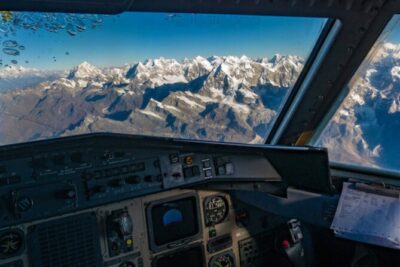
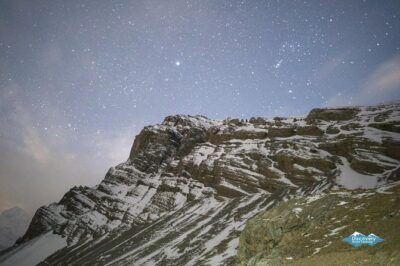
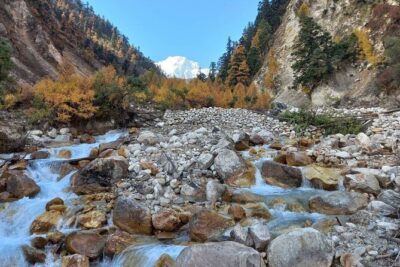
And yes, the views are the star. On clear days you can spot Himalayan ranges including Langtang. On cloudy days, the trek still has value: village life, terraced fields, and forest walking are real experiences even when the skyline disappears behind mist.

Day 1: Sundarijal to Chisapani through Shivapuri National Park

Kathmandu: Chisapani Nagarkot 3-Days 2-Nights Trek - Day 1: Sundarijal to Chisapani through Shivapuri National Park
You start the day with a hotel pickup in Kathmandu valley (inside the ring road) and then a 1-hour private drive to Sundarijal, the trailhead at 1,460m. From there, the trek begins uphill following a large water pipe coming down from the Sundarijal Reservoir. It is a small detail, but it gives you a clear sense of direction right away, and it hints that this is a working landscape, not just a postcard path.

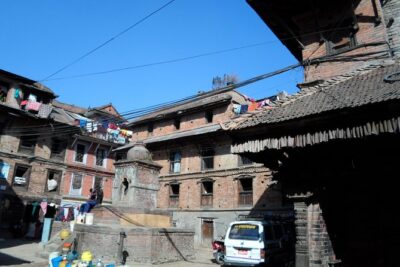
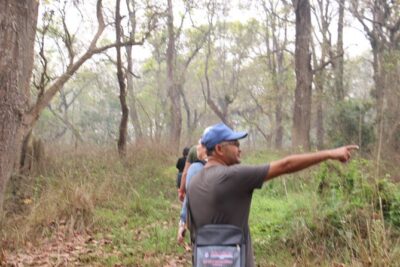
Next you enter Shivapuri National Park. The route climbs toward Mulkharka Village, then passes through Tamang Village before reaching Chisapani. That mix is what makes Day 1 feel like Nepal rather than just exercise. You are walking through real communities and seeing how the trail threads between forest, farms, and local life.

Chisapani sits at 2,165m, so the last part of the day naturally cools off and often tightens the air with that higher-altitude crisp. The plan also builds in a sunset moment. If the sky cooperates, you get evening mountain light right from the lodge area, which is a great way to transition into your first night.

Time check: expect about 5 to 6 hours hiking on Day 1, plus that initial drive. The elevation gain is meaningful, and you should be ready for stairs and uphill stretches. That said, the day is not a full endurance march. The goal is to set you up for a solid second day, while still giving you a scenic warm-up.

Day 2: Chisapani to Nagarkot via Jhule, Chauki Bhanjyang, and terraced fields

Kathmandu: Chisapani Nagarkot 3-Days 2-Nights Trek - Day 2: Chisapani to Nagarkot via Jhule, Chauki Bhanjyang, and terraced fields
Day 2 is the longest walking day in the plan, listed as 6 to 7 hours. After breakfast, you climb through lush forest before descending toward Jhule and Chauki Bhanjyang. This up-down pattern is common on the Kathmandu Valley outskirts, and it’s part of why the day feels interesting instead of repetitive. You get shade and green sections on the climb, then open up to village viewpoints as you drop.

The trail then crosses villages and terraced fields, and you reach Kattike Bhanjyang. From there, you have an ascent up to Nagarkot. That last push is where the day earns its keep. Nagarkot is the classic viewpoint town for a reason. It sits at about 2,175m, and it is positioned for those sweeping mountain lines when visibility is good.

If you are trying to maximize your chance of seeing Langtang and other ranges, Day 2 is your critical hinge day. Not because it is the highest point, but because your body is fresh enough to enjoy the final uphill without feeling totally cooked. In monsoon season, the hike can still be memorable even if the peaks are hidden, but you have to accept that the skyline is not guaranteed.

Lodge reality: this day ends in Nagarkot, and the tour includes accommodation with breakfast plus an attached bathroom there. That’s a thoughtful practical upgrade for a trek night, especially when the weather is wet and you want comfort after a long walk.

Day 3: Changu Narayan temple, Bhaktapur and Kathmandu views, and the sunrise attempt

Kathmandu: Chisapani Nagarkot 3-Days 2-Nights Trek - Day 3: Changu Narayan temple, Bhaktapur and Kathmandu views, and the sunrise attempt
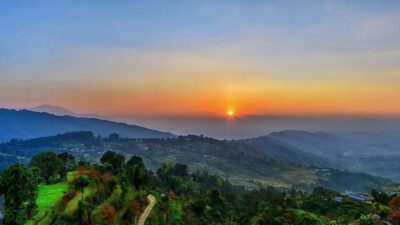
The final day starts early so you can try for sunrise over the Himalayas. Waking up for this is not optional in spirit. If you want that mountain light, you need to be up and moving at dawn. If the sky clears, it can be stunning. If not, the early start still gives you cooler air for walking and a calmer mood on the trail.

After breakfast, you hike from Nagarkot to Changu Narayan, with the route listed at about 3 to 4 hours. The trail descends via Telkot. This is a nice change of pace after Day 2’s climbing, and it tends to feel easier on the legs even when the steps are still there.

One of the best parts of this segment is the bird’s-eye view you get en-route. You look down toward both Bhaktapur and Kathmandu. It is a great moment to connect the dots between the city you came from and the mountain towns you visited for three days.

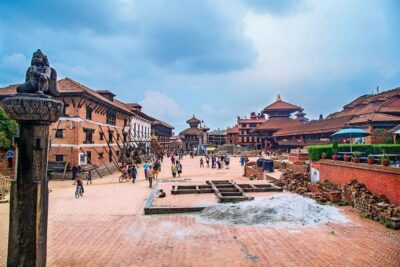
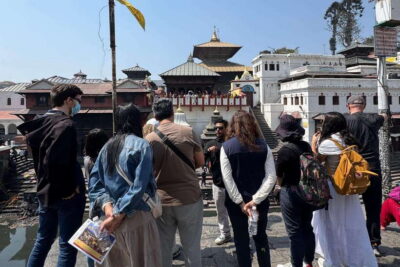
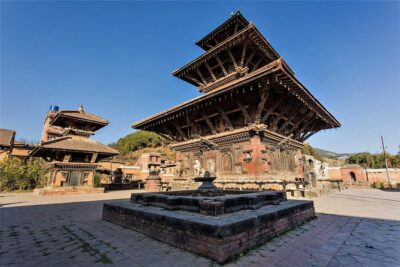
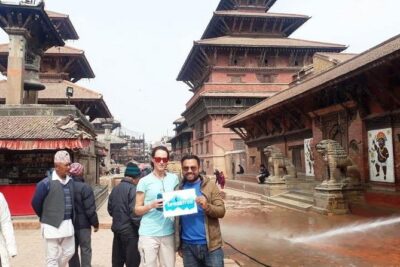
Then you reach Changu Narayan, which includes the chance to see the 323 A.D. temple. The temple is the cultural punchline of the route. This is not just a trek that ends in another town. It ends in one of the valley’s historic sites, which gives your last hours a different kind of payoff.

After you meet your vehicle at Changu, you drive back to Kathmandu. The drive time is about 1 hour, so you still get a meaningful end-of-trip reset. Plan for a smooth, low-stress finish.

Guides and lodging: where the trip gets its personality

Kathmandu: Chisapani Nagarkot 3-Days 2-Nights Trek - Guides and lodging: where the trip gets its personality
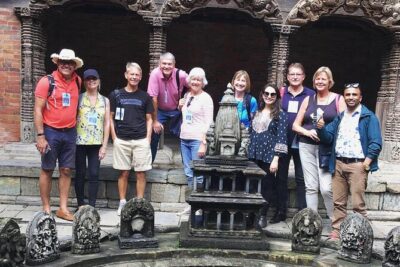
A big part of why this trek gets such strong feedback is the guide experience. Past trips reference guides like Dipak Karki, Govinda Pathak, and Ramesh, and the pattern across these names is clear: you get an English-speaking guide who talks through the route and Nepal context, and who keeps things moving at a comfortable pace.

That matters most when the trail gets wet or visibility drops. If you hit fog, you rely on good wayfinding, not luck. And when skies open up, you want the guide to help you understand what you are looking at, not just point at the mountains.

Lodges are included, but they are still lodges. In Chisapani, the accommodation is described as best available with breakfast. That phrasing is a hint that you should expect simple comforts, not modern hotel standards. One past traveler noted an issue with room cleanliness and missing toilet paper, so you’ll want to travel with small backups like tissues. In Nagarkot, the tour includes a place with an attached bathroom, which is a real quality-of-life upgrade.

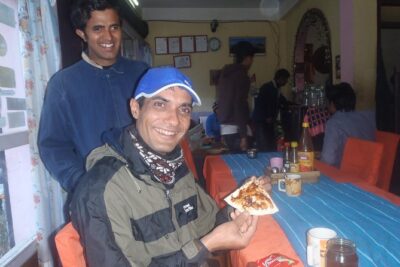
Food and drinks are not included, which means you will likely buy lunch and dinner on your own. That is a normal setup for treks in this area. The upside is flexibility. You can stop where it feels right and keep moving when you want to.

Price and logistics: what you’re paying for at $190 per person

Kathmandu: Chisapani Nagarkot 3-Days 2-Nights Trek - Price and logistics: what you’re paying for at $190 per person
At $190 per person, this trek can feel like a good deal or a slightly pricey one, depending on how you travel. Here’s what the price includes in practical terms:

  • Hotel pickup and drop-off in Kathmandu
  • Private transport: Kathmandu to Sundarijal, and Changu Narayan back to Kathmandu
  • Lodging: Chisapani guest house with breakfast, plus Nagarkot accommodation with breakfast and attached bathroom
  • Hiking and National Park permits
  • A highly experienced licensed guide
  • All necessary taxes

What you pay for separately:

  • Lunch and dinner (food and drinks not included)
  • Porter if needed (not included)

So where does the value come from? You are paying for route certainty and time savings. Private transfers remove the guessing game around public transport schedules. Permits and a licensed guide reduce risk and paperwork stress. And because this is only 3 days, those saved hours have a direct impact on how much trekking you actually get.

If you are traveling solo, the cost can feel higher than group-based options, because it is a per-person price and you still need transport and guide support. If you can share the trek with others, the experience often feels even more cost-friendly, but that depends on availability.

What to pack for cold mornings and monsoon unpredictability

Kathmandu: Chisapani Nagarkot 3-Days 2-Nights Trek - What to pack for cold mornings and monsoon unpredictability
Even if you are fit, you are walking in a mountain climate. The tour lists what to bring, and it is spot on for this route:

  • Windbreaker
  • Rain gear
  • Hiking shoes
  • Warm clothing

I’d add one practical mindset: treat this as a walking trip that may include wet ground and mist. Shoes with grip matter. A windbreaker helps when the temperature drops near dusk and dawn, especially on sunrise day. Warm layers are key because early mornings in Nagarkot can feel colder than the city.

Also consider small trail comfort items since lunch and dinner are not included. Your guide can point you toward food stops, but you should be ready to handle basics on your own between towns.

Is this trek for you? Best-fit traveler profiles

Kathmandu: Chisapani Nagarkot 3-Days 2-Nights Trek - Is this trek for you? Best-fit traveler profiles
This trek is a good match if you want:

  • Himalayan views without extreme altitude
  • A guided trail through forest and villages, not just a viewpoint transfer
  • A short, structured itinerary with lodge stays and private rides
  • Sunrise as part of the plan, not a lucky bonus

It is also a solid choice if you like cultural stops. Ending at Changu Narayan gives you a historic temple visit that is more meaningful than just finishing at another hotel.

I would think twice if you:

  • Hate stairs and uphill sections (Day 1 includes uphill stairs, and Day 2 includes long hiking hours)
  • Expect guaranteed mountain visibility in all weather
  • Need high-end hotel comfort at every stop (lodges in Chisapani are basic by nature)

Should you book this Kathmandu valley trek?

Kathmandu: Chisapani Nagarkot 3-Days 2-Nights Trek - Should you book this Kathmandu valley trek?
I’d book it if your goal is a focused 3-day trek that combines Himalayan viewpoints, a licensed English guide, and easy logistics with private transport at both ends. The price makes sense because it covers permits, guide support, and the hard-to-organize parts, while leaving you flexibility for lunch and dinner.

If you are sensitive to bad weather, keep your expectations realistic. This itinerary is designed for the trail experience first, with mountain views as the high reward when skies are clear. If that sounds like your style, you’re likely to enjoy this trek a lot.

FAQ

What does the trek cover, day by day?

Day 1 is a drive from Kathmandu to Sundarijal, then hiking to Chisapani. Day 2 hikes from Chisapani to Nagarkot. Day 3 is an early sunrise wake-up, hiking to Changu Narayan, then a drive back to Kathmandu.

How long is the hike each day?

The hike time is listed as:

  • Day 1: about 5 to 6 hours
  • Day 2: about 6 to 7 hours
  • Day 3: about 3 to 4 hours, plus about 1 hour driving back to Kathmandu

What is included in the $190 per person price?

Inclusions listed are Kathmandu hotel pickup and drop-off, private transport to Sundarijal and from Changu Narayan back to Kathmandu, lodge/guest house accommodation with breakfast in Chisapani and breakfast plus an attached bathroom in Nagarkot, permits, and a licensed English-speaking guide, plus taxes.

Are lunch and dinner included?

No. Food and drinks for lunch and dinner are not included.

Do I need a porter?

A porter is not included if you need one. If you think you’ll want extra help carrying gear, plan for that as an additional cost.

What language is the guide?

The guide provides live guiding in English.

What should I bring for this trek?

Bring a windbreaker, rain gear, hiking shoes, and warm clothing.

Is cancellation free if plans change?

Yes. Free cancellation is listed up to 24 hours in advance for a full refund.

Is this trek available year-round?

It says the trek departs daily all year round, but mountain views can still depend on weather conditions.