Manaslu Circuit Trek 8th Highest in the World

REVIEW · MANASLU CIRCUIT TREKS FROM KATHMANDU

Manaslu Circuit Trek 8th Highest in the World

5.0 · 14 reviews From $1,600 Operated by Adventure Glacier Treks & Expedition · Bookable on Viator
Book on Viator →

One word: remote. The Manaslu Circuit trek is a restricted-region journey to the world’s eighth-highest peak, with dramatic valleys and village-to-village culture along the Budhi Gandaki. What makes it especially interesting is how the route controls crowds, plus the strict rules that keep the experience grounded and properly organized.

I especially like the way this plan blends big-mountain effort with cultural stops, from Buddhist signs early on to Tibetan-influenced Samagaun and Samdo later. I also like that the itinerary builds in pacing, including an early start for sunrise at the pass to avoid worse wind. One drawback to consider: you need strong physical fitness, because this is a true circuit with long hiking days and a high pass day.

Key Points That Matter Before You Go

Manaslu Circuit Trek 8th Highest in the World - Key Points That Matter Before You Go

  • Restricted area trekking with permits: You are in a regulated zone that requires special permits and rules, which usually means better structure on the ground.
  • Larkya La timing is planned: You leave early for sunrise and try to beat strong winds later in the day.
  • Tibetan influence shows up clearly: Samagaun and Samdo feel culturally different from lower Nepal, with the scenery and daily life matching.
  • A real side option near Samdo: There’s an optional 8-hour side trip to the Tibetan border area, with packed lunch and water.
  • Your logistics are mostly handled: Airport pickup, Kathmandu hotel nights, a guide and porters, guesthouse stays, and three meals are included.
  • The crew quality gets praised by name: Past trips highlighted staff like Roshan, Sudip, Samir, and Dil for kindness, safety awareness, and practical help.

Manaslu Circuit Trek: Why This Restricted-Region Route Feels Special

Manaslu Circuit Trek 8th Highest in the World - Manaslu Circuit Trek: Why This Restricted-Region Route Feels Special
If you want Nepal without the constant traffic, the Manaslu Circuit is built for that. The trek runs through a restricted area, and entry requires permits. The result is a route that tends to feel calmer and more intimate than the most famous paths.

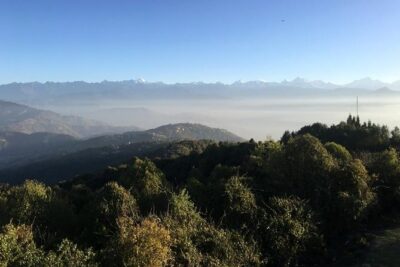
This matters because your time on the trail changes. Instead of bouncing between hotspots, you move through a chain of villages and valleys where you can actually notice how people live and work. You also see the Himalayan backdrop as it shifts day by day, not just as one dramatic photo moment.

And because the trek is regulated, you also get a built-in level of organization. The rules require trekking with a registered Nepali trekking company and a minimum group size, meaning you should not get the chaotic, fly-by-night feeling some adventures can have.

You can also read our reviews of more hiking tours in Kathmandu

Price and Logistics: What You’re Paying For (And What You’re Not)

Manaslu Circuit Trek 8th Highest in the World - Price and Logistics: What You’re Paying For (And What You’re Not)
At $1,600 per person for about 14 days, this is not a budget trek. But it is also not just “a guide and a checklist.” The included package covers a lot of the stuff that usually costs extra or creates headaches: airport pickup and drop, 3 nights in Kathmandu at tourist standard hotel, ground transportation, necessary permits (including a special permit for $100), and entrance fees.

On the human side, it includes a professional guide plus porters and their expenses, including insurance and equipment. That matters on a circuit like this, where you want someone to handle the timing, the rhythm of the day, and the practical decisions that come up when weather or trail conditions change.

You also get guesthouse accommodation during the trek and three meals a day on the trek (breakfast, lunch, dinner as listed in the itinerary). That lowers cost uncertainty and helps you focus on hiking instead of meal planning.

Not included is the usual stuff that can surprise people: beverages, tips, insurance, personal and nature expenses, and food in Kathmandu except the daily breakfast. If you know you spend a lot on drinks and snacks, budget that in ahead of time so the final total matches your expectations.

Fitness Reality Check: This Is Not a Gentle Walk

This trek asks for strong physical fitness. That sounds obvious, but it’s worth treating as a real warning, not a marketing line. Your days include long hiking stretches, plus a high pass day with early timing and steep sections.

The itinerary also suggests you’ll feel the climb and changes in altitude and temperature as you progress. Nights get cooler as you move through forests and higher terrain, and you’ll notice the body adapting. If you tend to undertrain, this is the kind of trek that punishes that choice.

Good news: the route itself is structured, so you are not just thrown into suffering. There are days focused on descent and transition, plus the schedule includes that important early departure logic for the pass. Still, you should come ready, not hopeful.

Day 1 in Thamel: The Welcome That Sets the Pace

Manaslu Circuit Trek 8th Highest in the World - Day 1 in Thamel: The Welcome That Sets the Pace
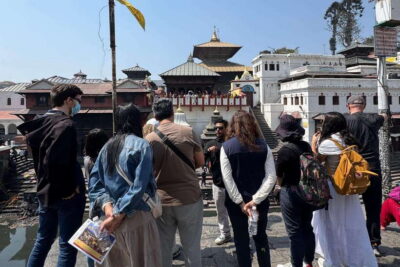
Your trip begins in Kathmandu, with pickup timed to your flight arrival. You start in Thamel, then check into your hotel and get a trek briefing. This first day is less about sightseeing and more about getting your bearings fast.

The value here is simple: you get a clear plan before you leave the city. That reduces stress when the next days move into road travel and then proper trekking.

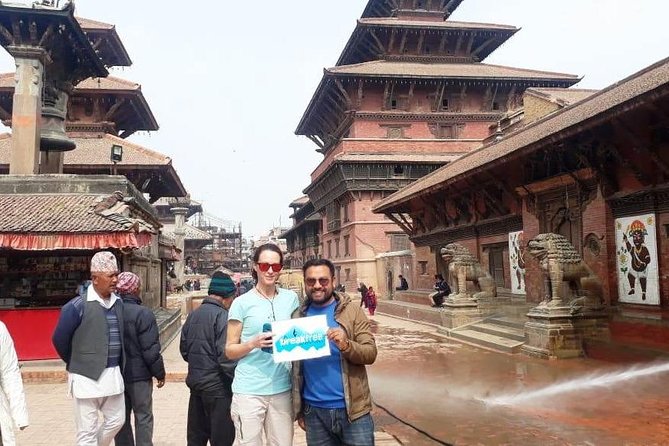
Day 2 in Kathmandu Durbar Square: Gear Check and a Valley Day

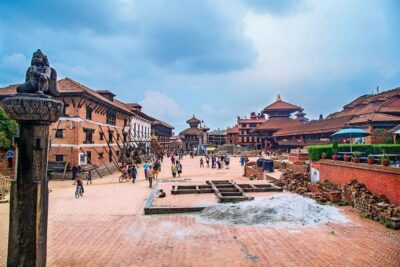
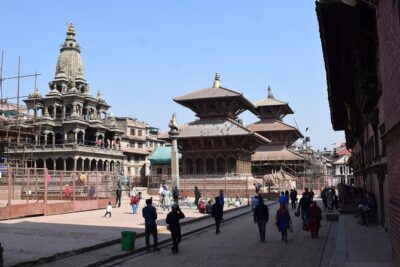
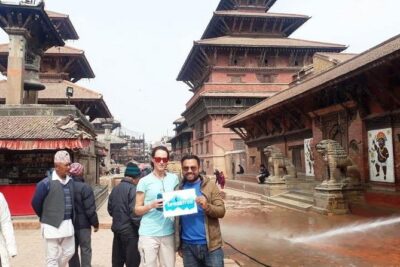
Day 2 includes Kathmandu Valley time, with Kathmandu Durbar Square mentioned as part of the plan. Before you get going, the team analyzes the gear you need for the trek and can recommend buying, renting, or receiving items through them if you do not have what you need.

If you have never done a multi-day trek before, this gear check is one of the most useful parts of the whole schedule. It helps you avoid the classic mistakes: carrying too much you do not need, or arriving underprepared.

Here's some more things to do in Kathmandu

Days 3 to 4: Machha Khola and the First Big River Valley

Manaslu Circuit Trek 8th Highest in the World - Days 3 to 4: Machha Khola and the First Big River Valley
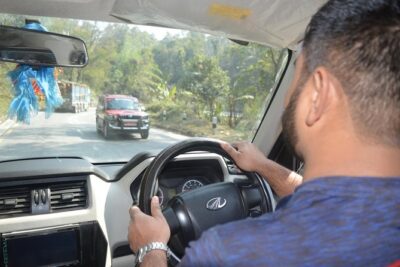
On Day 3, you drive to Machha Khola. The itinerary flags that road conditions can make the ride lengthy and bumpy, so you can treat this as a scenery day plus a gentle first hit of local travel pace.

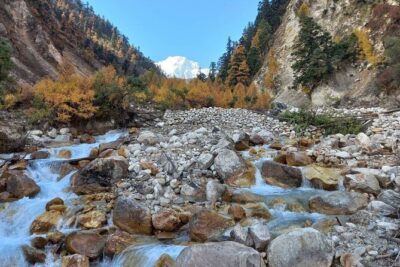
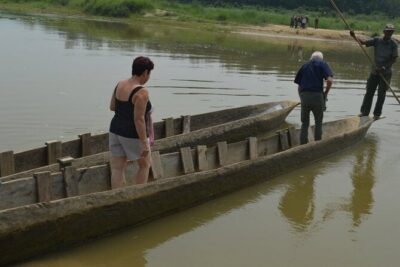
Day 4 shifts into hiking. You cross a river and ascend to Khorla Besi from Machha Khola, then walk along a river valley with waterfalls and landslides visible along the way. Tatopani village is your target, and it is described as known for natural hot springs. Even if you do not plan to spend hours bathing, the village stop gives you a real sense of how people use the land here.

One practical note: the river valley terrain can feel slippery depending on conditions. Go slow on the first descents, because your legs are still learning the trail rhythm.

Day 5: Sirdibas, Salleri, and First Himalayan Backdrops

Day 5 includes trekking to Sirdibas, then continuing to Salleri. You see your first signs of Buddhist culture on this segment, which matters because Manaslu is not only a mountain route. It’s a cultural route, too.

Along the way, you pass along the riverbed and then over a rocky ridge, finishing with views of Sringi Himal (7,187 m). That combination, river motion and ridge views, is a good training day. It also gives you an early lesson in how quickly the scenery can shift when you change from valley hiking to ridge travel.

Day 6: Namrung and the SringiKhola Valley Approach

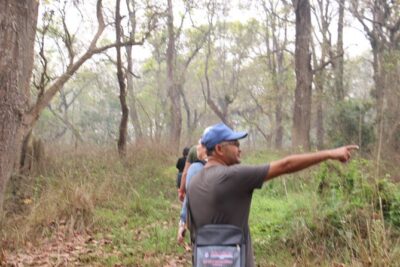
Day 6 moves you through forest terrain and toward the village of Ghap, after trekking down to the SringiKhola Valley and crossing a river. The itinerary notes forests and Himalayan views becoming more noticeable as you move forward.

This is one of the “feel it getting real” days. You can sense the ascent in your legs, and cooler nights are mentioned as part of the change. For many people, this is where the mental shift happens, from vacation mode into trek mode.

Day 7: Samagaun and the Manaslu Viewpoint Moment

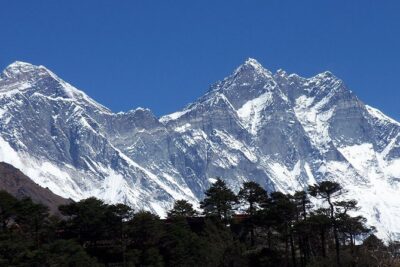
Day 7 heads to Samagaun. The itinerary explicitly calls out Tibetan culture influence here, and that the cliffs disappear as you trek into a valley with views of Manaslu (8,163 m), Manaslu North (7,157 m), and Naike Peak (5,515 m).

This is a standout day because it’s where the mountain becomes the main character. The trek also includes a village-to-valley change that makes the route feel alive, not repetitive.

The drawback, if you are sensitive to long walking days, is that you are chasing both elevation and views. You’ll want to pace so you can actually enjoy the scenery when it arrives.

Days 8 and 9: Samdo, Juniper Forests, and Optional Border Trek

Day 8 describes an easier-looking day with mostly flat trekking through juniper and birch forests via KermoKharka, then descending to cross a river and reaching the area where Budhi Gandaki and ShyaleKhola meet. That mix is useful. You get forest walking, then you transition into the braided energy of a major river system.

Day 9 offers a choice. You can take an interesting 8-hour side trip to the Tibetan border area with packed lunch and plenty of drinking water. Or you can simply walk around Samdo and observe daily life.

This is a smart flexibility tool built into the schedule. If you feel good that morning, you can push for the border area. If you need a lighter day to recover, you can keep it local and steady. Either way, you gain a different kind of understanding of the region.

Days 10 to 11: The Larkya La Pass Day Plan (And Why Early Matters)

Day 10 focuses on getting into position. You descend to about 3,850 meters to cross the Budhi Gandaki, then ascend through juniper and tundra in and out of ravines to reach Larkya Guest House, described as the final stop before Larkya La.

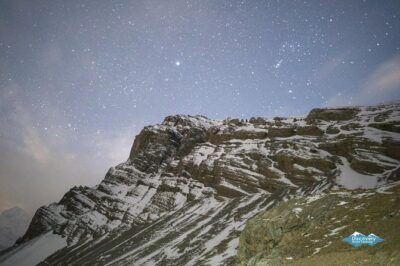
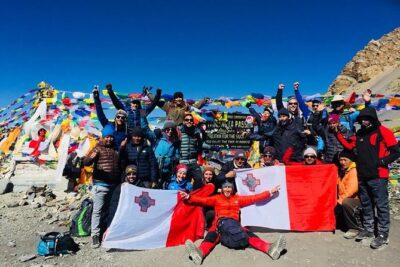
Day 11 is the pass day, and the itinerary is clear about timing. You must leave early for sunrise over the pass, and you avoid strong wind after midday. It also suggests keeping your torch close by for the steep, stunning walk over several ridges.

That torch note might seem small until you are holding it in cold air with a dark trail ahead. Early starts like this can feel like a hassle at first, but they often make the difference between an exhausting day and a manageable one.

I also like that the schedule builds you toward the pass rather than rushing in the same morning. Reaching Larkya Guest House first gives you a place to settle, eat, and prepare mentally for the final crossing window.

Days 12 to 13: Dharapani, Joining the Annapurna Trail, and Downhill Work

On Day 12, you trek from Bimtang through forests and pastures of the Dudh Khola Valley to Dharapani. The plan notes that this is where you join the more popular Annapurna Circuit trail, thanks to Manaslu. It also lists a 7-hour journey.

This is where the trek starts changing its feel. You may notice more footsteps and more “main route” energy, since you are merging into a trail that many people recognize. Still, you earned your way there.

Day 13 continues with a descent from Dharapani to Jagat, near the Marsyangdi Nadi Gorge. The listed pace is about 6 hours, with an option mentioned in the itinerary: charter a Jeep depending on road considerations.

If you want a practical takeaway, it’s this: downhill days can be harder on knees than uphill days for many people. Even with a shorter time-on-trail, you should watch your stride and take it slow on any rough sections.

Day 14: The Ride Back, Jeep to Besisahar, Bus to Kathmandu

Your final day is half travel and half closure. The first half involves a shared Jeep to Besisahar, with a view of the village surroundings. After a refresh, you take a bus from Besisahar back to Kathmandu, taking about the time described in the itinerary.

This “last day travel” approach keeps you from feeling rushed at the end of the circuit. You also get a final look at the lower valleys after days of higher terrain.

Once you return to Kathmandu, you end back at the meeting point where your trip began. That makes the wrap-up simpler, especially if you have a departure planned soon after.

What I Think Makes This Tour a Strong Choice

First, it is built around real remoteness, not just the word “adventure.” The restricted-area setup, permits, and rule-based organization make the experience more consistent, from the guide’s planning to the practical flow of the trek.

Second, it gives you cultural depth without turning it into a museum tour. Buddhist signs early, Tibetan influence later, and daily life at Samdo all show up as you move forward. You get the sense of a living region rather than a backdrop.

Third, the way the schedule handles the pass day is practical. Leaving early, planning for wind, and using Larkya Guest House as a staging point helps you stay safer and more comfortable than if the plan were improvised.

Finally, the human element seems to matter a lot with this operator. Names like Roshan and Sudip came up in past trips for being kind and helpful, and guides such as Samir and Dil were mentioned for genuine guidance and safety awareness. You should still verify specifics with your booking, but the pattern suggests the company pays attention to the people on the ground.

Who Should Book Manaslu Circuit, and Who Should Rethink It

This tour is a great fit if you want a high-mountain circuit with fewer crowds and a more regulated, organized feel. It works well for people who enjoy trekking day after day, can handle long hiking stretches, and want to see Manaslu and Tibetan-influenced villages as part of the same journey.

It may not be the best choice if you are looking for a short, easy hike, or if you are not confident about stamina on a pass day. The trek asks for strong physical fitness, and it is not built as a gentle “scenic stroll.”

Should You Book This Manaslu Circuit Trek?

If your top priorities are remoteness, good organization, and a route that combines Himalayan views with lived-in village culture, then this is a strong booking candidate. The included permits, guide and porter support, guesthouse accommodation, and set meal plan are the kind of structure that lets you enjoy the trek instead of micromanaging details.

Before you commit, do one reality check. If you cannot comfortably handle multi-hour hiking days and the early pass-day start, you’ll enjoy less, even with a great guide. If you are prepared to train a bit and show up fit, this plan is the kind of trek that tends to leave people thinking about the landscapes they walked through, not just the summit they chased.

FAQ

Where does the tour start in Kathmandu?

The tour starts at the Best Tour & Travel agency in Nepal – Adventure Glacier Treks on Chaksibari Marg, Kathmandu 44600, Nepal.

How long is the trek?

The duration is listed as 14 days approximately.

Is airport pickup and drop included?

Yes. Airport pick up and drop are included.

What permits are covered in the price?

Ground transportation, necessary permits, including a special permit of $100, and entrance fees are included.

Are meals included during the trek?

Yes. The package includes three meals a day, breakfast, lunch, and dinner as mentioned in the itinerary.

What type of accommodation is used on the trek?

You stay in guesthouses during the trek.

Is the tour private?

Yes. It is a private tour/activity, and only your group participates.

What is not included in the tour price?

Beverages, tips, your insurance, and personal or nature expenses are not included. Food in Kathmandu except the daily breakfast is also not included.

What fitness level do I need?

You should have a strong physical fitness level.

Can I cancel for a full refund?

Yes. Free cancellation is allowed if you cancel up to 24 hours in advance for a full refund. If you cancel less than 24 hours before the experience start time, you will not receive a refund.

More Hiking & Trekking Tours in Kathmandu