Private 8 – Day Langtang Trekking

REVIEW · PRIVATE

Private 8 – Day Langtang Trekking

5.0 · 29 reviews From $584 Operated by Nepal Alternative Treks & Expeditions Pvt. Ltd. · Bookable on Viator
Book on Viator →

Glacier valley trekking starts fast from a Kathmandu bus. This private trek to Langtang Valley also threads you through Langtang National Park and the Tamang and ancient Tibetan communities that live along the trail, with the journey ending at Kyanjin Gompa. If you like your mountains with good logistics and real village life, this is a strong pick.

I especially like two things. First, you get daily oxygen saturation checks, which adds real peace of mind when altitude starts to matter. Second, permits and park fees are handled up front, including Langtang National Park fees and TIMS, so you spend less time juggling paperwork and more time walking.

One drawback to plan for: the route includes a section that starts manageable and then turns steeper and tougher, so you should be comfortable with sustained uphill hiking. Also, the trek depends on good weather, and bad conditions can change dates or lead to a refund.

Key highlights that make this trek worth your time

Private 8 - Day Langtang Trekking - Key highlights that make this trek worth your time

  • Daily oxygen saturation checks to keep an eye on how your body is handling elevation
  • Permits included (Langtang National Park fee and TIMS), so you are not chasing documents
  • Kyanjin Gompa, described as the oldest monastery in the valley, with prayer-flag village energy
  • Kyanjin Ri option (4,884m) for big viewpoint time if you want extra effort
  • Private-only group with a government authorized guide and porters who carry the load
  • Meals and lodge stays included across the trek, which helps you budget cleanly

Langtang Valley, close to Kathmandu, with a real village feel

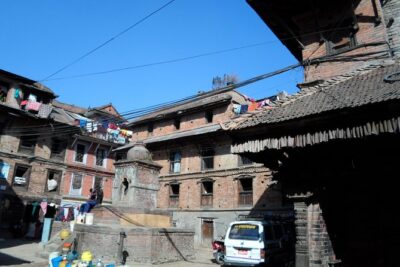
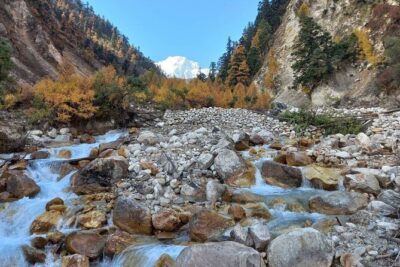
Langtang is often called the Valley of Glaciers, but what hits you day to day is how human the place feels. You are not just passing scenery. You are walking through settlements shaped by Tamang and ancient Tibetan culture, with stone-walled homes, prayer flags, and monastery life that you actually encounter on the trail.

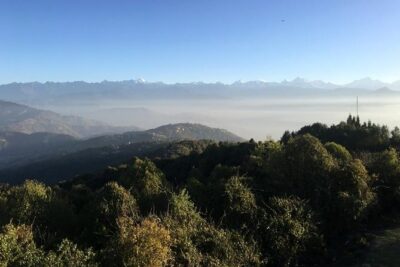
What I like most is the mix of environments. You start in lower terrain with dense subtropical forest. Then the valley opens up more as you go higher, and you spend time in places like Kyanjin, where you can slow down and absorb the rhythm of the valley. It is a trek that balances hiking with moments to stop, chat, and look around.

You can also read our reviews of more private tours in Kathmandu

Day 1: The 7:15 am start, then Syabrubensi by bus

Private 8 - Day Langtang Trekking - Day 1: The 7:15 am start, then Syabrubensi by bus
You start the trip at 7:15 am from Nepal Alternative Treks & Expeditions in Kathmandu (Raniban Marg area). If you are staying in Kathmandu, this is one of those practical setups where you can get moving quickly instead of losing a day to arranging transport.

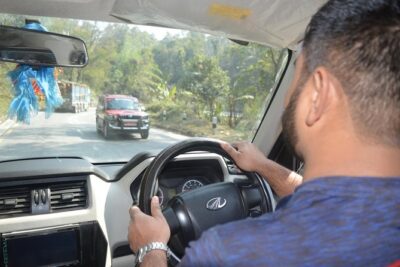
The first leg is an overland drive to Syabrubensi, which takes about 6 hours. Along the way, you get hills and green forest views, plus the chance to settle your body before the first walking day. This is also the day when you should double-check your essentials: footwear fit, daypack weight, water strategy, and any layers you might need once the trail shifts into cooler air.

When you reach Syabrubensi, the important thing is to treat your first night like part of your training. Sleep matters. Hydration matters. You are not climbing a peak today, but you are setting the tone for the days of walking that come right after.

Days 2 to 3: Subtropical forests to Langtang Village

Private 8 - Day Langtang Trekking - Days 2 to 3: Subtropical forests to Langtang Village
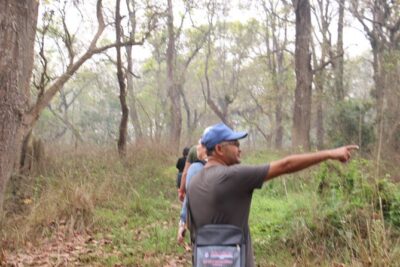
The trek really begins after breakfast as you move toward Lama Hotel. Today is mostly about dense subtropical forest walking. It is the kind of trail that rewards steady pace because the shade, greenery, and constant footing make the hours pass quickly.

You pass through Bamboo, a common stop for trekkers, and the vibe is classic mountain trek. You will likely find yourself thinking less about milestones and more about rhythm: step, breathe, look around, repeat. Even when the trail is not steep, the forest can feel slow in a good way, like you are walking through a corridor of cool air.

Day 3 pushes you toward Langtang Village. The hiking starts off slightly steep and then grows tougher as you go. This is the section I would pay attention to if you are not used to sustained uphill. The good news is that it is paced over about 5 hours, and the trail continues through forests, so you get variety instead of pure grind.

This is also where the cultural side starts to feel real. As you approach Langtang Village, you are moving into a place where daily life and the trekking season overlap. You are not just touring. You are entering a corridor of mountain communities.

Day 4: Kyanjin Gompa and the stone-wall village climb

Private 8 - Day Langtang Trekking - Day 4: Kyanjin Gompa and the stone-wall village climb
After breakfast in Langtang Village, the trek day to Kyanjin is shorter, around 3 hours, but it carries a special feeling. You ascend through a smaller village setting with stone walls and prayer flags. That visual detail matters because it signals you are getting closer to the spiritual center of the valley.

You reach Kyanjin Gompa, which is described as the oldest monastery in Langtang Valley. That means you are not arriving at just another viewpoint stop. This is a place with lasting religious presence, and it is part of what makes Kyanjin so meaningful on this route.

A practical note for this day: because the walking time is shorter, it can tempt you to go too hard on the climbs within the area. Keep your energy for the next day when you get the viewpoint push.

Day 5: Explore Kyanjin, then hike Kyanjin Ri (4,884m) if you want the extra challenge

Private 8 - Day Langtang Trekking - Day 5: Explore Kyanjin, then hike Kyanjin Ri (4,884m) if you want the extra challenge
Day 5 is built as a flexible exploration day in Kyanjin. You spend time around Kyanjin village and the area’s monastery sites, including a visit to Kyanjin Gompa.

If you want the peak payoff, you have an option to hike up to Kyanjin Ri (4,884m). Even if you choose not to go all the way, you can still benefit from being at the right elevation zone for valley views and a better sense of how the trekking route connects.

What to consider: this is the day where your body earns its reward. Plan to move steadily, not fast. Take breaks when you need them. And because oxygen saturation checks are part of the trip, you are not flying blind if anyone in your group feels off.

If you do the climb, remember you are earning a viewpoint with actual effort behind it. That makes the payoff feel earned, not staged.

You can also read our reviews of more hiking tours in Kathmandu

Day 6 to 7: Easier retracing, rhododendron forest walking, and the return to Syabrubensi

Private 8 - Day Langtang Trekking - Day 6 to 7: Easier retracing, rhododendron forest walking, and the return to Syabrubensi
After Kyanjin, you head back toward Lama Hotel. Day 6 follows the earlier route, and the trek is described as relatively easier than the earlier days. You descend through rhododendron forests, which changes the feel from day to day and gives your legs a more forgiving pattern.

This is also a good time to notice how trekking teaches you to read the trail. On the way up, you focus on getting there. On the way down, you pay attention to foot placement and how your knees respond. If you have good trekking habits, this becomes the day where the trip shifts from strain to confidence.

Day 7 brings you from the Langtang region back down to Syabrubensi. The plan is a descent through dense forest, around 5 hours of walking. This is one of the days where you will feel grateful you took your time earlier. Slow and steady earlier means fewer aches later.

Day 8: Back to Kathmandu, about 6 hours, with terraced views along the way

Private 8 - Day Langtang Trekking - Day 8: Back to Kathmandu, about 6 hours, with terraced views along the way
On the last day you start with breakfast, then head to the bus stop and drive back to Kathmandu. The drive takes about 6 hours, and the scenery includes terraced fields and small settlements.

This is the wrap-up day, but it is not a throwaway. It is when you usually start noticing what you actually remember most from the trek. For many people, it is not the hardest moment. It is the small transitions, the village-to-forest-to-monastery sequence, and the feeling that you walked through a whole slice of mountain life.

When you return, the activity ends back at the meeting point in Kathmandu, so you are not left scrambling for a ride.

Price and logistics: what $584.22 is really buying

Private 8 - Day Langtang Trekking - Price and logistics: what $584.22 is really buying
At $584.22 per person, this trek can feel like either a bargain or a fair deal, depending on how much you value having the heavy lifting done for you.

Here is what you are getting as part of the package:

  • Overland transportation as mapped for the trek
  • A government authorized trekking guide and porters, with their expenses covered
  • Lodge accommodation during the trek
  • A trekking map, oxygen saturation check every day, a duffle bag, and a trekking completion certificate
  • Langtang National Park fee and TIMS
  • Assistance for emergency rescue evacuation
  • Government tax and service charge, plus public liability insurance
  • Meals built in: 7 breakfasts, 8 lunches, and 7 dinners

What you should plan to pay separately:

  • Hotel accommodation and meals in Kathmandu
  • Travel insurance (not included)
  • Tea or coffee, boiled water, alcohol, laundry, phone bill, and bar bill type spending
  • Tips for guide and porters (not included)

To me, the best value piece is the combination of permits plus daily oxygen checks plus the guide and porter setup. If you were doing this independently, those are exactly the items that eat up time, energy, and stress. You are paying to reduce friction, and that matters on a multi-day hike.

Guide and porter quality: the human factor that makes or breaks a trek

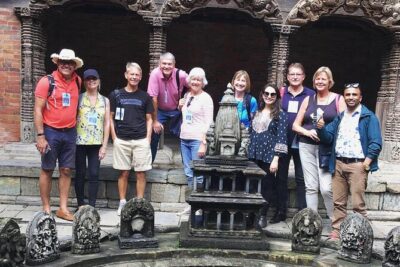
On paper, a trek is a route. In reality, it is pace, encouragement, and problem solving. In the patterns from past group experiences with Nepal Alternative Treks, you see the same theme over and over: the guiding team cares about keeping things smooth, and the porters handle the practical burden so you can focus on walking.

You might be guided by people such as Dhan, Amar, Tek Ghale, Ritika, Kumar, Laxman, or Saroj. Porters you could work with include Ajay, Sanjay, Ram, Sonjay, Ramesh, and others listed in group notes. Even if you never know your exact pairing until closer to departure, this company’s setup is built around a guide and porters who are part of the safety and workflow, not just logistics.

I also like that communication is described as professional and easy, with the itinerary tailored to a group’s needs. That is especially useful if your group includes someone who wants a slower pace, or you want to build in a bit more time at Kyanjin.

Practical planning: permits, oxygen checks, and what to bring

Because Langtang National Park fees and TIMS are included, your pre-trek paperwork burden is reduced. That said, you still need to be ready with basic travel necessities in Kathmandu before you meet the team.

The trip also includes a daily oxygen saturation check, which is a big deal for trekking comfort. Altitude does not always feel dramatic in the moment, and it can sneak up through sleep quality, breathing changes, and appetite. Having that daily monitoring means you can adjust your pace and decisions faster if needed.

Packing advice based on what is included and what is not:

  • You have a duffle bag provided, but you still need to pack a small day bag for water and snacks.
  • Bring layers. Forest treks can feel cool in the morning and warmer later.
  • Expect you might need to buy things like tea, coffee, or boiled water, since these are not included.

And do not forget the people side. Tips for guide and porters are not included, so you should budget for that.

Who should book this Langtang Valley trek?

This is a good match if:

  • You want a private trek where only your group participates
  • You like having a guide and porter team handling the operational pieces
  • You want both nature and village culture, including Tamang and ancient Tibetan settlements
  • You prefer a trek length that is serious enough to feel meaningful but not so long that it becomes a months-long project

It might not be your best fit if:

  • You dislike steady uphill walking, since the route includes a section that becomes steeper and tougher
  • You are not comfortable hiking at altitude, especially if you plan to attempt Kyanjin Ri (4,884m)

Most travelers can participate, but your personal fitness still matters. This is not a stroll. It is a real trek with real elevation effort.

Should you book Private 8-Day Langtang Trekking?

If you want a Langtang trek with fewer moving parts, I’d book it. The daily oxygen saturation checks, included park fees and TIMS, and the fact that accommodation and meals are covered during the trek are exactly what make this feel like good value for your energy.

The biggest decision is not the price. It is how you feel about effort. If your group can handle a gradual shift from forest trekking into steeper terrain, and you are excited about ending at Kyanjin Gompa with a possible viewpoint hike to Kyanjin Ri, this itinerary makes a lot of sense.

FAQ

Where does this trek start and end in Kathmandu?

It starts at Nepal Alternative Treks & Expeditions in Kathmandu, and it ends back at the same meeting point.

What time does the trip start?

The start time is 7:15 am.

Is this a private tour?

Yes, it is private, meaning only your group participates.

What permits are included?

Langtang National Park fees and the necessary permits, including TIMS, are included.

What meals are included during the trek?

Dinner (7), breakfast (7), and lunch (8) are included during the trekking days.

Are guide and porter services included?

Yes. A government authorized trekking guide and porters are included, along with their expenses.

Is altitude monitoring included?

Yes. There is an oxygen saturation check every day.

What is the highest optional hike on this route?

You can hike to Kyanjin Ri at 4,884m.

What is not included in the price?

Not included are hotel accommodation and meals in Kathmandu, travel insurance, tea or coffee, boiled water, alcoholic drinks, laundry, and phone or bar bills, plus tips for the guide and porters.

Should weather affect the trek, what happens?

The experience requires good weather. If canceled due to poor weather, you are offered a different date or a full refund.

More Hiking & Trekking Tours in Kathmandu