REVIEW · HIKING & TREKKING
Langtang Valley Trek
A mountain trek with real culture, not just scenery. The Langtang Valley route is a smart way to see high views and village life on a schedule that fits newer hikers, with a moderate, gradual feel and lower altitudes than some big-name treks. I especially like that this trip handles the hard parts up front, including permits, a licensed guide, and return transport, so you can focus on walking and enjoying the valley. I also like the built-in support signals, like a medical kit bag and daily hot drinks that keep energy steady. One consideration: the optional porter or private jeep costs extra (listed as $190 per booking), so you may want to plan your budget if you prefer lighter loads or more flexibility.
To make the days work, the trek starts early, with a 6:45 am meeting time and an overland drive that sets expectations fast. You’ll hike through river trails, dense forest, and stone-and-stone settlement villages, then climb to Kyanjin Gompa for the trip’s major payoff. If you want a well-run first Nepal trek that still feels adventurous, this one is a good fit.
Key highlights for the Langtang Valley Trek

- Licensed mountain guide for 7 days plus Langtang National Park Permit and TIMS Card built into the package
- Syabrubesi to Kyanjin Gompa routing that mixes forest walks, river gorges, and a satisfying final climb
- Daily meals included (7 breakfasts, 7 lunches, 7 dinners) plus 3 cups of hot beverage per day
- Private accommodation during the trek (six nights) to help you recover without sharing cramped rooms
- Return transport by local sharing jeep, with a drive back to Kathmandu on Day 7
Why Langtang Valley works for first-time trekkers

Langtang Valley is often a sweet spot when you want Himalaya views without jumping straight into the most punishing trekking circuits. The trek is described as moderate, with gradual terrain and lower altitudes compared to some other treks, which is exactly what I’d look for if you’re new to trekking in Nepal.
What I like most is that the days feel purposeful rather than chaotic. You move from Syabrubesi into the Langtang National Park area, you settle into village rhythm around Lama Hotel and Langtang village, then you push up toward Kyanjin Gompa. It’s a structure that helps you pace yourself, even if you’re still learning how your body handles hiking day after day.
You can also read our reviews of more hiking tours in Kathmandu
Getting from Kathmandu to Syabrubesi, the long drive that sets expectations
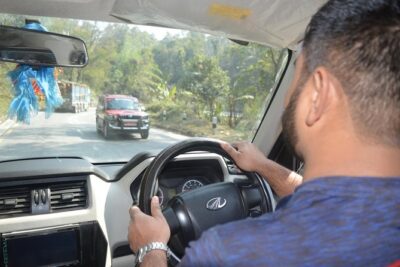
Your trek begins the way Nepal road trips often do, early and full of window moments. You’ll meet at 6:45 am in Kathmandu and head north overland, with the drive taking around eight hours toward Langtang Himal, then continuing to Syabrubensi village for your first overnight.
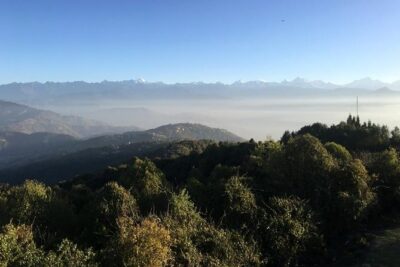
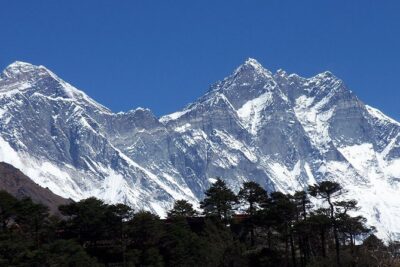
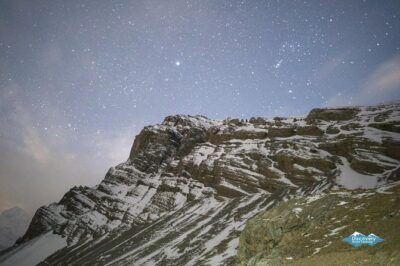
This first day is more than a transfer. It’s where you start tracking the mountain mood, snow-capped peaks appearing in the distance and the terrain slowly shifting as you get farther from the city. For many first-time trekkers, this is also where you get your bearings on what kind of climate you’ll likely face on the trail.
Practical note: the day is listed as about 12 hours total. So even though your first hiking day comes later, plan for a full-day commitment right away.
Syabrubesi to the Langtang River forests, where the trek starts feeling real

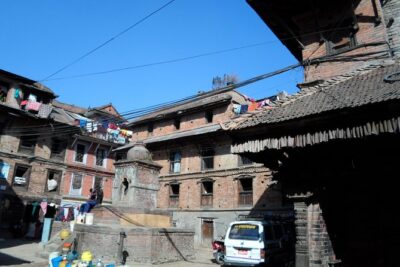
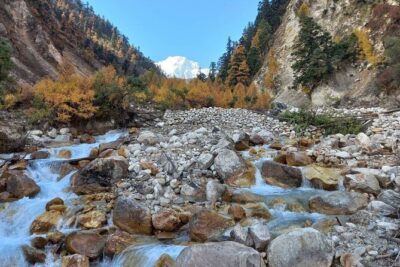
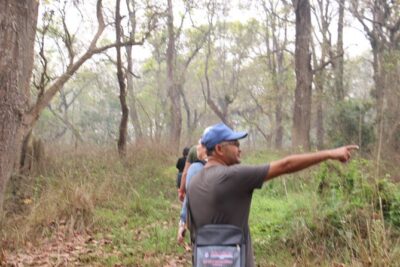
Day 2 moves you from village roads into the national park experience. You start on foot from Syabrubesi, cross a bridge over the Langtang River, and then begin an uphill climb through farm areas. After that, you transition into a dense green forest, which matters because it changes the temperature feel and the soundscape of the hike.
This day is listed at about 14 hours, so think of it as a long walk day, even if the path is “moderate.” What makes it valuable is the variety early on. You’re not just going uphill, you’re moving through changing environments that help your body adapt gradually.
If you get cold easily, the forest section is often where you notice damp air more than you expect. Bring a layer you can add or remove without fumbling, because the sun and shade can swing during a long hike.
Lama Hotel to Langtang village, river gorges and the cooler middle stretch
By Day 3, you’re hiking from Lama Hotel and shifting your focus to river-up travel and deeper terrain. The route follows the river upstream through heavily forested areas and along a gorge. Then you move toward a cooler region past Ghodetabla, before reaching Langtang village for the overnight stop.
This is where Langtang begins to feel like a real place, not just a photo in your feed. You’re walking along a line that the valley has shaped for generations. The gorge segment also tends to feel more enclosed, which can be mentally refreshing if you enjoy being focused on the trail rather than scanning open views the whole time.
Day 3 is listed at about 15 hours, so I’d treat it like your practice for energy management. Eat on schedule. Don’t rush your breathing just because the trail feels like it’s moving.
Kyanjin Gompa day, the short steep push that pays off
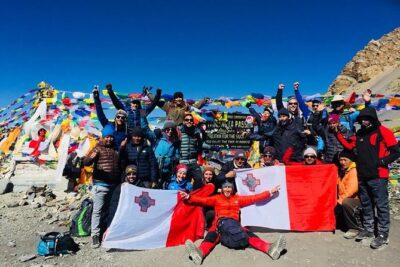
Day 4 is one of the most important days on this trek, because it’s designed to get you to the Kyanjin Gompa area, described as your final and major destination. The hike begins with a short steep climb to reach a ridge, then you leave the forested area. From there, the trail leads toward the Gompa zone and your big Himalayan payoff.
This is a classic trekking moment: not an all-day grind, but a climb with a purpose. You work uphill long enough to feel it in your legs, then the environment shifts and the payoff starts to show. The trip describes it as a lovely journey, and the logic is clear. You’re not just walking for hours, you’re building toward a place.
Day 4 is listed at about 14 hours, including the time needed to reach the ridge and settle into the destination area. If you’re new, this is the day to slow your pace. Short steep climbs are easier when you move steadily instead of sprinting for the top.
Valley time around Kyanjin, then back down toward Lama Hotel

Day 5 gives you the chance to spend time around Langtang Valley from the Kyanjin side, and then it turns into a downhill return. The plan is to enjoy your time near Kyanjing, then follow a downhill walk back to Lama Hotel for an overnight stop.
This is where many hikers feel the psychological shift from “I’m climbing” to “I’m exploring.” You’re already at the valley high point area, so you can think less about reaching the next destination and more about taking in what’s around you.
Day 5 is listed at about 12 hours, so it’s slightly lighter than some earlier days. That said, downhill can still be hard on knees and ankles. Trekking poles can help, and it’s smart to wear shoes that grip well on uneven stone.
Back to Syabrubesi and the drive home to Kathmandu
Day 6 returns you from the Lama Hotel area to Syabrubensi, with the trail continuing through forest sections and then downhill. You cross a bridge and reach Syabrubesi for your last overnight around the Langtang region.
Day 6 is listed at about 12 hours. The pattern stays clear: the trek is building endurance early, hitting a major destination mid-way, then finishing with a steady descent back toward the road.
Then Day 7 ties it all together. You take a drive in the morning from Syabrubensi back to Kathmandu, with an overland journey listed at around 13 hours. So even though you finish the last hike on Day 6, Day 7 is still a full travel day.
What you get for $555, and what can add up fast

At $555 per person, the big question is value: what’s included versus what you’ll likely pay separately.
What’s included in the package:
- A government license holder mountain guide for 7 days
- Langtang National Park Permit & TIMS Card
- Both way transportation by local sharing jeep
- 6 night private accommodation during the trek
- 3 cups of hot beverage per day
- Seasonal fruits during the trek
- Medical kit bag
- Meals: 7 breakfasts, 7 lunches, 7 dinners
When I look at value for a trek like this, permits, meals, and long-drive transport are usually the parts that add up quickly if you try to assemble everything yourself. Having a licensed guide for the whole trek also reduces stress, especially when you’re dealing with routes that depend on local conditions.
What is not included:
- Travel insurance
- Hotel in the city (Kathmandu stays)
- Tips for trekking crews
- Optional extras: porter cost and private jeep (Option) $190 per booking
If you’re a newer trekker, you might feel the extra cost for a porter is worth it, because carrying heavy gear can turn an otherwise moderate trek into a slog. If you’re comfortable carrying your own day kit, you can keep costs down and walk light.
One more practical detail: confirmation is received at booking time, and the tour offers pickup and a mobile ticket. Those aren’t tiny conveniences. They help on arrival day and reduce last-minute scramble.
The support you can expect: licensed guidance and human teamwork
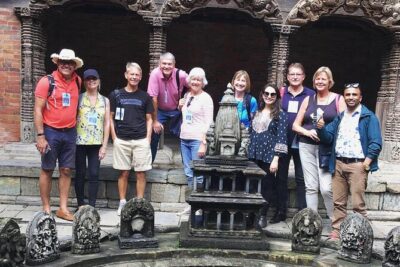
This trip is built around a government license holder mountain guide who stays with you for the full 7 days. The best part of having a guide who’s present every day is that you get continuity, not just a handoff at a starting point.
From prior team reports tied to this kind of trek, names like Nabin and Buddhi show up often for being friendly, professional, and clear when explaining history and traditions. Other names like Laku and Pawan are described for professionalism, humor, and adapting when conditions shift. You’ll also see support credited to porters in some cases, including Tenjin, but remember: a porter is not listed as automatically included in the cost you provided, and porter help is available as an optional add-on.
What you can confidently plan for is this: your guide should help keep your day structure on track, and the package includes key basics like a medical kit bag and the required trek paperwork (permit and TIMS). That means you spend less time worrying about admin and more time paying attention to the walk.
Food, pace, and packing that matches the trek’s rhythm
Meals are handled for you, which is a big deal on a multi-day trek. You’ll have breakfast, lunch, and dinner each day, plus seasonal fruits and three hot beverages per day. Even without knowing the exact menu, that setup usually means you’re not forced to hunt snacks constantly, and you can keep your hydration and calorie intake consistent.
Because the itinerary includes long walking days, pace matters more than speed. The days are listed in the 12 to 15 hour range depending on the day, and that’s a signal that you should treat each day as a full effort, not a half-day stroll.
Packing wise, I’d plan for changing conditions between forest sections and open ridge moments. Bring layers you can manage on the move, plus rain protection if weather shifts. Keep your day bag simple and accessible so you can drink and eat without stopping for long gear searches.
Also consider footwear care. You’ll be walking on uneven trails across river crossings and mixed terrain, so shoes that feel stable and broken in matter more than trying something new the week before.
Is this the right trek for you?
This trek fits best if you:
- Want a beginner-friendly Himalayan introduction
- Prefer moderate difficulty with gradual terrain
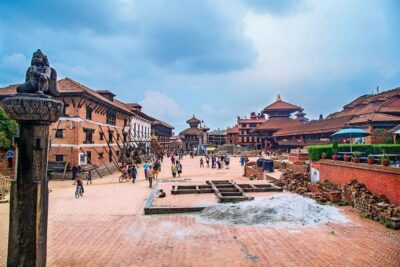
- Like mixing nature and culture, with village stops like Langtang village and a destination like Kyanjin Gompa
- Want a structured experience with meals, permits, and transport handled
It might not be ideal if:
- You need lots of downtime between long travel and long hiking days, since the schedule includes heavy days and full travel day on Day 7
- You want to fully control everything yourself, because this is set up as a private activity for your group with a planned package
If you book, I’d also think about whether you want the optional porter/private jeep add-on. For some hikers, that single decision makes the difference between enjoying the valley and focusing too hard on gear weight.
As a final note on risk management: the tour lists free cancellation up to 24 hours before the experience’s start time, which is helpful if your plans are still fluid.
FAQ
What is the duration of the Langtang Valley Trek?
The trek is listed as 7 days (approx.), with a Day 7 drive back to Kathmandu.
Where does the trek start, and what time do we meet?
The meeting start time is 6:45 am in Kathmandu, and the trek begins with an early overland drive to Syabrubensi.
What is included in the price of $555 per person?
Included items listed are: a licensed mountain guide for 7 days, Langtang National Park permit and TIMS card, both-way transportation by local sharing jeep, 6 night private accommodation during the trek, 3 hot beverage cups per day, seasonal fruits, a medical kit bag, and breakfast, lunch, and dinner for 7 days.
How do permits get handled?
The package includes the Langtang National Park Permit and a TIMS Card as part of what’s covered.
Is a porter included, or is it optional?
Porter cost is not listed as included. There is an optional add-on listed as porter cost and private jeep (Option) $190 per booking.
Will there be pickup and a mobile ticket?
Yes, the tour lists pickup offered and mobile ticket as features.
What is not included in the tour cost?
Not included items listed are travel insurance, your hotel in the city, tips for trekking crews, and the optional porter/private jeep add-on of $190 per booking.
More Hiking & Trekking Tours in Kathmandu
More Tour Reviews in Kathmandu
Not for you? Here's more nearby things to do in Kathmandu we have reviewed
Hiking & Trekking, compared.
★ 5.0Everest Base Camp Trek – 14 DaysFrom $1,8001,499 reviews
★ 5.0Everest Base Camp TrekkingFrom $1,350485 reviews
★ 5.0Nagarkot Sunrise View and Day Hiking from KathmanduFrom $45471 reviews
★ 5.0Annapurna Circuit Trek with Tilicho LakeFrom $1,093368 reviews
★ 5.0Everest Base Camp Trekking – 13 DayFrom $1,399365 reviews
★ 5.0Everest Base Camp Trek -14 DaysFrom $1,420321 reviews
★ 5.0Annapurna base camp trek 5 DaysFrom $699252 reviews
★ 5.0Everest Base Camp Trekking – 2025/2026From $1,339199 reviews
Browse the lists this tour appears in