REVIEW · WORKSHOPS
Knife (Khukuri) Making Workshop- Forge of the Gurkhas
Khukuri metalwork is messy, loud, and satisfying. In Kathmandu, this workshop turns a raw chunk of iron into a sharp 6-inch Gurkha knife, with you doing real steps (not just watching). The setting is part family workshop, part working forge, and it feels far from the “buy a souvenir, done” mode.
I love how much you directly contribute: you’ll hammer the iron and do polishing at the end, so your fingerprints are on the final knife. I also love the small group vibe, with a hard cap of 5 travelers, which means more time to ask questions and actually learn what each step is for. One consideration: some parts are safety controlled, and the most spark-heavy grinding is handled by the host, so you’ll still be part of the process but not in every role.
Key Highlights I’d Put on Your Must-Do List

- A take-home 6-inch khukuri made through real forging steps, not assembly-line craft
- Small group limit of 5, so you get attention and time to participate
- Real hands-on moments: hammering plus the final buffing and polishing
- Safety built in, with the host doing the sparkiest blade grinding
- Family-style conversation and culture chat with the guide and blacksmith
- Quality can be excellent, and when problems pop up, they aim to fix them
What You’re Really Making: The 6-Inch Khukuri in Plain Terms

A khukuri is one of Nepal’s most recognizable blades, linked with Gurkha history and the hill tribes across the country. In the workshop, you’re making a small 6-inch blade, which is a smart choice if you want a true craft outcome without needing all day and a lot more experience. You still get the full idea: steel shape, edge work, and the handle plus scabbard.
The blade is typically described as tempered steel, slightly curved, and made to be very sharp. The handle is usually wood or buffalo horn, and the blade sits in a scabbard of wood and leather. There’s also a meaningful detail near the handle: a nick in the blade that helps keep blood from reaching the handle, and it’s symbolic in Hindu tradition (Brahma, Vishnu, and Shiva). You’ll hear these explanations while you’re working, which makes the knife feel less like a random gadget and more like a cultural object with logic.
For value, the 6-inch size matters. It is easier to forge and finish in a half-day workshop setting, and it is the kind of knife you can actually transport and keep as a souvenir. If you’re thinking this is just a charm-sized “toy knife,” this workshop is the opposite: multiple reviews point out they leave you with a sharp, properly made blade.
A few more Kathmandu tours and experiences worth a look
Price and Timing: Why $68 Works Better Than It Sounds
The price is $68 per person, and the workshop runs about 4 hours. That time window is ideal in Kathmandu because you’re not losing half your day to long tours and long waits. Also, the fee includes you walking out with a finished khukuri, which is the big difference between “class time” and “class plus real product.”
The group size is limited to a maximum of 5, which is one of the best forms of value here. In bigger classes, you end up standing around while someone else does the work. In this one, you get enough time in the forge rhythm to do the steps they let you do: hammering, part grinding, and the final finishing.
Pickup is offered, and you get a mobile ticket. That helps because Kathmandu traffic can turn “short travel” into a headache. If you’re staying in a central area like Thamel, it’s also easier to fit this into your schedule without adding stress.
One more practical angle: the workshop is active. Even when you’re not in the sparkiest zone, you’ll be close to tools and heat. If you prefer quiet museum-style experiences, this may feel more like a hands-on craft day than a gentle cultural walk.
Getting There With Pickup: Kathmandu to a More Rustic Forge

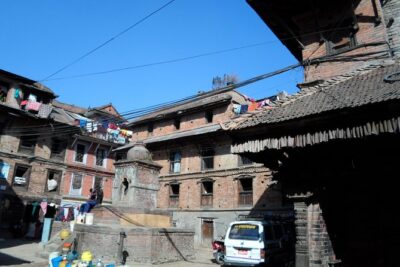
Most people start with hotel pickup, then head out of the city center by car or taxi toward a more hillside workshop setting. One review describes going to the blacksmith’s home in a remote, more rustic area, which is a good clue that you’re not being funneled through a storefront. You’re meeting the maker in a real working space, not a staged set.
This is also where the local context starts. Your guide will generally talk while you travel, covering places to visit and how Nepal life works day to day. Guides named in the reviews include Swoyam (for translation and guiding) and Namrata (coordination and on-site support). The maker most often identified is Indra, described as having decades of blacksmithing experience.
Why that matters: you get context as you drive, not only after you arrive. By the time you’re at the forge, you understand what you’re looking at. That makes the whole process feel connected instead of mechanical.
Your Hands-On Steps: Hammering, First Grinding, Finishing Polish

The workshop is built around hands-on participation, but with real boundaries. The process needs years of skill, so the host takes the most dangerous or spark-heavy parts. Your participation is focused on steps that let you do meaningful work while staying safe.
Here’s the participation outline you should expect:
- Hammering the iron to shape it early on
- The first grinding step (this is part of shaping, not the final grinding pass)
- Buffing and polishing the knife at the end
The host also does blade grinding for safety reasons, and you’re specifically advised to stay clear of sparks during that stage. That safety note is more than a legal line, it’s practical. It changes how you should position yourself. Watch, learn, and be ready to work when it’s your turn, but don’t hover near the grinding zone.
In terms of what it feels like, multiple reviews highlight the fun balance between watching and doing. One review even notes the right split: you hammer and grind yourself, but you also get to observe the blacksmith’s craft without the class turning into a one-person factory run.
A key consideration that comes up in feedback: you may wish you could do more steps yourself. That’s not a promise of total DIY, it’s a workshop design. If you want to hold the biggest tools for every stage, this might feel slightly limited. But if you want a real finished knife and the safety of expert control where it matters, it’s a good trade.
Meet the Blacksmith’s Role: Indra’s Craft and the Forge Rhythm

This is not a “watch a video and then stamp your name” situation. The maker, Indra, is described as a skilled blacksmith with many years of experience. Reviews repeatedly call out his professionalism, pride, patience, and friendly conversation. That adds something important: the craft has a tempo, and he keeps that tempo moving while you learn what each stage is doing.
You’ll also likely see that the forge is more primitive than modern metal shops. One review calls it a primitive forge, and another mentions learning about coal forges. That detail matters because it explains why the spark and heat zones are real. This isn’t just romantic rustic scenery. It’s working metal craft, with real fire and real physical technique.
The host controlling the blade grinding is also part of the value. Blade geometry affects performance and durability. If you do too much too early, you can ruin the fit between edge, curve, and overall strength. So the host handles the higher-risk shaping while you do the parts they feel safe for participants to learn and perform.
From Rough Metal to a Finished Knife You’ll Actually Use

The core transformation is cutting and hammering raw iron into shape, then grinding and finishing. Even though you only do certain stages, you’re not only there for decoration. You’ll see the progression from rough metal to an actual blade with a sharp edge.
Polishing is the moment where the knife stops looking like a project and starts looking like a tool. Reviews often mention the finished product is very sharp and high quality. That’s exactly what you want for a workshop souvenir. A good souvenir doesn’t just look impressive on a table, it feels solid and usable.
There’s also a cultural layer in the design. The khukuri’s components, like the handle material choices (wood or buffalo horn) and the scabbard materials (wood and leather), are part of why it looks right even when it’s small. The workshop explanation makes those parts more than trivia.
One review mentions personalization as well. That suggests there may be some room for simple customization during finishing. The safest way to treat that information is as a possibility rather than a guarantee, but it aligns with the general “family-style” feel described in the feedback.
Why It Feels More Real Than Buying From a Kathmandu Shop

I get it. Kathmandu is full of knives. Some are flashy and cheap. Some are better. But buying a khukuri in a store is still different from earning one with your own hands.
The workshop seems designed to fix that gap. Multiple reviews point out the finished knives were much better than expected, including one person who thought it would be like a toy and ended up with a full-size super sharp blade made from scratch. Another review compares the result favorably to tourist-shop khukuris, noting higher quality plus better memories.
The authenticity is also about people. Several reviews describe a welcome, casual environment where you hang out with the blacksmith’s family, share conversation, and get explanations about Nepal beyond “what to buy.” Even the small details, like green tea and lunch, show up in the feedback as genuinely good, not just filler.
And since the group cap is small, the maker can interact more naturally. You’re not just background noise while someone handles a production line.
A Heads-Up on Quality: Cracks Can Happen, and That’s Part of the Risk

No craft is risk-free, and metalwork has surprises. One review rated the experience highly but mentions that among three knives, two had cracks. In the response, the company apologized and said cracks can appear later in the crafting process, and they usually offer to make a new knife and deliver it.
So here’s how I’d frame it for you: the workshop aims for great outcomes, and the feedback is overwhelmingly positive. Still, if you’re the kind of person who needs everything to be perfect with zero chance of a later issue, you should know that forging involves real material behavior. In other words, you’re participating in a craft, not shopping for a pre-made product.
If you do book, treat the finished knife as a craft outcome, and keep an eye on how they handle replacements if something shows up after the workshop.
Who This Workshop Best Fits (And Who Might Want a Different Plan)
This class is a strong match if you want a hands-on Nepal craft experience that ends with something real in your hands. It’s also great if you like learning cultural context while you work, because you’ll hear explanations of symbols and components as you forge.
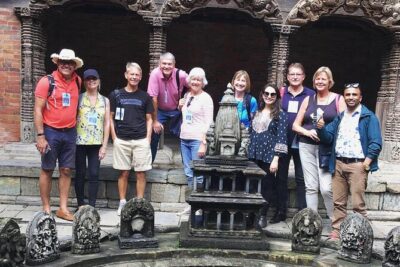
It also fits couples and small groups since the session size stays small. One family review describes bringing kids around ages 4 and 6, and the workshop can work for families if the kids are patient. The main warning in that feedback is simple: kids can run out of patience during the longer steps, so bring distractions if you go with children.
If you hate physical tasks, this might not be your favorite option. You’ll be hammering and grinding and finishing, and while the host handles the sparkiest work, you are still actively involved.
And if your schedule is tight, this is one of those good half-day options because it includes pickup and a finished souvenir, all within about four hours.
Practical Tips Before You Go Forge-Mode
You can’t control the sparks, but you can control your comfort. Wear clothes that you don’t mind getting a bit warm or dirty. Closed-toe shoes are a smart idea when you’re near metalwork. Bring water or plan to have a drink before you leave, because the process is work and heat.
Also, mentally prepare for the safety pattern. You will do specific steps, then watch while the host handles blade grinding because of sparks. That’s normal, and it’s also how you learn without getting in the way.
If you’re coming with a camera, consider that this is close work. You’ll want photos during the hammering and finishing stages, but you’ll also be reminded to keep clear during grinding. Aim for “learn first, capture second.”
Finally, if you have strong expectations about doing every stage yourself, adjust them. This workshop is hands-on, but it’s also expert-led where it counts most.
Should You Book Forge of the Gurkhas in Kathmandu?
I think you should book if you want a real khukuri souvenir that you helped make, not just a pre-made knife with a short photo stop. The best part is the combination: small group size, meaningful participation steps, expert craft from Indra, and a finished blade people describe as sharp and high quality.
I’d hesitate only if you are very sensitive to active forging environments, because even with safety controls, you’ll be close to a working forge. And if you’re bringing kids, plan around patience and time, since the process takes about four hours and waiting can be tough.
If you go in with the right mindset, you’ll leave with a knife that has a story you can explain, not just a product you bought.
FAQ
How long does the Knife (Khukuri) Making Workshop last?
The workshop duration is listed as approximately 4 hours.
What size khukuri will I make?
For this workshop, you make a small 6-inch blade. One review also notes an option to make a 10-inch khukuri for an additional fee.
What parts can I do myself?
You’re set up to participate in hammering the iron, the first grinding step, and the final buffing and polishing.
Is any blade grinding done by the host instead of participants?
Yes. For safety reasons, the host performs the blade grinding step, and guests are advised to stay clear of sparks.
Is hotel pickup available in Kathmandu?
Pickup is offered.
How big is the group?
The workshop has a maximum of 5 travelers.
What is the price of the workshop?
The price is $68.00 per person.
Can I cancel and get a full refund?
Yes, you can cancel up to 24 hours in advance for a full refund. If you cancel less than 24 hours before the start time, the amount paid is not refunded.
More Workshops & Classes in Kathmandu
More Tour Reviews in Kathmandu
Not for you? Here's more nearby things to do in Kathmandu we have reviewed
Workshops, compared.
★ 5.0Half day cooking class in Thamel kathmanduFrom $28607 reviews
★ 4.9Local Women-Led Nepali Cooking & Momo ClassFrom $4360 reviews
★ 5.0Local Lead Nepali Cooking & Momo-Making ClassFrom $5212 reviews
Local Women Lead Nepali Cooking ClassFrom $30125 reviews
★ 5.0The best Private Nepali Cooking Class in KathmanduFrom $2483 reviews
★ 4.8Traditional Momo Making Class & PickupFrom $460 reviews
★ 5.0Traditional Nepali Momo Making ClassesFrom $1853 reviews
★ 4.9Local Women-Lead Nepali Cooking & Momo ClassFrom $545 reviews
Browse the lists this tour appears in