REVIEW · ANNAPURNA TREKS FROM KATHMANDU
Kathmandu to Annapurna Base Camp (ABC) 5-Day Trek
Annapurna Base Camp in just five days sounds wild. This trek is built for people who want the highlight, the altitude moment at Annapurna Base Camp (4130 m), and a taste of the Annapurna Sanctuary without burning a whole week. I like that it starts with a quick flight from Kathmandu to Pokhara, then hands you over to a guided trek with hotel pickup and a licensed guide. One thing to consider: with only moderate fitness required, the pace can still feel demanding because you will gain height fast and there is no porter service included.
What makes this route interesting is how efficiently it strings together big scenery in a short time. You’ll hike through classic tea house country, pass dense forest and waterfalls, and reach ABC by going through Machhapuchhre Base Camp along the way. I also appreciate the human side that shows up in guide support, with past groups singling out guides who check in on your health and keep things calm when conditions get tough. The possible drawback is practical: meals and drinks are not included, so you need to budget for food each day on the trail.
If your goal is a first ABC trek, or your second Nepal trip and you still want fireworks, this is a strong fit. Just go in knowing it is short, so you will spend more time walking than you might on longer versions, and your day pack matters since you carry it yourself.
Key highlights you will actually feel on the trek

- Kathmandu to Pokhara by air, then you start trekking the same trip, no multi-day road grind
- Annapurna Base Camp at 4130 m, with sunrise and breakfast built into Day 4
- Route via Machhapuchhre Base Camp, which adds variety instead of a straight line
- Rhododendron-style forest trails and waterfalls, so you are not hiking through only bare views
- Jhinu Hot Spring Bath on the way down, a real reward after the downhill
- Licensed English or Hindi guide support, plus a setup that many solo hikers felt safe with
Why a 5-Day Annapurna Base Camp trek works, even if it feels short

Five days is the shortest practical way to get to Annapurna Base Camp from Kathmandu. That speed is the whole point. You are not trying to “slow travel” your way up to 4130 m. You are compressing the experience so you can say you stood in the Annapurna Sanctuary and saw the peaks up close.
The advantage for you is logistics and energy. With a flight to Pokhara and shared vehicle transport to the trailhead, you lose less time to getting there. You also get four nights of mountain guest house accommodation included, which matters because it removes the guesswork once you are already tired and breathing a little harder.
The tradeoff is that five days leaves less margin for acclimatization. This is why they position it for people with moderate physical fitness, not couch-to-summit hero stories. If you know you rush on climbs or you tend to get winded easily, take the pace seriously and listen to your guide. Short treks can still be great, but they reward smart walking, not bravado.
You can also read our reviews of more hiking tours in Kathmandu
Kathmandu to Pokhara, then Simrung: the trip starts moving fast

Your day begins with an early pickup from your hotel or apartment in Kathmandu. You then head to Tribhuvan International Airport for the one-way flight to Pokhara. The flight is about 25 minutes, and you genuinely feel the difference compared to bus or jeep transfers, especially if you are starting from a high-energy city morning.
Once you arrive in Pokhara, you do not relax for long. You drive to Simrung to start the trek. That transition matters. Your body gets the “first warm-up” step on Day 1 rather than losing momentum after the flight.
Also, this trip is structured as a private activity for your group. That means you get a guide and setup oriented around your group rather than a chaotic free-for-all. In practice, that often translates to smoother decision-making on the trail, especially when weather changes.
Day 1: Simrung to Sinuwa via Chomrong and Jhinu Danda

Day 1 is about getting traction. After you reach Simrung, the trek takes roughly 5 to 6 hours, and the trail passes through places like Jhinu Danda and Chomrong before you stop overnight in Sinuwa. Even if your goal is ABC, Day 1 is where you learn your rhythm, because it sets your pace for the rest of the trek.
What I like about this first day is that it mixes “settling in” with big scenery potential. Chomrong is one of those areas that tends to deliver strong views when the weather cooperates, and Jhinu Danda is a clue to what is coming later on Day 5: hot spring recovery.
The practical downside is that Day 1 can still feel long even at the start. You will want to keep your breathing steady, because you are not just walking. You are already moving toward higher elevations, and the later days stack on that effort.
Overnight in Sinuwa also gives you a solid base for the next day’s climb. It is a working trekking town, which is what you want on a compressed itinerary. You need a place where the trail life is normal and the guest houses are ready for tired hikers.
Day 2: Sinuwa to Deurali through forests, waterfalls, and tea houses

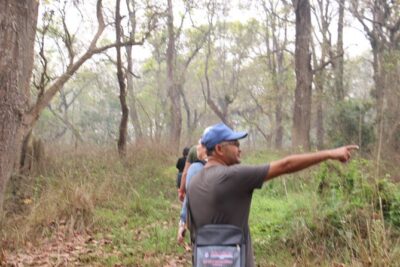
Day 2 runs about 6 to 7 hours, trekking from Sinuwa to Deurali via Himalaya, a small settlement with tea houses. This is the day where the trail environment starts doing more for you. You are moving through a dense forest, and the route includes lots of waterfall scenery along the way.
Why that matters for you: forest walking can be mentally easier than the kind of trail where you feel exposed the whole time. Waterfalls also mean you are often in areas where the trail is lively, visually interesting, and usually not boring.
Still, it is not a “flat day.” You are hiking in the morning and building elevation through the day, so keep an eye on effort. Tea houses can make you want to stop constantly for snacks and photos. That is fine for a minute, but too many long breaks can make you feel worse on the next climb. A steady rhythm beats a stop-start slog.
Deurali is where you start to feel more strongly that you are moving into higher terrain. It is also where the trek starts to feel more serious, because you are getting closer to the core ABC approaches.
Day 3: Reaching Annapurna Base Camp via Machhapuchhre Base Camp

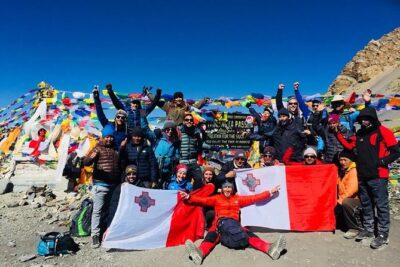
Day 3 is the highlight day, and it is built that way. You arrive at Annapurna Base Camp through Machhapuchhre Base Camp (MBC). On the way, you pass through the MBC valley, which adds a sense of journey, not just a destination.
This is also the day where altitude becomes real. ABC sits at 4130 m, and you will feel it even if you are fit. The best strategy is boring and effective: walk slower than you think you should, keep your breathing controlled, and let your guide set the pace. In shorter treks, the most common mistake is going out too fast on the big day.
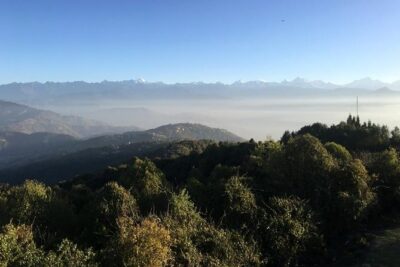
What you should expect once you reach ABC: the landscape changes into a high, glacial-basin feeling around Annapurna Sanctuary. The scenery can be jaw-dropping, but treat it as a moment to pause, not a signal to sprint around taking pictures. Hydrate, get your bearings, and remember the next day includes descent.
A nice detail here is that ABC is reached via a route that includes MBC. That makes your day more varied. You are not only climbing into one kind of scenery, you are collecting multiple view zones on the approach.
A few more Kathmandu tours and experiences worth a look
Day 4: Sunrise at ABC, then the descent back toward Sinuwa

Day 4 is the “you earned it” day. You get sunrise views and breakfast early at Annapurna Base Camp, and then you trek down toward Sinuwa via places including Deurali and Himalaya, plus additional lower points along the way.
This is not just a scenic day. It is also a recovery day, because you are going from high elevation back down. Your legs will still feel it, though. Descents can be harder on knees and ankles than people expect, especially when you have tight schedules.
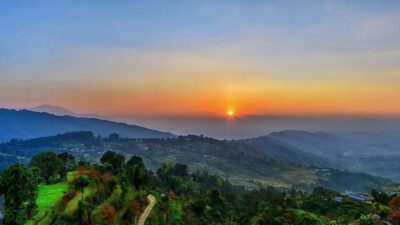
The key benefit of a morning at ABC is emotional as much as physical. Sunrise gives you a clear, defined time when the mountain looks its best, and it also breaks the monotony of waiting for views. After breakfast, you are not just wandering. You have a plan, and the plan includes getting back to a known overnight point.
You will end the day back at Sinuwa, which also tells you something about the itinerary design. They are not sending you off into a totally new area for the last overnight. It keeps the trail logistics simpler on a short trek.
Day 5: Jhinu Hot Spring bath after the hike, then back to Pokhara

Day 5 is the payoff with a practical twist. You hike down toward Simrung in about 5 to 6 hours via Jhinu Danda, then you drive back to Pokhara. Jhinu Danda is famous for its natural hot spring bath, and the trip plan includes time to enjoy that recovery.
If you have never done a hot spring after a multi-day hike, here is the simple truth: it helps, but it is not magic. You will still feel sore. What it does is improve how quickly you bounce back, especially after days of descent.
After the hot spring time, the drive back to Pokhara is about 2 hours, and the itinerary leaves room for a final celebration in the evening after completing the trek. That “closing moment” matters more than you might think on a short trip. You did something big, and you get to land it without rushing immediately into a long journey.
Price and logistics: what you get for $99, and what you still pay out of pocket

$99 per person sounds like a steal until you look at what is and is not included. Here is the value math in plain language.
Included highlights:
- Flight Kathmandu to Pokhara (one way)
- Shared vehicle for Pokhara to Simrung and the return
- 4 nights mountain guest house accommodation
- Trekking permits and national park fees
- Licensed trekking guide
- English and Hindi guide support
- Hotel pickup and drop
Not included:
- All meals and drinks
- Porter service
So the price is strongest if you are comfortable handling your own meals and carrying your own bag. If you need a porter, this specific setup does not include it. That is a big deal for a five-day trek because you will be doing longer walking days with more gear than you might want to carry.
Also think about meal timing. Because meals and drinks are not included, you will be buying food along the way at tea houses or on-trail stops. You do not need to treat that like a disaster, but you should budget so you do not end up “snack-only” and then feel it later.
On the plus side, the itinerary already covers the expensive logistics pieces. Permits plus a licensed guide plus flights and guest house nights is a lot of built-in structure for your time.
Guide support that makes this trek feel safer, not just harder
The most repeated theme in past experiences is not just scenery. It is how the guide handled people. Names that have come up with excellent care include Oham Raj Tamang, Narayan, Nilakantha, Om Raj, Raj, Pratip, Smile Ghale, Smile, and a porter named Jeevan (along with Sohit in one account). Different names, same pattern: the guidance focused on comfort and safety.
What to look for as you choose this trek:
- A guide who checks on how you are doing physically, not just “pushes to the next stop”
- Clear organization so you are not stuck wondering what happens next
- Someone who can keep you calm if weather or conditions change near ABC
You also get in-person language help, English and Hindi. That reduces confusion when you are tired and trying to understand altitude pacing, safety reminders, and basic trail instructions.
Licensed guide support plus permits also matters. In Nepal trekking, those details are not bureaucratic fluff. They keep the trek legitimate and smoother when you reach checkpoints or require formalities.
Training and fitness reality for a fast ABC trek
This route is described for people with moderate physical fitness. That is the right category label for a five-day itinerary. It does not mean it is easy. It means it is realistic if you walk steadily and do not overreach.
Because meals and drinks are not included, you need to think about energy management. If you tend to skip breakfast or eat lightly on hikes, you will feel it by Day 2 or Day 3, when your body demands more.
And because porter service is not included, you should plan to carry your own pack. That changes how you should pack. You do not want a heavy load that steals your effort on climbs and makes you miserable on descents.
Finally, keep expectations grounded about altitude. ABC at 4130 m is not a trivial number. Even if you are in shape, you may get short of breath faster. The right response is slower pace, more water, and fewer dramatic surges.
Weather, seasonal timing, and how to handle ABC conditions
This experience requires good weather. That means the plan is weather-sensitive, especially for the days that depend on visibility around ABC and the route through high terrain.
You should also know that high season and winter conditions affect the feeling of the trek. One account specifically mentions doing ABC in December, which suggests the operator runs it in colder months too. If you book around colder seasons, expect a sharper chill early and later in the day, and treat sunrise as both a reward and a time when you should stay warm and bundled.
If conditions are poor and the trek is canceled due to weather, the operator offers either a different date or a full refund. That matters because it reduces the risk of paying and then getting stuck with nothing.
Should you book this Kathmandu to ABC 5-Day trek?
Book it if:
- You want the shortest practical ABC trek with a flight into Pokhara
- You like organized, guided days rather than DIY planning
- You are okay carrying your own gear and budgeting for meals and drinks
- You value a licensed guide and practical support, especially if you are traveling solo or want a structured pace
Skip it if:
- You strongly prefer slower acclimatization and more cushion days
- You need porter service included in the price
- You get stressed when plans depend on weather
If you want my best one-line advice: this is a fast path to a classic high-mountain moment. It rewards steady walking, smart pacing, and a willingness to focus on the trail one day at a time.
FAQ
How long is the Kathmandu to Annapurna Base Camp 5-day trek?
The trekking experience runs for 5 days (approximately).
What is the highest point you reach on this trek?
You reach Annapurna Base Camp at 4130 m (13,550 ft).
What does the tour include?
It includes one-way flight Kathmandu to Pokhara, shared vehicle between Pokhara and Simrung, 4 nights mountain guest house accommodation, trekking permits and national park fees, a licensed trekking guide, and hotel pickup and drop.
What is not included in the price?
All meals and drinks are not included, and porter service is not included.
Do you get hotel pickup and drop in Kathmandu?
Yes. Hotel pick up and drop is included.
Is there a guide, and what languages do they speak?
Yes, there is a licensed trekking guide. Language support includes English and Hindi.
What is the cancellation policy?
Cancellation is free. You can cancel up to 24 hours in advance for a full refund, and the trek requires good weather, so if it is canceled due to poor weather, you will be offered a different date or a full refund.
More 5-Day Experiences in Kathmandu
More Hiking & Trekking Tours in Kathmandu
More Tour Reviews in Kathmandu
Not for you? Here's more nearby things to do in Kathmandu we have reviewed
Annapurna Treks from Kathmandu, compared.
★ 5.0Annapurna Circuit Trek with Tilicho LakeFrom $1,093368 reviews
★ 5.0Annapurna base camp trek 5 DaysFrom $699252 reviews
★ 5.0Annapurna Base Camp TrekFrom $935111 reviews
★ 5.0Annapurna Circuit TrekFrom $1,17594 reviews
★ 5.04 Days Poon Hill TrekFrom $40594 reviews
★ 5.0Annapurna Base Camp Trek 12 DaysFrom $80085 reviews
★ 5.0Ghorepani(Poonhill Trek)From $60081 reviews
Annapurna Base Camp TrekFrom $78581 reviews
Browse the lists this tour appears in