REVIEW · EVEREST SCENIC FLIGHTS FROM KATHMANDU
Kathmandu: 1-Hour Mount Everest Flight with Private Transfer
Ever seen Everest from 30,000 feet? In this 1-hour mountain flight out of Kathmandu, you get big-window views of Mount Everest and a whole stack of nearby peaks, plus a door-to-door private transfer. I especially like the guaranteed window seat and the way the English-speaking driver handles the airport routine. One heads-up: flights depend on weather, so fog can mean delays, rescheduling, or a refund.
Your day starts with pickup from Bhaktapur, Kathmandu, or Lalitpur, then a short drive to TIA. You fly for about 50 minutes to an hour, and you return with enough time to keep your Kathmandu plans going the same day.
You’re paying for the time shortcut. For many people, that makes the price make sense, even if it is not a bargain.
Key points before you book

- Guaranteed window seat: you are not hoping for a lucky view, you are starting with one.
- Door-to-door private transfer: pickup and drop-off from Bhaktapur, Kathmandu, and Lalitpur keeps the airport part stress-light.
- A concentrated 1-hour flight: you get real Everest views without losing your entire day.
- 20 peaks included in the route: the flight path covers well-known names like Everest, Gauri Shankar, Langtang Lirung, and Chamlang.
- Second chance views on the return: the plane route and timing often let you see the mountains from another angle.
- Weather can change everything: fog and unsuitable flying conditions can trigger rescheduling.
What you’re buying: Everest views in about an hour

This is not a multi-day trek. It is a fast, high-impact way to see Mount Everest and the surrounding Himalayan giants without hiking days for altitude and logistics.
You are paying mainly for three things: time, access, and comfort. In a single flight window, you get aerial views that would take weeks to duplicate on the ground. And the transfer is set up so you are not juggling taxis, directions, and airport timing on your own.
The price is listed at $189 per person. Whether that feels like a great deal depends on your style. If you are short on time or not into long road travel, it can be a strong value. If you are on a tight budget and love slow travel, you may decide that you want to spend that money elsewhere in Nepal.
From hotel to TIA: the transfer part that matters

Most Everest flight stress does not come from the plane. It comes from the getting there part.
Here, you get pickup from your hotel with three location options: Bhaktapur, Kathmandu, or Lalitpur. You then drive to TIA, the main airport used for the flight. The provider also asks you to wait about 5 minutes before pickup in the hotel lobby, which is a small instruction that helps everything run smoothly.
English support is part of the package. Your driver is English-speaking, and multiple people have described strong communication, including being messaged about pickup and being met right after the flight. One example from a solo traveler experience mentioned a guide named Dipendra and another named Kamal coordinating the airport process and waiting at the end.
This is one reason I like booking structured transfers for flights like this. It reduces the chance that you miss check-in or waste time figuring out who is where at the terminal.
Boarding and the safety briefing: quick, not complicated

Once you are at the airport, your day turns practical. You can expect a safety briefing as part of the process, then you board for the mountain flight.
The flight itself is described as about 50 minutes to 1 hour. That short duration is part of the appeal, but it also means the whole day hinges on timing. When everything lines up, it feels like the easiest “big thing” you will do in Kathmandu.
There is a clear limitation to plan around: you cannot bring luggage or large bags. If you are the type who packs extras for every possible weather change, you will want to travel light. Bring what you need for Kathmandu before and after, then keep the flight items minimal.
You also need identification. The basics are a passport or ID card, and you should have it with you for airport entry.
The flight itself: window seat Everest, plus the peak roll call

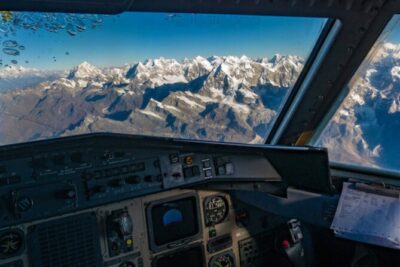
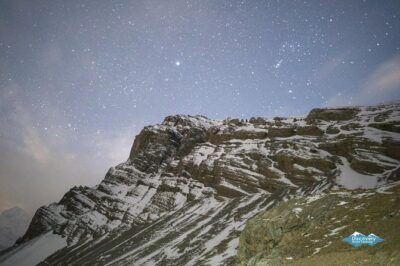
The core experience is the air time. During the flight you get views of the Himalayas that your eyes cannot really “measure” from the ground. Up in the clouds and clear air, distance turns into shapes, and names become lines you can actually point at.
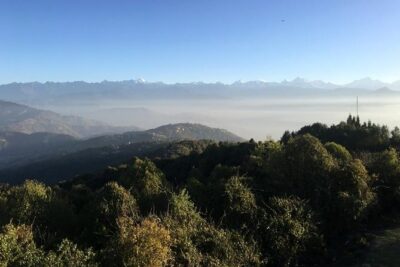
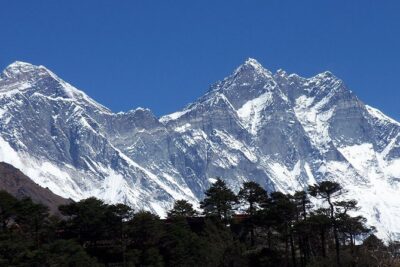
The route is described as covering about 20 mountain peaks. The list includes big ones like Everest, Gauri Shankar, and Langtang Lirung, and it also reaches other notable peaks such as Chamlang. The sequence is described from Langtang Lirung Peak toward Everest and Chamlang, which suggests you are not only looking at the one headline peak.
What you should expect during the flight experience:
- Aerial views on the way for photos and sightseeing from your seat
- Pass-by views of major peaks as the plane follows the route
- Cabin crew support in identifying mountains, when conditions allow
- An English audio guide included, designed to help you recognize what you are seeing
One practical tip that came up repeatedly: for the best chance at views on both halves of the flight, sit so you can see mountains as the plane turns. Some couples have also chosen to split sides of the plane so each person gets the best angle during different segments. If you are traveling solo, you might still ask about seat options once you know the final seating plan.
Also note the “cool air” mention in the experience description. You may feel cooler on the plane compared to Kathmandu, so bring a light layer you can handle easily.
Everest from the sky: what it feels like (and why it’s worth it)

Seeing Everest on a screen or from a postcard is one thing. Seeing it from a window seat is another. From the air, you get clarity in scale. The mountains stop looking like a backdrop and start looking like a system of giants stacked across the horizon.
I like that this flight does not just chase one view. You get multiple peaks in the same flight, and that helps the experience feel like more than a single photo stop. When you can identify more than one named summit, the flight becomes a mini map lesson.
There is also a “second look” element built into the day. After you return toward Kathmandu, you get another chance to view the mountain scenery again from the flight path. Even if weather changes visibility, you are often still in a position to catch something on the return segment.
One more thoughtful touch is the end-of-flight certificate. You will receive a certificate after the flight, and one person specifically described it being signed by the pilot in their case. It is a small keepsake, but it also reinforces that this is designed as a complete, guided experience rather than just getting on a flight and hoping.
Photography and timing: how to get the shots without losing time

The flight plan includes time for scenery viewing and a photo stop. That matters because in real life, you do not want a hurried “look for 10 seconds” situation.
To make your photos work, treat the window as your main tool. Sit upright, keep your phone or camera steady, and be ready for quick changes in lighting. The mountain peaks can shift from bright to hazy depending on cloud cover, so the best strategy is to be ready before you see the peak clearly.
Here is what helps most in practice:
- Keep your camera app open before you think you will see Everest.
- Use the window frame as a guide so you do not crop away the mountain.
- Plan for glare. If your reflection shows up, adjust your angle slightly rather than fighting the brightness.
- If your plane route allows, choose seating that gives you a better view as the plane turns. That seat strategy is one of the easiest “upgrade your experience” moves you can make.
You also get an English audio guide, which is handy if you want to know which peaks you are seeing while you are shooting.
Back to Kathmandu: met at the end, then off you go

The experience is designed to run like a loop. You get picked up from your hotel, you go to TIA, you fly, then you return and get dropped back at your original area.
Your drop-off options match pickup: Bhaktapur, Kathmandu, or Lalitpur. One of the more reassuring details is the “no drama” flow described by people who felt guided through the airport part and then met right outside after the flight.
If you are trying to keep your Kathmandu itinerary flexible, this is a big plus. You are not spending the rest of the day stuck in transit, and you can plan meals, sight-seeing, or shopping while the rest of the city is still open.
Also remember: meals are not included. If you have a time-sensitive plan after the flight, eat before you go, or plan to grab something close to where you will be dropped off.
Weather and rebooking: what you need to stay calm

This is Nepal, so weather is not a polite suggestion. It is the boss.
The experience is explicitly subject to weather conditions. If flying conditions are unsuitable, the flight may be rescheduled for the next day or you may request a refund. In real-life terms, fog can stop flights, and one person described a cancellation due to fog followed by easy rebooking.
Delays can also happen even when the flight still runs. One traveler mentioned delays related to airport emergency rules and waiting for an open contingency airport window. Translation: build in buffer time. Do not schedule a tight evening plan far away from your hotel.
My advice: if you have other bookings, choose ones you can move. If you need to be back somewhere at a strict hour, this might not be the best “single shot” plan.
Price reality check: what makes it worth $189

Everest flights are not cheap, so you should look at value the way you’d look at a guide fee or a private driver: you are buying reduced friction.
Here’s the value math that makes sense for many people:
- You get hotel pickup and drop-off
- You get a 1-hour flight
- You get a guaranteed window seat
- You get English support, including an audio guide
- You get a certificate afterward
If you tried to do parts of this independently, you would likely spend money on transport plus time plus extra planning to secure a window seat. Here, the package handles the big moving parts.
That said, be careful about pricing clarity. One review included a warning that the first price shown for some nationalities may differ from what others pay, and the guide did not flag it until the car ride. This might not apply to every booking, but it is a useful reminder. Before you confirm, double-check that the rate on your voucher matches what you think you are purchasing.
If you want an easy win in Nepal and you can handle weather uncertainty, this can feel like money well spent.
Who this Everest flight suits best
This flight works best for people who want the Everest headline and want it fast.
It is especially good if:
- You have limited time in Kathmandu
- You want a once-in-a-lifetime experience without a trek
- You like guided support, especially at the airport
- You care about getting a window seat without gambling
It may not suit you as well if:
- You want guaranteed good weather conditions
- You hate delays and need strict schedules
- You do not travel light, since luggage or large bags are not allowed
- You strongly prefer doing things on your own pace without drivers and structured support
Wheelchair accessibility is noted, so if mobility is a concern, you should still check details with the provider, but the activity is listed as wheelchair accessible.
Should you book the Kathmandu Everest flight?
If Everest is on your bucket list and you want a clean, high-impact experience without trekking, I think this is a strong option. The best reasons to book are the guaranteed window seat, the door-to-door transfer, and the fact that you can still enjoy Kathmandu later the same day.
Book it if you can be flexible with timing due to fog or weather. Pass if your schedule cannot move and you would be unhappy with rescheduling or delays.
One last practical check: travel with your documents ready, keep luggage minimal, and plan for a cool cabin. Then you can focus on the only part that really matters, watching Everest and the surrounding peaks come into view like a real aerial map.
FAQ
How long is the mountain flight?
The mountain flight is about 50 minutes to 1 hour.
What does the hotel pickup and drop-off include?
Hotel pickup and drop-off are included, with pickup available from Kathmandu, Patan, and Bhaktapur. You will also be dropped back in these areas.
Do I get a window seat?
Yes. A guaranteed window seat is included.
What documents do I need for the flight?
Bring a passport or an ID card.
Is luggage allowed?
No luggage or large bags are allowed.
What happens if the flight cannot operate due to weather?
The activity is subject to weather conditions. If flying conditions are unsuitable, the flight may be rescheduled for the next day, or you may request a refund.
Is there a cancellation option?
Yes. You can cancel up to 24 hours in advance for a full refund.
Everest Scenic Flights from Kathmandu, compared.
★ 4.5Mountain Everest Scenic Flight with Hotel Pickup and DropoffFrom $75210 reviews
★ 4.41 hour Panoramic Everest FlightFrom $215175 reviews
★ 5.01 Hour Mount Everest flight from Kathmandu With Hotel Pick UpFrom $160161 reviews
★ 4.7Everest Flight with Window Seat and TransferFrom $7533 reviews
★ 5.0Mount Everest Scenic Flight by Shree Airlines with Free TransfersFrom $14030 reviews
★ 5.0Everest Flight , Mountain Flight in Nepal , Everest ExperienceFrom $15025 reviews
★ 5.0Mount Everest Scenic Flight by Buddha Air with Free TransfersFrom $15025 reviews
★ 5.0Everest Mountain Flight tour From Kathmandu – Daily DeparturesFrom $7524 reviews
Browse the lists this tour appears in