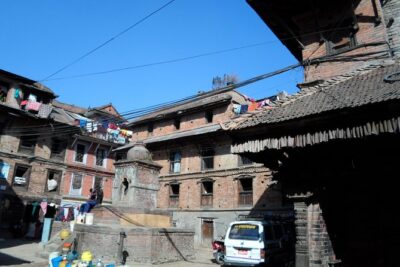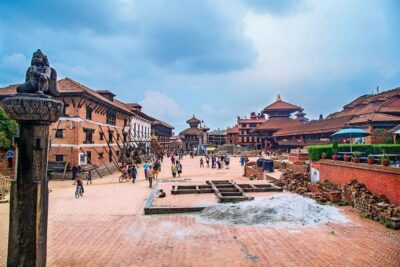
Three days, and the valley feels far away. I like how this hike delivers big mountain views without needing technical trekking. I also like the rural farm-village walking that shows daily life just outside Kathmandu. The one drawback to plan for is the steady multi-hour walking and climbing, especially on the way up toward Chisapani.
You’ll start with a morning push from the Kathmandu area, then shift into a quieter rhythm of jungle paths, forest shade, and viewpoints that make you stop often. Meals are taken care of during the trek, and you travel with a guide and transport support, so you spend your energy on walking, not logistics.
The itinerary wraps with a classic descent toward Changunarayan temple and a drive back into Kathmandu. If you care about sunrise viewpoints, Nagarkot and the surrounding Dhulikhel area are part of the payoff, but you should still expect early starts to get the best light.
Key Highlights Worth Your Time
- Rim-hike scenery north of Kathmandu, with mountain views during the walk
- Chisapani to Nagarkot route, including panoramic viewpoints and forest trails
- Nagarkot and Dhulikhel sunrise-style views, timed for striking early light
- Culture on the last day, with a downhill finish toward Changunarayan temple
- Private group setup, so you are not squeezed into someone else’s pace
- Meals included during the trek, which makes the hike feel smoother day to day
Rim-Walk Views North of Kathmandu: What the 3 Days Feel Like
This is a short trek, but it does not feel like a quick sightseeing sprint. You are walking north of the Kathmandu Valley, in an area where the views open up toward major Himalayan ranges while you pass farms and forest. The walking is long enough to matter, yet short enough that most people who can handle several hours on foot can do it.
Think of it as a trail that alternates between effort and reward. You climb out, you settle into downhill and flatter segments, then you do it again. The best part is that you get the feeling of leaving the city behind without leaving Nepal’s everyday mountain life.
You should also know what kind of “views” you are signing up for. This trip is built around peak spotting from several outlooks, plus sunrise-style scenery around Nagarkot. The trail itself gives you changing perspectives, especially when the forest thins out and the air opens.
You can also read our reviews of more hiking tours in Kathmandu
Getting Started at 7:15 am in Thamel, Then Into Sundarijal and Chisapani
You meet at View Nepal Treks & Expedition, 24 Thamel Marg, Kathmandu, with a start time of 7:15 am. From there, you are transported toward the trek start at Sundarijal, and the first day focuses on getting you up toward Chisapani.
Day 1 is the big vertical moment. You hike from Sundarijal to Chisapani, with the route described as reaching around one thousand meters of ascent by the time you get to the Chisapani hill area. That matters because you’ll feel the climb in your legs. If you have never done altitude-free viewpoint treks around Kathmandu before, plan to take it steady. Your pace will likely need to be slower than you think, especially early in the day.
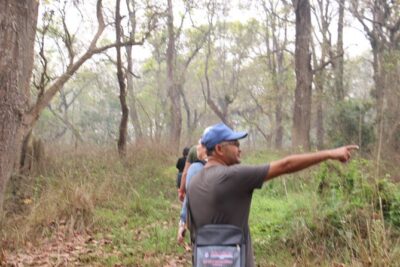
What makes this first day special is the combination of walking through jungle and seeing different vegetation along the way. You are moving through a landscape of flora and fauna, and the trail gives you those frequent moments where you look up and then look around to see how the forest changes.
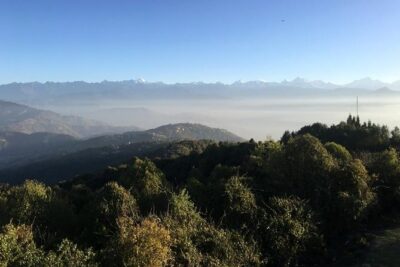
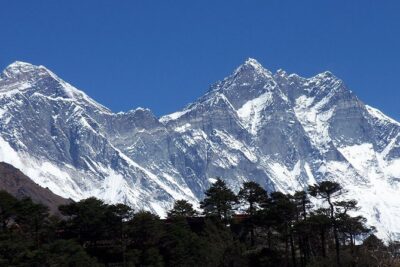
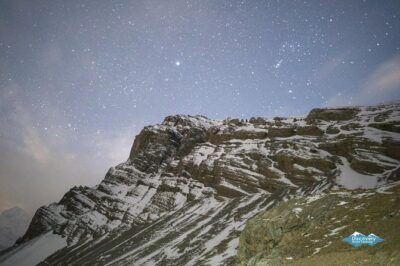
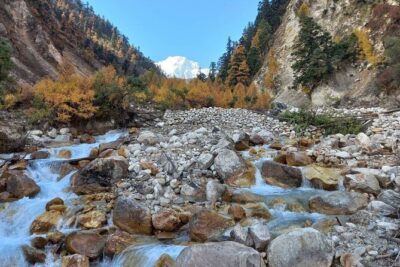
When you reach the Chisapani hill area, you are treated to panoramic views toward major ranges, including Dorje Lakpa, Langtang, Ganesh Himal, Gaurisankar, and part of the Everest range. This is the kind of payoff that makes the climb worth it, because you do not just see one peak. You see a cluster, layered by distance.
A small caution: viewpoints are weather-dependent. If the morning is hazy, peak spotting can be reduced. It does not mean the day is wasted. You still get the forest walking and rural village feel, but your “wow” factor depends on visibility.
Forest-Edge Walking to Nagarkot: Peak Spotting Without Technical Trekking
The second day shifts the mission from climbing to reaching Nagarkot. The goal is to keep you moving through the valley rim countryside and end up at one of Nepal’s famous viewpoint towns.
You’ll hike from Chisapani toward Nagarkot, with the route described as including jungle scenery, multiple vegetation types, and regular openings for mountain views. The view targets mentioned for the trek include Langtang, Ganesh Himal, Gaurisankar, and the Mahalangur Himalayan range.
Nagarkot itself is a “lookout base.” You are not on a narrow technical trail here. Instead, you are walking toward an area known for sightlines. That makes the route approachable for hikers who can manage long days on foot.
What you should plan for is the rhythm. After the first-day climb, day two can still be tiring, even if it feels a bit smoother in parts. You’ll want comfortable shoes, and you’ll want to pace yourself on any longer stretches. When your legs start to feel heavy, that’s often the moment when good trail technique helps most: shorter steps, relaxed shoulders, and consistent pauses when the group stops.
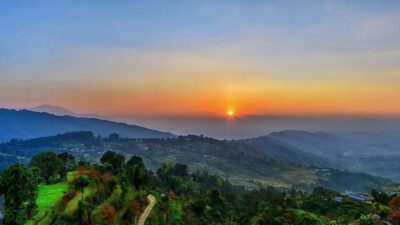
If you get clear skies, Nagarkot is one of those places where you end up watching clouds move through the valleys while the peaks stay fixed in the distance. If the skies are less cooperative, you still get the satisfaction of arriving at a viewpoint town, and you can focus on the forest and trail experience rather than only the summit view.
Nagarkot View Tower and Dhulikhel Sunrise Style Scenery
This trek is designed for scenic stops, and one of the named stops is the Nagarkot View Tower. That is your structured chance to take photos, breathe, and let the scenery do its job. View towers sound touristy on paper, but in practice, they give you a stable vantage point when the trail route brings you there.
The trip highlights also point to Dhulikhel sunrise views alongside Nagarkot. This matters because the timing changes how you experience Nepal. Sunrise light makes the mountains look sharper and the valleys look deeper. It also changes the mood. Early in the morning, the air feels cleaner, and the whole rim area looks calmer.
Since the exact schedule details are not laid out step by step, treat sunrise as a goal, not a guarantee. You should still show up early and stay flexible. If your guide plans a sunrise moment, be ready to move quickly once daylight hits.
One practical note for photos: bring a lens you can handhold easily, or use your phone carefully. View towers can have wind, and people often press forward at the best spots. If you want calm photos, keep your spot for a bit and shoot from slightly off to the side while the main crowd shifts.
Down to Changunarayan Temple, Then Back to Kathmandu
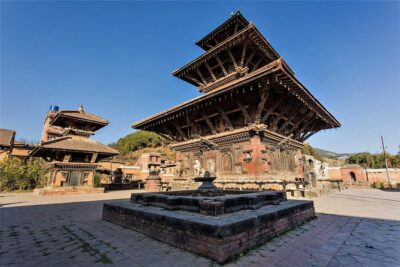
The third day takes you from the Nagarkot area down toward Changunarayan temple, then you drive back to Kathmandu. This is a classic ending, because the descent is where you get to shift from “climb mode” to “enjoy mode.”
Downhills can feel easier than uphills, but they can also be tougher on your knees and ankles if you rush. The best strategy is controlled steps. Let your guide set the pace and aim for steady foot placement. If you have trekking poles, this is a day you’ll appreciate them.
This is also where the trip becomes more than scenery. A temple stop gives you a cultural anchor. Even if you are not in a deep history lesson mode, the presence of a well-known site tends to calm the day down, so you finish your hike with something tangible beyond your last view photo.
After the descent, you get the payoff of a drive back to Kathmandu. That transportation support is part of the practical value here. You are not stuck arranging pickups after your legs are tired.
Price and What You Get for $381
At $381 for approximately 3 days, the value comes from the bundle. You are paying for more than guided hiking. You get:
- 2 night accommodation included for the trekking portion
- All food during the trek (breakfast, lunch, dinner)
- A guide for trekking, and language support that may include English, Chinese, Spanish, German
- Transport by private car/jeep/mini bus/tour bus based on group size
- Pick up and drop to the airport
That combination is why the price can make sense. If you tried to piece it together on your own, your costs could add up fast: lodge stays, meal planning, a guide, and private transport are usually the big line items.
The key tradeoff is what is not included. Kathmandu hotel and food are on you, along with soft and hard drinks, personal expenses, and tips for guide and driver. Also, your Nepal visa and international airfare are not included.
So if you want a low-friction trek with meals, sleeping, and transport handled, this price looks fair. If you already have your own plan for Kathmandu nights and you are comfortable arranging everything else, the value shifts a bit. But for many visitors, convenience is part of the point.
Meals, Transport, and a Private Group That Actually Feels Private
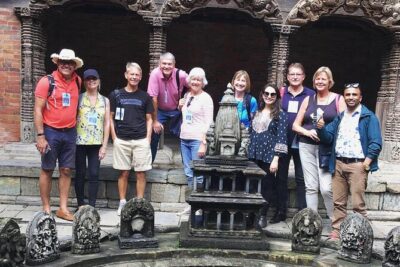
This is described as a private tour, meaning only your group participates. That can change everything about a trek like this. You are not fighting over where to pause for views, and you can keep a pace that feels realistic.
Food is included while you are trekking, so you do not have to budget and hunt for lunches mid-walk. Breakfast, lunch, and dinner during the trek reduce stress, and you can focus on staying properly fueled. Hydration still matters, but at least your main meals are covered.
Transport is also handled. The route begins with getting you from the meeting point in Thamel area toward Sundarijal, and ends with a drive back after Changunarayan temple. The exact vehicle can vary by number of people, with options listed as private car, jeep, mini bus, or tour bus.
One more detail I like: the support includes airport pickup and drop. If your arrival and departure timing are messy, this is a big help. It means you can start the trek without a scramble for local transport.
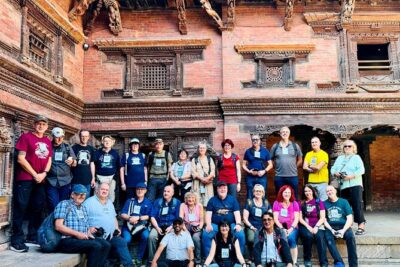
Finally, a guide can make this hike feel smooth. In one standout review, a guide named Riman was praised as kind and supportive. If you end up with Riman, or another guide with a similar style, expect someone who helps you manage the pace and keeps you oriented on trail.
What to Pack and How Fit You Need to Be
The trek is described as suitable for any fitness level as long as you can walk multiple hours a day. That is a practical way to think about it. You do not need to be an ultra-hiker, but you do need stamina.
Pack for a walking day with temperature shifts. Even without altitude details, mountain ridges around Kathmandu can feel cooler in the morning and warmer later. Wear layers you can adjust. You’ll also want:
- Comfortable walking shoes with decent grip
- Light layers plus a warmer layer for early starts
- A small day pack for water and essentials
- Sun protection, since viewpoint days often involve open sky
Also plan for the uphill effort. Day one includes a meaningful climb toward Chisapani. That means you should save your energy for the long middle part of the day, not the first hill sprint.
If you have a fragile knee, take descent seriously on day three. Control your steps. Use trekking poles if you have them. Your legs will thank you later.
Who Should Book This Hike, and Who Might Want Another Option
You should book this Kathmandu Valley Rim Hike if you want:
- Short trekking days with big sightseeing payoff
- A route that combines forest walking and mountain viewpoints
- A guided experience that handles meals and transport during the trek
- A mix of nature and culture, ending near Changunarayan temple
It may not be your best match if you want a hike that is mostly flat. This route includes uphill effort and enough walking hours to be a true trek, not a casual stroll.
If you love early mornings and sunrise-style scenery, the Nagarkot and Dhulikhel viewpoint angle is a major plus. If you hate early starts, talk to the operator or your guide ahead of time, because sunrise light is clearly part of the experience design.
Should You Book the Kathmandu Valley Rim Hike?
I’d say yes if you fit the basic “can walk for hours” requirement and you want a guided, well-organized trek just outside Kathmandu. The value is strong because meals during the trek, trekking accommodation, and transport support are included. The payoff also sounds specific, not generic: clear viewpoints from Chisapani, Nagarkot View Tower, and a cultural end near Changunarayan temple.
Before you book, think about one practical thing: weather. If skies are clear, the peak spotting described for the Chisapani hill area and the Nagarkot sunrise angle will feel worth every step. If skies are hazy, you will still get a satisfying hike through jungle and rural life, just with fewer sharp mountain silhouettes.
If you want a short trek that feels like a real trek, this one is easy to justify.
FAQ
What are the main places this trek visits?
You start in the Sundarijal area and hike to Chisapani on day one. Day two continues the trek toward Nagarkot. Day three involves trekking down toward Changunarayan temple, then a drive back to Kathmandu.
Where do I meet and what time does it start?
The meeting point is View Nepal Treks & Expedition, 24 Thamel Marg, Kathmandu. The start time is 7:15 am.
How long is the Kathmandu Valley Rim Hike?
It’s listed as 3 days, approximately.
Is pickup included?
Yes. Airport pickup and drop are included, and the trip also includes transport from the meeting point toward the trekking route.
What is included in the price?
Included are 2 nights of accommodation for the trekking portion, all trekking meals (breakfast, lunch, dinner), trekking and guide support, and transport. A mobile ticket is also part of the experience.
Is there a guide, and do you have multiple language options?
Yes, you get a tour guide as per requirement of different languages, such as English, Chinese, Spanish, and German, and you also have a trekking guide.
Do I have to bring my own food or hotel in Kathmandu?
Food and hotel in Kathmandu are not included, and drinks are also not included.
What fitness level do I need?
The trek is described as suitable for any fitness level as long as you can walk multiple hours a day, with travelers advised to have moderate physical fitness.
Is this a private group tour?
Yes. It’s described as private, so only your group participates.
What is the cancellation policy?
Free cancellation is offered, and you can cancel up to 24 hours in advance for a full refund. If you cancel less than 24 hours before the start time, you will not receive a refund.
More Hiking & Trekking Tours in Kathmandu
More Tour Reviews in Kathmandu
Not for you? Here's more nearby things to do in Kathmandu we have reviewed
Kathmandu Valley Day Hikes, compared.
★ 4.8Chisapani Nagarkot 3-Days 2-Nights TrekFrom $19029 reviews
★ 4.9Shivapuri Day Hike with LunchFrom $325 reviews
★ 5.0Kathmandu Shivapuri National Park and Nagarkot Hiking – 3 DaysFrom $35021 reviews
★ 5.0Chisapani – Nagarkot Trek Nepal – 3 DaysFrom $42516 reviews
★ 4.9Nagarjun Jamacho Day Hike – Stunning Valley Himalayan ViewsFrom $3914 reviews
★ 5.02 Nights 3 Days Chisapani Nagarkot TrekFrom $19013 reviews
Browse the lists this tour appears in