REVIEW · KATHMANDU UNESCO HERITAGE TOURS
Kathmandu Guided Day Tour: Explore Top 4 UNESCO Heritage Sites
Kathmandu can feel like a puzzle at first. This half-day to full-day UNESCO sprint is a smart way to connect four sites in one go, with a licensed guide keeping the stories grounded in what you see. The day mixes religion, art, and local rhythm, from monkey-temple viewpoints to Buddhist prayer loops around a giant stupa.
Two things I really like: you start with Swayambhunath for instant orientation, and your guide is often named Prakash, with a track record of explaining Nepalese culture and history in a way that actually helps the temples click. I also like the built-in cultural stops like a Thanka painting school visit and a healing bowl demonstration, so you get more than just temple photos.
One consideration: the UNESCO entrance fees are not included. You should budget an extra USD 20 or NPR 2600 per person, and plan for a day that may feel long if you’re sensitive to crowds or religious ceremonies.
Key highlights to look for

- A top-4 UNESCO route that compresses major Kathmandu Valley sights into about 5 to 7 hours
- Swayambhunath 360° viewpoint plus prayer wheels and playful monkeys at the Monkey Temple
- Patan Durbar Square craftsmanship focused on metalwork and wood carvings, centered on the Krishna Temple
- Pashupatinath by the Bagmati River for a powerful look at sacred Hindu cremation rituals
- Boudhanath giant stupa and Kora walk for a calmer, meditative rhythm around the dome
- Extra stops for a Thanka school visit and a healing bowl demonstration, plus 1 liter bottled water
Why this Top 4 UNESCO day makes sense in Kathmandu

If it’s your first time in Kathmandu, you’ll quickly notice something. The city is not one “thing.” It’s layers, placed close together, where different religions share space and time. This tour is built for that reality, moving you between four major UNESCO sites in one guided circuit, instead of making you figure out logistics across multiple days.
The value here is not just that the sites are famous. It’s that your route hits four different modes of meaning. Swayambhunath gives you wide views and living temple energy. Patan focuses on craft and architecture. Pashupatinath brings you into Hindu ritual life at the Bagmati River. Boudhanath slows the day with the steady, repeated movement of the Kora walk around the stupa.
You’ll also get a vehicle and pickup, which matters in Kathmandu Valley where timing can turn chaotic fast. Even if you plan to travel independently, this kind of organized day can save your energy for what you came for.
You can also read our reviews of more guided tours in Kathmandu
Swayambhunath Monkey Temple: your instant Kathmandu Valley orientation
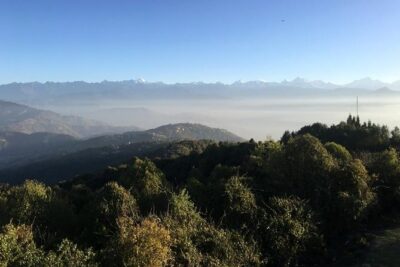
Swayambhunath, also called the Monkey Temple, sits on a small hill, so it works like a natural introduction to the whole valley. The big reason to start here is the view. From the stupa area, you get a wide look across Kathmandu Valley and into parts of the Himalaya on clear days.
The experience is visually busy in the best way. You’ll see prayer wheels and colorful temple details, and you’ll likely notice monkeys hanging around their turf. That mix of spiritual objects plus street-level animal chaos makes Swayambhunath feel alive, not staged.
A small practical note: because it’s a viewpoint, lighting can change quickly. If you care about photos, come prepared to move at a steady pace, and expect a little waiting in spots where people stop for the best angles.
What you gain from the first stop is focus. After Swayambhunath, the rest of the day makes more sense because you’re already “oriented” to where everything sits in the valley.
Patan Durbar Square: craftsmanship you can actually see up close

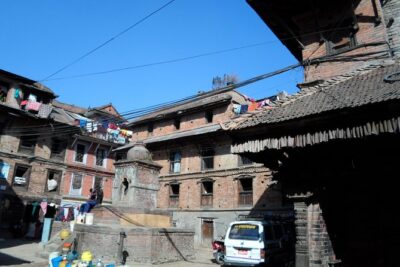
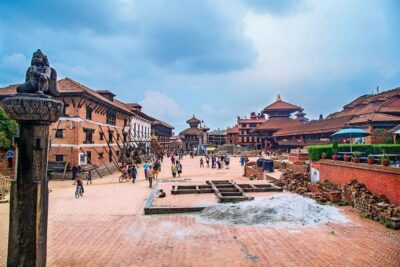
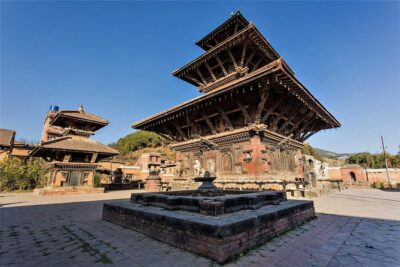
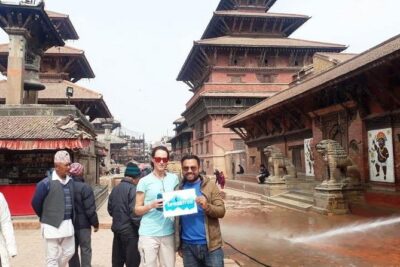
Patan Durbar Square gives you a different side of UNESCO Kathmandu. Instead of a single iconic building, you’re walking through a cluster of royal-palace area structures, temples, and monuments where craft is the main character.
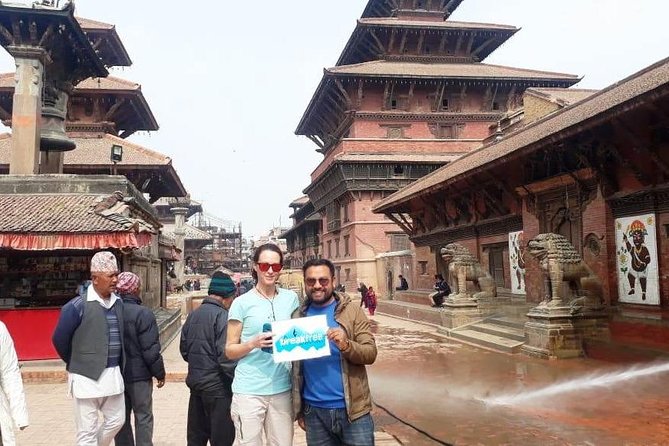
This stop is centered on Patan Durbar, with time around the Krishna Temple area. The emphasis is on what local artisans have produced for centuries, especially metalwork and intricate wood carvings. If you like details, Patan is one of the easiest places in Kathmandu to spot the difference between modern decoration and traditional technique.
Two hours is a helpful chunk of time. It’s long enough to wander without feeling rushed, but short enough that you won’t burn out before the spiritual intensity of the next two stops.
Potential drawback to plan for: this area can feel dense with visitors and photo stops. If you want quiet moments to study carvings, you may need to pause at the edges of the crowd and be comfortable waiting a minute for space.
Pashupatinath Temple and Bagmati cremation rituals

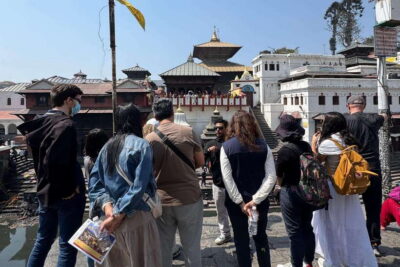
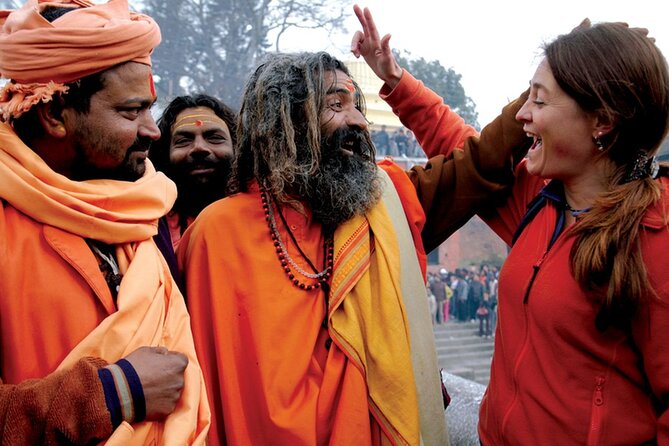
Pashupatinath is one of the most important Hindu temples for Hindu people worldwide, and the Bagmati River setting is part of what makes it so powerful. This stop is where the tour becomes more than sightseeing. You’re in the atmosphere of sacred Hindu ritual life, including cremation ceremonies along the river.
You’ll have about an hour here, which can feel short given the emotional intensity of what you may witness. The good part of a guided schedule is that you’re not left guessing what areas are appropriate to enter, where to stand, or how to approach the space respectfully. A strong guide matters a lot at Pashupatinath, because the meaning is embedded in location and timing, not just in plaques.
It’s also a stop where you might need an emotional reset afterward. If you’re sensitive, bring that awareness with you. You can still enjoy learning and observing, but it’s wise to mentally prepare for the fact that this is a working religious site, not a museum.
Boudhanath Stupa and the Kora walk for slow, steady focus

Boudhanath is where the day shifts toward calm. The stupa is the biggest Buddhist temple in Nepal and one of the biggest Buddhist stupas in the world, and its scale changes how you experience the area. Even before you read anything, you feel the geometry of the dome and the surrounding movement.
The standout activity here is the Kora, the ritual walk around the stupa. You’ll see devotees moving in a steady loop, and that repetition creates a meditative rhythm even for people who do not follow the same traditions. It’s one of the best moments on this route to let your brain slow down.
You also get about an hour at this stop, which is usually enough to watch the Kora flow and take in the stupa from a few angles. If you want the best atmosphere, position yourself where you can observe the loop without constantly pushing forward.
A small practical consideration: Boudhanath is busy. If you’re traveling with limited walking comfort, wear supportive shoes and plan your route around crowd flow.
You can also read our reviews of more historical tours in Kathmandu
The included cultural extras: Thanka school and healing bowl demo

This tour does something I appreciate, it doesn’t treat UNESCO sites like checkboxes only. You also stop at a Thanka (traditional art) painting school and a healing bowl demonstration center.
The Thanka visit helps connect the visuals you’ll see across temples to actual local craft. Even if you only spend a short time there, you’re more likely to notice color, symbolism, and technique when you later look at temple art. The healing bowl demonstration center adds a different angle, showing how sound and ritual practice are part of cultural learning in Nepal.
Two other practical inclusions help the day run smoother: bottled water is provided (1000 ml per person), and you travel by air-conditioned vehicle. In Kathmandu Valley, that comfort can matter more than you think, especially if you’re dealing with heat between stops.
Price and what you really pay: $55 plus UNESCO entry

At $55 per person, this is positioned as a value-focused guided day. The base price includes the vehicle with pickup, an air-conditioned ride, a government licensed tour guide, and the two cultural visits, plus bottled water.
The big “watch item” is UNESCO entry. Entrance fees for the UNESCO World Heritage Sites are not included, and you should budget USD 20 or NPR 2600 per person. That means your total cost is really the $55 plus whatever UNESCO fee day applies when you visit.
If you compare this route to piecing together transport and guide support on your own, you’re paying for the coordination and interpretation. And the interpretation is what transforms temple photos into understanding. A guide named Prakash comes up repeatedly for adding context and making the day feel organized and meaningful.
Where you might find it less cost-effective is if you already have a trusted local guide or you plan to move on your own. But if you want a structured day without navigating site-by-site logistics, the value is fairly strong.
Timing, pickup, and how the day flows

The duration is typically 5 to 7 hours, which is a comfortable range for four stops if the vehicle timing and entrance timing cooperate. The itinerary structure is straightforward: Swayambhunath first, then Patan Durbar, then Pashupatinath, and finally Boudhanath.
What makes this order logical is energy management. Starting with Swayambhunath gives you viewpoint payoff early, when you are freshest. Patan’s craft focus gives you a calmer visual break before the more intense ritual atmosphere of Pashupatinath. Ending at Boudhanath works because the Kora walk provides a slow landing at the end of the day.
Pickup is offered, and you’re traveling in an air-conditioned vehicle. You’ll also get a mobile ticket, which usually makes access easier at entry points, though specifics can vary by site and timing.
Also note this is a private tour/activity for your group. That typically means less waiting around for unrelated travelers and more flexibility with pacing, within the time you have.
Who should book this UNESCO day tour
This tour is a great fit if you want a concentrated Kathmandu Valley introduction and you like having a guide explain what you’re seeing. It’s especially useful if you don’t want to spend your limited sightseeing time coordinating transport across four different areas.
It also suits travelers who enjoy craft and culture. The Thanka school and healing bowl stops add variety beyond the temples themselves.
You might think twice if you are traveling with very limited mobility. You’ll be walking at each heritage site, and some areas, like stupa and durbar square zones, can get crowded.
And if religious ceremonies at Pashupatinath are hard for you emotionally, treat that stop as the deciding factor. You can still learn and observe with care, but you’ll want to be mentally prepared.
Should you book this Kathmandu UNESCO guided day tour?
I’d book this if you want an organized way to see the core UNESCO sites in a single day, with enough guide input to make the temples feel connected rather than separate. The named guide Prakash comes up often for being attentive and adding historical and cultural context, and the included art and healing bowl stops give you more than standard temple hopping.
I would not book it if you dislike added entry costs, because UNESCO fees are extra, and you should budget that on top of the $55. I also suggest you confirm your comfort level with the Pashupatinath cremation atmosphere before committing.
If your goal is a first Kathmandu Valley day that gives you orientation, meaning, and a mix of spiritual experiences, this one fits the bill.
FAQ
What UNESCO sites are included in this Kathmandu guided day tour?
The tour covers four UNESCO heritage sites in Kathmandu Valley: Swayambhunath, Patan Durbar Square, Pashupatinath Temple, and Boudhanath Stupa.
How long is the tour?
The duration is about 5 to 7 hours.
Is pickup included?
Yes, pickup is offered, and you travel by air-conditioned vehicle.
What is included in the price?
Included features are an air-conditioned vehicle, a government licensed tour guide, a Thanka painting school visit, a healing bowl demonstration center visit, and bottled water (1000 ml per person).
Are UNESCO entrance fees included?
No. Entrance fees for the UNESCO World Heritage Sites are not included, and the tour notes an extra cost of USD 20 or NPR 2600 per person.
Is lunch included?
No. Lunch and all foods and drinks are not included.
Do I need to tip the guide or driver?
Tips for the guide and driver are not included, and they are expected.
Is the tour private?
Yes. Only your group participates, so it is private for your group.
What is the cancellation policy?
You can cancel for a full refund up to 24 hours in advance of the experience start time. If you cancel less than 24 hours before, the amount paid is not refunded.
More Guided Tours in Kathmandu
More Tours in Kathmandu
More Tour Reviews in Kathmandu
Not for you? Here's more nearby things to do in Kathmandu we have reviewed
Kathmandu UNESCO Heritage Tours, compared.
★ 5.0Private Kathmandu Sightseeing Tour | UNESCO World Heritage sitesFrom $17756 reviews
★ 5.0Full Day 7 UNESCO Tour with Lunch – Private/GroupFrom $10415 reviews
★ 5.0Full Day Top 4 UNESCO Tour with Lunch – Private/GroupFrom $10269 reviews
★ 5.0UNESCO Seven World Heritage Tour in KathmanduFrom $180253 reviews
★ 4.9Full-Day 7 UNESCO Tour with Lunch – Private/GroupFrom $5247 reviews
★ 4.97 UNESCO Sites Tour in 1 Day (Private Tour)From $4204 reviews
★ 4.9Top 4 UNESCO Tour with Lunch – Private/GroupFrom $5181 reviews
★ 5.0Kathmandu Private Sightseeing Tour | UNESCO World Heritage SitesFrom $35109 reviews
Browse the lists this tour appears in