Kathmandu Valley Trek

REVIEW · HIKING & TREKKING

Kathmandu Valley Trek

5.0 · 21 reviews From $283 Operated by High Route Adventure · Bookable on Viator
Book on Viator →

Sunrise starts early here. This 3-day Chisapani to Nagarkot trek strings together quiet forest paths, village stairs, and two serious viewpoint mornings over the Himalayas and the Kathmandu Valley. You get picked up from Kathmandu area, then guided start-to-finish, with teahouse and hotel nights so you can focus on walking.

I especially like two things. First, the route is built around sunrise from both Chisapani and Nagarkot, which is when the scenery looks its most dramatic. Second, the value is practical: your guide, official expenses, and two types of lodging are part of the deal, plus breakfast each morning.

One consideration: this is a short trek, so the days pack in hiking time and early starts. If you hate morning alarms or long stair sections, you may find it more demanding than a casual stroll.

Key highlights you will care about

Kathmandu Valley Trek - Key highlights you will care about

  • Chisapani sunrise first light, then a trek that sets you up for another big view at Nagarkot
  • Shivapuri National Park route, including stone steps and forested sections, with admission marked free
  • Teahouse to hotel comfort mix, so you get a real overnight village feel plus a proper Nagarkot hotel night
  • Guiding by Bhumi, praised as easy to talk to, competent, and patient, which matters on steep steps
  • Changunarayan lunch stop on Day 3, before the drive back down to Kathmandu

Why Chisapani to Nagarkot is such a good 3-day Nepal trek

This trek works because it does not try to do too much. In 3 days, you cover a classic high-hill route that many longer Nepal walks pass through, but here it is compressed into a manageable timeline. The payoff is viewpoint-focused: mornings in Chisapani and Nagarkot give you a front-row seat to mountain silhouettes and the broader Kathmandu Valley far below.

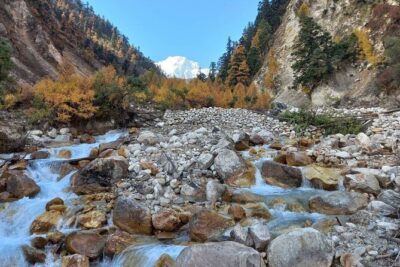
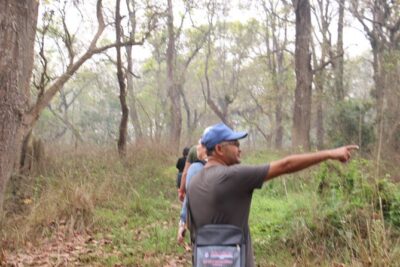
You also get a sense of how Nepal changes with elevation. The trail goes through forests and village edges, then rises into the cooler hill station feeling of Chisapani and Nagarkot. The path details matter too. You climb stone steps, pass terraced fields, and move through areas described as rhododendron forests. That blend of human-scale life on terraces and the bigger-than-life mountain panorama is exactly what makes this route feel real, not staged.

And since it is a private tour, it is easier to keep the day matched to your group. You are not bouncing around with strangers or getting pulled off your pace.

You can also read our reviews of more hiking tours in Kathmandu

Getting from Kathmandu to the trailhead at Sundarijal

Kathmandu Valley Trek - Getting from Kathmandu to the trailhead at Sundarijal
Day 1 begins with a hotel breakfast and check out, then a scenic drive from Kathmandu to Sundarjial. From there, you do the key setup steps before you climb: gear check and final trek prep.

You then start trekking toward the Shivapuri National Park entrance, following stone steps up to Chisapani. The time on Day 1 is listed as about 4 hours, which is a helpful number for planning your energy. Four hours of uphill is not a sprint, but it is enough time that proper shoes and steady pacing matter.

One small detail that can save you hassle: admission ticket is listed as free for the park-related portion. That means you do not need to factor in a park entry payment into your day-to-day budget for this route.

If you are the type who likes to get your footing early, this structure helps. You are not thrown onto the trail instantly after a long drive. The day eases you in, then ramps you up with stairs.

Day 1 in Chisapani: the overnight teahouse stay and the vibe shift

Kathmandu Valley Trek - Day 1 in Chisapani: the overnight teahouse stay and the vibe shift
Chisapani is more than a stop, it is where the trek starts to feel like a hill-hill world. You arrive after the climb, and you spend the night at a teahouse in Chisapani. That kind of lodging is often where you get the most “you are really here” feeling, because it is tied to the local trail rhythm, not a big tourist complex.

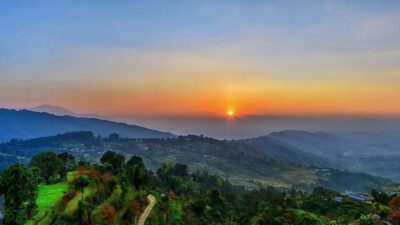
You also get a day-ending advantage: the next morning is the part most people remember. The experience description specifically calls out sunrise vistas over the Himalayas from Chisapani. That means Day 1 is really about getting to the right spot and sleeping in the right place, not just logging hours.

There is also a named feature on Day 1: Chisapani Taal. Even if you do not obsess over the name, it signals that this is not only a straight climb. You are moving through an area with distinct points of interest, so the walk feels varied.

Practical note: you will be tired after the stairs. If you can, keep your evening simple. Pack tomorrow’s essentials where you can grab them fast, since you will likely want to be ready before the sun.

Day 2: early wake-up, sunrise view from Chisapani, then onward to Nagarkot

Kathmandu Valley Trek - Day 2: early wake-up, sunrise view from Chisapani, then onward to Nagarkot
Day 2 starts with the classic trekking rhythm: an early wake-up call, then breakfast. The itinerary then has you enjoy a stunning sunrise view from Chisapani before you head out.

From there, you continue through Shivapuri National Park again, then move downhill toward Chauki Bhanjyang. The route description cuts off mid-sentence in the data you provided, but the key idea is clear: you are not just going straight up to Nagarkot. You are working the terrain, alternating effort as you pass points like Chauki Bhanjyang.

Day 2 is also listed as about 4 hours, which is a nice match for Day 1. The hiking time is not too long, but it is enough to give you the “we actually walked today” feeling. You then make your way to Nagarkot, where you stay in a hotel.

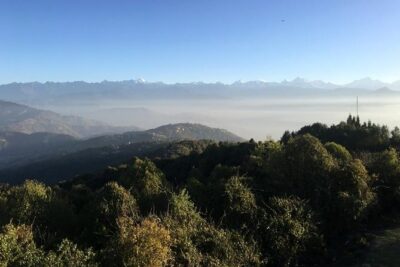
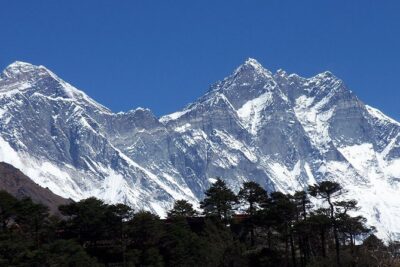
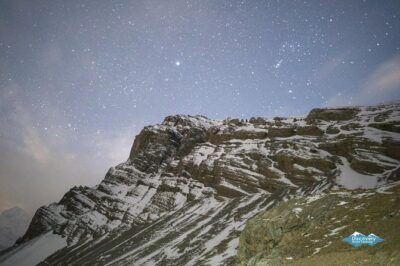
This is the big view day. The description calls out that once dawn breaks, Nagarkot reveals its splendor with snow-capped peaks and the sprawling Kathmandu Valley below. That combination is why people do this route at all. You get both the mountain drama and the human scale of the valley around it.

If you care about photos, you are in the right place at the right time. Sunrise is not a random add-on here. It is a planned part of the experience.

Nagarkot on Day 2 night, then a calmer descent on Day 3

Nagarkot is designed for watching the sky. You are higher up and set for those wide views, so even a short pause with your morning coffee can feel worthwhile. Since your Day 2 includes a hotel night, you get a more familiar comfort level than a teahouse, which helps if your group wants a clean break from trail basics.

Day 3 turns quieter and more “return to civilization.” You get breakfast and check out, then trek toward Changunarayan and have lunch there. After that, you drive back to Kathmandu, with hotel check-in at your own place for the overnight.

What I like about this ending is that it gives you a satisfying closure without more pressure. You are not facing another long, punishing climb at the end. Instead, you transition from trail to lunch to car ride, so you can end the trip feeling complete, not wrecked.

If you are planning your overall Nepal time, this structure is also friendly. You finish in Kathmandu with time to shower, eat properly, and choose what you want next.

Here's some more things to do in Kathmandu

Price and value: what $283 includes, and what to budget separately

Kathmandu Valley Trek - Price and value: what $283 includes, and what to budget separately
At $283 per person for roughly 3 days, this package is priced like a short guided trek with lodging support. The main reason it feels fair is that you are not just paying for “someone to point out the route.”

Included items are listed clearly:

  • Fuel surcharge
  • A tour guide
  • All official expenses and government taxes
  • Hotel in Nagarkot and teahouse in Chisapani
  • Breakfast (3)

So the big practical costs are handled for you. You do not need to coordinate lodging yourself for the two overnight legs, and you are not hunting down a guide who also knows where you should stop.

Not included:

  • Nepal visa fee
  • Travel insurance
  • Tips

You should budget for visa and insurance on your side. For tips, the data just says tips are not included, so you will want to carry a bit of cash to handle gratuities if you feel the service deserves it.

One more value note: the experience lists pickup offered and a mobile ticket. Pickup matters because it reduces the “where do we meet?” stress right at the start.

The guide matters, and Bhumi gets strong praise

The trek lives or dies by how the guide handles the details. You are walking on steps, shifting pace, and managing an early schedule. If the guide is impatient or vague, the whole thing feels harder.

The strongest praise in the supplied feedback is for the guide named Bhumi. People highlight that he is easy to talk to, extremely competent, patient, and just a genuinely nice person. One comment also notes he puts you at ease right away and builds confidence from the start.

I take that seriously, because patience counts on a route like this. The climb up and the stair segments can make you feel self-conscious if you are behind or cautious. A patient guide helps you keep a steady rhythm, and competence helps keep you moving at a safe pace without wasting time.

If you want a trek that feels controlled and friendly rather than stressful, this is a good sign.

What the hiking actually feels like day to day (based on the route design)

Kathmandu Valley Trek - What the hiking actually feels like day to day (based on the route design)
Even without exact elevation stats, the itinerary makes the hiking feel pretty predictable.

  • Day 1: more uphill focus as you climb stone steps toward Chisapani. It is about 4 hours, so expect steady effort, not a sprint.
  • Day 2: early sunrise viewing first, then a mix of travel through park areas and movement toward Chauki Bhanjyang, eventually reaching Nagarkot in about 4 hours. This day blends scenery and walking.
  • Day 3: trek toward Changunarayan, lunch, then drive to Kathmandu. The end is more about transition than an extra heavy push.

If your group includes different fitness levels, the guide can help manage pacing. The private format also helps, because you can keep the group together without delays caused by other schedules.

Packing and timing tips for a short, viewpoint-heavy trek

This trek is about sunrise views, so timing and comfort matter more than packing a fancy gear list. Since you have early wake-up calls and sunrise viewing built into both Chisapani and Nagarkot, I suggest you plan for cooler dawn conditions even if the afternoon feels mild.

Practical items you should bring:

  • Good walking shoes with solid grip for stone steps
  • A layered top so you can adjust when you go from cold dawn viewing to warmer hiking
  • A small daypack for water, snacks, and a light rain layer if weather turns
  • Your essentials organized so you can move fast during morning checkouts and early departures

Also, set a simple goal for each day: finish strong enough to enjoy the viewpoint. This route gives you the views, but they do require you to be there on time.

Who should book this Chisapani to Nagarkot trek?

This is a strong fit if you want:

  • Two sunrise moments in a short time window
  • A guided trek that includes teahouse and hotel lodging
  • A route that mixes forests, terraces, and hill station vibes without committing to a long multi-week trek

It may be less ideal if:

  • You hate early mornings and stair-heavy routes
  • Your idea of trekking needs long, flat walking sections rather than uphill steps

The data also says most travelers can participate, which points to a generally accessible nature for a trekking experience. Still, short does not mean effortless. Plan for uphill effort and a couple of long viewpoint mornings.

Should you book this Kathmandu Valley trek?

I would book it if your priority is sunrise views with a clear plan, and you want your lodging and guiding handled for you. The included hotel in Nagarkot, teahouse in Chisapani, and three breakfasts make the value feel grounded, not just “pay for a walk.”

Choose it especially if you appreciate a guide who is described as patient and competent, because that style shows up most on steep steps and early mornings. The route also ends with a straightforward return to Kathmandu, so you are not stuck in the middle of nowhere on Day 3.

If you are trying to decide between doing this type of trek independently versus with support, this package tends to make life easier. A guided, private 3-day route with the right sleeping spots beats guesswork on a short timeline.

FAQ

How long is the Chisapani to Nagarkot trek?

It is approximately 3 days, covering the Chisapani to Nagarkot hike over 2 nights and 3 days.

Where does the trek start?

The trek starts from Sundarjial after a scenic drive from Kathmandu.

What are the main sunrise viewpoints on this route?

You can enjoy sunrise views from Chisapani and then again at Nagarkot.

Is there an admission fee for the national park portion?

The itinerary shows admission ticket free for the relevant park entries on the trek days.

What kind of lodging is included?

You get a teahouse in Chisapani and a hotel in Nagarkot.

How many breakfasts are included?

Breakfast is included for 3 mornings.

Is pickup from Kathmandu included?

Pickup is offered, as part of the experience.

What does the $283 price include?

The price includes fuel surcharge, a tour guide, all official expenses and government taxes, hotel and teahouse lodging, and breakfasts.

What is not included in the tour price?

Not included are the Nepal visa fee, travel insurance, and tips.

What is the cancellation policy?

You can cancel for free up to 24 hours in advance for a full refund.

More Hiking & Trekking Tours in Kathmandu