REVIEW · KATHMANDU UNESCO HERITAGE TOURS
4 UNESCO City Sightseeing in Kathmandu
Four UNESCO sites, one smooth day. I like how this one-day route strings together Kathmandu Durbar Square, Swayambhunath, Pashupatinath, and Boudhanath without you having to plan the Valley logistics. With hotel pickup and a small-group pace, it feels organized but not rushed.
Two things I really love. First, the guide quality stands out, and in particular Saru brings clear cultural context with a kind, compassionate approach. Second, the comfort helps you stay focused, since you travel in an air-conditioned vehicle with round-trip pickup and drop-off.
One possible drawback to plan for: admission tickets and lunch are not included, so you should expect a bit of extra out-of-pocket time and money once you get going.
Key points that make this Kathmandu day tour work

- Hotel-to-hotel ease: round-trip transfers mean you start and end without the stress of figuring out transport
- A guided heritage route: you cover four major sites in one day, guided rather than just sightseeing from the road
- Small group size: a maximum of 15 travelers keeps it easier to ask questions and move as a unit
- Comfort between stops: private transportation in an air-conditioned vehicle helps a lot on a long day
- Real variety in one loop: Hindu and Buddhist landmarks in the same day, so your context clicks faster
Why This Kathmandu UNESCO Four-Site Day Tour Is a Smart First Move

Kathmandu can feel like an open-air museum, but it also demands logistics. The top heritage sites are spread across the Kathmandu Valley, so traveling between them on your own can turn into a time-sink. This is designed to solve that problem in one structured day.
I like that the format is simple: you get pickup, you ride comfortably between stops, and you return for a hotel drop-off. With a route built around Kathmandu Durbar Square, Swayambhunath, Pashupatinath, and Boudhanath, you can get your bearings fast. It is especially useful if you have limited time and want more meaning than just photos.
The small-group setup matters. You are not stuck waiting for a huge crowd, and your guide can tailor explanations to what you are seeing in front of you. That is the difference between collecting landmarks and understanding why each place matters.
Then there is the practical benefit of having a plan for the whole day. The tour runs about 6 to 7 hours, with guided time at each stop. That structure helps you avoid the classic Kathmandu trap of starting late, traveling too slowly, and ending the day too tired to enjoy anything.
You can also read our reviews of more city tours in Kathmandu
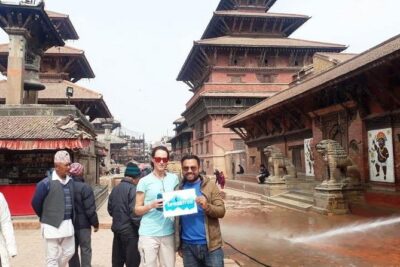
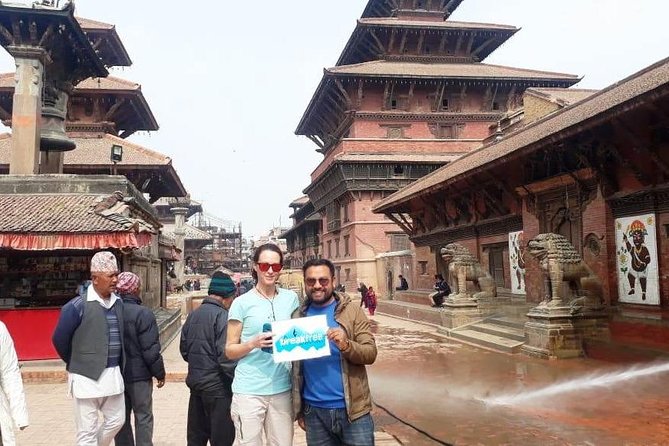
Kathmandu Durbar Square, Royal Courtyards and Power History You Can See

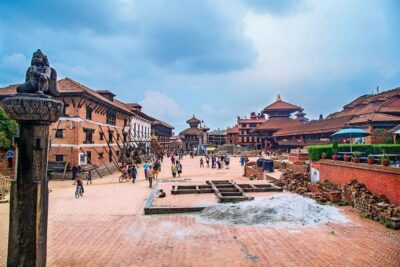
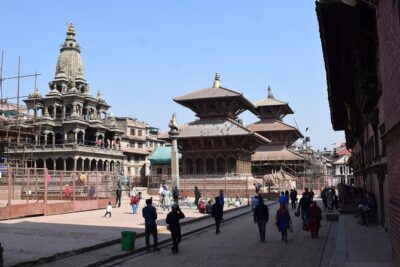
Your first stop is Kathmandu Durbar Square, with about 2 hours here. This complex is tied to the Malla kings and later the Shah dynasty, and it goes back to the 12th century. In other words, this is not a single building, it is a whole heritage complex that reflects how power was displayed and celebrated.
What I like about starting here is that it gives you a baseline for the rest of the day. The square is a place where you can look at architecture and monuments and then connect them to political and cultural change over centuries. A good guide helps you notice details you would otherwise miss, like how these royal spaces became centers for major public moments, including coronations.
There is a real payoff for spending the longer block of time at Durbar Square. Many tours rush it, but with 2 hours you can slow down, take a breath, and actually read the space through your guide’s background. If you are the type who likes to understand what you are looking at, this is where your day starts to click.
One consideration: admission tickets are not included. That means you should plan for any entry fees that apply at the time you visit. Also, since the square is a major heritage area, it is worth having comfortable shoes ready and keeping an eye on your schedule so you do not fall behind the group.
Swayambhunath Stupa, Old Legend and Hilltop Drama in About an Hour
Next comes Swayambhunath, where you spend about 1 hour. This hilltop stupa is believed to have been founded over 2,000 years ago, and the legend says it emerged spontaneously from a lotus flower. That mix of age and story is a big part of why Swayambhunath hits so hard for first-time visitors.
Even in a short visit, the guide context makes a difference. You are not just looking at a stupa on a hill, you are getting the religious and cultural background that explains why people treat this place like a must-see. That kind of framing helps you understand the atmosphere beyond the obvious views.
This stop also helps your day feel balanced. Durbar Square is grounded in royal history, while Swayambhunath brings in spiritual symbolism and long-running religious meaning. When you move from one to the other, the contrasts make the Kathmandu story easier to follow.
A practical note: admission tickets are not included here either. You will likely want to keep a little cash or a payment option ready for whatever entry process is used at the time. Also, since you only have about an hour, arrive ready to focus. If you spend too much time getting organized at the start, you can lose time for the best viewpoints.
Pashupatinath Temple, Sacred Shiva Site With an Unmissable Scale of Meaning

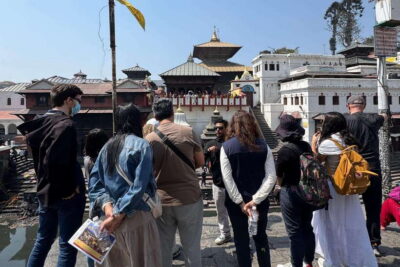
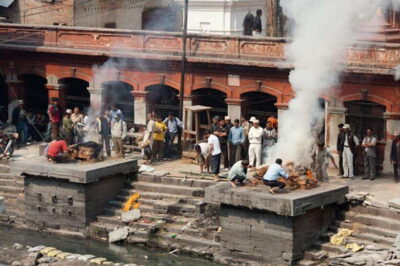
Pashupatinath Temple is next, again with about 1 hour. It is dedicated to Lord Shiva and dates back to 400 A.D., which makes it one of the oldest and most sacred Hindu temples in the world. The temple was rebuilt by King Bhupatindra Malla in the 17th century after it was damaged, so you get a sense of continuity along with change.
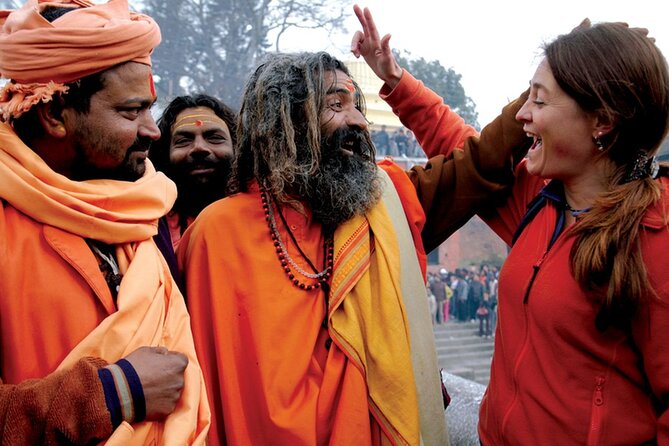
This is the stop where guidance can really matter, because sacred sites can feel overwhelming if you do not know what to look for. A good guide helps you understand the temple’s importance and the context behind how people approach the space. With a structured 1-hour visit, you are not left wandering aimlessly.
I also like that this stop anchors the day in Hindu religious history right after you saw Buddhist context at Swayambhunath. It is not about ticking boxes. It is about seeing how Kathmandu carries multiple spiritual threads side by side.
Admission tickets are not included, so again, plan for additional entry fees at the site. Also, it is a temple environment, so expect rules about where you can go and how you should behave. Let your guide lead the way and keep things calm and respectful, and you will get more from the experience.
Boudhanath Stupa, Tibetan Buddhism and One of the World’s Largest Stupas

Then you head to Boudhanath Stupa for about 1 hour. This site was built in the 5th century, and it became a center for Tibetan Buddhism after refugees fled to Nepal. It is also described as one of the largest stupas in the world, which helps you understand why it draws so much attention.
What makes Boudhanath special for many visitors is how it feels alive even when you are standing still. The stupa’s size is hard to fully appreciate without seeing it in person, and the Tibetan Buddhist connection adds a layer of meaning that goes beyond architecture. Your guide’s cultural background helps you notice how the place functions for worshippers and travelers.
I also think Boudhanath is a smart end point in the day. After Durbar Square, Swayambhunath, and Pashupatinath, you have already seen the range of what Kathmandu heritage can represent. Here, the focus tightens to one iconic landmark that symbolizes a larger religious community.
Like the other stops, admission tickets are not included. That is the main catch, but it is also the kind of catch you can plan for easily if you budget a little extra. If you want the best experience, pace yourself at this final stop. With only about an hour, you want to be present enough to absorb what you came for, not rushing to fit in one more thing.
Private Transport, Timing, and What You Really Get for $50.50

At $50.50 per person, this tour is priced like a practical day of guided transport plus four heritage stops. The value comes from stacking things that are hard to coordinate on your own: hotel pickup and drop-off, private air-conditioned transport, and a guide who gives cultural background as you move.
If you tried to do this DIY, you would likely spend time on figuring out routes, arranging rides, and losing the flow between sites. Even if you find cheaper transport options, the time cost is real. This tour’s whole purpose is to trade a set price for a smoother day.
A small group size helps you feel the difference. With a maximum of 15 travelers, the schedule stays workable, and you can ask questions without constantly feeling like you are interrupting a giant line. That personal attention is part of why the tour earns such strong ratings.
The tour duration, about 6 to 7 hours, is long enough to cover four key stops, but not so long that you end up cooked. It is also a good length for first-time orientation, especially if you plan to explore on your own later. You will leave with a mental map and context that make independent sightseeing easier afterward.
Two things are not included: lunch and admission tickets. That is normal for tours like this, but it does affect your planning. Bring a plan for lunch nearby or expect to grab something on the go when you have the chance. For admissions, assume there will be some on-site costs.
Finally, you get a mobile ticket and group discounts. That makes the experience feel modern and easy to manage, even though the sites themselves are deeply historical.
Who This Tour Fits Best in Kathmandu, and Who Might Skip It
This works best if you want a guided introduction to Kathmandu heritage sites in one day. If you are visiting for a short time, it is one of the cleanest ways to see major highlights without turning your day into a transport puzzle. It is also ideal if you like having someone explain what you are looking at, not just where to stand for a photo.
I would also point it out to anyone who prefers structure. Four stops in one day can sound intense, but the schedule is designed around realistic time blocks: around 2 hours at Durbar Square and about 1 hour each for the other three. That structure keeps the tour moving while still giving each site a chance to land.
On the other hand, if you love slow travel and want to linger for long periods at each site, you might find the timing a bit tight. You only get so long at each place, and admissions plus any site rules can affect how quickly you move. In that case, you might prefer a more flexible plan where you can spend extra time wherever you feel the strongest pull.
If you do choose this tour, bring a mindset of learning and pacing. Treat each stop like a chapter, not like an all-day project. You will get more value that way, and you will be happier when the next site comes quickly.
Should You Book 4 UNESCO City Sightseeing in Kathmandu?

Book it if you want a guided, no-logistics headache day that connects four major Kathmandu heritage landmarks. I think it is a strong choice for first-time visitors, and it is also a good way to reset your understanding of the Kathmandu Valley if you are only staying briefly.
The biggest reason I recommend it is the combo of guided context plus comfortable private transport. When your guide is Saru level friendly and thoughtful, the sites feel more legible, not just impressive. Add hotel pickup and drop-off, and you are set up for a smoother day than most self-planned routes.
Skip it if you have a very flexible schedule and you want total control over pacing, lunch timing, and how long you spend at each monument. In that case, a DIY plan could suit your style better, especially if you know Kathmandu well already.
FAQ
How long is the 4 UNESCO City Sightseeing tour in Kathmandu?
It runs about 6 to 7 hours.
What sites are included in the tour?
You visit Kathmandu Durbar Square, Swayambhunath, Pashupatinath Temple, and Boudhanath Stupa.
Does the tour include hotel pickup and drop-off?
Yes. It includes round trip transfer from your hotel and back, plus pickup offered and hotel drop-off.
Are admission tickets included?
No. Admission tickets are not included.
What is included in the price?
The price includes a professional guide, private transportation, an air-conditioned vehicle, and round trip transfers from your hotel.
How large is the group?
The tour has a maximum of 15 travelers.
What is the cancellation policy?
You can cancel for a full refund up to 24 hours in advance of the experience’s start time. If you cancel less than 24 hours before, you do not get a refund.
More City Tours in Kathmandu
More Tour Reviews in Kathmandu
Not for you? Here's more nearby things to do in Kathmandu we have reviewed
Kathmandu UNESCO Heritage Tours, compared.
★ 5.0Private Kathmandu Sightseeing Tour | UNESCO World Heritage sitesFrom $17756 reviews
★ 5.0Full Day 7 UNESCO Tour with Lunch – Private/GroupFrom $10415 reviews
★ 5.0Full Day Top 4 UNESCO Tour with Lunch – Private/GroupFrom $10269 reviews
★ 5.0UNESCO Seven World Heritage Tour in KathmanduFrom $180253 reviews
★ 4.9Full-Day 7 UNESCO Tour with Lunch – Private/GroupFrom $5247 reviews
★ 4.97 UNESCO Sites Tour in 1 Day (Private Tour)From $4204 reviews
★ 4.9Top 4 UNESCO Tour with Lunch – Private/GroupFrom $5181 reviews
★ 5.0Kathmandu Private Sightseeing Tour | UNESCO World Heritage SitesFrom $35109 reviews
Browse the lists this tour appears in